Salmos 125
Bibeli Gusunɔn Gari · Toque num versículo para ver as referências cruzadas.
1Sɑ̃ɑ dɑɑrun womu. Ge wee.
Be bɑ Yinni Gusunɔ nɑɑnɛ sɑ̃ɑ,
bɑ rɑ n yɔ̃wɑ dim dim nɡe Siɔnin ɡuuru.
Tɑ ku rɑ bɑ̃ɑri. Tɑ ko n yɔ̃wɑ sere kɑ bɑɑdommɑɔ.
2Nɡe mɛ ɡuunu kɑ Yerusɑlɛmu sikerenɛ,
nɡe mɛyɑ Gusunɔ u kɑ win tɔmbu sikerenɛ sɑɑ tɛ̃n di sere kɑ bɑɑdommɑɔ.
3Tɔn kɔ̃so kun bɑndu dimɔ ɡemɡibun temɔ.
Domi ù n tu di, ben tii bɑ koo kɔ̃sɑ ko.
4Yinni Gusunɔ, ɑ be bɑ ɡeɑ mɔ̀ ɡeɑ sɔ̃ɔsio.
A bèn ɡɔ̃ru ɡɑ dɛɛre durom kuo.
5Adɑmɑ be bɑ swɑɑ mwɑɑmɔ ye yɑ ǹ dɛnde
ɑ bu yɑrinɑsio kɑ kɔ̃sɑn kowobu sɑnnu.
Yinni Gusunɔ, ɑ de bɔri yɛndɑ n wɑ̃ɑ Isireliɔ.
Você sabia?
A segurança inabalável em Jerusalém
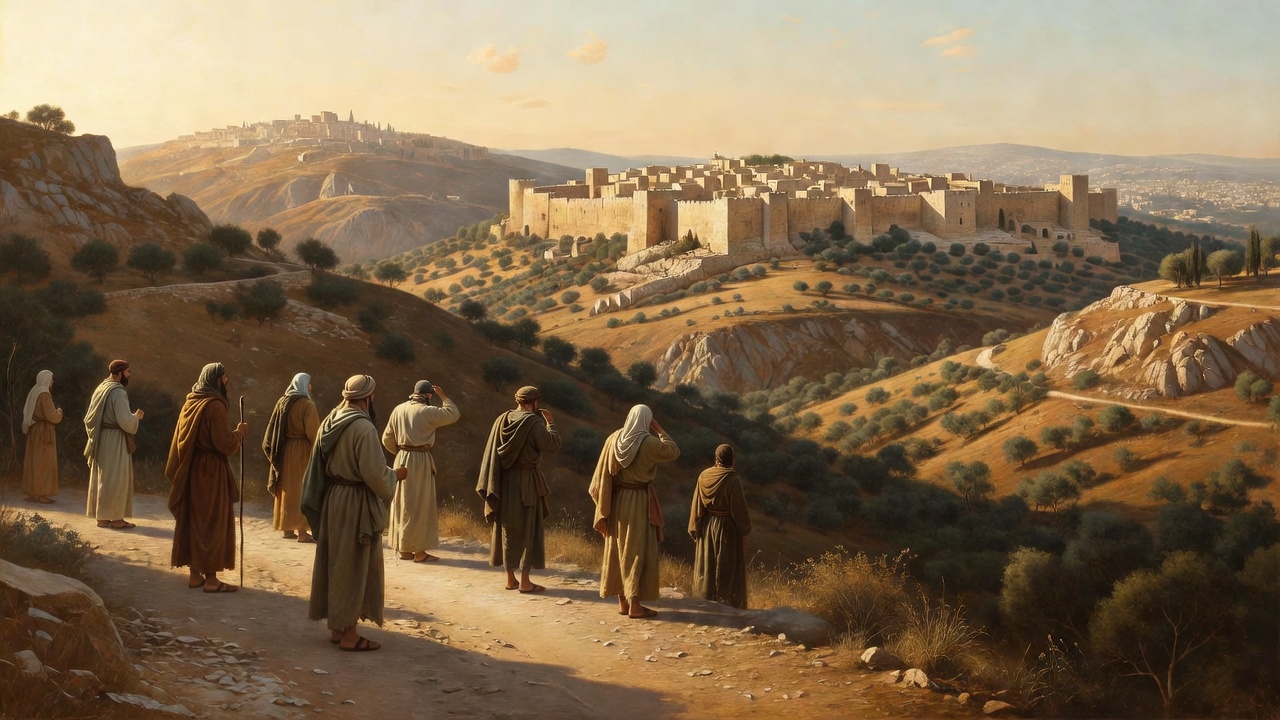
- O Salmo 125 é um dos Cânticos de Romagem que compara aqueles que confiam em Deus ao monte Sião. O monte Sião era uma colina naturalmente fortificada em Jerusalém, cercada por vales profundos em quase todos os lados, servindo como símbolo de permanência e estabilidade.Fontes: o próprio texto bíblico · Mount Zion
- O salmista recorre à geografia local ao mencionar como as montanhas cercam Jerusalém. Construída como uma fortaleza sobre montanhas em meio a elevações vizinhas, a cidade oferecia uma vívida ilustração física da proteção divina ao redor de seu povo.Fontes: o próprio texto bíblico · Jerusalem
- O salmo é concluído com uma oração de paz sobre Israel, o que se relaciona com o significado tradicional do nome hebraico de Jerusalém como posse ou fundamento de paz.Fontes: o próprio texto bíblico · Jerusalem
Notas escritas com auxílio de IA a partir de fontes abertas (Theographic Bible Metadata, CC BY-SA 4.0; Easton’s Bible Dictionary, domínio público) e revisadas antes de publicar.
Lugares deste capítulo
Só aparecem lugares com identificação de alta confiança (90% ou mais segundo as fontes acadêmicas reunidas pelo OpenBible). Mapa da época: DARE (Digital Atlas of the Roman Empire), CC BY 4.0; mapa atual: © colaboradores do OpenStreetMap; lugares: OpenBible.info (CC BY 4.0).
Créditos e licença desta tradução
Bibeli Gusunɔn Gari
The Holy Bible in the Baatonum language of Benin, also called the Bariba language
copyright © 2013 SIM
Language: Bariba (Baatonum)
Translation by: SIM International
Bariba, Bibeli Gusunɔn Gari
This translation, published by the UEEB/SIM au Benin, was published in 1996.
If you are interested in obtaining a printed copy, please contact the SIM at SIM, BP 15, Parakou, Benin.
This translation text is made available to you under the
terms of the Creative Commons License: Attribution-Noncommercial-No Derivative Works.
( http://creativecommons.org/licenses/by-nc-nd/3.0/ )
In addition, you have permission to port the text to different file formats, as long as you
do not change any of the text or punctuation of the Bible.
You may share, copy, distribute, transmit, and extract portions
or quotations from this work, provided that you include the above copyright
information:
You must give Attribution to the work.
You do not sell this work for a profit.
You do not make any derivative works that change any of the actual words or punctuation of the Scriptures.
Permissions beyond the scope of this license may be
available if you contact
us with your request.
This translation is made available to you under the terms of the
Creative Commons Attribution-Noncommercial-No Derivatives license 4.0.
You may share and redistribute this Bible translation or extracts from it in any format, provided that:
You include the above copyright and source information.
You do not sell this work for a profit.
You do not change any of the words or punctuation of the Scriptures.
Pictures included with Scriptures and other documents on this site are licensed just for use with those Scriptures and documents.
For other uses, please contact the respective copyright owners.
2014-09-10
Fonte: http://ebible.org/bba/ · eBible.org