Psalms 125
Bibeli Gusunɔn Gari · Tap a verse to see its cross-references.
1Sɑ̃ɑ dɑɑrun womu. Ge wee.
Be bɑ Yinni Gusunɔ nɑɑnɛ sɑ̃ɑ,
bɑ rɑ n yɔ̃wɑ dim dim nɡe Siɔnin ɡuuru.
Tɑ ku rɑ bɑ̃ɑri. Tɑ ko n yɔ̃wɑ sere kɑ bɑɑdommɑɔ.
2Nɡe mɛ ɡuunu kɑ Yerusɑlɛmu sikerenɛ,
nɡe mɛyɑ Gusunɔ u kɑ win tɔmbu sikerenɛ sɑɑ tɛ̃n di sere kɑ bɑɑdommɑɔ.
3Tɔn kɔ̃so kun bɑndu dimɔ ɡemɡibun temɔ.
Domi ù n tu di, ben tii bɑ koo kɔ̃sɑ ko.
4Yinni Gusunɔ, ɑ be bɑ ɡeɑ mɔ̀ ɡeɑ sɔ̃ɔsio.
A bèn ɡɔ̃ru ɡɑ dɛɛre durom kuo.
5Adɑmɑ be bɑ swɑɑ mwɑɑmɔ ye yɑ ǹ dɛnde
ɑ bu yɑrinɑsio kɑ kɔ̃sɑn kowobu sɑnnu.
Yinni Gusunɔ, ɑ de bɔri yɛndɑ n wɑ̃ɑ Isireliɔ.
Did you know?
Unshakable Security in Jerusalem
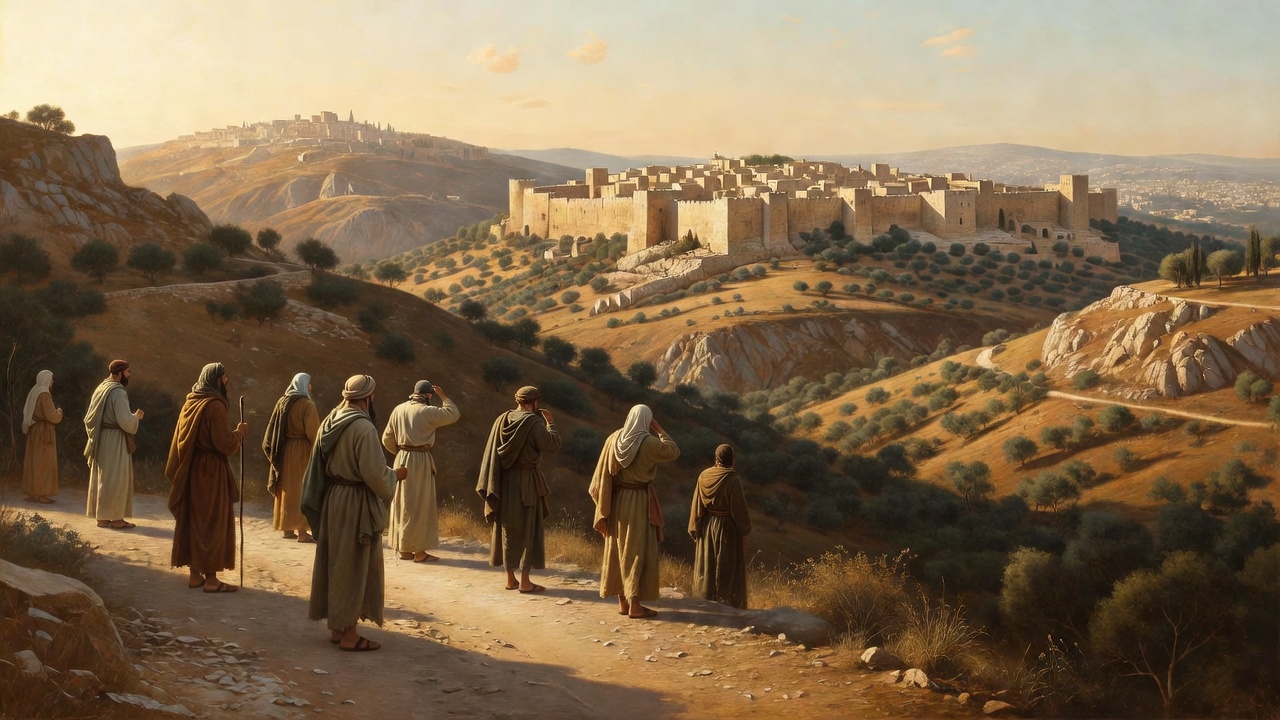
- Psalm 125 is one of the Songs of Ascents, comparing those who trust in God to Mount Zion. Mount Zion was a naturally fortified hill in Jerusalem, surrounded by deep valleys on nearly all sides, making it a fitting symbol of permanence and stability.Sources: the Bible text itself · Mount Zion
- The psalmist draws on local geography by noting how mountains encircle Jerusalem. Built as a mountain fortress among neighboring heights, the city provided an evocative physical illustration of divine protection surrounding the community.Sources: the Bible text itself · Jerusalem
- The psalm concludes with a prayer for peace upon Israel, which resonates with the traditional interpretation of Jerusalem's Hebrew name as a foundation or possession of peace.Sources: the Bible text itself · Jerusalem
Notes written with AI assistance from open sources (Theographic Bible Metadata, CC BY-SA 4.0; Easton’s Bible Dictionary, public domain) and reviewed before publishing.
Places in this chapter
Only places identified with high confidence are shown (90% or more according to the scholarly sources compiled by OpenBible). Period map: DARE (Digital Atlas of the Roman Empire), CC BY 4.0; modern map: © OpenStreetMap contributors; places: OpenBible.info (CC BY 4.0).
Credits and license for this translation
Bibeli Gusunɔn Gari
The Holy Bible in the Baatonum language of Benin, also called the Bariba language
copyright © 2013 SIM
Language: Bariba (Baatonum)
Translation by: SIM International
Bariba, Bibeli Gusunɔn Gari
This translation, published by the UEEB/SIM au Benin, was published in 1996.
If you are interested in obtaining a printed copy, please contact the SIM at SIM, BP 15, Parakou, Benin.
This translation text is made available to you under the
terms of the Creative Commons License: Attribution-Noncommercial-No Derivative Works.
( http://creativecommons.org/licenses/by-nc-nd/3.0/ )
In addition, you have permission to port the text to different file formats, as long as you
do not change any of the text or punctuation of the Bible.
You may share, copy, distribute, transmit, and extract portions
or quotations from this work, provided that you include the above copyright
information:
You must give Attribution to the work.
You do not sell this work for a profit.
You do not make any derivative works that change any of the actual words or punctuation of the Scriptures.
Permissions beyond the scope of this license may be
available if you contact
us with your request.
This translation is made available to you under the terms of the
Creative Commons Attribution-Noncommercial-No Derivatives license 4.0.
You may share and redistribute this Bible translation or extracts from it in any format, provided that:
You include the above copyright and source information.
You do not sell this work for a profit.
You do not change any of the words or punctuation of the Scriptures.
Pictures included with Scriptures and other documents on this site are licensed just for use with those Scriptures and documents.
For other uses, please contact the respective copyright owners.
2014-09-10
Source: http://ebible.org/bba/ · eBible.org