Números 1
Bibeli Gusunɔn Gari · Toque num versículo para ver as referências cruzadas.
Sobre este livro
Sobre Números
- Números é o quarto livro do Pentateuco. Em hebraico chama-se be-midbar, “no deserto”; a Septuaginta grega o chamou Números, nome que continua usual, porque registra um recenseamento no deserto do Sinai e outro, posterior, na planície de Moabe.Fontes: Easton: Numbers, Book of
- O Easton's Bible Dictionary (1897) apresenta Números, como os demais livros do Pentateuco, como escrito por Moisés. A história que contém vai do segundo mês do segundo ano após o Êxodo ao início do décimo primeiro mês do quadragésimo ano, cerca de trinta e oito anos e dez meses.Fontes: Easton: Numbers, Book of
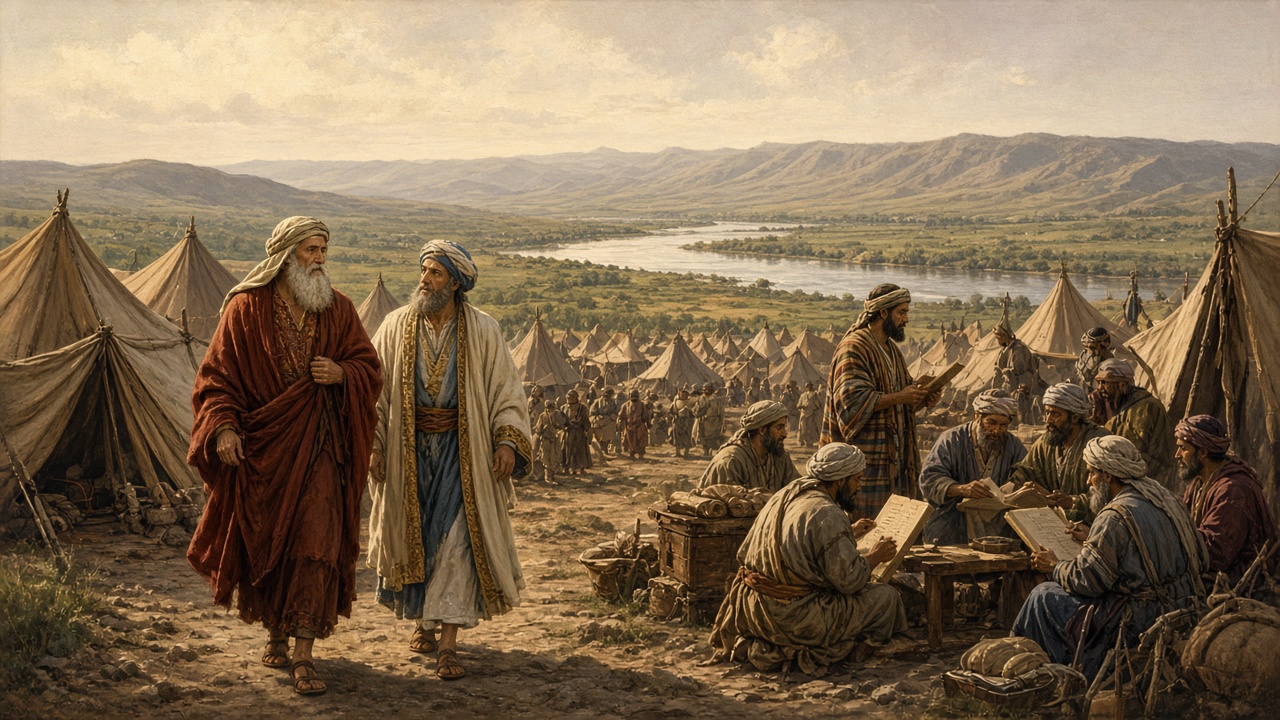
- A narrativa começa no Sinai, a região montanhosa que Israel alcançou no terceiro mês após o Êxodo e onde acampou cerca de um ano, e segue a rota e os acampamentos pelo deserto. Termina nas planícies de Moabe, a leste do Jordão e do mar Morto, defronte de Jericó, o último acampamento antes de entrar em Canaã, o país a oeste do Jordão. Easton descreve esses anos como um tempo de peregrinação em que aquela geração morreu no deserto e observa que o povo era então menos numeroso do que quando saiu do Egito.Fontes: Easton: Numbers, Book of · Sinai · Moab · Canaan
- Easton divide o livro em três partes: o recenseamento no Sinai e os preparativos para retomar a marcha, incluindo o voto de nazireu (1–10:10); a viagem do Sinai a Moabe, o envio dos espias e o relatório que trouxeram, e as murmurações do povo, oito vezes, diante das dificuldades do caminho (10:11–21:20); e os acontecimentos na planície de Moabe antes da travessia do Jordão (21:21–36).Fontes: Easton: Numbers, Book of
- Enquanto Israel estava acampado nas planícies de Moabe, Balaque, filho de Zipor e rei de Moabe, temendo-os, mandou buscar em Petor, na Mesopotâmia, Balaão, filho de Beor, para amaldiçoá-los; a narrativa diz que Balaão não conseguiu fazê-lo. Números 21:14 cita também “o livro das guerras do Senhor”, obra que Easton diz ser incerta, talvez um escrito de Israel hoje perdido ou um registro amorreu das vitórias de seu rei Seom.Fontes: Easton: Numbers, Book of · Balaam · Balak
Notas escritas com auxílio de IA a partir de fontes abertas (Theographic Bible Metadata, CC BY-SA 4.0; Easton’s Bible Dictionary, domínio público) e revisadas antes de publicar.
ISIRELIBA BA WÃA SINAIN GBABURƆ
Bɑ Isirelibɑ ɡɑrɑ
1Ye Isirelibɑ bɑ yɑrimɑ Eɡibitin di, yen wɔ̃ɔ yirusen suru yirusen tɔ̃ɔ ɡbiikiru sɔɔrɑ Yinni Gusunɔ u kɑ Mɔwisi ɡɑri kuɑ win kuu bekuruɡirɔ, ɡbɑbu te bɑ mɔ̀ Sinɑiɔ. 2U nɛɛ, i Isirelibɑn tɔn durɔbu kpuro ɡɑrio, wunɛ kɑ Aroni, yɛnu kɑ yɛnu, bwese kɛrɑ kɑ bwese kɛrɑ, kpɑ i bɑɑwuren yĩsiru yore. 3I bu ɡɑrio be bɑ wɑ̃ɑ tɑbu wuunu sɔɔ, sɑɑ be bɑ wɔ̃ɔ yɛndu mɔn di sere kɑ be bɑ kere mɛ, be bɑ koo kpĩ bu tɑbu ko. 4Bwese kɛrɑ bɑɑyeren ɡuro ɡurowɑ u koo bɛɛ somi. 5Be bɑ koo bɛɛ somi mi, beyɑ,
Elisuri, Sedeurin bii, Rubɛnin bweseru sɔɔ,
6kɑ Selumiɛli, Surisɑdɑin bii, Simɛɔn bweseru sɔɔ,
7kɑ Nɑsoni, Aminɑdɑbun bii, Yudɑn bweseru sɔɔ,
8kɑ Nɛtɑnɛɛli, Suɑrin bii, Isɑkɑrin bweseru sɔɔ,
9kɑ Eliɑbu, Helonin bii, Sɑbulonin bweseru sɔɔ,
10kɑ Elisɑmɑ, Amihudun bii, Efɑrɑimu, Yosɛfun biin bweseru sɔɔ,
kɑ Gɑmuliɛli, Pedɑsurin bii, Mɑnɑse, Yosɛfun bii turo ɡoon bweseru sɔɔ,
11kɑ Abidɑni, Gideonin bii, Bɛnyɑmɛɛn bweseru sɔɔ,
12kɑ Akiesɛɛ, Amisɑdɑin bii, Dɑnun bweseru sɔɔ,
13kɑ Pɑɡiɛli, Okirɑnin bii, Asɛɛn bweseru sɔɔ,
14kɑ Eliɑsɑfu, Dewɛlin bii, Gɑdin bweseru sɔɔ,
15kɑ sere Ahirɑ, Enɑnin bii, Nɛfitɑlin bweseru sɔɔ.
16Guro ɡuro be bɑ ɡɔsɑ mi, bɑ sɑ̃ɑwɑ Isirelibɑn tɑbu sinɑmbu. 17Mɑ Mɔwisi kɑ Aroni bɑ tɔmbu wɔkurɑ yiru ye suɑ bèn yĩsinu bɑ siɑ mi. 18Mɑ bɑ Isirelibɑ kpuro sokɑ bɑ mɛnnɑ wɔ̃ɔn suru yirusen tɔ̃ɔ ɡbiikiru sɔɔ, mɑ bɑ bu ɡɑrɑ bwese kɛrɑ kɑ bwese kɛrɑ, yɛnu kɑ yɛnu, sɑɑ tɔn durɔ be bɑ wɔ̃ɔ yɛndu mɔn di sere kɑ be bɑ kere mɛ, mɑ bɑ ben yĩsɑ yoruɑ. 19Mɔwisi u bu ɡɑrɑ Sinɑin ɡbɑburɔ nɡe mɛ Yinni Gusunɔ u nùn sɔ̃ɔwɑ.
20Bɑ Isirelibɑn bwese kɛrɑ bɑɑyeren tɔmbu ɡɑrɑ yɛnu kɑ yɛnu. Mɑ bɑ ben yĩsɑ yoruɑ sɑɑ be bɑ wɔ̃ɔ yɛndu mɔn di, be bɑ koo kpĩ bu tɑbu ko. Bɑ ɡɑrim toruɑwɑ kɑ Rubɛni, Yɑkɔbun bii ɡbiikoon bwese kɛrɑ. Tɔn ben ɡeeru wee.
Rubɛnin bweseru sɔɔ, bɑ sɑ̃ɑwɑ tɔmbu nɔrɔbun subɑ weeru kɑ nɔɔbɑ tiɑ kɑ nɛɛrɑ wunɔbu (46.500).
Simɛɔn bweseru sɔɔ, bɑ sɑ̃ɑwɑ tɔmbu nɔrɔbun subɑ weerɑɑkuru kɑ nɔɔbɑ nnɛ kɑ ɡoobɑ wunɔbu (59.300).
Gɑdin bweseru sɔɔ, bɑ sɑ̃ɑwɑ tɔmbu nɔrɔbun subɑ weeru kɑ nɔɔbu kɑ nɑtɑ kɑ weerɑɑkuru (45.650).
Yudɑn bweseru sɔɔ, bɑ sɑ̃ɑwɑ tɔmbu nɔrɔbun subɑ wɑtɑ kɑ wɔkurɑ nnɛ kɑ nɑtɑ (74.600).
Isɑkɑrin bweseru sɔɔ, bɑ sɑ̃ɑwɑ tɔmbu nɔrɔbun subɑ weerɑɑkuru kɑ nnɛ kɑ nɛɛru (54.400).
Sɑbulonin bweseru sɔɔ, bɑ sɑ̃ɑwɑ tɔmbu nɔrɔbun subɑ weerɑɑkuru kɑ nɔɔbɑ yiru kɑ nɛɛru (57.400).
Efɑrɑimu, Yosɛfun biin bweseru sɔɔ, bɑ sɑ̃ɑwɑ tɔmbu nɔrɔbun subɑ weeru kɑ nɛɛrɑ wunɔbu (40.500).
Mɑnɑse, Yosɛfun biin bweseru sɔɔ, bɑ sɑ̃ɑwɑ tɔmbu nɔrɔbun subɑ tɛnɑ kɑ yiru kɑ ɡoobu (32.200).
Bɛnyɑmɛɛn bweseru sɔɔ, bɑ sɑ̃ɑwɑ tɔmbu nɔrɔbun subɑ tɛnɑ kɑ nɔɔbu kɑ nɛɛru (35.400).
Dɑnun bweseru sɔɔ, bɑ sɑ̃ɑwɑ tɔmbu nɔrɔbun subɑ wɑtɑ kɑ yiru kɑ nɑtɑ kɑ wunɔbu (62.700).
Asɛɛn bweseru sɔɔ, bɑ sɑ̃ɑwɑ tɔmbu nɔrɔbun subɑ weeru kɑ tiɑ kɑ nɛɛrɑ wunɔbu (41.500).
Nɛfitɑlin bweseru sɔɔ, bɑ sɑ̃ɑwɑ tɔmbu nɔrɔbun subɑ weerɑɑkuru kɑ itɑ kɑ nɛɛru (53.400).
44Tɔn be Mɔwisi kɑ Aroni kɑ Isirelibɑn ɡuro ɡurobu wɔkurɑ yiru ye, bɑ ɡɑrɑ, ben ɡeerɑ mi. 45Bɑ bu ɡɑrɑwɑ sɑɑ be bɑ wɔ̃ɔ yɛndu mɔn di sere kɑ be bɑ kere mɛ, be bɑ koo kpĩ bu tɑbu ko. 46Be kpuron ɡeerɑ kuɑwɑ tɔmbu nɔrɔbun subɑ nɑtɑ kɑ itɑ kɑ nɛɛrɑ wunɔbu kɑ weerɑɑkuru (603.550).
Lefibɑn bweserun sɔmburu
47Bɑǹ Lefibɑn bweserɔ tɔmbu ɡɑrɑ, 48yèn sɔ̃ Yinni Gusunɔ u rɑɑ Mɔwisi sɔ̃ɔwɑ u nɛɛ, 49Isirelibɑ sɔɔ, ɑ ku Lefibɑn bweserun tɔmbu ɡɑri. 50Kɑɑ de bu nɛ, Yinni Gusunɔn kuu te nɔɔriwɑ kɑ ten dendi yɑ̃nu kɑ ye yɑ wɑ̃ɑ mi kpuro, beyɑ bɑ ko n dɑ ye kpuro sɔbe. Kpɑ bu ben kunu ɡirɑ bu kɑ nɛ, Yinni Gusunɔn kuu te sikerenɑ. 51Isirelibɑ bɑ̀ n seewɑ, Lefibɑrɑ bɑ ko n dɑ kuu te kure. Bɑ̀ n koo mɑɑ ben sɑnsɑni ɡirɑ, bɑ ko n dɑ Yinni Gusunɔn kuu te ɡirewɑ. Tɔn tuko ù n tu bɛsu, bɑ koo nùn ɡowɑ. 52Isireli be bɑ mɑɑ tie, bɑ koo sinɑwɑ ben bwese kɛrɑn wuuru sɔɔ, ben bɑɑwure u yɔ̃rɑ mi ben ɡidi bɔrɑ yɑ ɡire nɡe mɛ bɑ bu bɔnu sɑ̃ɑ. 53Adɑmɑ Lefibɑ bɑ koo ben sɑnsɑni ɡirɑwɑ bu kɑ kuu te sikerenɑ mi woodɑn kpɑkororɑ wɑ̃ɑ. Nɡe mɛyɑ bɑ koo kɑ tu kɔ̃su. Sɑɑ ye sɔɔ, Isirelibɑ bɑǹ mɑɑ wɑsi bu tu susi n sere kɑ bu mɔru ko.
54Mɑ Isirelibɑ bɑ Yinni Gusunɔn woodɑ ye kpuro mɛm nɔɔwɑ mɑm mɑm ye u Mɔwisi wɛ̃ mi.
Nɡe mɛ Isirelibɑ
bɑ koo kɑ sinɑsinɑ ben sɑnsɑniɔ
Você sabia?
O Censo no Deserto do Sinai
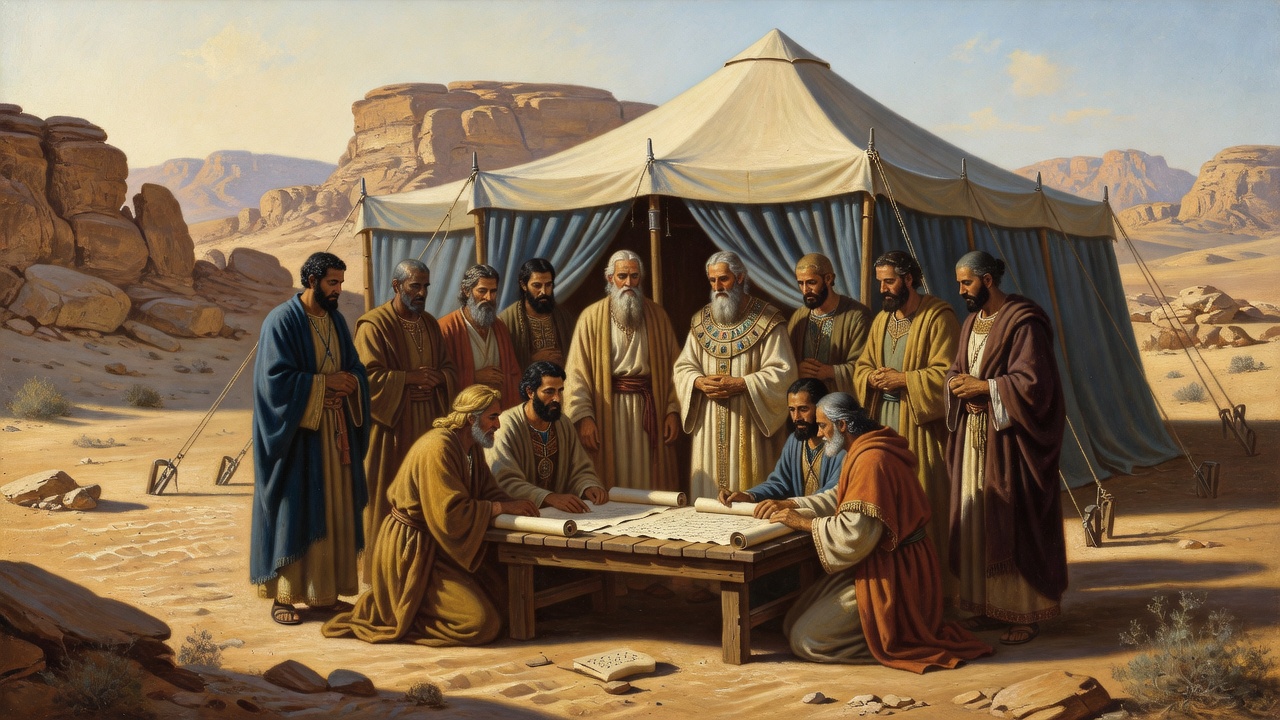
- O censo foi ordenado no Deserto do Sinai no primeiro dia do segundo mês do segundo ano após a saída dos israelitas do Egito. A contagem incluiu todos os homens com vinte anos ou mais aptos para o serviço militar, totalizando 603.550 combatentes.Fontes: o próprio texto bíblico · Sinai
- Moisés e Arão realizaram o registro com a ajuda de doze líderes tribais designados. José foi representado por duas divisões tribais distintas que levavam os nomes de seus filhos, Efraim e Manassés.Fontes: o próprio texto bíblico · Ephraim · Manasseh (son of Joseph)
- A tribo de Levi foi totalmente isenta do recenseamento militar. Em vez disso, os levitas foram encarregados exclusivamente de cuidar, transportar, montar e guardar o tabernáculo do Testemunho e todos os seus utensílios.Fontes: o próprio texto bíblico
Notas escritas com auxílio de IA a partir de fontes abertas (Theographic Bible Metadata, CC BY-SA 4.0; Easton’s Bible Dictionary, domínio público) e revisadas antes de publicar.
Lugares deste capítulo
- Egypt · 30.129, 31.308 · versículo 1
- Wilderness of Sinai · Hoje: about 50 km around Jebel Musa · 28.540, 33.973 · versículos 1, 19
Só aparecem lugares com identificação de alta confiança (90% ou mais segundo as fontes acadêmicas reunidas pelo OpenBible). Mapa da época: DARE (Digital Atlas of the Roman Empire), CC BY 4.0; mapa atual: © colaboradores do OpenStreetMap; lugares: OpenBible.info (CC BY 4.0).
Créditos e licença desta tradução
Bibeli Gusunɔn Gari
The Holy Bible in the Baatonum language of Benin, also called the Bariba language
copyright © 2013 SIM
Language: Bariba (Baatonum)
Translation by: SIM International
Bariba, Bibeli Gusunɔn Gari
This translation, published by the UEEB/SIM au Benin, was published in 1996.
If you are interested in obtaining a printed copy, please contact the SIM at SIM, BP 15, Parakou, Benin.
This translation text is made available to you under the
terms of the Creative Commons License: Attribution-Noncommercial-No Derivative Works.
( http://creativecommons.org/licenses/by-nc-nd/3.0/ )
In addition, you have permission to port the text to different file formats, as long as you
do not change any of the text or punctuation of the Bible.
You may share, copy, distribute, transmit, and extract portions
or quotations from this work, provided that you include the above copyright
information:
You must give Attribution to the work.
You do not sell this work for a profit.
You do not make any derivative works that change any of the actual words or punctuation of the Scriptures.
Permissions beyond the scope of this license may be
available if you contact
us with your request.
This translation is made available to you under the terms of the
Creative Commons Attribution-Noncommercial-No Derivatives license 4.0.
You may share and redistribute this Bible translation or extracts from it in any format, provided that:
You include the above copyright and source information.
You do not sell this work for a profit.
You do not change any of the words or punctuation of the Scriptures.
Pictures included with Scriptures and other documents on this site are licensed just for use with those Scriptures and documents.
For other uses, please contact the respective copyright owners.
2014-09-10
Fonte: http://ebible.org/bba/ · eBible.org