Numbers 1
Bibeli Gusunɔn Gari · Tap a verse to see its cross-references.
About this book
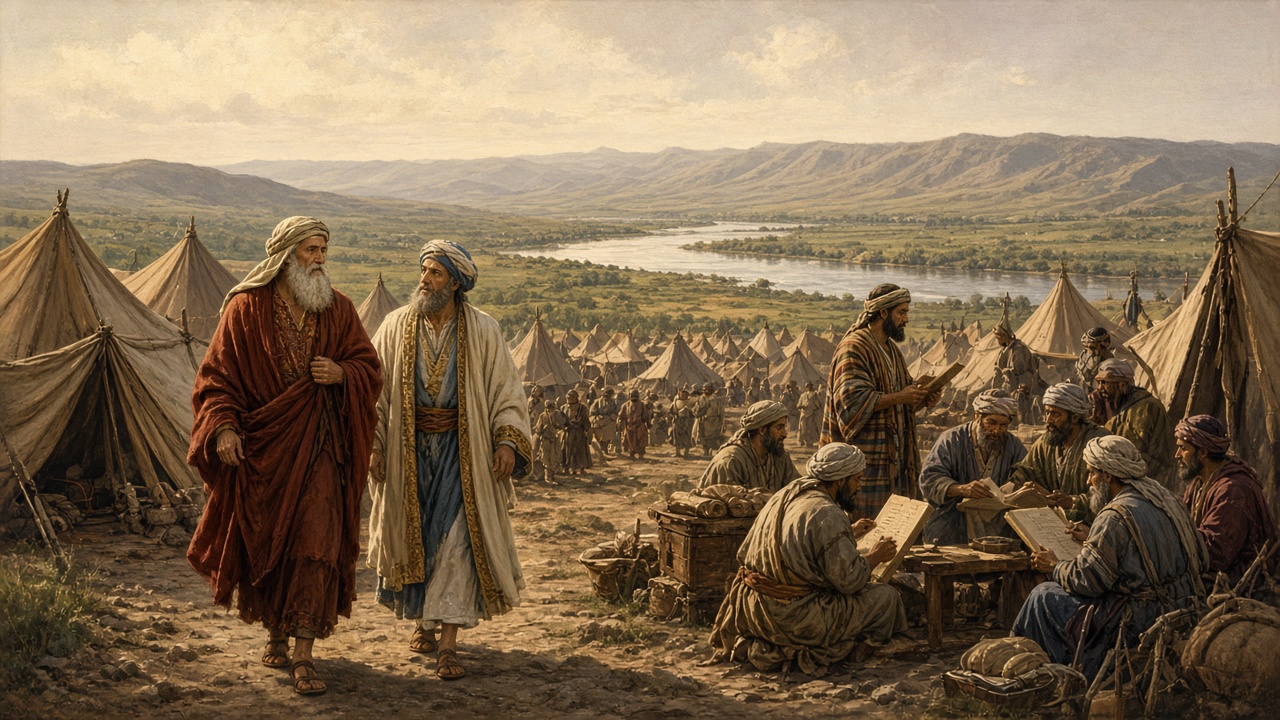
About Numbers
- Numbers is the fourth book of the Pentateuch. In Hebrew it is called be-midbar, “in the wilderness”; the Greek Septuagint called it Numbers, the name still usual, because it records a census in the wilderness of Sinai and a later census on the plain of Moab.Sources: Easton: Numbers, Book of
- Easton's Bible Dictionary (1897) presents Numbers, like the other books of the Pentateuch, as written by Moses. The history it contains runs from the second month of the second year after the Exodus to the beginning of the eleventh month of the fortieth year, about thirty-eight years and ten months.Sources: Easton: Numbers, Book of
- The narrative begins at Sinai, the mountain district Israel reached in the third month after the Exodus and where they camped for about a year, and follows their route and encampments through the wilderness. It ends on the plains of Moab, east of the Jordan and the Dead Sea, opposite Jericho, their last camp before entering Canaan, the country west of the Jordan. Easton describes those years as a time of wandering in which that generation died in the wilderness, and notes that the people were fewer then than when they left Egypt.Sources: Easton: Numbers, Book of · Sinai · Moab · Canaan
- Easton divides the book into three parts: the census at Sinai and preparations to resume the march, including the Nazirite vow (1–10:10); the journey from Sinai to Moab, the sending of the spies and the report they brought back, and the people’s murmurings, eight times, at the hardships of the way (10:11–21:20); and the events on the plain of Moab before the crossing of the Jordan (21:21–36).Sources: Easton: Numbers, Book of
- While Israel was camped on the plains of Moab, Balak, son of Zippor and king of Moab, fearing them, sent to Pethor in Mesopotamia for Balaam, son of Beor, to curse them; the narrative says Balaam was unable to do so. Numbers 21:14 also cites “the book of the wars of the Lord,” a work that Easton says is uncertain, perhaps a lost writing of Israel or an Amorite record of the victories of their king Sihon.Sources: Easton: Numbers, Book of · Balaam · Balak
Notes written with AI assistance from open sources (Theographic Bible Metadata, CC BY-SA 4.0; Easton’s Bible Dictionary, public domain) and reviewed before publishing.
ISIRELIBA BA WÃA SINAIN GBABURƆ
Bɑ Isirelibɑ ɡɑrɑ
1Ye Isirelibɑ bɑ yɑrimɑ Eɡibitin di, yen wɔ̃ɔ yirusen suru yirusen tɔ̃ɔ ɡbiikiru sɔɔrɑ Yinni Gusunɔ u kɑ Mɔwisi ɡɑri kuɑ win kuu bekuruɡirɔ, ɡbɑbu te bɑ mɔ̀ Sinɑiɔ. 2U nɛɛ, i Isirelibɑn tɔn durɔbu kpuro ɡɑrio, wunɛ kɑ Aroni, yɛnu kɑ yɛnu, bwese kɛrɑ kɑ bwese kɛrɑ, kpɑ i bɑɑwuren yĩsiru yore. 3I bu ɡɑrio be bɑ wɑ̃ɑ tɑbu wuunu sɔɔ, sɑɑ be bɑ wɔ̃ɔ yɛndu mɔn di sere kɑ be bɑ kere mɛ, be bɑ koo kpĩ bu tɑbu ko. 4Bwese kɛrɑ bɑɑyeren ɡuro ɡurowɑ u koo bɛɛ somi. 5Be bɑ koo bɛɛ somi mi, beyɑ,
Elisuri, Sedeurin bii, Rubɛnin bweseru sɔɔ,
6kɑ Selumiɛli, Surisɑdɑin bii, Simɛɔn bweseru sɔɔ,
7kɑ Nɑsoni, Aminɑdɑbun bii, Yudɑn bweseru sɔɔ,
8kɑ Nɛtɑnɛɛli, Suɑrin bii, Isɑkɑrin bweseru sɔɔ,
9kɑ Eliɑbu, Helonin bii, Sɑbulonin bweseru sɔɔ,
10kɑ Elisɑmɑ, Amihudun bii, Efɑrɑimu, Yosɛfun biin bweseru sɔɔ,
kɑ Gɑmuliɛli, Pedɑsurin bii, Mɑnɑse, Yosɛfun bii turo ɡoon bweseru sɔɔ,
11kɑ Abidɑni, Gideonin bii, Bɛnyɑmɛɛn bweseru sɔɔ,
12kɑ Akiesɛɛ, Amisɑdɑin bii, Dɑnun bweseru sɔɔ,
13kɑ Pɑɡiɛli, Okirɑnin bii, Asɛɛn bweseru sɔɔ,
14kɑ Eliɑsɑfu, Dewɛlin bii, Gɑdin bweseru sɔɔ,
15kɑ sere Ahirɑ, Enɑnin bii, Nɛfitɑlin bweseru sɔɔ.
16Guro ɡuro be bɑ ɡɔsɑ mi, bɑ sɑ̃ɑwɑ Isirelibɑn tɑbu sinɑmbu. 17Mɑ Mɔwisi kɑ Aroni bɑ tɔmbu wɔkurɑ yiru ye suɑ bèn yĩsinu bɑ siɑ mi. 18Mɑ bɑ Isirelibɑ kpuro sokɑ bɑ mɛnnɑ wɔ̃ɔn suru yirusen tɔ̃ɔ ɡbiikiru sɔɔ, mɑ bɑ bu ɡɑrɑ bwese kɛrɑ kɑ bwese kɛrɑ, yɛnu kɑ yɛnu, sɑɑ tɔn durɔ be bɑ wɔ̃ɔ yɛndu mɔn di sere kɑ be bɑ kere mɛ, mɑ bɑ ben yĩsɑ yoruɑ. 19Mɔwisi u bu ɡɑrɑ Sinɑin ɡbɑburɔ nɡe mɛ Yinni Gusunɔ u nùn sɔ̃ɔwɑ.
20Bɑ Isirelibɑn bwese kɛrɑ bɑɑyeren tɔmbu ɡɑrɑ yɛnu kɑ yɛnu. Mɑ bɑ ben yĩsɑ yoruɑ sɑɑ be bɑ wɔ̃ɔ yɛndu mɔn di, be bɑ koo kpĩ bu tɑbu ko. Bɑ ɡɑrim toruɑwɑ kɑ Rubɛni, Yɑkɔbun bii ɡbiikoon bwese kɛrɑ. Tɔn ben ɡeeru wee.
Rubɛnin bweseru sɔɔ, bɑ sɑ̃ɑwɑ tɔmbu nɔrɔbun subɑ weeru kɑ nɔɔbɑ tiɑ kɑ nɛɛrɑ wunɔbu (46.500).
Simɛɔn bweseru sɔɔ, bɑ sɑ̃ɑwɑ tɔmbu nɔrɔbun subɑ weerɑɑkuru kɑ nɔɔbɑ nnɛ kɑ ɡoobɑ wunɔbu (59.300).
Gɑdin bweseru sɔɔ, bɑ sɑ̃ɑwɑ tɔmbu nɔrɔbun subɑ weeru kɑ nɔɔbu kɑ nɑtɑ kɑ weerɑɑkuru (45.650).
Yudɑn bweseru sɔɔ, bɑ sɑ̃ɑwɑ tɔmbu nɔrɔbun subɑ wɑtɑ kɑ wɔkurɑ nnɛ kɑ nɑtɑ (74.600).
Isɑkɑrin bweseru sɔɔ, bɑ sɑ̃ɑwɑ tɔmbu nɔrɔbun subɑ weerɑɑkuru kɑ nnɛ kɑ nɛɛru (54.400).
Sɑbulonin bweseru sɔɔ, bɑ sɑ̃ɑwɑ tɔmbu nɔrɔbun subɑ weerɑɑkuru kɑ nɔɔbɑ yiru kɑ nɛɛru (57.400).
Efɑrɑimu, Yosɛfun biin bweseru sɔɔ, bɑ sɑ̃ɑwɑ tɔmbu nɔrɔbun subɑ weeru kɑ nɛɛrɑ wunɔbu (40.500).
Mɑnɑse, Yosɛfun biin bweseru sɔɔ, bɑ sɑ̃ɑwɑ tɔmbu nɔrɔbun subɑ tɛnɑ kɑ yiru kɑ ɡoobu (32.200).
Bɛnyɑmɛɛn bweseru sɔɔ, bɑ sɑ̃ɑwɑ tɔmbu nɔrɔbun subɑ tɛnɑ kɑ nɔɔbu kɑ nɛɛru (35.400).
Dɑnun bweseru sɔɔ, bɑ sɑ̃ɑwɑ tɔmbu nɔrɔbun subɑ wɑtɑ kɑ yiru kɑ nɑtɑ kɑ wunɔbu (62.700).
Asɛɛn bweseru sɔɔ, bɑ sɑ̃ɑwɑ tɔmbu nɔrɔbun subɑ weeru kɑ tiɑ kɑ nɛɛrɑ wunɔbu (41.500).
Nɛfitɑlin bweseru sɔɔ, bɑ sɑ̃ɑwɑ tɔmbu nɔrɔbun subɑ weerɑɑkuru kɑ itɑ kɑ nɛɛru (53.400).
44Tɔn be Mɔwisi kɑ Aroni kɑ Isirelibɑn ɡuro ɡurobu wɔkurɑ yiru ye, bɑ ɡɑrɑ, ben ɡeerɑ mi. 45Bɑ bu ɡɑrɑwɑ sɑɑ be bɑ wɔ̃ɔ yɛndu mɔn di sere kɑ be bɑ kere mɛ, be bɑ koo kpĩ bu tɑbu ko. 46Be kpuron ɡeerɑ kuɑwɑ tɔmbu nɔrɔbun subɑ nɑtɑ kɑ itɑ kɑ nɛɛrɑ wunɔbu kɑ weerɑɑkuru (603.550).
Lefibɑn bweserun sɔmburu
47Bɑǹ Lefibɑn bweserɔ tɔmbu ɡɑrɑ, 48yèn sɔ̃ Yinni Gusunɔ u rɑɑ Mɔwisi sɔ̃ɔwɑ u nɛɛ, 49Isirelibɑ sɔɔ, ɑ ku Lefibɑn bweserun tɔmbu ɡɑri. 50Kɑɑ de bu nɛ, Yinni Gusunɔn kuu te nɔɔriwɑ kɑ ten dendi yɑ̃nu kɑ ye yɑ wɑ̃ɑ mi kpuro, beyɑ bɑ ko n dɑ ye kpuro sɔbe. Kpɑ bu ben kunu ɡirɑ bu kɑ nɛ, Yinni Gusunɔn kuu te sikerenɑ. 51Isirelibɑ bɑ̀ n seewɑ, Lefibɑrɑ bɑ ko n dɑ kuu te kure. Bɑ̀ n koo mɑɑ ben sɑnsɑni ɡirɑ, bɑ ko n dɑ Yinni Gusunɔn kuu te ɡirewɑ. Tɔn tuko ù n tu bɛsu, bɑ koo nùn ɡowɑ. 52Isireli be bɑ mɑɑ tie, bɑ koo sinɑwɑ ben bwese kɛrɑn wuuru sɔɔ, ben bɑɑwure u yɔ̃rɑ mi ben ɡidi bɔrɑ yɑ ɡire nɡe mɛ bɑ bu bɔnu sɑ̃ɑ. 53Adɑmɑ Lefibɑ bɑ koo ben sɑnsɑni ɡirɑwɑ bu kɑ kuu te sikerenɑ mi woodɑn kpɑkororɑ wɑ̃ɑ. Nɡe mɛyɑ bɑ koo kɑ tu kɔ̃su. Sɑɑ ye sɔɔ, Isirelibɑ bɑǹ mɑɑ wɑsi bu tu susi n sere kɑ bu mɔru ko.
54Mɑ Isirelibɑ bɑ Yinni Gusunɔn woodɑ ye kpuro mɛm nɔɔwɑ mɑm mɑm ye u Mɔwisi wɛ̃ mi.
Nɡe mɛ Isirelibɑ
bɑ koo kɑ sinɑsinɑ ben sɑnsɑniɔ
Did you know?
The Census in the Wilderness of Sinai
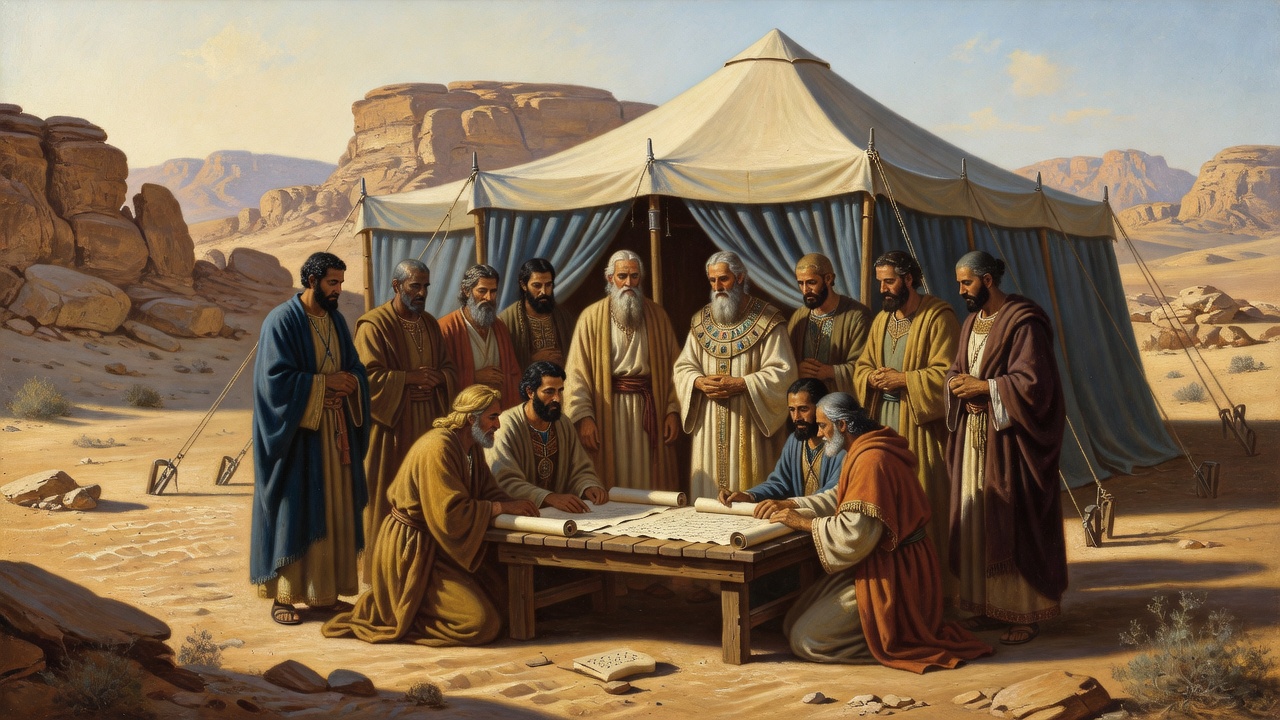
- The census was ordered in the Wilderness of Sinai on the first day of the second month in the second year after the Israelites departed Egypt. It counted every male aged twenty or older who was able to serve in the army, arriving at a total of 603,550 fighting men.Sources: the Bible text itself · Sinai
- Moses and Aaron conducted the registration alongside twelve appointed tribal leaders. Joseph was represented as two distinct tribal divisions named after his sons, Ephraim and Manasseh.Sources: the Bible text itself · Ephraim · Manasseh (son of Joseph)
- The tribe of Levi was entirely exempted from the military count. Instead, the Levites were assigned exclusively to care for, transport, assemble, and guard the tabernacle of the Testimony and its furnishings.Sources: the Bible text itself
Notes written with AI assistance from open sources (Theographic Bible Metadata, CC BY-SA 4.0; Easton’s Bible Dictionary, public domain) and reviewed before publishing.
Places in this chapter
- Egypt · 30.129, 31.308 · verse 1
- Wilderness of Sinai · Today: about 50 km around Jebel Musa · 28.540, 33.973 · verses 1, 19
Only places identified with high confidence are shown (90% or more according to the scholarly sources compiled by OpenBible). Period map: DARE (Digital Atlas of the Roman Empire), CC BY 4.0; modern map: © OpenStreetMap contributors; places: OpenBible.info (CC BY 4.0).
Credits and license for this translation
Bibeli Gusunɔn Gari
The Holy Bible in the Baatonum language of Benin, also called the Bariba language
copyright © 2013 SIM
Language: Bariba (Baatonum)
Translation by: SIM International
Bariba, Bibeli Gusunɔn Gari
This translation, published by the UEEB/SIM au Benin, was published in 1996.
If you are interested in obtaining a printed copy, please contact the SIM at SIM, BP 15, Parakou, Benin.
This translation text is made available to you under the
terms of the Creative Commons License: Attribution-Noncommercial-No Derivative Works.
( http://creativecommons.org/licenses/by-nc-nd/3.0/ )
In addition, you have permission to port the text to different file formats, as long as you
do not change any of the text or punctuation of the Bible.
You may share, copy, distribute, transmit, and extract portions
or quotations from this work, provided that you include the above copyright
information:
You must give Attribution to the work.
You do not sell this work for a profit.
You do not make any derivative works that change any of the actual words or punctuation of the Scriptures.
Permissions beyond the scope of this license may be
available if you contact
us with your request.
This translation is made available to you under the terms of the
Creative Commons Attribution-Noncommercial-No Derivatives license 4.0.
You may share and redistribute this Bible translation or extracts from it in any format, provided that:
You include the above copyright and source information.
You do not sell this work for a profit.
You do not change any of the words or punctuation of the Scriptures.
Pictures included with Scriptures and other documents on this site are licensed just for use with those Scriptures and documents.
For other uses, please contact the respective copyright owners.
2014-09-10
Source: http://ebible.org/bba/ · eBible.org