Gênesis 14
Awara Baibel · Toque num versículo para ver as referências cruzadas.
Abramdä Lot gatängämikut
1Täpduxu uwomune kingu malä nanä täpäyaläxät täpäyaläxätdä amäk äminä päpä, Kenan apä, amgin. Elamde king Kedorlaomer, Babiloniale king Amrapel, Elasarde king Ariok, äwä Goimde king Tidal, yanggä apä, kingu Kenan nanäxät amgin. 2Kingu Kenan nanä using: Sodomde king Bera, Gomorale king Birsa, Atmale king Sinab, Seboimde king Semeber, äwä Belale king. Bela äpmanu Soar yang inikaying. 3Kenande kingu uläkwäxu amäk äminä päke, Sidim Kupi kukin, Sol Yanggä Gwende kwayimune.
4Using tupä Kenan nanä Kedolaomerde gepbine yiwixawä, krismasu 12 apuxuwän, krismasu 13 täpäne mähe natäke, wamnä donggwälamikin. 5Ile tiwän krismasu 14 täpäne Kedolaomerxät king notnäxät amäk äminä päpä, Astoret Karnaim apu Repa nanä sipmäke, Ham apu Sus nanä sipmäke, Sawe Kiriataim apu Em nanä sipmäke, 6Seir täwal däkändäkäne apu Hor nanä sipmäke, Elparan nanä apu sipgin. Elparanu kepdän däkäle inälängändän. 7Unetä täpä täkwämbän, Enmispat, äpmanu Kades yang inikayingune ku, Amalek nanä sipmäke, kepnä unda päke, Amori nanä Hasason Tamar yiwäxakinkäyä sipmäke, kepnä unda päkin.
8Unin sipä, kingu Sodom nanä, Gomora nanä, Atma nanä, Seboim nanä äwä Bela nanä yanggä amäk äminä päpä, Sidim kupine päku ämningge tändäkngakin. 9Elamde King Kedolaomer, Babiloniale King Amrapel, Elasarde King Ariok, äwä Goimde king Tidal, yanggä apä, ixät amgin. Amäk äminu 4 täkwäkgänetä apä, amäk äminu 5 täkwäkgänexät amgin.
10Sidim Kupi Gwenune, gänangä däkändäkä koltatäne käyä. Tiwän amänggawä täke doliwän, Sodomde amäk äminäxät Gomorale amäk äminäxät andatäkuningge tahake, notnä kolta gäpmane päpu sipän, notnä täwal däkändäkäne datäkukin. 11Datäkuwä iwalnätä päku, Sodomdäne Gomoratäne yang hängälapänä nakngä yang päkin. 12Tixawän Abramde notnäle wawaxu Lot Sodom yiwäxakutde, amäk ämindä hängä täpänä Lot yang päke kukin.
13Tiwänä äminu andatäkukinu täpätutä apu, Abram Hibru uläpä inikut. Äminu Amor nanä täpätu umanä Mamre, panä takwän däkändäkä käyä. Tiwän Abrahamu pa undäkändäkäle kwayimune yiwixakut. Eskol, Aner yangu Mamrele epänepän notnä. Tupä Abram, Mamre, Eskol, Aner yang gatäkgatäk tahaningge wamu aläkakut. 14Abramu wawakngä täkinde natäke, amäk äminä Abramde yolune alakinu 318 ämin yangyäwämbän, päku iwalnä yäwatäke kuhika, Dan yot gäpangune kukin. 15Kupiläne Abramdä amäk äminä uhike pewän, iwälnä sipä datäkuxawä, yäwatäke kuhika, Hoba kukin, Damaskusde not käwutkätan. 16Kuke hängäläpä iwalnätä päkinu, wawakngä Lot, Lotdäne hängäläpä äwä wäwi mängälä yang päkapgin.
Melkisedekgä Abramu wam gwaläng inikut
17Abramdä King Kedolaomerxät king notnäxät sipmäke, hipdunä Sawe Kupi bä Kingge Kupi yang inikayingune apuxawän, Sodomde kingu Abramkät yiwik yähimäläkge apgut.
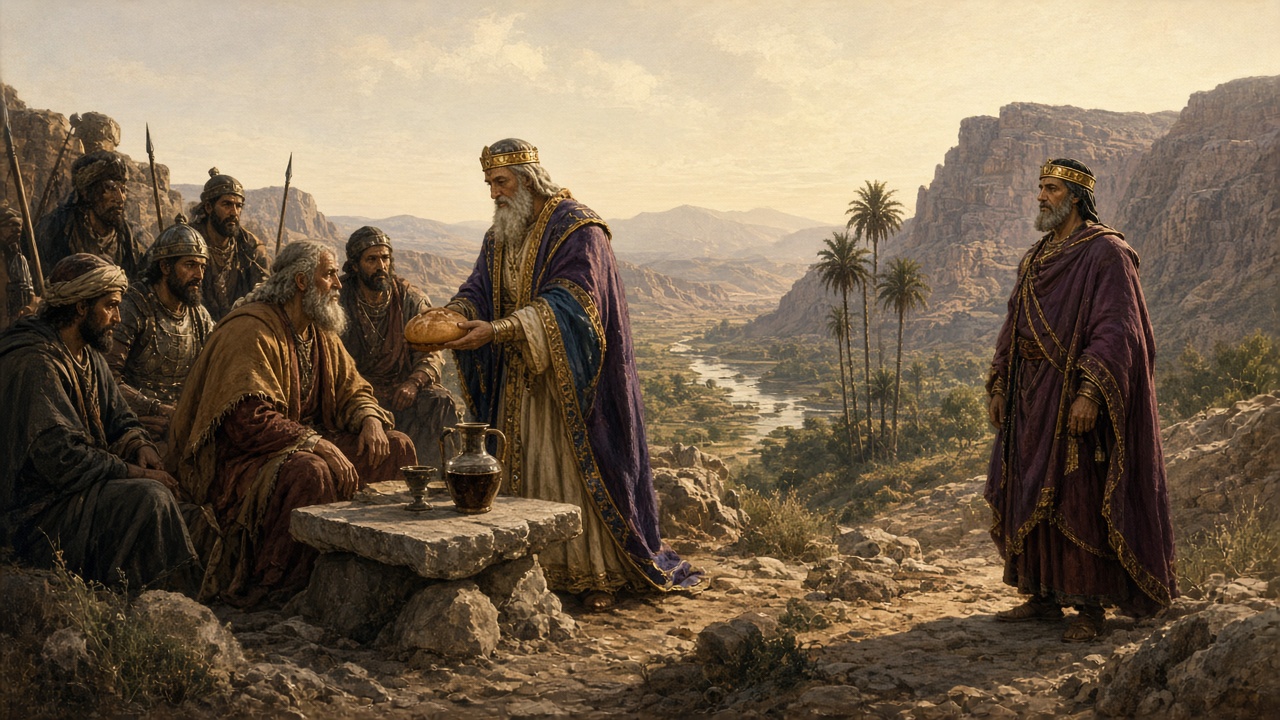
18Tiwänä Melkisedexu Salemde kingkäyä Abramde apgut. Täkapu bretkät wainkät imikut. Melkisedexu Anätu Enetängä Nanä Täpäle prisde yiwikut. 19Itä apu wam gwalängu using imikut. “Abram, Anätu Enetängä Nanä kepkät yekäpkät pahakut täpätä, gäle bänip kwikwixu äpme gamik. 20Tiwän Anätu Enetängä Nanä Täpäle uman yatängenatnim, inale itä iwalda kätakgane pewän sipguläk,” yang inikut. Iniwän Abramdä hängäläpä upuke, 9-u inäle pexäwik, 1-u Melkisedekge imikut.
21Tiwänä Sodomde kingu Beratä Abramu using inikut. “Hängä täpä gikale pexäwik, äminakän namiyo,” yang inikut.
22Tiwändeyä Abramdä using inikut. “Kätaknga tängenake, Yawe, Anätu Enetängä Nanä, kepkät yekäpkät pahakut täpäle umande wamu hiyäkän hikngä yänggat. 23Hängä täpätu gätäne dohikngä täpit. Täwikge tret bä bälängyayikge kätak yangu mätekngä. Tiwändeyä dowäpit. Using päpitnä, gätä ‘Nätä tahawa, Abramu hängänämbamgän tikin,’ yang yeyä. 24Hängä täpätu ninale doläpit. Tike hängä amäk äminatä anayingu unin. Tike Aner, Eskol, Mamre yangu näxat kukumäng. Ge hängä mätekngä itäkän päning,” yang inikut.
Você sabia?
A campanha dos quatro reis
- O Dicionário Bíblico de Easton (1897) identifica os quatro reis invasores com nomes de inscrições antigas: Quedorlaomer com Khudur-Lagamar, de Elão; Anrafel com Khammu-rabi, de Sinar (Caldeia meridional); Arioque, rei de Elasar, com Eri-Aku, de Larsa; e Tidal com Tudkhula. Explica Eri-Aku como um nome elamita que significa “servo do deus da lua”, depois alterado para Rimsin, e entende Goim — “nações” — como Gutium, a leste do Tigre e ao norte de Elão.Fontes: Chedorlaomer · Amraphel · Arioch (king of Ellasar) · Tidal
- Os cinco reis locais se posicionaram para a batalha no vale de Sidim, que este capítulo identifica com o mar Salgado, e o vale estava cheio de poços de piche, nos quais caíram alguns dos homens que fugiam. O Dicionário Bíblico de Easton situa esse vale na extremidade sul do mar Morto, entre Engedi e as cidades da planície, e chama esses poços de poços de betume.Fontes: o próprio texto bíblico · Vale of Siddim
- Abrão morava perto dos carvalhos de Manre, o amorreu, irmão de Escol e de Aner, e os três estavam ligados a ele por um tratado. O Dicionário Bíblico de Easton chama Manre e Escol de chefes amorreus e Aner de chefe cananeu, e observa que eles acompanharam Abrão na perseguição a Quedorlaomer e na recuperação de Ló.Fontes: o próprio texto bíblico · Mamre · Eshcol · Aner
Notas escritas com auxílio de IA a partir de fontes abertas (Theographic Bible Metadata, CC BY-SA 4.0; Easton’s Bible Dictionary, domínio público) e revisadas antes de publicar.
Lugares deste capítulo
- Elam · 32.189, 48.258 · versículos 1, 9
- Shinar · Hoje: Babylonia · 32.543, 44.422 · versículos 1, 9
- Salt Sea · Hoje: Dead Sea · 31.500, 35.500 · versículo 3
- Shaveh-kiriathaim · Hoje: within 1 km of Al Qurayyat · 31.541, 35.686 · versículo 5
- Dan · Hoje: Tel Dan · 33.249, 35.652 · versículo 14
- Damascus · 33.511, 36.306 · versículo 15
- Valley of Shaveh · Hoje: intersection of Kidron Valley and Valley of Hinnom · 31.767, 35.236 · versículo 17
- Salem · Hoje: Jerusalem · 31.777, 35.234 · versículo 18
Só aparecem lugares com identificação de alta confiança (90% ou mais segundo as fontes acadêmicas reunidas pelo OpenBible). Mapa da época: DARE (Digital Atlas of the Roman Empire), CC BY 4.0; mapa atual: © colaboradores do OpenStreetMap; lugares: OpenBible.info (CC BY 4.0).
Créditos e licença desta tradução
Awara Baibel
Genesis, Ruth, and Jonah in the Awara Language of Papua New Guinea
Buk Stat, Rut, na Jona long tokples Awara long Niugini
copyright © 2011 Wycliffe Bible Translators, Inc.
Language: Awara
Translation by: Wycliffe Bible Translators
This translation is made available to you under the terms of the
Creative Commons Attribution-Noncommercial-No Derivatives license 4.0.
You may share and redistribute this Bible translation or extracts from it in any format, provided that:
You include the above copyright and source information.
You do not sell this work for a profit.
You do not change any of the words or punctuation of the Scriptures.
Pictures included with Scriptures and other documents on this site are licensed just for use with those Scriptures and documents.
For other uses, please contact the respective copyright owners.
2025-04-26
Fonte: http://png.bible/awx/ · eBible.org