Isaías 50
Buk Baibel long Anuki · Toque num versículo para ver as referências cruzadas.
Yawe God yana tamariyana kabikabisisirina
4Yawe God iviyevevegu da metagha anisisiya,
da tagu wawaya amameyanidi anawonawiitoratoradi.
Didibara patepatena na yakasiwiimatakigu,
bi tainagu yakimobubu
da awaki iniyevevegu na anawaiyanedi ware giruma ededa.
5Yawe God tainagu ikimobubu
na geayiaviyeni bo ayamiiri kubutenina.
6Tagu kubukiigu avereyana da wawaya sirouvi,
bi nawanawagu avereyana da kagu mudukoro sitayinaraguragu.
Bi raghanina siyiinamayegu da siyakanukanugu,
na mayiyigu geayikowoyina.
7Bi gegha da Yawe God iviwiitegu
na gesinakitayowoyeguna.
Noko biidi tagu iitepatora,
bi akovi da yagu kabikwarakwara sinimayagha geinavereguna.
8God na ririguve bi iwonayaragha
da tagu getana awaki ayabera berona.
Iiyabo teya kanikawakereyana?
Piika, tani sisiya patapata.
Iiyabo yiwawugu?
Touna iyamiiririya da yana wiiwawu iyawonegu.
9Kita, Yawe God na yagu nawae da yiwiitegu;
Iiyabo inawona da tagu bera berona abera?
Kagu wiiwawu wawayidi tupadi na sinamomogha
ware gara katamanidi beba sakamna naboni.
Você sabia?
O Servo Obediente e a Vindicação Divina
- Nos costumes jurídicos do antigo Oriente Próximo, o marido emitia uma certidão de divórcio para formalizar a separação, e devedores empobrecidos podiam entregar seus filhos à servidão. Em Isaías 50:1, Deus utiliza essas metáforas legais para demonstrar que Israel não foi abandonado por causa de uma dívida divina ou cancelamento definitivo da aliança, mas sim por causa de suas próprias transgressões.Fontes: o próprio texto bíblico
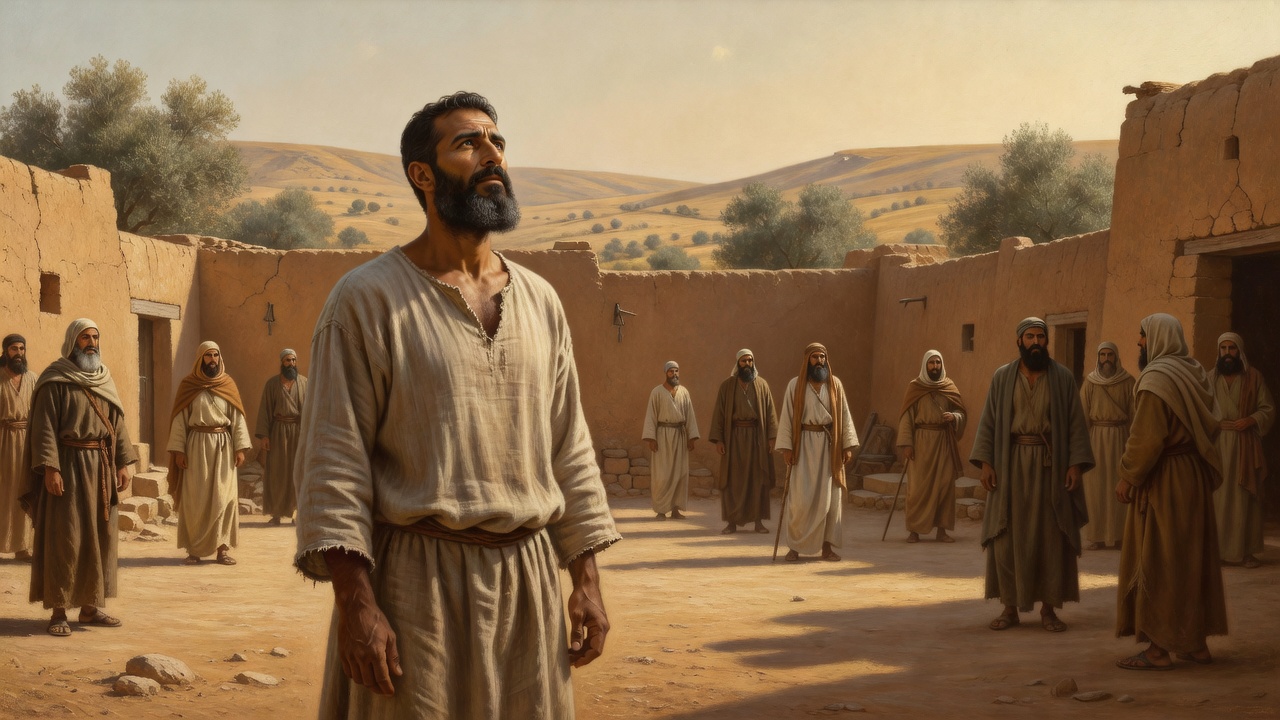
- O interlocutor em Isaías 50:4–7 retrata a postura de um discípulo atento que suporta voluntariamente maus-tratos físicos, incluindo açoites, o arrancamento da barba e cusparadas. Pôr o rosto 'como um seixo' ou pederneira é uma expressão que denota determinação inabalável e confiança incondicional em Deus perante a vergonha pública e a hostilidade.Fontes: o próprio texto bíblico
Notas escritas com auxílio de IA a partir de fontes abertas (Theographic Bible Metadata, CC BY-SA 4.0; Easton’s Bible Dictionary, domínio público) e revisadas antes de publicar.
Créditos e licença desta tradução
Buk Baibel long Anuki
Portions of the Holy Bible in the Anuki language of Papua New Guinea
Buk Baibel long tokples Anuki long Niugini
copyright © 2010-2016 Wycliffe Bible Translators, Inc.
Language: Anuki
Translation by: Wycliffe Bible Translators
This translation is made available to you under the terms of the
Creative Commons Attribution-Noncommercial-No Derivatives license 4.0.
You may share and redistribute this Bible translation or extracts from it in any format, provided that:
You include the above copyright and source information.
You do not sell this work for a profit.
You do not change any of the words or punctuation of the Scriptures.
Pictures included with Scriptures and other documents on this site are licensed just for use with those Scriptures and documents.
For other uses, please contact the respective copyright owners.
2014-06-02
Fonte: http://png.bible/aui/ · eBible.org