Isaías 50
Buk Baibel long Anuki · Toca un versículo para ver sus referencias cruzadas.
Yawe God yana tamariyana kabikabisisirina
4Yawe God iviyevevegu da metagha anisisiya,
da tagu wawaya amameyanidi anawonawiitoratoradi.
Didibara patepatena na yakasiwiimatakigu,
bi tainagu yakimobubu
da awaki iniyevevegu na anawaiyanedi ware giruma ededa.
5Yawe God tainagu ikimobubu
na geayiaviyeni bo ayamiiri kubutenina.
6Tagu kubukiigu avereyana da wawaya sirouvi,
bi nawanawagu avereyana da kagu mudukoro sitayinaraguragu.
Bi raghanina siyiinamayegu da siyakanukanugu,
na mayiyigu geayikowoyina.
7Bi gegha da Yawe God iviwiitegu
na gesinakitayowoyeguna.
Noko biidi tagu iitepatora,
bi akovi da yagu kabikwarakwara sinimayagha geinavereguna.
8God na ririguve bi iwonayaragha
da tagu getana awaki ayabera berona.
Iiyabo teya kanikawakereyana?
Piika, tani sisiya patapata.
Iiyabo yiwawugu?
Touna iyamiiririya da yana wiiwawu iyawonegu.
9Kita, Yawe God na yagu nawae da yiwiitegu;
Iiyabo inawona da tagu bera berona abera?
Kagu wiiwawu wawayidi tupadi na sinamomogha
ware gara katamanidi beba sakamna naboni.
¿Sabías que…?
El Siervo Obediente y la Reivindicación Divina
- En las costumbres legales del antiguo Cercano Oriente, el esposo emitía una carta de divorcio para formalizar la separación, y los deudores empobrecidos podían entregar a sus hijos en servidumbre. En Isaías 50:1, Dios utiliza estas metáforas jurídicas para demostrar que Israel no fue abandonado por una deuda divina ni por una anulación permanente del pacto, sino a causa de sus propias transgresiones.Fuentes: el propio texto bíblico
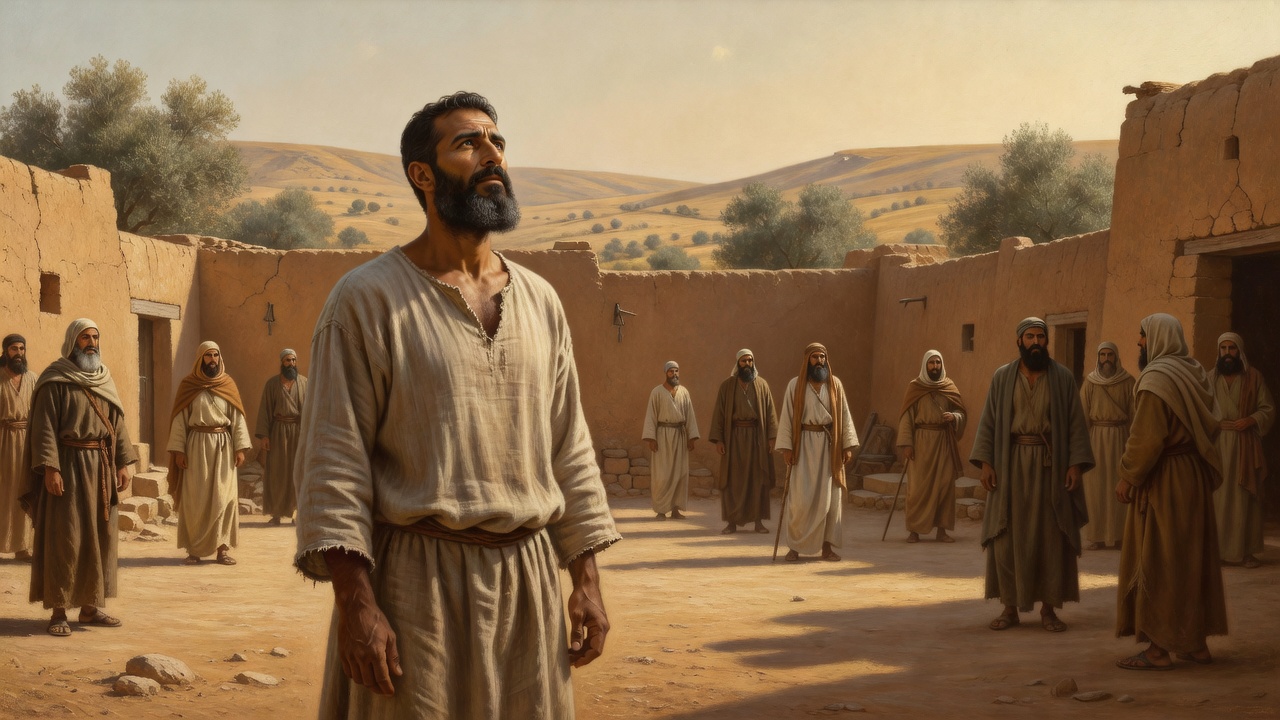
- El orador en Isaías 50:4–7 describe la actitud de un discípulo atento que soporta voluntariamente maltratos físicos, incluidos golpes, el arrancamiento de su barba y escupitajos. Poner el rostro 'como el pedernal' es una expresión vívida que denota una determinación inquebrantable y una firme confianza en Dios frente a la vergüenza pública y la hostilidad.Fuentes: el propio texto bíblico
Notas escritas con ayuda de IA a partir de fuentes abiertas (Theographic Bible Metadata, CC BY-SA 4.0; Easton’s Bible Dictionary, dominio público) y revisadas antes de publicarse.
Créditos y licencia de esta traducción
Buk Baibel long Anuki
Portions of the Holy Bible in the Anuki language of Papua New Guinea
Buk Baibel long tokples Anuki long Niugini
copyright © 2010-2016 Wycliffe Bible Translators, Inc.
Language: Anuki
Translation by: Wycliffe Bible Translators
This translation is made available to you under the terms of the
Creative Commons Attribution-Noncommercial-No Derivatives license 4.0.
You may share and redistribute this Bible translation or extracts from it in any format, provided that:
You include the above copyright and source information.
You do not sell this work for a profit.
You do not change any of the words or punctuation of the Scriptures.
Pictures included with Scriptures and other documents on this site are licensed just for use with those Scriptures and documents.
For other uses, please contact the respective copyright owners.
2014-06-02
Fuente: http://png.bible/aui/ · eBible.org