1 Tessalonicenses 4
Autaahaatɨhomɨ Pɨwɨha Gaaha Wanɨha · Toque num versículo para ver as referências cruzadas.
Porɨho Kɨraisihomɨ Isɨhiya Tesaronaikaahiyai Itatamanɨnɨwɨ Tɨtɨhɨ Bimaawɨse Undataase
1Iyataatɨ nyamataiwɨ Kɨraisihopɨ gɨwunyaahohiyɨhiyaatɨ naisɨhiyaate, jɨhura nyahɨ sangi aimɨ nahatewa Autaahaatɨho maaritirɨhɨretɨ japepihɨrɨwɨ kaitaatɨwɨhaiwaapɨ kasato. Aihɨ sahɨ aimɨ japepihɨrɨwɨ katɨ kiyawaayopo. Aihɨ wanɨsangi Jisaasihomɨ watɨpɨhanda biyaatɨ kasatɨhaatonɨ saiwɨ waatɨ baiwɨ kaiwɨse. 2Iyataatɨ nyahɨ sangi jɨhura Awaisɨho Jisaasihomɨ watɨpɨhanda pɨwɨha kasatɨtɨhaawɨ kanyatihɨ nasanyohɨhaapɨ aimɨ mmonɨwɨ gwɨnyaapɨhiyaate. Aihɨ kaapɨ gɨsunyaatɨtandɨ jɨhaatɨ kasatɨtɨhaawiyo. 3Iyataatɨ sahɨ noaipapɨ apɨpaahiyaatɨ kiyaatɨnɨhɨ Autaahaatɨhomɨhiyaatimatɨwɨ, amɨ apɨpaahɨ gaahiyaatɨ ainahiyɨhiyaatɨ samɨ ambɨpatɨ usɨhiya asɨhiya kɨhiyaisawɨ tɨmaamaamaipɨ tɨtɨhɨ Autaahaatɨhomɨ isɨhiyaatimatohɨrɨhɨretɨ daiwɨ bimɨtaatɨwɨ Autaahaatɨho maaritataise. 4Isɨ usɨhiyaatɨ aimɨ asɨhiyai nepɨ wɨrahohiyɨhiyaatɨ nɨnaasoŋɨhɨ Autaahaatɨhomɨ isɨhiya kiyohɨrɨhɨretɨ kaiwɨ Autaahaatɨhomunɨ, amɨ isɨhiyaamunɨ ndɨhetɨ kɨnyɨ nɨnaasonyɨ kɨwaamaati baimbɨ usopɨ nepɨ kaati autaahɨ isɨwatɨpɨ, amɨ iwɨtatamanɨpɨ kaatapɨ maarɨho gaaho saasanotatɨ popɨtɨho gwɨnyaape. Aimbɨ kaatapɨ isɨhiya kiyaamɨ kɨhiyaisawɨ tɨmaamaitohiyɨhiyaamɨhɨretɨ kɨnyɨ gɨmunyaape. 5Saiwɨ isɨhiya Autaahaatɨhopɨ gɨmaawunyaapɨhiya nanɨhaiwɨ asɨhiya kɨhiyai isɨpɨ ambɨpatɨ tɨmaamahɨwɨtaatɨwɨhandapaahɨhɨ gwɨnyaapɨ kiyohɨpatamataiwɨ sahɨ wɨndɨ kamaiwɨse. 6Iyawaawɨ sahɨ asɨhiya usaamɨhiyai isɨpɨ kiyohɨwaiwa isɨhiya usaamɨhapa ikonɨhohɨpatamatiyahapaasɨ saiwa kamaiwɨse. Iyataatɨ jɨhura yaingwanaanɨnɨ biyaatɨ sasatɨhaato: Isɨhiya saiwa kiyohiyɨhiyai Autaahaatɨho naaŋatɨ yaawɨhaiwa numwɨtaise, satahaato. 7Iyataatɨ Autaahaatɨho nyangi jɨhura ahɨnyisataatɨ kiya maipɨhaiwa kaito tatɨ ahɨnyisataamaise. Owetise. Tɨtɨhɨ biyaatɨ ainahiyɨhiyaanɨnɨ bimɨtɨhaawɨ ahɨnyisataise. 8Iyataatɨ isɨhiya samɨ usa kɨma pɨwɨma baiwɨ atɨhomiwɨ ahosumwawaawaahɨ sandɨ yaingwanaanangi ahosɨnyamawaamaayopo. Owetise. Autaahaatɨho Itɨpɨhopɨ Gaahore tatɨ nanyamisɨhoai ahosumawaayopo. 9Iyataatɨ sahɨ isɨhiya Jisaasihopɨ gɨwunyaahohiyɨhiyai maarɨho numwɨtaatɨwɨhandapɨ kasatɨtɨhatɨ katɨ Autaahaatɨho aimɨ netɨ gɨsunyaasɨ wɨndɨ jɨhaatɨ kamaasatɨto. 10Iyawaawɨ sahɨ isɨhiya Jisaasihopɨ gɨwunyaahohiyɨhiya nahatiyai yapɨpatɨ Masetoniyaahanda bimohiyɨhiyai maarɨho aimɨ nunyawaayopo. Iyataatɨ naisɨhiyaatɨ nyamataiwɨ Kɨraisihopɨ gɨwunyaahohiyɨhiyaate, sahɨ baiwɨ waatɨ maarɨho numwɨtaatɨwɨhandapɨ biyaatɨ kasatɨhaato. 11Iyataatɨ sahɨ nahariwɨhaiwa kamaiwɨ napaisaatɨ bimaawɨse. Iyawaawɨ isɨhiya usaamɨ kiyohɨwaiwaapɨ gaaro maipo, tɨwɨ baahaiwɨ mausonɨwɨse. Iyataatɨ jɨhura kasatohɨpatamataiwɨ sawanaatapɨhapaapɨ waatɨ otɨpɨpatɨ kaiwɨse. 12Saiwɨ kiyawaawaahɨ sahɨ wɨndɨ wapaapɨ nenoaahɨmetɨtaise. Aisaihɨ isɨhiya Jisaasihopɨ gɨwunyaahohiyɨhiya sapɨ kiya gaahatɨ kiyawaayowo, tɨwɨ maaritɨtaapo.
Porɨho Jisaasiho Japɨhɨ Napɨtandɨhandapɨ Tesaronaikaahiyai Kaundataase
13Iyataatɨ naisɨhiya nyamataiwɨ Kɨraisihopɨ gɨwunyaahohiyɨhiya satɨwɨ, ‘isɨhiya napowawɨ japɨhɨ wɨndɨ namepapɨ Autaahaatɨhoaisawɨ bɨmimɨtaapo,’ tɨwɨ gwɨnyaawaawɨ pɨhɨtɨwɨ maarɨho asɨpiyohɨpatamatɨmaitaatɨwɨ yaingwanaanɨnɨ isɨhiya napohiyɨhiyaapɨ sahɨ tɨtɨhɨ gwɨnyaitaatɨwɨ kasatɨtɨhaawiyo. 14Iyahaawɨ nyahɨ Jisaasiho napotatɨ japɨhɨ nepasɨtɨhandapɨ aimɨ mmonaatɨ gwɨnyaahaayo. Isɨ isɨhiya Jisaasihopɨ jɨhɨ gɨwunyaapɨ bimambɨwɨ napohiyɨhiyai Jisaasiho watɨpɨhandisatɨ nasonɨhura Autaahaatɨho ahowimahonɨhɨ nepasaihɨ numwaitaise. 15Aihɨ yaingwanaanɨnɨ Awaisɨhomɨ pɨwɨha katisɨha ketɨ sataatɨ kasatɨhaato: Awaisɨho ipotɨhura nasonɨhɨ sura isɨhiya asɨyɨhiya Jisaasihopɨ gɨwunyaapɨ bimohiyɨhiya jɨhɨ wɨndɨ siyɨhiya Jisaasihopɨ gɨwunyaapɨ bimambɨwɨ napohiyɨhiyai nusatipapɨ naiwɨ Jisaasihoaapɨhɨ noaipapɨ koaisawɨ namutandaapo. Owetɨtaise. 16Otɨpɨpatɨho yamɨhapataatɨhɨ bimisɨho awaisɨhoai Autaahaatɨho kaundonɨhɨ ko otɨpɨho kapaparɨhɨrɨ ipohonɨhɨ ngaatɨtaise. Gaatonɨhɨ suraanɨhɨ Awaisɨho yamɨhapataatɨhɨ namasi noaatɨpaitaise. Noaatɨpahonɨhɨ isɨhiya Jisaasihopɨ gɨwunyaapɨ bimambɨwɨ napohiyɨhiya jɨhɨ nepaitaapo. 17Jɨhɨ nepasaihɨ suraanɨhɨ isɨhiya kopɨ gɨwunyaapɨ asɨyɨhiya bimohiyɨhiyaunɨ amɨ napohiyɨhiyaunɨ maasɨ ahoyainjaihɨ Awaisɨhomɨ watɨpɨhandaahɨ numwaasi usondaatɨwɨ naitaise. Iyonɨhɨ nyahɨ Awaisɨhoaisaatɨ maasɨ kiyaanɨnɨhɨ jinjapɨhɨ bimɨto. 18Isɨ sahɨ kɨma pɨwɨma Jisaasiho napɨtandɨhandapɨ kasatohɨma nahatiyaatɨ Jisaasihopɨ gɨwunyaahohiyɨhiyaatɨ sawanaatɨ nepɨ nɨnaasoŋɨhɨ nɨnaasaaŋɨhɨ kanɨwɨ andɨtitɨwɨse.
Você sabia?
Santidade, amor e esperança pelos que morreram
- Este capítulo observa que seus leitores já demonstravam amor a todos os irmãos por toda a Macedônia. Nos tempos do Novo Testamento, a Macedônia era uma província romana situada ao norte da Grécia, governada por um propretor com o título de procônsul. Paulo foi chamado por uma visão do "homem da Macedônia" para pregar o evangelho ali.Fontes: o próprio texto bíblico · Macedonia
- O capítulo fala dos mortos como pessoas que dormem ou adormeceram, e pede aos leitores que não se entristeçam como os demais, que não têm esperança. Porque Jesus morreu e ressuscitou, diz o texto, Deus trará com Jesus os que nele adormeceram; os mortos em Cristo ressuscitarão primeiro, e então os que ainda estiverem vivos serão arrebatados com eles nas nuvens para encontrar o Senhor nos ares.Fontes: o próprio texto bíblico
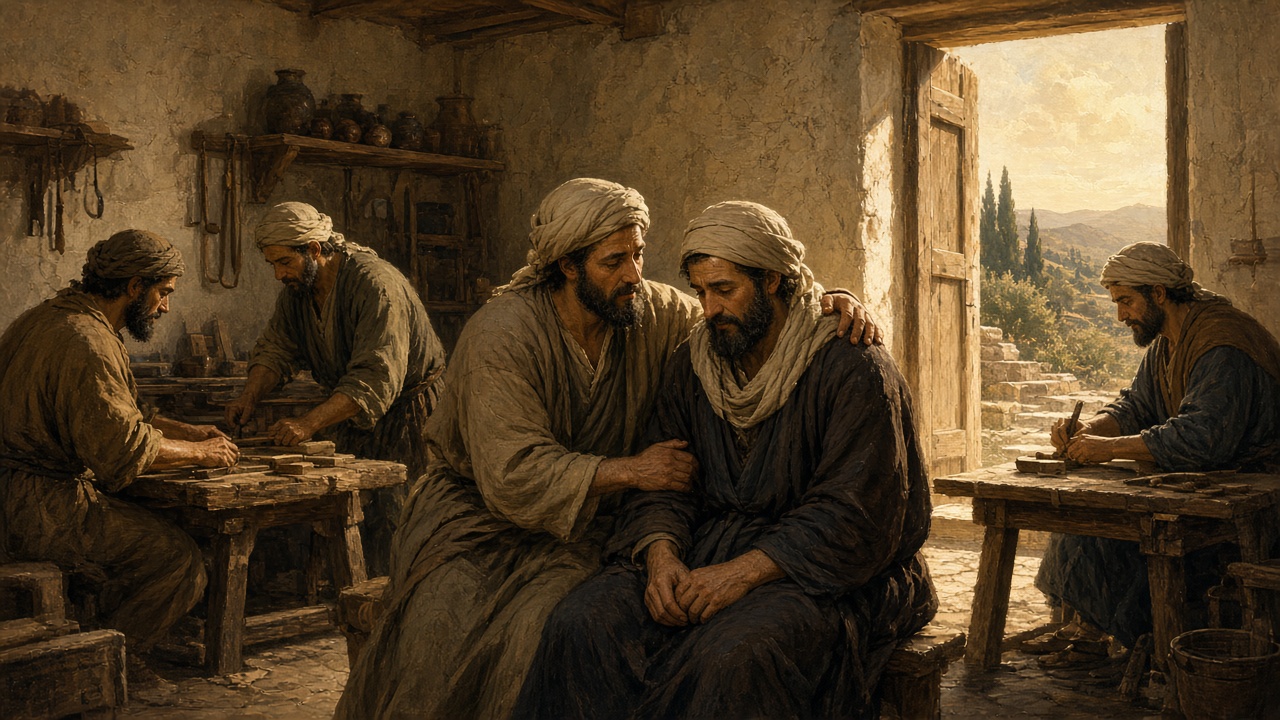
- Os leitores são exortados a aspirar a uma vida tranquila, a cuidar dos próprios assuntos e a trabalhar com as próprias mãos, como já lhes havia sido instruído. O capítulo apresenta isso como o modo de se portar corretamente diante dos de fora e de não depender de ninguém.Fontes: o próprio texto bíblico
Notas escritas com auxílio de IA a partir de fontes abertas (Theographic Bible Metadata, CC BY-SA 4.0; Easton’s Bible Dictionary, domínio público) e revisadas antes de publicar.
Lugares deste capítulo
- Macedonia · 41.600, 22.540 · versículo 10
Só aparecem lugares com identificação de alta confiança (90% ou mais segundo as fontes acadêmicas reunidas pelo OpenBible). Mapa da época: DARE (Digital Atlas of the Roman Empire), CC BY 4.0; mapa atual: © colaboradores do OpenStreetMap; lugares: OpenBible.info (CC BY 4.0).
Créditos e licença desta tradução
Autaahaatɨhomɨ Pɨwɨha Gaaha Wanɨha
The New Testament in the Angaataha language of Papua New Guinea
Nupela Testamen long tokples Angaataha long Niugini
copyright © 2004 Wycliffe Bible Translators, Inc.
Language: Angaataha
Translation by: PNG Bible Translation Association
This translation is made available to you under the terms of the
Creative Commons Attribution-Noncommercial-No Derivatives license 4.0.
You may share and redistribute this Bible translation or extracts from it in any format, provided that:
You include the above copyright and source information.
You do not sell this work for a profit.
You do not change any of the words or punctuation of the Scriptures.
Pictures included with Scriptures and other documents on this site are licensed just for use with those Scriptures and documents.
For other uses, please contact the respective copyright owners.
2012-11-17
Fonte: http://png.bible/agm/ · eBible.org