1 Thessalonians 4
Autaahaatɨhomɨ Pɨwɨha Gaaha Wanɨha · Tap a verse to see its cross-references.
Porɨho Kɨraisihomɨ Isɨhiya Tesaronaikaahiyai Itatamanɨnɨwɨ Tɨtɨhɨ Bimaawɨse Undataase
1Iyataatɨ nyamataiwɨ Kɨraisihopɨ gɨwunyaahohiyɨhiyaatɨ naisɨhiyaate, jɨhura nyahɨ sangi aimɨ nahatewa Autaahaatɨho maaritirɨhɨretɨ japepihɨrɨwɨ kaitaatɨwɨhaiwaapɨ kasato. Aihɨ sahɨ aimɨ japepihɨrɨwɨ katɨ kiyawaayopo. Aihɨ wanɨsangi Jisaasihomɨ watɨpɨhanda biyaatɨ kasatɨhaatonɨ saiwɨ waatɨ baiwɨ kaiwɨse. 2Iyataatɨ nyahɨ sangi jɨhura Awaisɨho Jisaasihomɨ watɨpɨhanda pɨwɨha kasatɨtɨhaawɨ kanyatihɨ nasanyohɨhaapɨ aimɨ mmonɨwɨ gwɨnyaapɨhiyaate. Aihɨ kaapɨ gɨsunyaatɨtandɨ jɨhaatɨ kasatɨtɨhaawiyo. 3Iyataatɨ sahɨ noaipapɨ apɨpaahiyaatɨ kiyaatɨnɨhɨ Autaahaatɨhomɨhiyaatimatɨwɨ, amɨ apɨpaahɨ gaahiyaatɨ ainahiyɨhiyaatɨ samɨ ambɨpatɨ usɨhiya asɨhiya kɨhiyaisawɨ tɨmaamaamaipɨ tɨtɨhɨ Autaahaatɨhomɨ isɨhiyaatimatohɨrɨhɨretɨ daiwɨ bimɨtaatɨwɨ Autaahaatɨho maaritataise. 4Isɨ usɨhiyaatɨ aimɨ asɨhiyai nepɨ wɨrahohiyɨhiyaatɨ nɨnaasoŋɨhɨ Autaahaatɨhomɨ isɨhiya kiyohɨrɨhɨretɨ kaiwɨ Autaahaatɨhomunɨ, amɨ isɨhiyaamunɨ ndɨhetɨ kɨnyɨ nɨnaasonyɨ kɨwaamaati baimbɨ usopɨ nepɨ kaati autaahɨ isɨwatɨpɨ, amɨ iwɨtatamanɨpɨ kaatapɨ maarɨho gaaho saasanotatɨ popɨtɨho gwɨnyaape. Aimbɨ kaatapɨ isɨhiya kiyaamɨ kɨhiyaisawɨ tɨmaamaitohiyɨhiyaamɨhɨretɨ kɨnyɨ gɨmunyaape. 5Saiwɨ isɨhiya Autaahaatɨhopɨ gɨmaawunyaapɨhiya nanɨhaiwɨ asɨhiya kɨhiyai isɨpɨ ambɨpatɨ tɨmaamahɨwɨtaatɨwɨhandapaahɨhɨ gwɨnyaapɨ kiyohɨpatamataiwɨ sahɨ wɨndɨ kamaiwɨse. 6Iyawaawɨ sahɨ asɨhiya usaamɨhiyai isɨpɨ kiyohɨwaiwa isɨhiya usaamɨhapa ikonɨhohɨpatamatiyahapaasɨ saiwa kamaiwɨse. Iyataatɨ jɨhura yaingwanaanɨnɨ biyaatɨ sasatɨhaato: Isɨhiya saiwa kiyohiyɨhiyai Autaahaatɨho naaŋatɨ yaawɨhaiwa numwɨtaise, satahaato. 7Iyataatɨ Autaahaatɨho nyangi jɨhura ahɨnyisataatɨ kiya maipɨhaiwa kaito tatɨ ahɨnyisataamaise. Owetise. Tɨtɨhɨ biyaatɨ ainahiyɨhiyaanɨnɨ bimɨtɨhaawɨ ahɨnyisataise. 8Iyataatɨ isɨhiya samɨ usa kɨma pɨwɨma baiwɨ atɨhomiwɨ ahosumwawaawaahɨ sandɨ yaingwanaanangi ahosɨnyamawaamaayopo. Owetise. Autaahaatɨho Itɨpɨhopɨ Gaahore tatɨ nanyamisɨhoai ahosumawaayopo. 9Iyataatɨ sahɨ isɨhiya Jisaasihopɨ gɨwunyaahohiyɨhiyai maarɨho numwɨtaatɨwɨhandapɨ kasatɨtɨhatɨ katɨ Autaahaatɨho aimɨ netɨ gɨsunyaasɨ wɨndɨ jɨhaatɨ kamaasatɨto. 10Iyawaawɨ sahɨ isɨhiya Jisaasihopɨ gɨwunyaahohiyɨhiya nahatiyai yapɨpatɨ Masetoniyaahanda bimohiyɨhiyai maarɨho aimɨ nunyawaayopo. Iyataatɨ naisɨhiyaatɨ nyamataiwɨ Kɨraisihopɨ gɨwunyaahohiyɨhiyaate, sahɨ baiwɨ waatɨ maarɨho numwɨtaatɨwɨhandapɨ biyaatɨ kasatɨhaato. 11Iyataatɨ sahɨ nahariwɨhaiwa kamaiwɨ napaisaatɨ bimaawɨse. Iyawaawɨ isɨhiya usaamɨ kiyohɨwaiwaapɨ gaaro maipo, tɨwɨ baahaiwɨ mausonɨwɨse. Iyataatɨ jɨhura kasatohɨpatamataiwɨ sawanaatapɨhapaapɨ waatɨ otɨpɨpatɨ kaiwɨse. 12Saiwɨ kiyawaawaahɨ sahɨ wɨndɨ wapaapɨ nenoaahɨmetɨtaise. Aisaihɨ isɨhiya Jisaasihopɨ gɨwunyaahohiyɨhiya sapɨ kiya gaahatɨ kiyawaayowo, tɨwɨ maaritɨtaapo.
Porɨho Jisaasiho Japɨhɨ Napɨtandɨhandapɨ Tesaronaikaahiyai Kaundataase
13Iyataatɨ naisɨhiya nyamataiwɨ Kɨraisihopɨ gɨwunyaahohiyɨhiya satɨwɨ, ‘isɨhiya napowawɨ japɨhɨ wɨndɨ namepapɨ Autaahaatɨhoaisawɨ bɨmimɨtaapo,’ tɨwɨ gwɨnyaawaawɨ pɨhɨtɨwɨ maarɨho asɨpiyohɨpatamatɨmaitaatɨwɨ yaingwanaanɨnɨ isɨhiya napohiyɨhiyaapɨ sahɨ tɨtɨhɨ gwɨnyaitaatɨwɨ kasatɨtɨhaawiyo. 14Iyahaawɨ nyahɨ Jisaasiho napotatɨ japɨhɨ nepasɨtɨhandapɨ aimɨ mmonaatɨ gwɨnyaahaayo. Isɨ isɨhiya Jisaasihopɨ jɨhɨ gɨwunyaapɨ bimambɨwɨ napohiyɨhiyai Jisaasiho watɨpɨhandisatɨ nasonɨhura Autaahaatɨho ahowimahonɨhɨ nepasaihɨ numwaitaise. 15Aihɨ yaingwanaanɨnɨ Awaisɨhomɨ pɨwɨha katisɨha ketɨ sataatɨ kasatɨhaato: Awaisɨho ipotɨhura nasonɨhɨ sura isɨhiya asɨyɨhiya Jisaasihopɨ gɨwunyaapɨ bimohiyɨhiya jɨhɨ wɨndɨ siyɨhiya Jisaasihopɨ gɨwunyaapɨ bimambɨwɨ napohiyɨhiyai nusatipapɨ naiwɨ Jisaasihoaapɨhɨ noaipapɨ koaisawɨ namutandaapo. Owetɨtaise. 16Otɨpɨpatɨho yamɨhapataatɨhɨ bimisɨho awaisɨhoai Autaahaatɨho kaundonɨhɨ ko otɨpɨho kapaparɨhɨrɨ ipohonɨhɨ ngaatɨtaise. Gaatonɨhɨ suraanɨhɨ Awaisɨho yamɨhapataatɨhɨ namasi noaatɨpaitaise. Noaatɨpahonɨhɨ isɨhiya Jisaasihopɨ gɨwunyaapɨ bimambɨwɨ napohiyɨhiya jɨhɨ nepaitaapo. 17Jɨhɨ nepasaihɨ suraanɨhɨ isɨhiya kopɨ gɨwunyaapɨ asɨyɨhiya bimohiyɨhiyaunɨ amɨ napohiyɨhiyaunɨ maasɨ ahoyainjaihɨ Awaisɨhomɨ watɨpɨhandaahɨ numwaasi usondaatɨwɨ naitaise. Iyonɨhɨ nyahɨ Awaisɨhoaisaatɨ maasɨ kiyaanɨnɨhɨ jinjapɨhɨ bimɨto. 18Isɨ sahɨ kɨma pɨwɨma Jisaasiho napɨtandɨhandapɨ kasatohɨma nahatiyaatɨ Jisaasihopɨ gɨwunyaahohiyɨhiyaatɨ sawanaatɨ nepɨ nɨnaasoŋɨhɨ nɨnaasaaŋɨhɨ kanɨwɨ andɨtitɨwɨse.
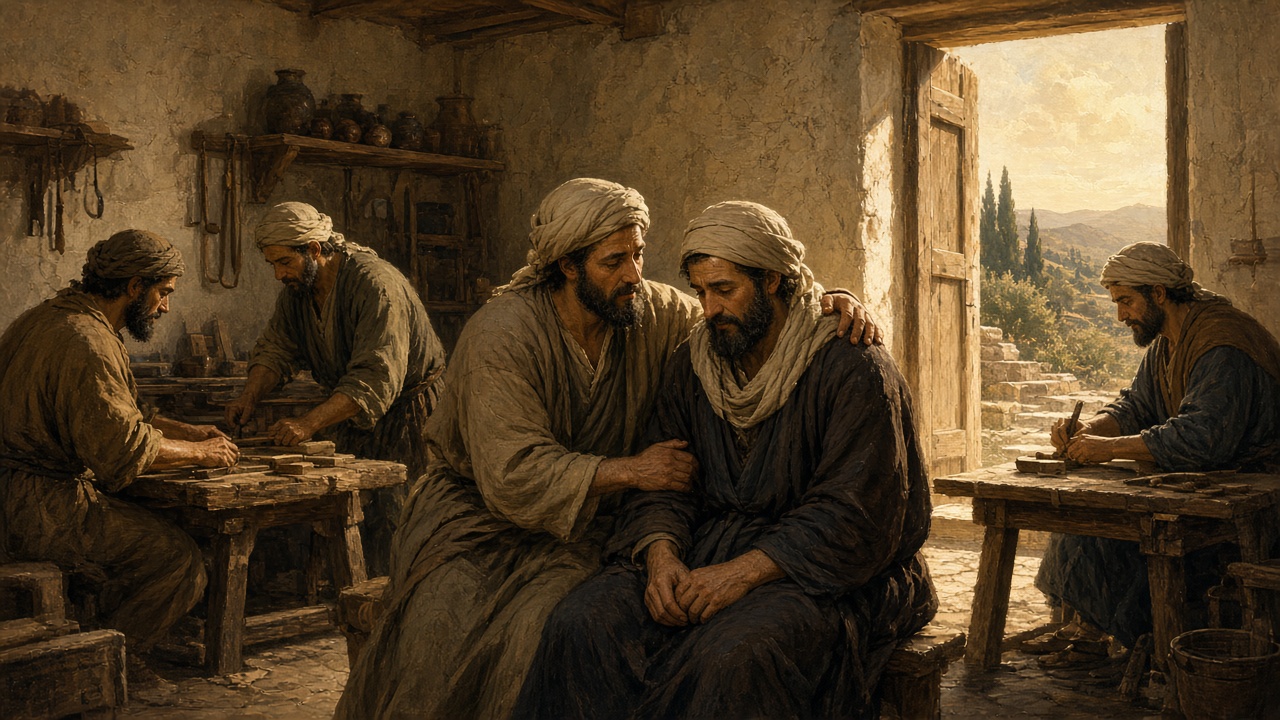
Did you know?
Holiness, Love, and Hope for the Dead
- This chapter notes that its readers were already showing love to all the brothers throughout Macedonia. In New Testament times Macedonia was a Roman province lying north of Greece, governed by a propraetor with the title of proconsul. Paul was summoned by a vision of the "man of Macedonia" to preach the gospel there.Sources: the Bible text itself · Macedonia
- The chapter speaks of the dead as people who sleep or have fallen asleep, and it asks the readers not to grieve like the rest, who have no hope. Because Jesus died and rose again, it says, God will bring with Jesus those who have fallen asleep in him; the dead in Christ will rise first, and then those still alive will be caught up with them in the clouds to meet the Lord in the air.Sources: the Bible text itself
- The readers are urged to aspire to a quiet life, to attend to their own matters, and to work with their own hands, as they had already been instructed. The chapter presents this as the way to behave properly toward outsiders and to avoid being dependent on anyone.Sources: the Bible text itself
Notes written with AI assistance from open sources (Theographic Bible Metadata, CC BY-SA 4.0; Easton’s Bible Dictionary, public domain) and reviewed before publishing.
Places in this chapter
- Macedonia · 41.600, 22.540 · verse 10
Only places identified with high confidence are shown (90% or more according to the scholarly sources compiled by OpenBible). Period map: DARE (Digital Atlas of the Roman Empire), CC BY 4.0; modern map: © OpenStreetMap contributors; places: OpenBible.info (CC BY 4.0).
Credits and license for this translation
Autaahaatɨhomɨ Pɨwɨha Gaaha Wanɨha
The New Testament in the Angaataha language of Papua New Guinea
Nupela Testamen long tokples Angaataha long Niugini
copyright © 2004 Wycliffe Bible Translators, Inc.
Language: Angaataha
Translation by: PNG Bible Translation Association
This translation is made available to you under the terms of the
Creative Commons Attribution-Noncommercial-No Derivatives license 4.0.
You may share and redistribute this Bible translation or extracts from it in any format, provided that:
You include the above copyright and source information.
You do not sell this work for a profit.
You do not change any of the words or punctuation of the Scriptures.
Pictures included with Scriptures and other documents on this site are licensed just for use with those Scriptures and documents.
For other uses, please contact the respective copyright owners.
2012-11-17
Source: http://png.bible/agm/ · eBible.org