Mateus 6
I 'utz laj tzij re i dios · Toque num versículo para ver as referências cruzadas.
I tak i ʼutz qui ʼano, mi ʼano xa sicʼbal que i winak
1We ʼo tak i ʼutz qui ʼano, cojbal-re u ʼij i Dios, mi ʼan ile chiquiwach i winak we xa quiwaj quix quilo. We queje qui ʼan ile, n-ta qui chʼac na ʼuri ruʼ i Ta chicaj.
2Rumal-i, are que i to i nibaʼib, aliʼal chi ʼana, man n-sicʼbal ta que i winak qui ʼano. Xa are sicʼbal que i winak quiqui ʼan jujun, chi lic je re i Dios quiwil yix, xui-ri, n-katzij taj. Queje quiqui ʼan ique ile pa tak molbalʼib, xak pa tak be. Are quiqui ʼan tak i ʼutz, xa are cacaj ca bix ni ʼutz chiquij. Chitapeʼ, xa are ile quiqui chʼaco, chi que ʼiltaj cumal i winak. 3Yix, are que i to i nibaʼib, chi ʼana che chi mi jun retaʼam wach i ʼanom, xak mi ne iwachalal. 4Aliʼal chi ʼana; teʼuri i Kajaw yix chi xrilo wach xi ʼano aliʼal, cu ya ni ʼutz piwi.
I Jesus xu cʼutu wach u tzʼonoxic che i Dios caka ʼano
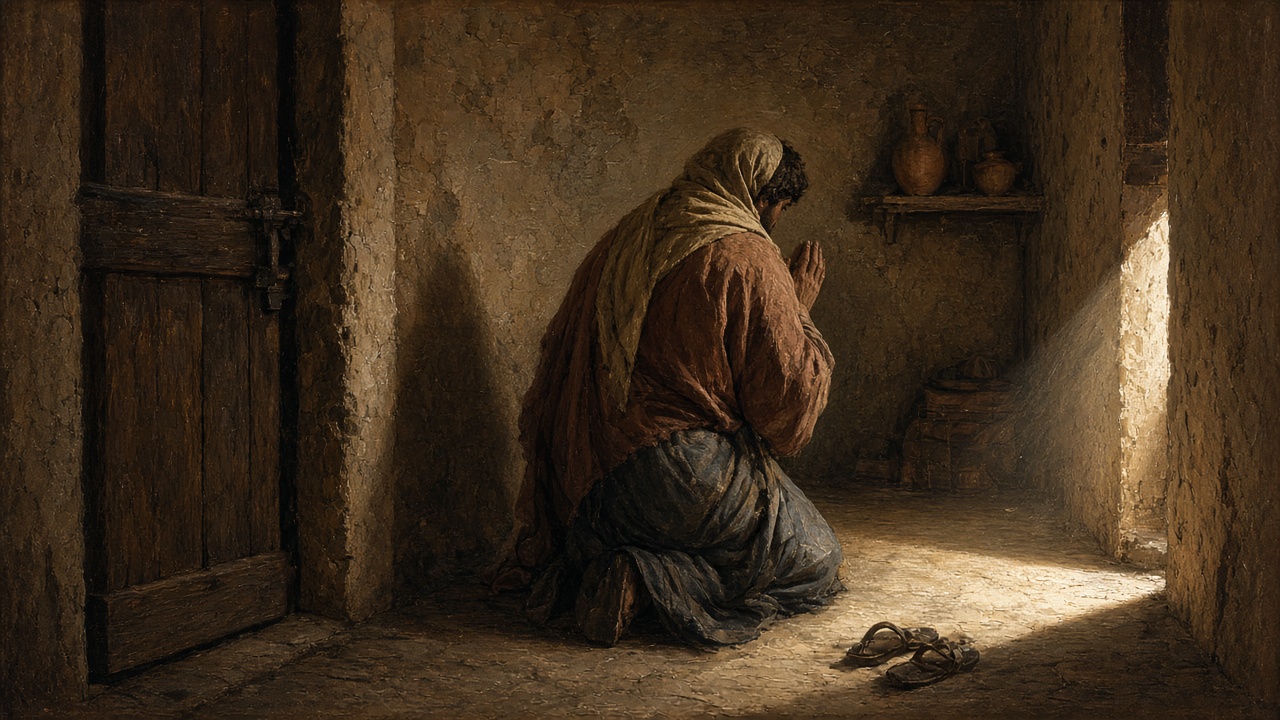
5Yix, are qui tzʼonoj che i Dios, mi ʼano pacha quiqui ʼan i jujun chi lic je re i Dios quiwil yix, xui-ri n-katzij taj. Ique, kus quiquilo we je tacʼal chiquiwach i winak are quiqui tzʼonoj che i Dios. Queje quiqui ʼan ile pa tak ja re i molbalʼib, xak i xol tak be, man cacaj ique que ʼiltaj na cumal i winak. Chitapeʼ, xa are ile quiqui chʼaco, chi que ʼiltaj cumal i winak. 6Yet, are ca tzʼonoj che i Dios, chat oc bi pa ja y cha tzʼapij uchija. Teʼuri cha tzʼonoj che a Kajaw chi ʼo chila awuʼ, xui-ri, n-ca ʼiltaj tu wach. Y a Kajaw chi xrilo wach xa ʼano atuquel, cu ya ni ʼutz pawi.
7Yix, are qui tzʼonoj che i Dios, mi bij uqʼuial tzij chi toʼ tzij, n-tu chac. Queje quiqui ʼan ique ile chi n-quetaʼam tu wach i Dios. Quiqui bij ique chi cu ta i Dios man qʼui i tzij quiqui bij che. 8Mi ʼan yix pacha quiqui ʼan ique; i Ta chicaj retaʼam wach i rajwaxic chiwe are maja qui tzʼonoj che. 9Rumal-i, queje iri chi tzʼonoj che:
Ka Kajaw chicaj, chocsax u ʼij a bi.
10Chapetsax a ʼatbal tzij,
cha ʼana na waral chuwach i jyub taʼaj, xak jun ruʼ pacha i ca ʼani chila chicaj.
11Cha ya na chake wach i caka tijo, wach i rajwaxic chake.
12Cha cuyu ni ka mac, xak jun ruʼ pacha ka ʼanom yoj, chi ka cuyum ni qui mac niʼpa i je macun-nak chikij.
13Ma ya chake coj tzak chupam i mac atzalal, xui-ri choj awesaj puʼab itzel.
Man yet ʼo i ʼatbal tzij paʼab; nim a choʼab, xak nim a ʼij a chomal.
At queje ile queʼe ʼij sak chawij. Amen.
14(Queje ile chi tzʼonoj che i Dios.) Man yix, we i cuyum chic qui mac i juban chi qui ʼanom qui mac chiwe, xak i Kajaw yix chila chicaj xak cu cuy na i mac yix. 15Xui-ri, we yix n-qui cuy ti qui mac i juban, xak ire n-cu cuy ta i mac yix.
I Jesus xu cʼutu wach i roʼtaxic ka waʼim caka ʼano
16Yix, ʼolic quiwoʼtaj i waʼim qui yabej-re iwib chu tzʼonoxíc che i Dios. Are qui ʼan ile, mi ʼan che i palaj lic ca bisonic pacha quiqui ʼan i winak chi queb qui palaj. Queje quiqui ʼan ique ile, man quiquil i winak chi quiqui tij uyej rumal qui tzʼonoxic che i Dios. Chitapeʼ, xa are ile quiqui chʼaco chi que ʼiltaj cumal i winak.
17Xui-ri, yix, are quiwoʼtaj i waʼim chu tzʼonoxic che i Dios, chi chʼaja i palaj, chi xiya i wi, 18man n-quiquil ti winak wach quix tijin chu ʼanic chuwach i Dios. I Kajaw chi n-caʼiltaj tu wach, ire crilo wach quix tijin chu ʼanic; cu ya na ʼuri i ʼutz piwi.
Chaka tzucuj ka beyomal chila chicaj
19Mi rayij i beyomal waral chuwach i jyub taʼaj, man xa ca pocʼaric, ca pusiric, xak caquelʼaj iliʼomab chiwe. 20Are i chi ʼana, chi molo u chiʼ i beyomal chila chicaj, man i chila, n-ca pocʼar taj, xak n-ca pusir taj, xak n-que oc ti iliʼom ruʼ quiqui maj chiwe. 21Chi cʼolo i beyomal chila chicaj, man pa i cʼolom wi i beyomal, chila ʼuri ʼo wi u cubibal i cʼux.
22(Chi ta u be i tzij-i:) Rumal i baʼwach, coc i sak che i chʼacul. We ʼutz i baʼwach, ʼo ʼuri i chʼacul pa sak. 23Xui-ri, we ix potzʼ, ʼo ʼuri i chʼacul pa ekum. We qui bij yix chi ʼo i sak pi cʼux, xui-ri, we i sak chi ʼo pi cʼux xa ʼekum, lic ʼek ʼuri i ʼekumal-le.
N-qui rik ti Dios we xa are qui tzucuj re u wach i jyub taʼaj
24Mi jun ca tiqui che, we je ʼo queb u patron ca chacun cuʼ. Queʼelok xa jun cʼax cu naʼo, y jun tzel crilo. Xa jun, ʼutz u ʼanic u chac coʼon che; y che i jun, n-kas ta coʼon cas che. N-quix tiqui ta che, we qui ya iwib chu ʼonquil u chac i Dios, xak qui ya iwib chu molic i mer.
25Rumal-i, mix cʼachir che i cʼaslemal, wach i qui tijo, wach i qui tuʼu; xak mix cʼachir che i ʼuʼ, wach i qui cojo, chʼukbal re iwij. I cʼaslemal, ¿xataba xui i wa cajwax che? Xak i chʼacul, ¿xataba xui i ʼuʼ cajwax che? N-xui taj. 26Chi chʼobo ʼut wach quiqui ʼan i tzʼiquin chi que bin pa tew. Ique, n-ti quiqui tico, xak n-ti quiqui molo, xak n-ti quiqui cʼol pu cʼolbal-re. Tupu n-quiqui ʼan taj, i Kajaw yix chi ʼo chicaj que u tzuku. Y yix lic nim ni i ʼij chiquiwach ique. 27We toʼ qui cʼachirsaj iwib, n-ta cu chacuj. Mi jun chiwe ca tiqui chu nimarsaxic u najtil rij, tupu lic ca cʼachir che.
28¿Wuchac quix cʼachir chu tzucuxic i ʼuʼ? Chi chʼobo ʼut wach quiqui ʼan i cotzʼij pa tak ʼes. Ique n-que cʼachir ta chu chʼaquic qui ʼuʼ, xak mi ne u yijbaxic. 29Tupu n-quiqui ʼan taj, lic chom qui ʼuʼ. Quin bij chiwe, chom ni qui ʼuʼ ique chuwach i u ʼuʼ i nim laj ʼatol tzij mam Salomon ujer chi lic beyom. 30Queje coʼon i Dios ile che i cotzʼij pa tak ʼes, chi xa queb oxib ʼij ʼolic: woʼor cʼaslic, y chwek cʼatnak chic pa ʼaʼ. We ire cu ya i chom laj u ʼuʼ i ral cu cotzʼij-le, ¿xataba n-cu ya ta ʼuri iwe yix? Cu yaʼo pues. ¡Yix cʼo i rajwaxic che u cubibal i cʼux che i Dios! 31We queje coʼon i Dios ile, mix cʼachir ʼuri; mi bij ʼut, “¿Wach tak caka tijo? o ¿wach tak caka tuʼu? o ¿wach tak u cojic ka ʼuʼ?” 32Niʼpa tak ile, are i quiqui tzucuj i toʼ winak. Péro yix, ʼo jun i Kajaw chicaj lic retaʼam wach i rajwaxic chiwe. 33Rumal-i, chi ya iwib che i ʼutz laj ʼatbal tzij re i Dios; chi ya iwib chu ʼonquil wach craj ire; teʼuri ire cu ya na chiwe wach tak i rajwaxic chiwe. 34Mix cʼachir tan rumal wach i qui rik na chwek. Katzij, chwek mok ʼo ni pen caka riko, xui-ri, mix cʼachir tan chu chʼobic woʼor; xui chi chʼobo i re woʼor.
Você sabia?
Justiça em segredo e confiança
- Este capítulo faz parte do Sermão do Monte. Um registro de eventos data esse sermão de 28 d.C. e registra que durou um único dia.Fontes: Sermon on the Mount · o próprio texto bíblico
- Jesus diz para não tocar trombeta nas sinagogas e nas ruas ao dar aos necessitados, como fazem os hipócritas a fim de serem honrados. Ele também adverte contra orar nas esquinas para ser visto e contra jejuar com o rosto desfigurado; em vez disso, descreve orar num quarto interior com a porta fechada e jejuar com a cabeça ungida e o rosto lavado.Fontes: o próprio texto bíblico
- Jesus diz que nem Salomão, em toda a sua glória, se adornou como um dos lírios do campo. Um verbete de dicionário explica que seu nome hebraico, Shelomoh, significa “Pacífico”, que ele era filho de Davi com Bate-Seba e que Natã o chamou de Jedidias, “amado do Senhor”; seu reinado está registrado em 1 Reis 1–11 e 2 Crônicas 1–9.Fontes: o próprio texto bíblico · Solomon
Notas escritas com auxílio de IA a partir de fontes abertas (Theographic Bible Metadata, CC BY-SA 4.0; Easton’s Bible Dictionary, domínio público) e revisadas antes de publicar.
Créditos e licença desta tradução
I 'utz laj tzij re i dios
New Testament in Achi (I 'utz laj tzij re i dios)
copyright © 2009 Wycliffe Bible Translators, Inc.
Language: Achi
Dialect: Cubulco
Translation by: Wycliffe Bible Translators, Inc.
Achi, Cubulco
Achi' is a Mayan language very
closely related to K'iche' (Quiché in the older orthography). It is spoken by the
Achi people, primarily in the area of Baja Verapaz in Guatemala. There are two Achi'
dialects. Cubulco Achi' is spoken by approximately 48,000 people in the Cubulco area
west of Rabinal area. Rabinal Achi' is spoken by approximately 37,000 people in the
Rabinal area.
El Nuevo Testamento
en el idioma Achí de Cubulco de
Guatemala
Ediciones anteriores
Segunda edición
©2009, Wycliffe Bible
Translators
Primera edición
Publicado por
©1984, Sociedad Bíblica
Internacional
Copyright Information
© 2009, Wycliffe Inc. All rights reserved.
This translation text is made available to you under the terms of the Creative
Commons License: Attribution-Noncommercial-No Derivative Works. ( http://creativecommons.org/licenses/by-nc-nd/3.0/ ) In addition, you have
permission to port the text to different file formats, as long as you do not change
any of the text or punctuation of the Bible.
You may share, copy, distribute, transmit, and extract portions or quotations from
this work, provided that you include the above copyright information:
You must give Attribution to the work.
You do not sell this work for a profit.
You do not make any derivative works that change any of the actual words or
punctuation of the Scriptures.
Permissions beyond the scope of this license may be available if you contact us
with your request. If you want to revise a translation, use a translation in an
adaptation, or use a translation commercially, we will consider your request.
NT:segunda edición
The New Testament
in Achi
© 2009, Wycliffe Inc. All rights reserved.
This translation is made available to you under the terms of the
Creative Commons Attribution-Noncommercial-No Derivatives license 4.0.
You may share and redistribute this Bible translation or extracts from it in any format, provided that:
You include the above copyright and source information.
You do not sell this work for a profit.
You do not change any of the words or punctuation of the Scriptures.
Pictures included with Scriptures and other documents on this site are licensed just for use with those Scriptures and documents.
For other uses, please contact the respective copyright owners.
2013-01-05
Fonte: http://ebible.org/acr-acc/ · eBible.org