Mateus 2
I 'utz laj tzij re i dios · Toque num versículo para ver as referências cruzadas.
I nimak tak aj ʼij que upon ruʼ i Jesus
1Are xalax i Jesus pa tinimit Belen re i jyub Judéa, i ʼatol tzij are i mam Heródes. I mam-le ʼo pu patan pa tinimit Jerusalen; je ʼo juban winak je aj ʼij, je petnak cʼa naj pa oriénte. 2Are xe upon pa Jerusalen, xqui tzʼonoj chique i winak:
—¿Paʼowi i nim laj ʼatol tzij que i aj Israel winak chi xalaxic? Ya xkil i u chʼumil are oj ʼo chila pa oriénte, rumal-i xoj cʼun chu cojic u ʼij —xqui bij.
3I nim laj ʼatol tzij, mam Heródes, are xu ta rason ile, lic xcʼachir rumal; xak conojel i winak pa tinimit Jerusalen xe cʼachir rumal. 4Teʼuri i ʼatol tzij xe u siqʼuij i nimak tak sacerdóte que i aj Israel, tak i tijonel re i tzij tzʼibtal can rumal i mam Moises ujer. Are xe moltajic, xu tzʼonoj chique pa calax na wi i Crísto chi tolque coyʼem. 5Ique xqui bij ʼuri che:
—Calax pa tinimit Belen, u cwenta i jyub Judéa. Queje ile queʼelok, man queje ile tzʼibtal can rumal i ajbil u tzij i Dios ujer. Queje iri xu bij:
6Yet chi at tinimit Belen,
at u cwenta i jyub Juda,
ma chʼobo mok n-ti a ʼij yet;
ʼo ni a ʼij man chiquixol awacʼal yet
queʼelok ʼo ni jun qui cʼambeal;
cucʼaw ni u tzam chique in winak, aj Israel.
Queje ile tzʼibtal canok —xqui bij i mamʼib.
7Teʼuri i mam Heródes aliʼal xe u siqʼuij i nimak tak aj ʼij chi je petnak pa oriénte y xu tzʼonoj chique wach xoʼon i icʼ, wach xoʼon i ʼij are xwinakir i chʼumil. 8Teʼuri, xe u takbi pa Belen. Xu bij chique:
—Jix chu tzucuxic i ral acʼal-le; naʼal chi tzucuj. We xi riko, col i bij chwe, man xak yin quin ʼe chu cojic u ʼij —xu bij i mam Heródes.
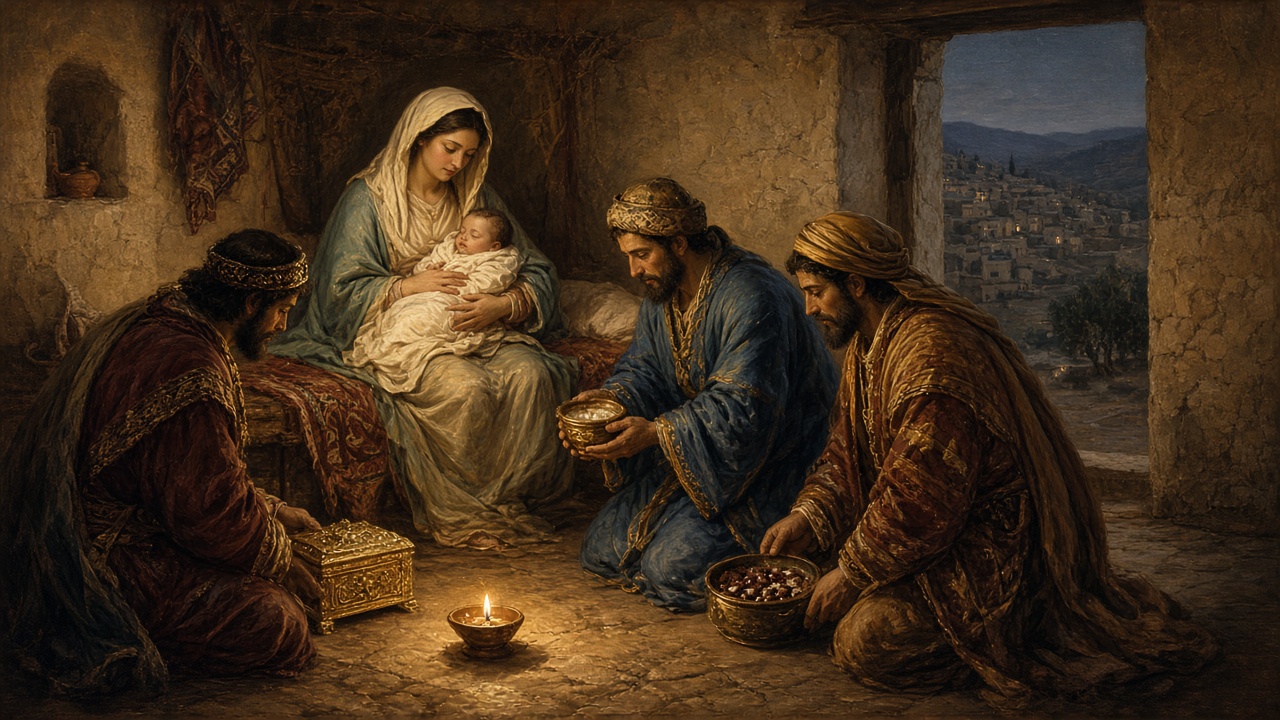
9I nimak tak aj ʼij, are xutzin u bixquil ile chique, xqui maj chubi qui be. I chʼumil chi xnabeaj chiquiwach cʼa pa oriénte, xbin chic chiquiwach cʼa xupon pa yatal wi i ral acʼal. Chila xtaqʼui na puwi i ja paʼowi i Jesus. 10Are xquil i nimak tak aj ʼij chi xtaqʼui i chʼumil, lic xe quicotic. 11Y xe ʼoc ruʼ ja, xqui rik i acʼal ruʼ u chuch, ixok Mariy, xe xuquiʼic, xqui coj u ʼij i acʼal. Teʼuri, xqui tor i quekan, xquesaj li qui sipon chi cucʼam y xqui ya che. Ile are óro, xak inciénso, xak i mírra. 12Are xe tzalij chic pa qui tinimit, junwi chic be xqui majo man xbix chique rumal i Dios piqui waram chi me tzalij chic ruʼ i mam Heródes.
I qui camsaxic i acʼalab rumal i mam Heródes
13Je ʼenak chic i nimak tak aj ʼij, teʼuri jun ángel re i Kajwal xwinakir pu waram i ma Jose. Xu bij che:
—Chat walijok, cha cʼama bi awacʼal, xak i u chuch, y chat ʼanmajok, jat cʼa Egípto. Chat ʼol chila cʼa quin bij na chawe umpa cat petic, man i mam Heródes cu tzucuj ni acʼal, craj cu camsaj —xu bij i ángel che.
14I ma Jose xwalijic, xu cʼambi i acʼal, xak i u chuch, y xqui majbi qui be chaʼab, xe ʼe cʼa pa Egípto. 15Chila xe qʼuiji wi cʼa are xcam i mam Heródes. Queje ile xeʼelok xak jun ruʼ pacha u bim can i Kajwal; man i ajbil u tzij i Dios u tzʼibam can i tzij-i chi u bim i Kajwal: “Pa Egípto quin siqʼuij wi in Cʼojol.” (Queje ile tzʼibtal canok.)
16I mam Heródes, are xu nabej chi xtʼor can cumal i nimak tak aj ʼij, lic xpe roywal che. Rumal ʼuri, xu tak qui camsaxic conojel i ral tak alabom we maja quiqui chap oxib junab, man qui bim che chi colo ʼo chic queb junab che u winakiric i chʼumil. Queje xu tak u ʼanic ile pa tinimit Belen, xak ronojel i jyub chirij chuwach. 17Queje ile xeʼelok pacha xu bij i tzij tzʼibtal can rumal i mam Jeremías, i ajbil u tzij i Dios ujer. Xu bij ire:
18Ca tataj jun nim laj oʼej pa tinimit Rama,
Are i ixokib aj Israel que siqʼuinic, que oʼic,
Man i cacʼal, ya xe camic, ya n-ta chic;
Lic n-ca pactaj ti qui bis rumal.
(Queje ile tzʼibtal canok.)
19Xoʼon panok xcam i mam Heródes. Teʼuri, chila pa Egípto, jun ángel re i Kajwal xwinakir ruʼ i ma Jose pu waram. Xu bij che:
20—Chat walijok, cha cʼama bi acʼal y u chuch, chix tzalij che i jyub Israel; man ya xe cam ique chi cacaj u camsaxic i acʼal. (Queje ile xu bij i ángel che.)
21Teʼuri i ma Jose xwalijic, xu cʼam bi racʼal, i rixokil y xe tzalij che i jyub Israel. 22Are que tijin chi be, i ma Jose xu ta rason chi u qʼuexel i mam Heródes are i u cʼojol, ma Arqueláo u bi. Ire xu xij rib che, n-xraj ta xa ʼe jeki pa jyub Judéa rumal. Teʼuri xbix chic che rumal i Dios pu waram wach i cu ʼano; rumal-i, xa ʼe pa jyub Galiléa. 23Are xe upon chila, xa ʼe jeki pa tinimit Nazaret. Queje ile xeʼelok, pacha qui bim i ajbil u tzij i Dios ujer, chi Jesus “aj Nazaret” ca bix na che.
Você sabia?
Magos, Herodes e Nazaré
- O rei Herodes deste capítulo é Herodes, o Grande. Seu filho Arquelau, tido com Malthace, uma mulher samaritana, herdou um terço do reino: a Idumeia, a Judeia e a Samaria. Até poucos dias antes da morte de Herodes, outro filho, Antipas, havia sido nomeado sucessor, mas, em seus últimos momentos, Herodes nomeou Arquelau; por medo dele, José desviou-se da Judeia e retirou-se para a Galileia.Fontes: Archelaus · o próprio texto bíblico
- Mateus relaciona a morte dos meninos em Belém com palavras ditas pelo profeta Jeremias: uma voz em Ramá, Raquel chorando por seus filhos. Raquel, uma das esposas de Jacó, morreu ao dar à luz Benjamim e foi sepultada à beira do caminho para Efrata, isto é, Belém, logo ao norte da cidade. Seu sepulcro é objeto de grande veneração entre os judeus.Fontes: o próprio texto bíblico · Rachel · Bethlehem
- Belém, na região montanhosa de Judá, chamava-se antes Efrata e também era conhecida como a cidade de Davi; sob os romanos, ficava na Judeia, a mais meridional das três divisões da Palestina. José e Maria foram, em vez disso, para Nazaré, na Galileia, sua terra, uma cidade não mencionada no Antigo Testamento. Em geral, supõe-se que o nome Nazaré venha do hebraico netser, um broto ou rebento, embora alguns o liguem a uma palavra que significa guardar ou vigiar.Fontes: Bethlehem · Judea · Nazareth · o próprio texto bíblico
Notas escritas com auxílio de IA a partir de fontes abertas (Theographic Bible Metadata, CC BY-SA 4.0; Easton’s Bible Dictionary, domínio público) e revisadas antes de publicar.
Lugares deste capítulo
- Bethlehem · 31.704, 35.208 · versículos 1, 5, 6, 8, 9, 16
- East · Hoje: region around Amman · 31.955, 35.934 · versículos 1, 2, 9
- Jerusalem · 31.777, 35.234 · versículos 1, 3
- Judea · Hoje: Judea 1 · 31.777, 35.234 · versículos 1, 5, 22
- Egypt · 30.129, 31.308 · versículos 13, 14, 15, 19
- Galilee · 32.760, 35.527 · versículo 22
- Nazareth · 32.702, 35.298 · versículo 23
Só aparecem lugares com identificação de alta confiança (90% ou mais segundo as fontes acadêmicas reunidas pelo OpenBible). Mapa da época: DARE (Digital Atlas of the Roman Empire), CC BY 4.0; mapa atual: © colaboradores do OpenStreetMap; lugares: OpenBible.info (CC BY 4.0).
Créditos e licença desta tradução
I 'utz laj tzij re i dios
New Testament in Achi (I 'utz laj tzij re i dios)
copyright © 2009 Wycliffe Bible Translators, Inc.
Language: Achi
Dialect: Cubulco
Translation by: Wycliffe Bible Translators, Inc.
Achi, Cubulco
Achi' is a Mayan language very
closely related to K'iche' (Quiché in the older orthography). It is spoken by the
Achi people, primarily in the area of Baja Verapaz in Guatemala. There are two Achi'
dialects. Cubulco Achi' is spoken by approximately 48,000 people in the Cubulco area
west of Rabinal area. Rabinal Achi' is spoken by approximately 37,000 people in the
Rabinal area.
El Nuevo Testamento
en el idioma Achí de Cubulco de
Guatemala
Ediciones anteriores
Segunda edición
©2009, Wycliffe Bible
Translators
Primera edición
Publicado por
©1984, Sociedad Bíblica
Internacional
Copyright Information
© 2009, Wycliffe Inc. All rights reserved.
This translation text is made available to you under the terms of the Creative
Commons License: Attribution-Noncommercial-No Derivative Works. ( http://creativecommons.org/licenses/by-nc-nd/3.0/ ) In addition, you have
permission to port the text to different file formats, as long as you do not change
any of the text or punctuation of the Bible.
You may share, copy, distribute, transmit, and extract portions or quotations from
this work, provided that you include the above copyright information:
You must give Attribution to the work.
You do not sell this work for a profit.
You do not make any derivative works that change any of the actual words or
punctuation of the Scriptures.
Permissions beyond the scope of this license may be available if you contact us
with your request. If you want to revise a translation, use a translation in an
adaptation, or use a translation commercially, we will consider your request.
NT:segunda edición
The New Testament
in Achi
© 2009, Wycliffe Inc. All rights reserved.
This translation is made available to you under the terms of the
Creative Commons Attribution-Noncommercial-No Derivatives license 4.0.
You may share and redistribute this Bible translation or extracts from it in any format, provided that:
You include the above copyright and source information.
You do not sell this work for a profit.
You do not change any of the words or punctuation of the Scriptures.
Pictures included with Scriptures and other documents on this site are licensed just for use with those Scriptures and documents.
For other uses, please contact the respective copyright owners.
2013-01-05
Fonte: http://ebible.org/acr-acc/ · eBible.org