Lucas 16
I 'utz laj tzij re i dios · Toque num versículo para ver as referências cruzadas.
I ubitak iwe, chi ʼana ruʼ pacha craj i Dios
1I Jesus, ʼo jun tzij xu bij chique i u tijoxelab. Xu bij:
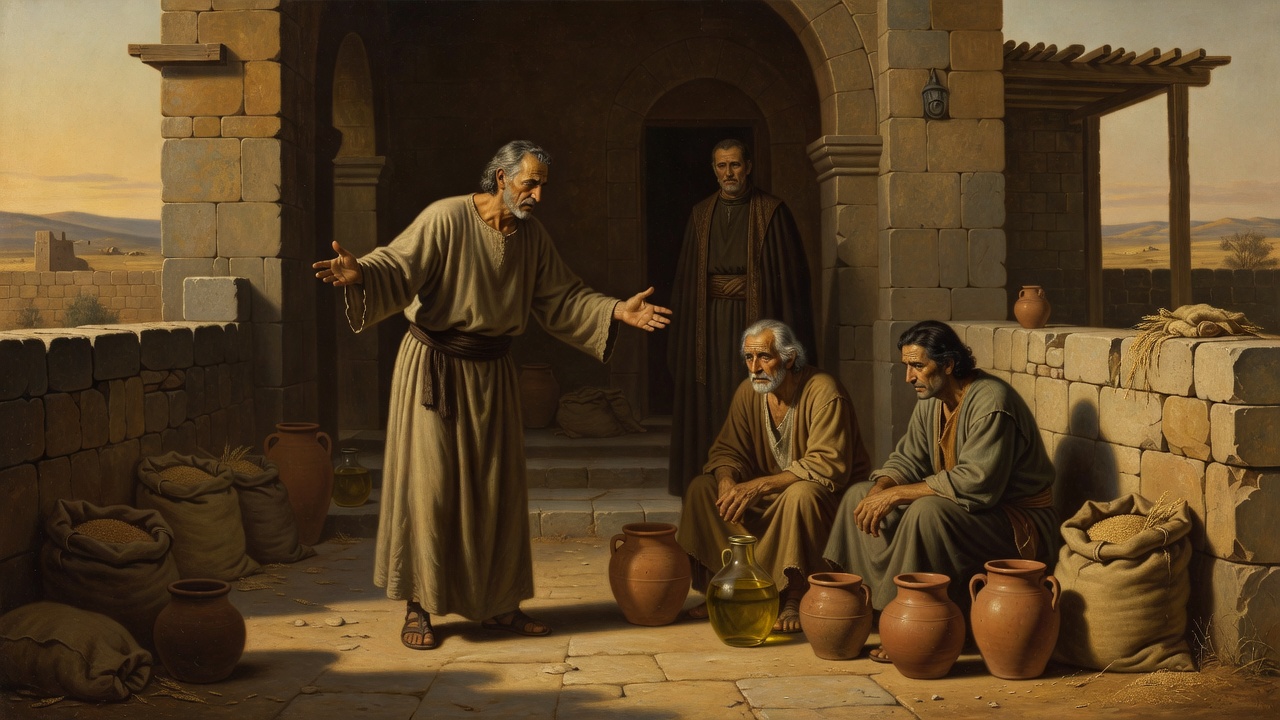
—ʼO jun achi beyom, ire ʼo jun u mocom u yom puwi ubitak-re. Xoʼon panok, i patron xu ta rason chi xak manal ca tijin chu ʼanic che ubitak-re. 2Rumal ʼuri, xu siqʼuij i u mocom ruʼ; xu bij che: “¿Wach cat tijin yet chu ʼanic, chi quiqui bij i winak chwe? Ya cat wesaj na che a chac; cha yijba ʼuri jun wuj chwe, ʼalijinsabal-re wach u ʼonom can in chac.” Queje ile xbix che rumal u patron. 3Are ʼuri i mocom xoc chi chʼobonic: “¿Wach i quin ʼano? man in patron ya quin resaj che in chac,” xu bij pu cʼux. “Yin n-ta in choʼab quin chacun chuwach ulew, xak quin qʼuix che we toʼ quin tzʼonoj mer chique i winak. 4¡Ya xcʼun pin jolom wach i quin ʼano! Teʼuri ʼo ni winak quin qui cʼulaj na cuʼ ruʼ ja, are n-ta chic in patron.” Queje ile xu chʼob pu jolom. 5Teʼuri xe u siqʼuij ruʼ, niʼpa i ʼo qui cʼas ruʼ u patron. I nabe chi xupon ruʼ xu tzʼonoj che: “¿Niʼpa a cʼas ruʼ in patron?” xu bij. 6“In cʼasom cien lat acéite ruʼ,” xu bij i jun che. Are ʼuri i mocom xu jach jun wuj che y xu bij: “Ri i a wuj-i; chat culok y cha jalwachij i tzʼib chuwach; xa cincuénta cha tzʼibaj chuwach,” xu bij che. 7Teʼuri xu tzʼonoj che jun chic: “Y yet, ¿niʼpa a cʼas ruʼ in patron?” “Cien tonel trígo in cʼasom ruʼ,” xu bij i jun chic. Ire xu bij ʼuri che: “Ri i a wuj-i; chat culok y cha jalwachij i tzʼib chuwach; xa ochénta cha tzʼibaj chuwach,” xu bij che.
8I u patron, are xu ta wach u ʼanom i mal laj u mocom, xu bij chi lic ʼo u noʼoj, man u tzucum pa i coc wi, we ʼelsam chic che u chac. (Xu ʼan ire chi ʼo i quiqui cʼulaj cuʼ pa cachoch.) I winak chi toʼ je re u wach i jyub taʼaj, lic je sicʼaj chu tzucuxic wach i rajwaxic che i qui cʼaslemal. Mas je sicʼaj chiquiwach i je re i Dios. 9Yin quin bij chiwe, niʼpa i ubitak iwe, chi ʼana cwent wach qui ʼan ruʼ. Chi ʼana i ʼutz ruʼ, teʼuri are quix camic, ʼo ni quix cʼulaw ʼuri ruʼ, che i rachoch chila chicaj.
10Jun, we cu ʼan i ʼutz ruʼ i jubiʼ yatal puʼab, xak cu ʼan ni ʼutz ʼuri ruʼ, we nim i yatal che. Xak queje ile, we ʼo jun, we n-ʼus ti cu ʼan che i jubiʼ ʼo puʼab, xak n-cu ʼan ta ʼutz ʼuri che, we ʼo ni uqʼuial ruʼ. 11Yix ʼuri, we ni ʼanom ti ʼutz ruʼ ubitak iwe chi xa re u wach i jyub taʼaj, ¿pachin ʼuri cu ya ni beyomal sakil piʼab? Mi jun. 12We n-qui ʼan ti ʼutz ruʼ ile chi xa okxanim piʼab, ¿xataba ca yaʼ ʼuri piʼab i mer iwe yix?
13Mi jun ca tiqui che, we je ʼo queb u patron ca chacun cuʼ. Queʼelok, xa jun cʼax cu naʼo, y jun tzel crilo. Xa jun chique, ʼutz u ʼanic u chac cu ʼan che; y che i jun, n-kas ta cu ʼan cas che. N-quix tiqui ta che, we qui ya iwib chu ʼonquil u chac i Dios, xak qui ya iwib chu molic i mer. (Queje ile xu bij i Jesus chique u tijoxelab.)
14Je ʼo jujun aj Fariséo que tijin chu tayic u tzij-le. Ique xe oc chu yoʼyaxic wach i xu bij, man i aj Fariséo kus quiquil i mer. 15Are ʼuri i Jesus xu bij chique:
—Yix qui ʼan che iwib pacha ix ʼutz chiquiwach i winak, xui-ri, i Dios retaʼam wach ʼo pi cʼux. ʼO tak i qui ʼano chi kus quiquil i winak, xui-ri, tzel cril i Dios.
Are i usucʼ i ujer ʼatbal tzij are u petic i ʼutz laj ʼatbal tzij re i Dios
16I ujer ʼatbal tzij tzʼibtal can rumal i mam Moises, xak i qui cʼutunic i ujer ajbil u tzij i Dios, niʼpa ile ʼo piquiwi i winak cʼa xcʼun ni ma Wan, aj kajsanel ya. Teʼuri xpe i ʼutz laj tzij re u jekbal u ʼatbal tzij i Dios; are iri are i ca tijin u paxsaxic woʼor. Y conojel i winak ʼis quiqui ʼan pen que oc che u ʼatbal tzij i Dios. 17I usucʼ i ujer ʼatbal tzij n-ca jalwachix taj; mi xa ta jubiʼ ca sachsax u wach che. Iwetaʼam yix iri: cʼax u sachsaxic u wach i caj i jyub taʼaj, xui-ri mas cʼax u jalwachixic u wach jun ral tzʼib re i ujer ʼatbal tzij. Lic n-ca jalwachix taj. 18Jun achi, we cu jach nubi i rixokil y we xcucʼaj chic quib ruʼ jun chic ixok, ʼo u mac ʼuri chuwach i Dios. Xak we jun achi xcʼuli ruʼ jun ixok chi jachtal can rumal i rachijil, ʼo ni u mac i ucab achi chuwach i Dios.
Wach xu ʼan i achi beyom che i achi nibaʼ, ma Lázaro u bi
19ʼO jun achi beyom, lic chom u ʼuʼ, lic pakalic. Ire, ʼij ʼij, pacha tak ʼo nimaʼij chi rachoch. 20Xak ʼo jun achi nibaʼ, ma Lázaro u bi, ʼij ʼij cul chila pa ocbal bic che i rachoch i beyom. Ire, lic ʼo chʼac che, ronojel i u chʼacul, 21y je ʼo tak i tzʼi que tejeb ruʼ y xqui riʼ u wach i chʼac che. I nibaʼ-le lic cu tij numic; cu rayij u wach i u cʼajnil i wa chi ca tzak chuxeʼ u mexa i beyom. 22Xoʼon panok xcam i nibaʼ, teʼuri i ángel xqui cʼam bi pa glória, pa ʼo wi i mam Abraham. Xoʼon chupanok, xak xcam i beyom, y xmukic. 23Ire are xupon pa qui qʼuijibal i camnak, lic xu tij uyej. Are ʼo chupam i cʼax-le, xtzun chicaj, y xril i mam Abraham, cʼo li cʼa naj, xak xril u wach i ma Lázaro, ʼo pu tzal. 24Are ʼuri, xsiqʼuin pan che: “Ta Abraham, chawila toʼbal in wach. Cha taka li a-Lázaro cu mu li u wi u ʼab pa ya, col u jorobsaj i utzamwaʼ. Lic quin tij uyej waral chupam u rep i ʼaʼ.” (Queje ile xu bij.) 25Teʼuri i mam Abraham xu bij che: “Wacʼal, cha cʼun cha cʼux chi yet, are at cʼas chuwach i jyub taʼaj, xui i ʼutz xa tijo, n-ti xoʼon palt chawe; i ma Lázaro, lic uyej xu tijo. Woʼor, ire ca quicot waral, y yet uyej ca ʼano. 26Y n-xui ta la ile, ʼo jun nim laj siwan chakaxol iwuʼ yix; we ʼo jun craj ca ʼax jela, n-ta quicʼaw wi; xak i je ʼo jela we cacaj que ʼax li waral, n-ta quicʼaw wi,” xu bij i mam Abraham che. 27Teʼuri i beyom xu bij chic che: “Cuyu in mac, Ta, lic quin tzʼonoj chic jun pawor chawe: cha taka bi i a-Lázaro pa rachoch in kajaw, 28man je ʼo joʼob in chaʼ, y che u bij chique ma ta que pe chi, col qui tija i cʼax waral,” xu bij che. 29Are ʼuri i mam Abraham xu bij che: “Ique qui tom wach u tzʼibam can i mam Moises, xak wach i qui tzʼibam can i je ajbil u tzij i Dios ujer. Chiqui ʼana cas che i tzij-le,” xu bij che. 30I beyom xu bij ʼuri: “Katzij, Ta Abraham, péro n-coʼon ta ile chique. Xui-ri, we ta ca walij nubi jun camnak y ca ʼe cuʼ, ique quiqui jalwachij ni qui cʼaslemal ʼuri,” xcha. 31I mam Abraham xu bij che: “Ique, we n-quiqui ʼan ta cas che i tzij tzʼibtal can rumal i mam Moises, xak cumal i ajbil u tzij i Dios, xak n-quiqui ʼan ta cas ʼuri che u tzij jun camnak walijnak,” xu bij i mam Abraham che. (Queje u tzij i Jesus ile chique i je aj Fariséo winak.)
Você sabia?
Riqueza, dois senhores e Lázaro
- Nas palavras de Jesus sobre o rico e Lázaro, o rico clama: 'Pai Abraão', e Abraão responde: 'Filho'. O Dicionário Bíblico de Easton (1897) explica o nome Abraão como 'Pai de uma multidão' e o descreve como herdeiro das promessas.Fontes: o próprio texto bíblico · Abraham
- Falando aos fariseus, que zombavam dele, Jesus diz que a Lei e os Profetas foram proclamados até João, e que, desde então, o evangelho do reino de Deus está sendo pregado. O Dicionário Bíblico de Easton (1897) chama João Batista de 'precursor de nosso Senhor', afirma que sua missão foi objeto de profecia, inclusive Isaías 40:3 e Malaquias 3:1, e declara que seu nascimento ocorreu seis meses antes do de Jesus.Fontes: o próprio texto bíblico · John the Baptist
- Um administrador acusado de desperdiçar os bens de seu senhor recebe ordem de prestar contas e deixar o cargo. Ele faz os devedores reescreverem suas contas, reduzindo cem medidas de azeite a cinquenta e cem medidas de trigo a oitenta, e o senhor elogia o administrador desonesto porque havia agido com astúcia. Jesus diz então que nenhum servo pode servir a dois senhores, e que ninguém pode servir ao mesmo tempo a Deus e ao dinheiro.Fontes: o próprio texto bíblico
Notas escritas com auxílio de IA a partir de fontes abertas (Theographic Bible Metadata, CC BY-SA 4.0; Easton’s Bible Dictionary, domínio público) e revisadas antes de publicar.
Créditos e licença desta tradução
I 'utz laj tzij re i dios
New Testament in Achi (I 'utz laj tzij re i dios)
copyright © 2009 Wycliffe Bible Translators, Inc.
Language: Achi
Dialect: Cubulco
Translation by: Wycliffe Bible Translators, Inc.
Achi, Cubulco
Achi' is a Mayan language very
closely related to K'iche' (Quiché in the older orthography). It is spoken by the
Achi people, primarily in the area of Baja Verapaz in Guatemala. There are two Achi'
dialects. Cubulco Achi' is spoken by approximately 48,000 people in the Cubulco area
west of Rabinal area. Rabinal Achi' is spoken by approximately 37,000 people in the
Rabinal area.
El Nuevo Testamento
en el idioma Achí de Cubulco de
Guatemala
Ediciones anteriores
Segunda edición
©2009, Wycliffe Bible
Translators
Primera edición
Publicado por
©1984, Sociedad Bíblica
Internacional
Copyright Information
© 2009, Wycliffe Inc. All rights reserved.
This translation text is made available to you under the terms of the Creative
Commons License: Attribution-Noncommercial-No Derivative Works. ( http://creativecommons.org/licenses/by-nc-nd/3.0/ ) In addition, you have
permission to port the text to different file formats, as long as you do not change
any of the text or punctuation of the Bible.
You may share, copy, distribute, transmit, and extract portions or quotations from
this work, provided that you include the above copyright information:
You must give Attribution to the work.
You do not sell this work for a profit.
You do not make any derivative works that change any of the actual words or
punctuation of the Scriptures.
Permissions beyond the scope of this license may be available if you contact us
with your request. If you want to revise a translation, use a translation in an
adaptation, or use a translation commercially, we will consider your request.
NT:segunda edición
The New Testament
in Achi
© 2009, Wycliffe Inc. All rights reserved.
This translation is made available to you under the terms of the
Creative Commons Attribution-Noncommercial-No Derivatives license 4.0.
You may share and redistribute this Bible translation or extracts from it in any format, provided that:
You include the above copyright and source information.
You do not sell this work for a profit.
You do not change any of the words or punctuation of the Scriptures.
Pictures included with Scriptures and other documents on this site are licensed just for use with those Scriptures and documents.
For other uses, please contact the respective copyright owners.
2013-01-05
Fonte: http://ebible.org/acr-acc/ · eBible.org