Lucas 15
I 'utz laj tzij re i dios · Toque num versículo para ver as referências cruzadas.
I tijojbal tzij chirij i chij sachnak
1Je qʼui aj tzʼonol alcawal, xak juban chic ajmaquib xe tejeb ruʼ i Jesus quiqui tabej re u tzij. 2Rumal-i, i aj Fariséo, xak i je tijonel re i ʼatbal tzij xe oc chu chʼachʼaxic i Jesus.
—I achi-le que u cʼulaj ajmaquib ruʼ, y n-xui ta la ile, xak cu tij wa cuʼ —xe cha.
3Are ʼuri i Jesus xu bij jun tijojbal tzij chique:
4—Chixol yix, we ʼo jun achi je ʼo cien u chij, y we xsach jun chique, ¿wach cu ʼan ʼuri ire? Que u canaj can i novénta y nuéve pa i je ʼo wi, y ca ʼe chu tzucuxic i jun. Cu tzucuj cʼa cu rik na. 5Are cu riko, ca quicotic cu ya bi xol u teleb, y cu cʼam bi ruʼ ja. 6Are cupon ruʼ ja, que u siqʼuij i retaʼam qui wach, xak i je u loʼcʼanij, quiqui molbej quib ruʼ ire. Cu bij chique: “Lic quin quicotic, man xin rik in chij chi sachnak teʼek; ¡chix quicot yix wuʼ!” cu bij na chique. 7Quin bij chiwe, xak queje quiqui ʼan i je aj chicaj ile; lic que quicotic we ʼo jun ajmac cu jalwachij u noʼoj chi n-ʼus taj. Mas que quicot rumal i jun-le, chiquiwach i je novénta y nuéve chi je ʼutz laj tak winak chi n-presis taj quiqui jalwachij i qui noʼoj —xu bij i Jesus chique.
I tijojbal tzij chirij i mer tzaknak
8(Teʼuri i Jesus xu bij chic jun tijojbal tzij chique.) Xu bij:
—We ʼo jun ixok ʼo lajuj sak pwak ruʼ, we xu tzak jun chique i lajuj, ¿wach cu ʼan ʼuri ire? Cu tzij jun cantil, y cu jek u mesic u paja. Naʼal cu tzucuj cʼa cu rik na. 9Are cu riko, que u siqʼuij i retaʼam qui wach, xak i je u loʼcʼanij, man quiqui molbej quib ruʼ. Cu bij chique: “Lic quin quicotic, man xin rik in mer chi in tzakom teʼek. ¡Chix quicot yix wuʼ!” cu bij chique. 10I quicotemal-le, xak queje quiqui na i ángel re i Dios; que quicotic we ʼo jun ajmac cu jalwachij u noʼoj chi n-ʼus taj —xu bij i Jesus chique.
I u tzalijic jun cʼojolxel ruʼ u kajaw
11Teʼuri, i Jesus xu bij chic chique:
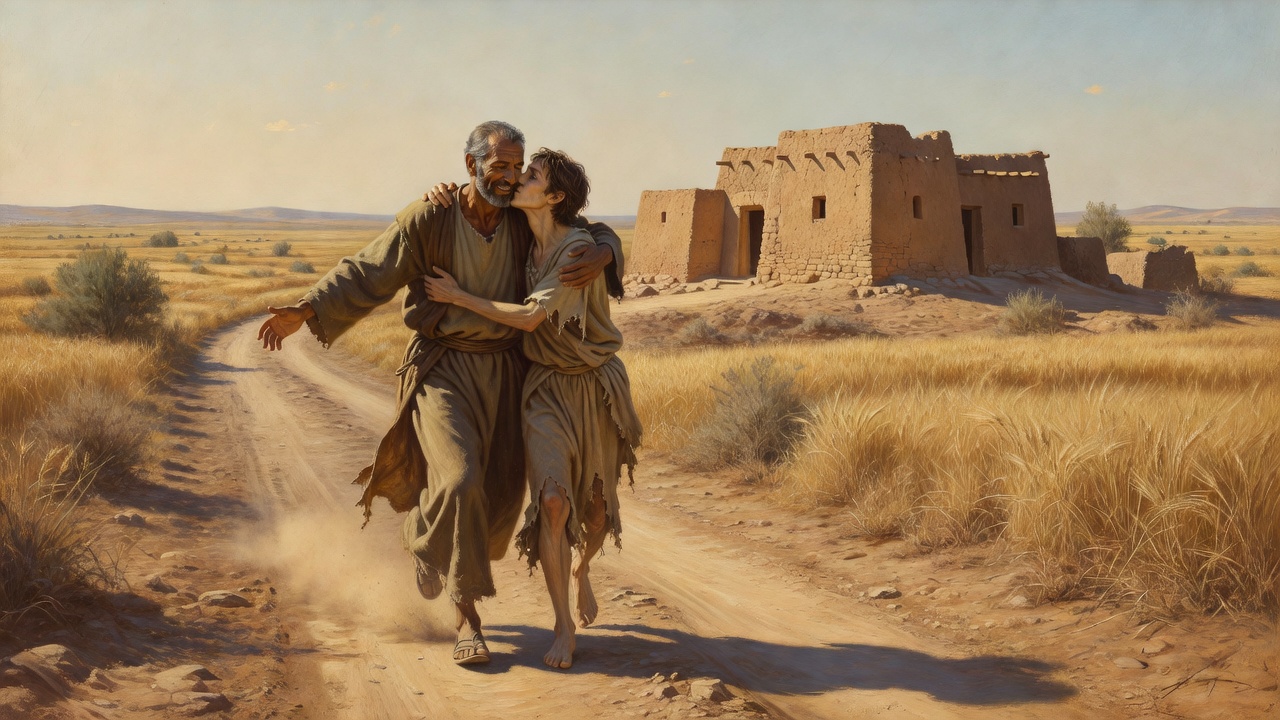
—ʼO jun achi, je ʼo queb u cʼojol. 12I chaʼaxel xu bij che u kajaw: “Ta, cha ʼana jun utzil chomal chwe; cha ya ni ubitak-we woʼor pacha a chʼobom ca ya na chwe coʼon panok.” Queje ile xu bij che. Teʼuri i u kajaw xu jach bi ubitak-que chique i queb u cʼojol. 13Xoʼon chupan jubiʼ i chaʼaxel ʼis xu cʼayij ronojel ubitak-re chi xjach che. Teʼuri xu mol u chiʼ u mer y xa ʼe che jun tinimit cʼa naj. Chila xoc chu qʼuisic u mer, toʼ xak manal xu ʼano, y xu sach ronojel u mer. 14Are xu qʼuis ronojel, xpe jun nim laj waʼjal che i tinimit-le pa ʼo wi ire; lic xu tij numic rumal. 15Are ʼuri xa ʼe chu tzucuxic u chac ruʼ jun achi aj chila. I u chac xyaʼ che, xtak bi chi qui chajixic juban ak. 16Ire lic xu tij numic; lic cu rayij u wach, wach que tijin i ak ruʼ; mi ta jun xtzukuwic. 17Teʼuri xcʼun chic u noʼoj; xu bij pu cʼux: “Chila ruʼ in kajaw, i u mocom lic cu rik rib wach quiqui tijo. Y yin waral, lic quin cam na rumal numic. 18Quin tzalij chic ruʼ in kajaw, y quin bij che: Ta, in ʼanom in mac chuwach i Dios, xak chawach yet. 19N-ca majaw ta chic ca bij awacʼal chwe, xui-ri, cha ʼana na chwe pacha jun a mocom, quin bij che.” Queje ile xu bij pu cʼux. 20Juntir xu maj u be, y xa ʼe chic chi rachoch u kajaw.
Are ya cuponic, xui-ri, cʼa naj panok ʼo wi che i ja, xak teʼet xa ʼiltajic y xa etamax u wach rumal u kajaw. Ire lic cʼax xu na u cʼojol, y xa ʼe paʼanem chu cʼulaxic. Are xu cʼulaj, xu tzʼulej, y xu tzʼubaj u palaj. 21Teʼuri i u cʼojol xu bij che: “Ta, in ʼanom in mac chuwach i Dios, y xak chawach yet. N-ca majaw ta chic ca bij awacʼal chwe.” Queje ile xu bij che. 22I u kajaw xa xu bij chique u mocom: “¡Chi bisoj! Chi cʼama li jumolaj ʼuʼ ʼutz, chom, y chi cojo chirij. Chi cʼama li bak re u wi u ʼab, xak i sapatux re i rakan. 23Je i cʼama i meʼ chi ka tiʼojersam, y chi ʼana-re. ¡Caka ʼan jun nimaʼij! 24I wacʼal-i, chi camnak teʼek, woʼor cʼas tan chic. I sachnak teʼek, woʼor ya xcʼunic,” Queje ile xu bij u kajaw chique u mocom. Teʼuri xqui jek jun nimaʼij.
25I racʼal ʼatz n-ta ruʼ ja are xqui jek i nimaʼij, man ʼenak pa tak ticon. Are ca tijin u petic chi rachoch, xu ta i son, xak xu ta ʼo i que xajawic. 26Rumal-i, xu siqʼuij jun mocom ruʼ, y xu tzʼonoj che wach i que tijin chu ʼanic ruʼ ja. 27I mocom xu bij che: “I a chaʼ ya xcʼun chic ruʼ ja, rumal-i i a kajaw xu ʼan jun nimaʼij. Xu tak u camsaxic i meʼ tiʼoj, man ʼo tan chic a chaʼ ruʼ, n-ta cʼax che, lic ʼutz u wach,” xu bij i mocom che i ʼatz. 28Ire lic xpe roywal, y n-xoc ta chubi ruʼ ja. Rumal-i, xel bi i u kajaw, y xu yuʼuj i u cʼojol. 29Ire-le xu laʼ u wach che u kajaw: “Tapeʼ, lic qʼuial junab in chacun-nak awuʼ pacha jun mocom, mi julaj in kelom a tzij. Y yet, mi ta julaj a yom jun ral chabat chwe, quin ʼanbej jun nimaʼij cuʼ i wachiʼil. 30Xui-ri, are xcʼun i awacʼal-i chi toʼ xu sach u wach ubitak awe cuʼ i mal laj tak ixokib, yet xa tak u ʼanic-re i meʼ tiʼoj, xa rumal ire.” Queje ile xu bij u cʼojol ʼatz.
31Teʼuri xu bij i u kajaw: “Wacʼal, yet ʼax at ʼo wi wuʼ. Ronojel niʼpa i ʼo wuʼ, ʼis awe yet. 32Xui-ri, ʼo u chac caka ʼan jun ka nimaʼij, y choj quicotok rumal a chaʼ. Ire camnak teʼek, y woʼor cʼas tan chic, ire sachnak teʼek, y woʼor ka rikom tan chic.” (Queje ile xu bij i mam che u cʼojol. Are i tijojbal tzij ile xu bij i Jesus chique i winak.)
Você sabia?
Perdido e encontrado
- Cobradores de impostos e pecadores estavam se reunindo para ouvir Jesus, e os fariseus e os escribas começaram a murmurar que ele acolhe pecadores e come com eles. Jesus então lhes contou parábolas sobre uma ovelha perdida, uma moeda de prata perdida e um filho perdido.Fontes: o próprio texto bíblico
- O ensino e a cura na Pereia em direção a Jerusalém são registrados como começando em 30 d.C. com duração de um dia.Fontes: Teaching and Healing in Perea to Jerusalem
Notas escritas com auxílio de IA a partir de fontes abertas (Theographic Bible Metadata, CC BY-SA 4.0; Easton’s Bible Dictionary, domínio público) e revisadas antes de publicar.
Créditos e licença desta tradução
I 'utz laj tzij re i dios
New Testament in Achi (I 'utz laj tzij re i dios)
copyright © 2009 Wycliffe Bible Translators, Inc.
Language: Achi
Dialect: Cubulco
Translation by: Wycliffe Bible Translators, Inc.
Achi, Cubulco
Achi' is a Mayan language very
closely related to K'iche' (Quiché in the older orthography). It is spoken by the
Achi people, primarily in the area of Baja Verapaz in Guatemala. There are two Achi'
dialects. Cubulco Achi' is spoken by approximately 48,000 people in the Cubulco area
west of Rabinal area. Rabinal Achi' is spoken by approximately 37,000 people in the
Rabinal area.
El Nuevo Testamento
en el idioma Achí de Cubulco de
Guatemala
Ediciones anteriores
Segunda edición
©2009, Wycliffe Bible
Translators
Primera edición
Publicado por
©1984, Sociedad Bíblica
Internacional
Copyright Information
© 2009, Wycliffe Inc. All rights reserved.
This translation text is made available to you under the terms of the Creative
Commons License: Attribution-Noncommercial-No Derivative Works. ( http://creativecommons.org/licenses/by-nc-nd/3.0/ ) In addition, you have
permission to port the text to different file formats, as long as you do not change
any of the text or punctuation of the Bible.
You may share, copy, distribute, transmit, and extract portions or quotations from
this work, provided that you include the above copyright information:
You must give Attribution to the work.
You do not sell this work for a profit.
You do not make any derivative works that change any of the actual words or
punctuation of the Scriptures.
Permissions beyond the scope of this license may be available if you contact us
with your request. If you want to revise a translation, use a translation in an
adaptation, or use a translation commercially, we will consider your request.
NT:segunda edición
The New Testament
in Achi
© 2009, Wycliffe Inc. All rights reserved.
This translation is made available to you under the terms of the
Creative Commons Attribution-Noncommercial-No Derivatives license 4.0.
You may share and redistribute this Bible translation or extracts from it in any format, provided that:
You include the above copyright and source information.
You do not sell this work for a profit.
You do not change any of the words or punctuation of the Scriptures.
Pictures included with Scriptures and other documents on this site are licensed just for use with those Scriptures and documents.
For other uses, please contact the respective copyright owners.
2013-01-05
Fonte: http://ebible.org/acr-acc/ · eBible.org