Atos 5
I 'utz laj tzij re i dios · Toque num versículo para ver as referências cruzadas.
I ma Ananías, i ati Safíra quiqui ʼan jun tʼoronic, quiqui chʼob ique
1Xak ʼo jun chic achi, ma Ananías u bi; i rixokil, ati Safíra u bi. Ique xqui cʼayij jun culew; 2xui-ri, che i rajil i ulew, i achi ʼo i xu cʼol canok, xak ʼo i xu cʼam li cuʼ i apostelab. Xu ʼano pacha are ronojel xu cʼam lok, xui-ri n-ronojel taj. Xak i rixokil retaʼam wach i xu ʼano. 3I ma Pédro xu bij che:
—Ma Ananías, ¿wuchac xa ya che itzel xu yoj a nojbal? ¿Wuchac cawaj ca tʼor i u Tewal i Dios? Yet ʼo i mer a cʼolom canok re i jyub xa cʼayij. 4I ulew, awe yet teʼek. Are xa cʼayij, xak awe yet i mer. ¿Wuchac xa chʼob i tʼoronic-le? Che i Dios xa ʼan wi i mentir, n-are ta chique i winak —xu bij.
5I ma Ananías, are xu ta ile, xtzak pulew y juntir xcamic. Niʼpa i xqui ta rason ile, lic xqui xij quib. 6Teʼuri, xe cʼun juban creyent alabom, xqui yac bi i ma Ananías, xqui pasij y xe ʼe chu mukic.
7Colo oxib ʼor u ʼonquil iri, xoc chali i rixokil i ma Ananías. N-retaʼam taj wach i xa ʼanic. 8Are ʼuri i ma Pédro xu bij che:
—Cha bij chwe, ¿xi cʼayij iwulew pacha i rajil xi bij chake? —coʼono.
Are, —xu bij i ixok—. Are pacha i rajil ka bim chiwe —coʼono.
9—¿Wuchac xi chʼob yix u ʼanic ile, chi qui cʼam u pam i u Tewal i Kajwal? Ya que tzalij li i xe ʼe chu mukic awachijil; woʼor xak cat qui cʼam chubi yet —xu bij i ma Pédro che i ixok.
10Are xbitaj che, juntir xtzak pulew chuwach i ma Pédro, y xcamic. Are xe oc chali i alabom, xqui rik tan chic ixok camnak. Xqui cʼam chubic, xe ʼe chu mukic chu cʼulel i rachijil. 11Conojel i creyent, xak niʼpa i xe tawic, lic xqui xij quib che, wach i xa ʼanic.
Qʼui i milágro xqui ʼan i apostelab
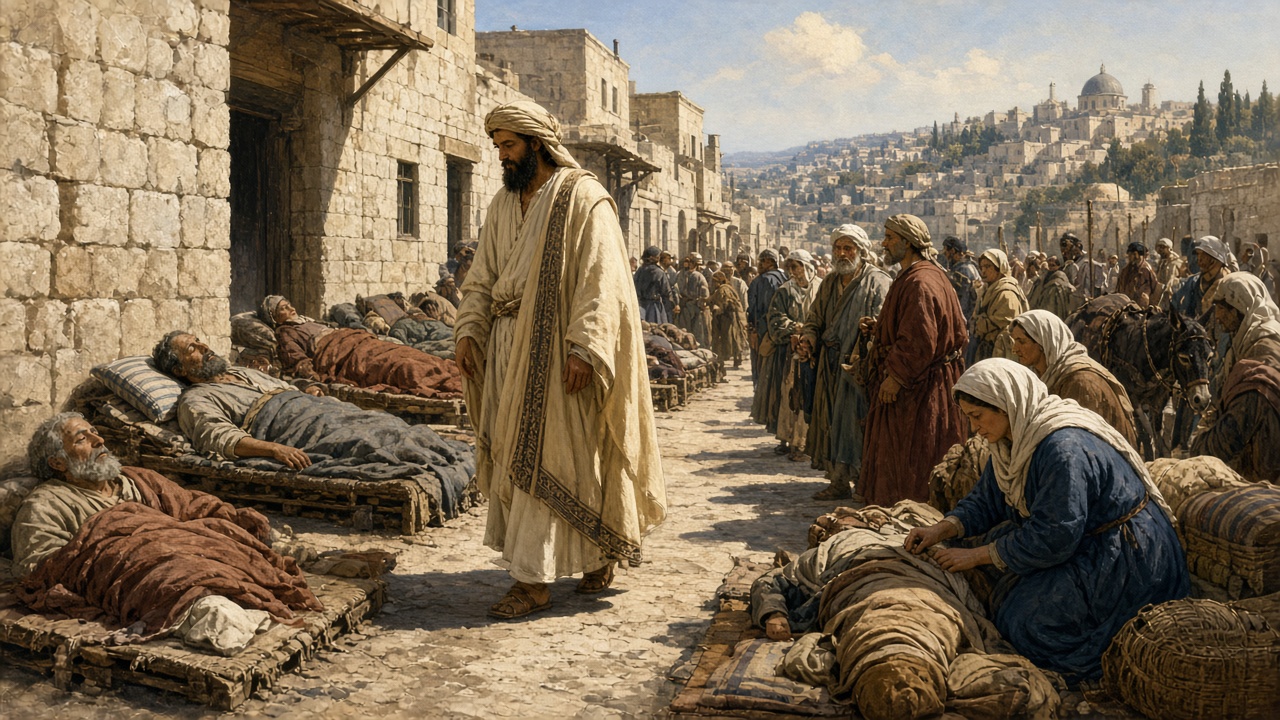
12I apostelab, mas i milágro, mas i nimak tak ʼanic xqui ʼan chiquiwach i winak. Conojel i creyent nic are wi quiqui mol quib pa rachoch i Dios; quiqui mol quib chila che uwach ja chi “re i mam Salomon” ca bix che. 13Xqui bij i winak chi i creyent je ʼutz laj tak winak, xui-ri quiqui xij quib quicachʼilaj quib cuʼ. 14Mas ca tijin qui qʼuiaric i creyent; je qʼui achiab, xak je qʼui ixokib xqui cuba qui cʼux che i Kajwal. 15I winak xe qui cʼam bi iwabib chi tak be, xe qui ya can chila chuwi tak qui chʼat, chuwach tak qui pop. Queje ile xqui ʼano man we xicʼaw i ma Pédro, tzʼakat ne u mujbal quicʼaw piquiwi, ruʼ ile que utzir na. 16I tinimit chi nakaj je ʼo wi, je qʼui i winak que qui cʼam li qui iwabib pa Jerusalen; xak que qui cʼam li je chʼujernak cumal itzel tew; conojel xe utzirsax na.
I ma Pédro i ma Wan xyaʼ qui loʼxic rumal u bixquil u tzij i Kajwal
17Entónces i ʼatz laj sacerdóte, cuʼ i rachiʼil, chi jutzobaj Saducéo, xpe coywal man mas i winak xe terej chiquij i apostelab. 18Rumal-i xe qui chap i apostelab y xe qui min pa cárcel. 19Are chaʼab, i Kajwal xu tak li jun ángel, xol u jaka u chiʼ i cárcel, y xe resaj li apostelab. I ángel xu bij chique:
20—Jix pa rachoch i Dios. Chix tacʼal chiquiwach i winak chila, chi ʼalijinsaj chique wach i mer usucʼ i cʼacʼ laj cʼaslemal —xu bij.
21I apostelab xqui ʼan pacha i xu bij i ángel. Are xsakiric xe ʼe pa rachoch i Dios y xqui jek u cʼutic chique i winak chila.
Tzʼakat que tijin ique chu ʼanic ile, i ʼatz laj sacerdóte, junam cuʼ i je rachiʼil, xe qui mol i nimak tak aj Israel pa nucʼbal tʼisbal. (Ique n-quetaʼam taj wach xu ʼan i ángel chaʼab.) Are xe moltajic, teʼuri xqui tak qui cʼamic i apostelab pa cárcel. 22I policía, are xe upon pa cárcel, n-xe qui rik ta chic i apostelab. Rumal-i xe tzalij pa nucʼbal tʼisbal y xqui bij chique:
23—Are xoj upon chu chiʼ i cárcel, lic tzʼapilic xka riko; i je chajal re, ʼis je ʼo chu chiʼ. Xui-ri, i chupam, are xka jak bic, n-ta xka riko. (Queje ile xqui bij i policía chique i qui nimakil.)
24I cajʼatzil i sacerdóte xak i cajʼatzil i policía pa rachoch i Dios, junam cuʼ i ajwab sacerdóte, are xqui ta ile, lic xqui bisoj. Xqui tzʼonoj chiquiwach:
—¿Wach nawi ca ʼe qʼuis wi niʼpa iri? —que cha.
25Are ʼuri xupon jun achi cuʼ; xu bij chique:
—I achiab chi xe i tzʼapij, je ʼo pa rachoch i Dios; que tijin chu cʼutic chique i winak chila —xu bij.
26I cajʼatzil i policía xe u cʼam bi i rakan u ʼab, xe ʼe qui cʼama i apostelab. Xui-ri, n-xe qui yaj taj, n-xe qui chʼay taj, man quiqui xij quib chique i winak, mokxa cocsax abaj chique. 27I apostelab, are xe cʼam lok, xe tacʼbax chiquiwach i nimak tak aj nucʼbal tʼisbal. Are ʼuri i ʼatz laj sacerdóte xoc chi qui yajic, xu bij chique:
28—Yoj lic ka bim chic chiwe chi mi lapla i Jesus-le. Y yix xi kelo. Je i tijojsam chic conojel i winak aj Jerusalen. Xak quiwaj qui ʼabaj u camic i Jesus chikij yoj —que cha chique. 29Teʼuri i ma Pédro cuʼ i juban apostelab xqui bij chique:
—Lic ʼo chakakul caka cojo wach cu bij i Dios chake, n-are ta wach quiqui bij i winak chake. 30I Kajwal Dios, chi xqui coj u ʼij i katit ka mam, are ire xcʼunsaw sak chuwach i Jesus. Are i Jesus-le chi xi rip yix chuwach cruz, camsabal-re. 31Are i Jesus-le chi Dios xu ya chicaj pu wikabim, cojbal re u ʼij. Xu ʼan che chi Kajʼatzil yoj, xak Tolke, man queje ile ʼo módo chi yoj oj aj Israel caka jalwachij ni ka nojbal chi n-ʼus taj, xak caka rik u cuytajic ka mac. 32Yoj waral kilom wach i xa ʼanic; oj ʼo chu bixquil wach i kilom. Xak i u Tewal i Dios cu ʼalijinsaj chi katzij wach coj tijin chu bixquil. I Dios u yom i u Tewal-le chique niʼpa i que cojow u tzij. (Queje i qui tzij i apostelab ile chique.)
33I achiab chi je ʼo pa nucʼbal tʼisbal, are xqui ta, xpe coywal; cacaj ique que qui camsaj. 34Xui-ri, ʼo jun achi, mam Gamaliel u bi, xtaqʼui ʼan chiquixol. Ire jun chique i jutzobaj aj Fariséo, jun nim laj cʼutunel re i ujer ʼatbal tzij re i Dios. Ire lic ocsam u ʼij cumal i winak. I mam-le xu bij chi que quesaj bi jubiʼ i apostelab chi sak. 35Teʼuri xu jek u bixquil chique i nimak tak mamʼib. Xu bij:
—Ix wach aj tinimit, chi ʼana cwent wach qui ʼan chique i achiab-le. 36Cha cʼun chi cʼux, maja naj u ʼanic, ʼo jun achi, ma Téudas u bi, ire xoʼon nim che rib. Xe moltaj u qʼuial achiab ruʼ, colo cajib ciénto, xui-ri, ire xcamsax na, y niʼpa i je teren chirij xe quicher bic. Wach tak u nojim, toʼ xsachic. 37Xoʼon chupan jubiʼ, are ʼij wi chi xe ʼajlax wi i winak, xak ʼo jun achi aj Galiléa chi xe moltaj u qʼuial achiab ruʼ; ire ma Júdas u bi. Xui-ri, xak xcamsax ire, teʼuri i je teren chirij xak xe quicher bic. 38I in tzij yin chiwe yix: me i yinya. Chiqui ʼana ni quib. Niʼpa i que tijin chu cʼutic, we xa piqui nojbal winak petnak wi, ca sach ni u wach ʼuri. 39We ruʼ i Dios petnak wi, n-quix tiqui ta ʼuri chu chupic. Chi ʼana cwent, mokxa chirij i Dios quix tijin wi chi chʼoʼoj —coʼon i mam Gamaliel chique.
40Conojel i nimak tak mamʼib ʼutz xqui ta ile. Xe qui siqʼuij ʼuri i apostelab, xqui jic qui loʼxic, y xqui bij chique chi miqul lapla chic i Jesus. Teʼuri xe coʼtaj bic. 41I apostelab, are xe ʼel pa nucʼbal tʼisbal, lic que quicotic, man i Dios u yom utzil chomal chique chi xqui tij ni qʼuix rumal re i Jesus. 42Ique n-xqui mayij ti u cʼutic chi Jesus are i Tolke. ʼIj ʼij que tijin chu bixquil pa rachoch i Dios, xak pa cachoch i winak.
Você sabia?
Engano, maravilhas e o Sinédrio
- Ananias, membro da igreja de Jerusalém, e sua esposa Safira, cujo nome significa bela, venderam um terreno e, com o conhecimento dela, retiveram parte do valor, levando o restante aos apóstolos. Ele poderia ter conservado a propriedade; Pedro lembrou que ela continuava à sua disposição tanto antes como depois da venda. O erro foi a mentira: ele afirmou ter entregue tudo, Safira confirmou o preço falso, e os dois morreram, ela participando da culpa e do castigo dele.Fontes: Ananias (Husband of Sapphira) · Sapphira · o próprio texto bíblico
- Os crentes reuniam-se de comum acordo no Pórtico de Salomão, onde os apóstolos realizavam muitos sinais e maravilhas. Essa colunata ficava provavelmente no lado oriental do templo. Não é mencionada em conexão com o primeiro templo, embora Josefo se refira a um pórtico com esse nome no templo de Herodes.Fontes: Solomon's Portico · o próprio texto bíblico
- Quando o sumo sacerdote e os seus associados, que pertenciam ao partido dos saduceus, mandaram prender os apóstolos, um fariseu chamado Gamaliel levantou-se no Sinédrio. Ele é descrito como mestre da lei, honrado por todo o povo, filho do rabino Simeão e neto do famoso rabino Hilel, e como opositor dos saduceus; pediu ao conselho que deixasse aqueles homens em paz. Apontou para Teudas, que liderou uma insurreição contra a autoridade romana e, segundo o relato de Gamaliel, reuniu cerca de quatrocentos homens antes de o movimento acabar em nada — além disso, nada mais se sabe de Teudas — e para Judas, o galileu, que pereceu nos dias do recenseamento.Fontes: Gamaliel · Theudas · o próprio texto bíblico
Notas escritas com auxílio de IA a partir de fontes abertas (Theographic Bible Metadata, CC BY-SA 4.0; Easton’s Bible Dictionary, domínio público) e revisadas antes de publicar.
Lugares deste capítulo
- Solomon’s Portico · Hoje: in Jerusalem · 31.777, 35.234 · versículo 12
- Jerusalem · 31.777, 35.234 · versículos 16, 28
- Galilee · 32.760, 35.527 · versículo 37
Só aparecem lugares com identificação de alta confiança (90% ou mais segundo as fontes acadêmicas reunidas pelo OpenBible). Mapa da época: DARE (Digital Atlas of the Roman Empire), CC BY 4.0; mapa atual: © colaboradores do OpenStreetMap; lugares: OpenBible.info (CC BY 4.0).
Créditos e licença desta tradução
I 'utz laj tzij re i dios
New Testament in Achi (I 'utz laj tzij re i dios)
copyright © 2009 Wycliffe Bible Translators, Inc.
Language: Achi
Dialect: Cubulco
Translation by: Wycliffe Bible Translators, Inc.
Achi, Cubulco
Achi' is a Mayan language very
closely related to K'iche' (Quiché in the older orthography). It is spoken by the
Achi people, primarily in the area of Baja Verapaz in Guatemala. There are two Achi'
dialects. Cubulco Achi' is spoken by approximately 48,000 people in the Cubulco area
west of Rabinal area. Rabinal Achi' is spoken by approximately 37,000 people in the
Rabinal area.
El Nuevo Testamento
en el idioma Achí de Cubulco de
Guatemala
Ediciones anteriores
Segunda edición
©2009, Wycliffe Bible
Translators
Primera edición
Publicado por
©1984, Sociedad Bíblica
Internacional
Copyright Information
© 2009, Wycliffe Inc. All rights reserved.
This translation text is made available to you under the terms of the Creative
Commons License: Attribution-Noncommercial-No Derivative Works. ( http://creativecommons.org/licenses/by-nc-nd/3.0/ ) In addition, you have
permission to port the text to different file formats, as long as you do not change
any of the text or punctuation of the Bible.
You may share, copy, distribute, transmit, and extract portions or quotations from
this work, provided that you include the above copyright information:
You must give Attribution to the work.
You do not sell this work for a profit.
You do not make any derivative works that change any of the actual words or
punctuation of the Scriptures.
Permissions beyond the scope of this license may be available if you contact us
with your request. If you want to revise a translation, use a translation in an
adaptation, or use a translation commercially, we will consider your request.
NT:segunda edición
The New Testament
in Achi
© 2009, Wycliffe Inc. All rights reserved.
This translation is made available to you under the terms of the
Creative Commons Attribution-Noncommercial-No Derivatives license 4.0.
You may share and redistribute this Bible translation or extracts from it in any format, provided that:
You include the above copyright and source information.
You do not sell this work for a profit.
You do not change any of the words or punctuation of the Scriptures.
Pictures included with Scriptures and other documents on this site are licensed just for use with those Scriptures and documents.
For other uses, please contact the respective copyright owners.
2013-01-05
Fonte: http://ebible.org/acr-acc/ · eBible.org