Apocalipsis 6
Tupã Je'ẽha · Toca un versículo para ver sus referencias cruzadas.
Paper mamã ame'ẽ kyndaha ke Kirisutu mopok
1Ajame'ẽ ke Arapuharan Ra'yr rehe ihẽ asak. (Kirisutu ke a'e.) Paper mamã ame'ẽ kyndaha ke a'e mopok. Awa po wajar mokõi hetaha kyndaha ke ihĩ. Ame'ẽ ngi peteĩhar ke a'e mopok. Aja rahã, tumeme ixuwe katu hũ ame'ẽ ta ngi har peteĩ pandu. Pandu rahã, Tupã tyapuha aja ihẽ ahendu. Kuja pandu:
—Ejur! — aja riki.
2Ihẽ ama'ã rahã, kahwa tuwyr ame'ẽ ke uhem. Xupe 'ar pe sawa'e oho. Yrapar namõ oho. (Aja rahã, huwajan ta namõ jumai ta oho, aja mujekwa.) Pe, iãkã rehe har amõ me'ẽ ipe. Kapitã keruhũma'e aja ame'ẽ. (Huwajan ta ke muputu'u ta, aja ame'ẽ mujekwa.) Huwajan ta ke muputu'u ta oho.
3A'engi paper kyndaha mokõihar ke Arapuharan Ra'yr mopok. (Kirisutu ke a'e.) Pe, ixuwe katu hũ ame'ẽ ta ngi har mokõihar pandu:
—Ejur! — aja.
4Aja rahã, amõ kahwa uhem. Pirã ame'ẽ ke ame'ẽ. Xupe 'ar pe sawa'e oho. Pyrãtãha ke Tupã muwyr ipe. Ame'ẽ namõ kome'ẽ ywy keruhũ pe har ta ke sawa'e muka'u te'e. A'erehe kome'ẽ ywy keruhũ pe har ta jumai mai ngã juehe. Aja ngã jukwa jukwa ngã juehe. A'erehe ame'ẽ sawa'e pe kyse keruhũ ke Tupã muwyr. |src="7_SEALS.tif" size="col" ref="Apokarip 6.4"
5A'engi paper kyndaha mahapyrihar ke Arapuharan Ra'yr mopok. (Kirisutu ke a'e.) Ixuwe katu hũ ame'ẽ ta ngi har mahapyrihar pandu. Ame'ẽ ke rehe ihẽ ahendu:
—Ejur! — aja riki.
Ihẽ ama'ã rahã, kahwa pihun ame'ẽ ke uhem. Xupe 'ar pe sawa'e oho. Ma'e puhýiha mangaha ke ipo pe a'e pyhyk reko. (Ame'ẽ pe ngã mi'u ke manga ta.) 6Tumeme ixuwe katu hũ ame'ẽ ta ngi har amõ pandu, aja ihẽ ahendu. Kuja pandu riki:
—Peteĩ wera rahã, amõ paraky rahã, tamatarer pyhyk. Ame'ẽ pe peteĩ mangaha jõ ahúi aja me'ẽ ke amõ jo'ok katu. Aja pame katu te ngã pe me'ẽ me'ẽ. (Ta'yr te mi ame'ẽ. Uhyk ym ngã pe. A'erehe myahy te hũ ngã.) Peteĩ wera rahã, amõ paraky rahã, tamatarer pyhyk. Ame'ẽ pe mahapyr mangaha jõ u'i aja me'ẽ amõ jo'ok katu. (Awa mi'u ame'ẽ tĩ.) Aja pame katu te ngã pe me'ẽ me'ẽ. (Ta'yr mi jo'ok. Uhyk ym ngã pe. A'erehe myahy te hũ ngã.) Kupixa pe har ma'eywa'y emondok ym. Oriwéi'y emondok ym. Uwa'y aja tĩ. Emondok ym tĩ — aja panduha ihẽ ahendu. (Aja rahã, ta'yr te mi awa mi'u ke arahã ngã jo'ok aja mujekwa. Uhyk ym ngã pe. A'erehe myahy te hũ ngã.)
7A'engi paper kyndaha tumemehar ke Arapuharan Ra'yr mopok. (Kirisutu ke a'e.) Ixuwe katu hũ ame'ẽ ta ngi har tumemehar pandu ame'ẽ ke rehe ihẽ ahendu:
—Ejur! — aja riki.
8Ihẽ ama'ã rahã, kahwa tawa ke rehe ihẽ asak. Xupe 'ar pe sawa'e oho. A'e uwyr rahã, manõ te hũ ngã. A'erehe her: “Manõ ame'ẽ ke” aja riki. Haikwer rupi manõ ame'ẽ ta oho inamõ, ame'ẽja saka. Pe, ame'ẽ ta pe Tupã pandu: “Kome'ẽ ywy keruhũ pe har ta ke pejukwa. Tumeme ixo rahã, ame'ẽ ngi har peteĩ pejukwa. Aja pame katu te kome'ẽ ywy keruhũ pe har ta ke pejukwa. Ngã jumai mai ixo rahã, tumemehar ngi har peteĩ pejukwa. Ngã mi'u nixói te aja ixo rahã, tumemehar ngi har peteĩ pejukwa tĩ. Tumeme ma'e ahy ixo ame'ẽ ta ngi har peteĩ pejukwa tĩ. Ka'a rupi so'o jarõ ame'ẽ ta ixo. Ame'ẽ ta ke ngã koty pemondo. Ame'ẽ ta riki ngã ke jukwa ta tĩ. Tumeme har ngi har peteĩ jukwa ta” aja Tupã pandu.
9A'engi paper kyndaha awa po wajar peteĩhar upa har ke Arapuharan Ra'yr mopok. (Kirisutu ke a'e.) Ihẽ ama'ã rahã, myrape keruhũ rehe ihẽ asak. Kome'ẽ ywy keruhũ pe Tupã rehe amõ ipy'a moĩ moĩ rahã, myrape keruhũ 'ar pe tapi'iruhu ke hapy. Ame'ẽ myrape aja asak. Ame'ẽ myrape keruhũ wyr pe amõ ta'ã rehe ihẽ asak. Ame'ẽ ta riki Tupã je'ẽha ke kome'ẽ ywy keruhũ rupi pandu pandu ame'ẽ ta ke. A'erehe ame'ẽ ta ke Tupã rehe ipy'a ym ame'ẽ ta jukwa. Ame'ẽ ta ke ngã mupyrara rahã, tapijar te'e we Kirisutu rehe har pandu pandu. Hijar ym. 10Ame'ẽ ta hãtã pandu:
—Sawa'e! Pyrãtã te hũ ame'ẽ ke nde. Katu te ame'ẽ ke nde. Nde erepandu ame'ẽ ke nde erema'ema'e katu. Peme'ẽ ywy keruhũ pe nde rehe ipy'a ym ame'ẽ ta ixo. Ame'ẽ ta pe nde erepandu ta: “Pehẽ katu ym” aja. Myja rahã, ame'ẽ ta pe aja nde erepandu ta my? Myja rahã ame'ẽ ta ke nde eremupyrara ta my tĩ? — aja Tupã pe pandu.
11Ame'ẽ ta pame katu te pe mundeha tuwyr te ame'ẽ ke amõ me'ẽ me'ẽ. (Aja rahã, ipy'a juhyk ame'ẽ ta ke, aja mujekwa.) Pe, pandu: “Peharõ we rĩ. Pehẽ aja Tupã je'ẽha ke amõ ta pandu pandu tĩ. Pehẽ mu ta aja ame'ẽ ta tĩ. Ame'ẽ ta ke pehẽ aja Tupã rehe ipy'a ym ame'ẽ ta jukwa ta kỹ tĩ. A'ewan ym we rĩ. A'ewan jukwa rahã, ihẽ amupyrara ta” aja Tupã pandu.
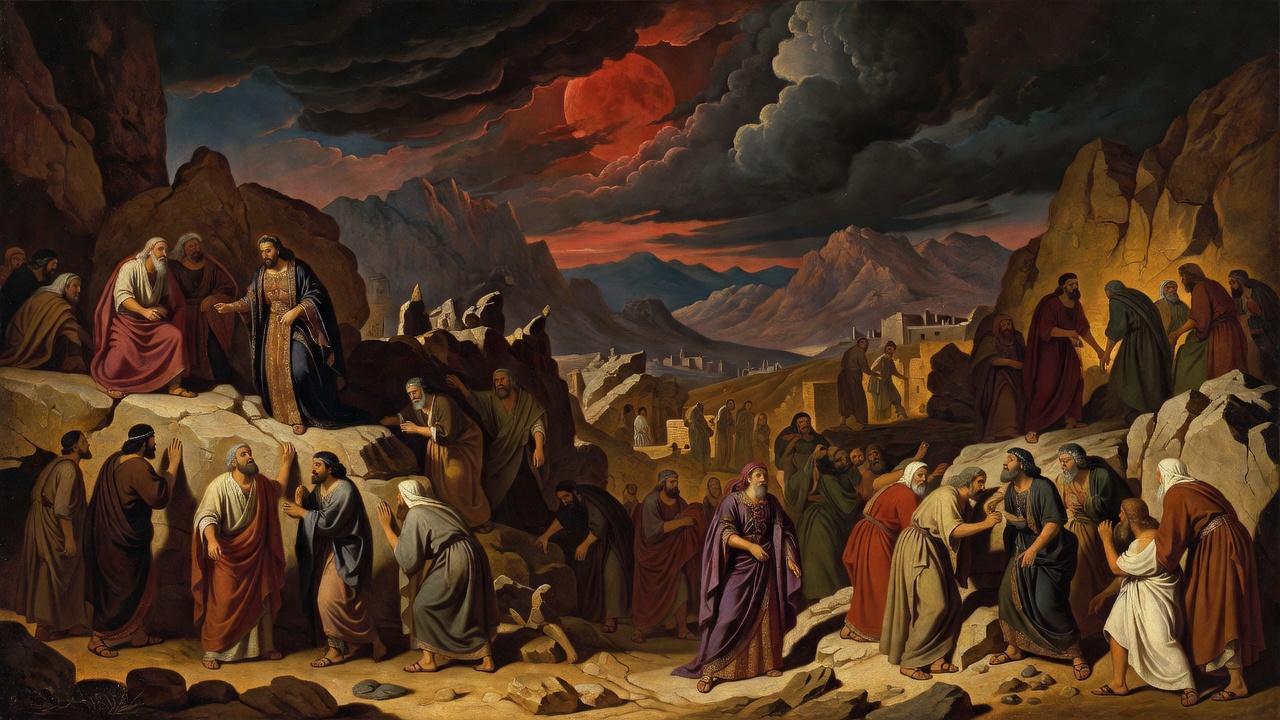
12A'engi paper kyndaha awa po wajar peteĩhar ke Arapuharan Ra'yr mopok. (Kirisutu ke a'e.) Kyndaha mopok rahã, ywy ke katak te hũ. Pe, warahy pihun oho. Pan pihun xuru rãi, ame'ẽja saka warahy pihun oho. (Aja rahã, kome'ẽ ywy keruhũ pe har ta pyrara te hũ ta aja mujekwa.) Jahy aja tĩ. Awa ruwy aja pirã oho. (Pyrara te hũ ta ngã aja mujekwa tĩ.) 13Jahy rata ta u'ar tĩ. Kome'ẽ ywy keruhũ pe u'ar. Ywytu keruhũ peju rahã, ma'eywa jakyr ke u'ar, aja jahy rata ta u'ar tĩ. (Aja rahã, kapitã ta ke muputu'u ta, aja mujekwa.) 14Ywa kanim oho tĩ. Paper ke amõ mamã. Aja ywa kanim oho. (Aja rahã, ma'e ke uwak ta aja mujekwa.) Pe, ywy'ã keruhũ henda ngi tyryk tĩ. Ypa'ũ aja tĩ. Henda ngi tyryk tĩ. (Aja rahã, uwakiha uhyk ta, aja mujekwa.) 15Pe, kapitã keruhũ ta kanim oho. Kome'ẽ ywy keruhũ pe ixo ame'ẽ ta ke ame'ẽ ta. Kapitã ta aja tĩ. Kanim oho tĩ. Sonda tama'e kapitã ta aja tĩ. Kanim oho tĩ. Upa ima'ehũ ame'ẽ ta aja tĩ. Kanim oho tĩ. Pyrãtã te hũ ame'ẽ ta aja tĩ. Kanim oho tĩ. Upa katu te amõ ta aja tĩ. Amõ pe paraky te'e ame'ẽ ta ke aja tĩ. Kanim oho tĩ. Juehe paraky ame'ẽ ta ke aja tĩ. Kanim oho tĩ. Upa katu te aja tĩ. Kanim oho tĩ. Itakwar keruhũ rupi kanim oho. Ywy'ã keruhũ rehe ita keruhũ ihĩ. Ame'ẽ wyr pe kanim oho tĩ. 16Upa ame'ẽ ta pukái hũ. Ywy'ã keruhũ pe pukái hũ. Ita keruhũ pe pukái hũ tĩ. Kuja riki pukái:
—Jande ke pejupyk. Jande ke pemukanim tĩ. Wapyka rehe wapyk ame'ẽ ke ngi jande ke pemukanim, Tupã ngi. Aja rahã, a'e usak ym ta jande rehe. Arapuharan Ra'yr ngi jande ke pemukanim tĩ, Kirisutu ngi. Aja rahã, jande rehe usak ym ta a'e tĩ. Ame'ẽ tama'e parahyha ngi jande ke pemukanim. Ame'ẽ ta mokõi riki parahy jande rehe. Ame'ẽ angaha uhyk riki. Marã ka ym ame'ẽ ngi uhemiha awa — aja pukái hũ ngã.
'Ar rehe anga uhyk rahã, aja ta kỹ.
¿Sabías que…?
La apertura de los seis sellos
- Los primeros cuatro sellos revelan cuatro jinetes sobre caballos blanco, bermejo, negro y pálido, llamados uno a uno por los cuatro seres vivientes. Cada jinete trae una aflicción distinta sobre la tierra, desde la conquista y la pérdida de la paz hasta la escasez generalizada, la peste y la muerte.Fuentes: el propio texto bíblico
- El tercer jinete lleva una balanza, acompañado por una proclamación que fija el precio de una medida de trigo o tres de cebada en un denario, lo que refleja una grave escasez de alimentos básicos mientras el aceite y el vino no sufren daño.Fuentes: el propio texto bíblico
- Al abrirse el quinto y el sexto sello, la visión pasa a las almas de los mártires bajo el altar y luego a enormes conmociones cósmicas y terrestres que impulsan a personas de toda condición social a refugiarse en cuevas y peñascos.Fuentes: el propio texto bíblico
Notas escritas con ayuda de IA a partir de fuentes abiertas (Theographic Bible Metadata, CC BY-SA 4.0; Easton’s Bible Dictionary, dominio público) y revisadas antes de publicarse.
Créditos y licencia de esta traducción
Tupã Je'ẽha
New Testament in Kaapor (BR:urb:Kaapor)
copyright © 2012 Wycliffe Bible Translators, Inc.
Language: Kaapor
Translation by: Wycliffe Bible Translators, Inc.
Copyright Information
© 2012, Wycliffe Bible Translators, Inc. All rights reserved.
This translation text is made available to you under the
terms of the Creative Commons License: Attribution-Noncommercial-No Derivative Works.
( http://creativecommons.org/licenses/by-nc-nd/3.0/ )
In addition, you have permission to port the text to different file formats, as long as you
do not change any of the text or punctuation of the Bible.
You may share, copy, distribute, transmit, and extract portions
or quotations from this work, provided that you include the above copyright
information:
You must give Attribution to the work.
You do not sell this work for a profit.
You do not make any derivative works that change any of the actual words or punctuation of the Scriptures.
Permissions beyond the scope of this license may be
available if you contact
us with your request.
The New Testament
in Kaapor
© 2012, Wycliffe Bible Translators, Inc. All rights reserved.
This translation is made available to you under the terms of the
Creative Commons Attribution-Noncommercial-No Derivatives license 4.0.
You may share and redistribute this Bible translation or extracts from it in any format, provided that:
You include the above copyright and source information.
You do not sell this work for a profit.
You do not change any of the words or punctuation of the Scriptures.
Pictures included with Scriptures and other documents on this site are licensed just for use with those Scriptures and documents.
For other uses, please contact the respective copyright owners.
2014-04-27
Fuente: http://ebible.org/urbNT/ · eBible.org