Amós 3
Bibiri Kuyie Nnɑ́ɑǹtì Pɑ́tíri · Toca un versículo para ver sus referencias cruzadas.
Kuyie ncɑummɛ̀ ku kɔbɛ Isidɑyɛɛribɛ
1Díndi Isidɑyɛɛribɛ kéntɛ́nɛ̀ mí ndi Yiɛ̀ nKuyie ndi nɑ́ɑ́ ntì, díndi n dènnɛní bɛ̀ Esibiti:
2Ibotí imɔu miɛkɛ n tɑ̃ɑ̃tɛ́ dím̀bɛ,
dɛɛ̀ te kɛ̀ n yóó yṹɔ̃́ ndi to
mɛyɛi ndi dɔɔri mɛ̀ɛ̀ kó dimɑ̀ɑ̀ kpɛ́í.
Kuyie mpɑ̃ɑ̃nɑ́ɑǹtì nɑ́ɑǹtò bɑ́ɑ́ nɑ kɛ í mbɛ́i Kuyie nhò nɑ̀kɛ́ tì
3Kɛ̀ ti Yiɛ̀ nKuyie mbɛ́i nkɛ dɔ̀:
Kɛ̀ bɛnìtìbɛ̀ bɛ̀dɛ́bɛ̀ í wɛ̃nnɛ́ dinùù
bɛ̀ bo nnɛíɑ̀?
4Dicìrícìrì ɔ̃ɔ̃ í nhũntɛ kutúúkù miɛkɛ
kɛ í yɑ̀ dì bo pĩ́ ndɛ̀.
Dicìrícìrìbii bɑ́ɑ́ kuɔ́ nkutɑ̃dènkù miɛkɛ
kɛ í pĩ mmùmɑmù.
5Tɛnɔ̀tɛ̀ í yóó sɔ̃́ntɛ́ kɛ́tɑ ticùɔ̀tì miɛkɛ
kɛ í yɑ̀ mudiì.
Timɑ́tì í yóó sɔ̃́ntɛ́ kɛ́tɑ̃ũ
kɛ̀ dɛ̀mɑrɛ̀ í nɑ ti miɛkɛ.
6Ditɑ̃tɛheù bo kuɔ́ ndihɛì miɛkɛ kɛ̀ kufɔ̃wɑɑ́
mbɑ́ɑ́ pĩ́ mbɛnìtìbɑ̀ɑ̀?
Mɛyɛi mbo tuɔ̀kɛní dihɛì mɑrì
kɛ̀ ti Yiɛ̀ nKuyie nyí mɛ̀ duɔ́nnɑ́ɑ̀?
7Mí ndi Yiɛ̀ nKuyie nhɔ̃ɔ̃ í ndɔ̀ɔ̀ tìmɑtì kɛ í ketɛ́ kɛ duɔ́ nkɛ̀ m pɑ̃ɑ̃nɑ́ɑǹtì nɑ́ɑm̀bɛ̀ tì nɑ̀kɛ́.
8Kɛ̀ dicìrícìrì ũntɛ
we mbo yĩ́ kufɔ̃wɑɑ́ nyí ò pĩ?
Kɛ̀ ti Yiɛ̀ nKuyie nyĩ: Bɛ́i!
We mbo ncĩ́ɛ̃́kɛ́ kɛ bɑ́ɑ́ bɛ́i nku pɑ̃ɑ̃nɑ́ɑǹtì?
Kuyie nnɑ̀kɛ́mɛ̀ Sɑmmɑrii ɛì yóó pɔntɛmɛ̀
9Kɛ̀ ti Yiɛ̀ nKuyie mbɛ́i nkɛ dɔ̀:
Pĩɛ̃kɛ́nɛ̀ Asidɔti kó sikpɑ̀ɑ̀tìcɛ̃́ĩ nɛ̀ Esibiti kpɛsi,
kɛ́duɔ́ nkɛ̀ bɛ̀ɛ tíí nSɑmmɑrii tɑ̃rɛ̀ ĩ́nkɛ̀,
kɛ́yɑ̀ dikɔnkɔɔ̀nnì dìì bo o miɛkɛ
nɛ̀ bɛ fɛ̃́ũnko mɛ̀ɛ̀ botí bɛtɔbɛ̀.
10Sɑmmɑrii ɛì kɔbɛ í dɔɔri dɛ̀ɛ̀ sìɛ́,
bɛ̀ dɔ̀rimu
kɛ yoti bɛ kpɑ̀ɑ̀tìcɛ̃́ĩ miɛkɛ bɛ̀ fèkɛ dɛ̀.
Mí ndi Yiɛ̀ nKuyie, mmíì mɛ nyɛ̃.
11Nɛ̀ dɛ kpɛ́í ndi dootitɔbɛ̀ yóó di cɛ̃tinnɛmu
kɛ́pɔntɛ di wɛ̃rímú
kɛ́hɛí dɛ̀ɛ̀ bo di kpɑ̀ɑ̀tìcɛ̃́ĩ miɛkɛ.
Isidɑyɛɛribɛ bɛ̀ɛ̀ bo Sɑmmɑrii bɛ kó mɛdɛɛtímɛ̀ bo nyóù
12Dicìrícìrì ɔ̃ɔ̃ pĩ́ nfɛpìèfɛ̀
kòo pecɛ̃nti fietɛ mɛ̀ɛ̀ botí yɛkpɑ́ɑ̀ nyoo ditoò kũ̀nnì,
n yóó mɛ ndɛɛtɛ́ Isidɑyɛɛribɛ bɛ̀ɛ̀ bo Sɑmmɑrii
kɛ kɑri yɛkɑ̀rɛ̀ diɛyɛ̀ ĩ́nkɛ̀ yoo dɛ tɛ̃ĩ̀ mbìɛ̀.
Kuyie ncɑummɛ̀ Betɛɛdi ɛì kɔbɛ
13Kɛ̀ ti Yiɛ̀ nKuyie mbɛ́i nkɛ dɔ̀:
Mí ndi Yiɛ̀ nKuyie Mpɑkɛdɑɑ míì bɛ́i nkɛ tú:
Nɑ́kɛ́ Sɑkɔbu yɑɑ̀bí kɛ tú:
14N yɛ̃ ndɛ yiè
m bo yṹɔ̃́ nyIsidɑyɛɛribɛ to bɛ yɛi nkpɛ́í.
M bo ítɛ́ kɛ́cómmú
kɛ́pɔntɛ yɛwũɔ̃tɔ̀rɛ̀ yɛ̀ɛ̀ bo Betɛɛdi,
kɛ bɔ́kɛ́ yɛ kó yɛbɑ̀kɛ̀
kɛ́ yɛ̀ buɔ́ nkɛtenkɛ̀.
15M bo puɔ mbɛ cɛ̃́ĩ
bɛ̀ ɔ̃ nhɑ̃ sì diyɔ̃ɔ̃̀ nɛ̀ bɛ̀ ɔ̃ nhɑ̃ sì dipɑɑ̀,
sìì dɑ̀ri yɛpɑ́pɑ́nìì nkó tisɑ̃tì,
kɛ́buɔ́ nsicɛ̃diɛsì.
Mí ndi Yiɛ̀ nKuyie mmíì bɛ́i.
¿Sabías que…?
Testigos contra Samaria
- Amós convoca de manera dramática a las fortalezas de Asdod, una destacada ciudad filistea, junto con las de Egipto, a reunirse en los montes que rodean Samaria. Estas naciones extranjeras son invitadas a observar el desorden y la opresión dentro de la capital del reino del norte de Israel.Fuentes: el propio texto bíblico · Ashdod · Samaria
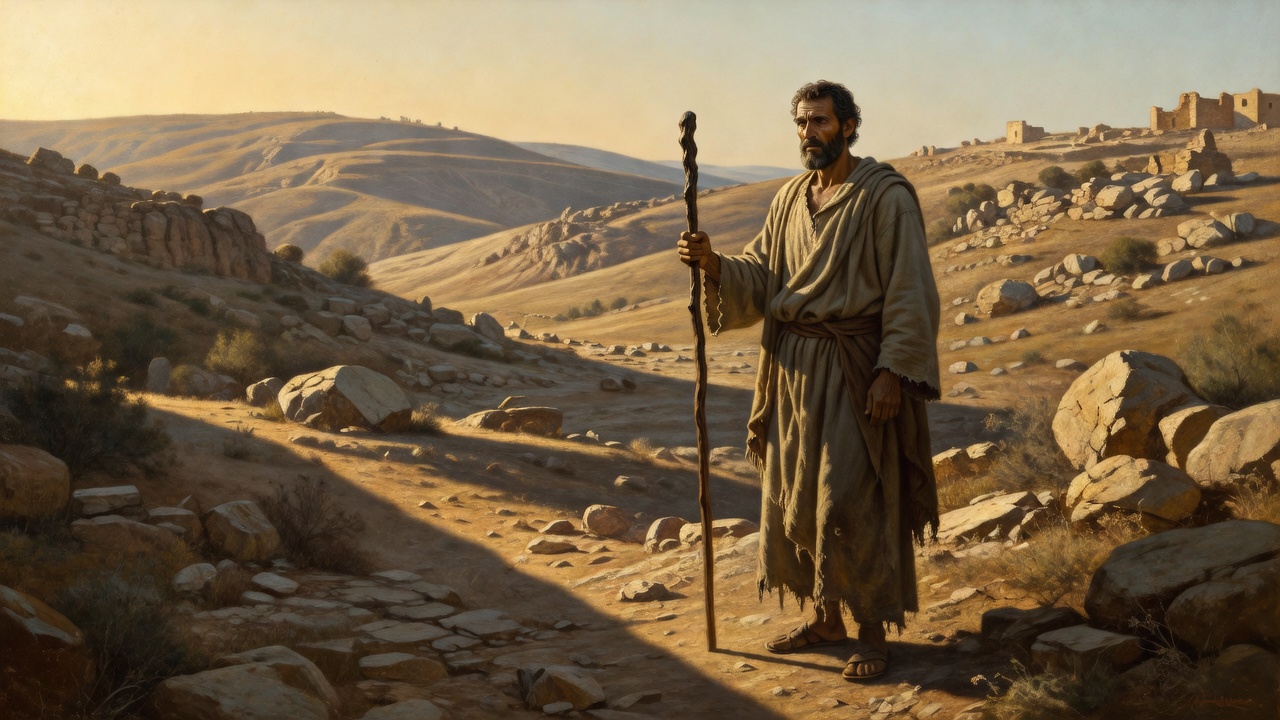
- La vívida imagen de un pastor que rescata dos patas o un trozo de oreja de la boca de un león refleja la realidad práctica y legal de la vida pastoril antigua. El pastor debía recuperar los restos para demostrar al dueño que el animal había sido devorado por un depredador.Fuentes: el propio texto bíblico
- La profecía anuncia la destrucción tanto del santuario religioso en Betel como de las lujosas mansiones de la élite. Los ricos del reino del norte habían construido múltiples residencias de temporada, incluidas casas de invierno y de verano adornadas con costoso marfil.Fuentes: el propio texto bíblico · Bethel (of Palestine)
Notas escritas con ayuda de IA a partir de fuentes abiertas (Theographic Bible Metadata, CC BY-SA 4.0; Easton’s Bible Dictionary, dominio público) y revisadas antes de publicarse.
Lugares de este capítulo
- Egypt · 30.129, 31.308 · versículos 1, 9
- Ashdod · Hoy: Tel Ashdod · 31.757, 34.658 · versículo 9
- Samaria · 32.276, 35.195 · versículos 9, 12
- Damascus · 33.511, 36.306 · versículo 12
Solo aparecen lugares identificados con alta confianza (90 % o más según las fuentes académicas reunidas por OpenBible). Mapa de la época: DARE (Digital Atlas of the Roman Empire), CC BY 4.0; mapa actual: © colaboradores de OpenStreetMap; lugares: OpenBible.info (CC BY 4.0).
Créditos y licencia de esta traducción
Bibiri Kuyie Nnɑ́ɑǹtì Pɑ́tíri
The Holy Bible in the Ditammari language of Benin
copyright © 2001 SIM International
Language: Ditammari
Translation by: SIM
This translation text is made available to you under the
terms of the Creative Commons License: Attribution-Noncommercial-No Derivative Works.
( http://creativecommons.org/licenses/by-nc-nd/3.0/ )
In addition, you have permission to port the text to different file formats, as long as you
do not change any of the text or punctuation of the Bible.
You may share, copy, distribute, transmit, and extract portions
or quotations from this work, provided that you include the above copyright
information:
You must give Attribution to the work.
You do not sell this work for a profit.
You do not make any derivative works that change any of the actual words or punctuation of the Scriptures.
Permissions beyond the scope of this license may be
available if you contact
us with your request.
This translation is made available to you under the terms of the
Creative Commons Attribution-No Derivatives license 4.0.
You may share and redistribute this Bible translation or extracts from it in any format, provided that:
You include the above copyright and source information.
You do not make any derivative works that change any of the actual words or punctuation of the Scriptures.
Pictures included with Scriptures and other documents on this site are licensed just for use with those Scriptures and documents.
For other uses, please contact the respective copyright owners.
2022-05-31
Fuente: http://ebible.org/tbzsim/ · eBible.org