Amós 2
Bibiri Kuyie Nnɑ́ɑǹtì Pɑ́tíri · Toca un versículo para ver sus referencias cruzadas.
1Kɛ̀ ti Yiɛ̀ nKuyie mbɛ́i nkɛ dɔ̀:
Mɔɑbu ɛì kɔbɛ kó mɛyɛi mmɛɛ̀ sũ̀ṹ nkɛ tontɛ́,
n yí yóó yóu n tɑ̃ɑ̃tɛ́ kɛ bo dɔɔ̀ tì,
bɛ̀ cɔ́u mmɛ̀ɛ̀ kpɛ́í nhEdɔmmu kóo kpɑ̀ɑ̀tì kṹɔ̃̀
kɛ̀ yɛ̀ cɔ̀útɛ́ fṹkṹfṹkṹ.
2N yóó cṹũnko muhɑ̃ɑ̃́ mmu
kɛ̀ mùu cɔ́útɛ́ sikpɑ̀ɑ̀tìcɛ̃́ĩ sìì bo Kediyɔti.
Mɔɑbu kɔbɛ bo kú mudoò kó kunɔɔ̀roo
nɛ̀ yɛtɑ̃tɛhe kó yɛdɑbùò mmiɛkɛ.
3M bo kuɔ bɛnìùbɛ̀ o ciɛ pɑ́íí
kɛ́kuɔ sikpɑ̀ɑ̀tìbìí kóò wɛ̃nnɛ́nɛ̀.
Mí ndi Yiɛ̀ nKuyie mmíì bɛ́i.
4Kɛ̀ ti Yiɛ̀ nKuyie mbɛ́i nkɛ dɔ̀:
Sudɑɑ kɔbɛ kó mɛyɛi mmɛɛ̀ sũ̀ṹ nkɛ tontɛ́,
n yí yóó yóu n tɑ̃ɑ̃tɛ́ kɛ bo dɔɔ̀ tì,
bɛ̀ yetɛ mɛ̀ɛ̀ kpɛ́í n tié,
bɑ́ bɛ̀ í tũ̀nnɛ n kuɔ́ kɛ tũ̀nnɛ siyɑ́ɑ̀bìsí kpɛrɛ,
bɛ yɛmbɛ̀ do tũ ndɛ̀ kɛ̀ dɛ̀ bɛ̀ fétìnnɛ.
5N yóó cṹũnko muhɑ̃ɑ̃́ mmu
kɛ̀ mùu cɔ́útɛ́ sikpɑ̀ɑ̀tìcɛ̃́ĩ sìì bo Sedisɑdɛmmu.
6Kɛ̀ ti Yiɛ̀ nKuyie mbɛ́i nkɛ dɔ̀:
Isidɑyɛɛribɛ kó mɛyɛi mmɛɛ̀ sũ̀ṹ nkɛ tontɛ́,
n yí yóó yóu n tɑ̃ɑ̃tɛ́ kɛ bo dɔɔ̀ tì.
Bɛ̀ fiiti mɛ̀ɛ̀ kpɛ́í mbɛnitisɑ̀ɑ̀bɛ̀
kɛ cɔú idíítí bɛ̀ í yietí mɛ̀ɛ̀ kpɛ́í mbɛ bɑ̀ɑ̀,
kɛ ɔ̃ɔ̃ fítɛ́ ocĩ̀rì tinɛùtì mɛhɑ̃nnímɛ̀ mɛ̀mɑ́ɑ̀ kó dibɑ̀nnì kpɛ́í.
7Kɛ nɑù bɛcĩ̀rìbɛ̀ kɛ tĩntí bɛ yɔ mutɑ̃́ɑ̃́
bɑ́ bɛ̀ ɔ̃ɔ̃ í nkèńtɛ́ bɛcĩ̀rìbɛ̀ kpɛti kubeéndieku,
cicɛ nɛ̀ dɛbirɛ kɛ̀ bɛ̀ wɛ̃ nhonitipòkù
kɛ cɑɑ̀ri n yètìrì.
8Bɛ̀ fèkù tìì yɑ̀ɑ̀tì bɛcĩ̀rìbɛ̀ borɛ̀
bɛ̀ í yietí mɛ̀ɛ̀ kpɛ́í mbɛ bɑ̀ɑ̀,
bɛ̀ ti mpitírí bɛ bɔkɛ̀ kó yɛtuo miɛkɛ,
kɛ yɔ̃̀ mbɛ̀ fèkɛ mɛ̀ɛ̀ nɑɑ̀ mbɛcĩ̀rìbɛ̀ borɛ̀.
9Di yɛ̃́mu míì kùɔmɛ̀ Amɔriibɛ
bɛ̀ɛ̀ okùmɛ̀ do mɑnnɛ̀ dɛtie ndiɛrɛ̀
kɛ̀ bɛ̀ kpeńnì kɛ̀ m bɛ̀ uutɛ́nɛ̀ bɛ cĩɛ̃ nnɛ̀ bɛ bɛ.
10Dɛndɛ kó difɔ̃̀nkúò,
di bɑ́ɑ́ yɛ̃̀ mmíì do di dènnɛnímɛ̀ Esibiti
kɛ́ ndi tɔ dikpɑ́ɑ̀ miɛkɛ kɛ dɔ̀ yɛbie nsipísìnɑ̀ɑ̀
kɛ̀ di mɛ ntiekɛ Amɔriibɛ ɛì.
11Dɛ kó difɔ̃nkúò
kɛ̀ nh ɑ̃nnɛ́ m pɑ̃ɑ̃nɑ́ɑǹtì nɑ́ɑm̀bɛ̀ di cuokɛ̀
kɛ́tɑ̃nkɛ́ di cuokɛ̀ bɛ̀ɛ̀ yó ncɑ̃́ɑ̃́ nkɛ́tú n kɔbɛ.
Yɑ́ɑ̀ n soúmmu? Díndi Isidɑyɛɛribɛ n di békúmu.
12Dɛ̀ dòmmɛ kɛ̀ di niinko mɛnɑɑ̀,
bɛ̀ɛ̀ cɑ̃́ɑ̃́ nkɛ tú n kɔbɛ kɛ í dò nkɛ mmɛ̀ yɔ̃̀?
Kɛ pɑɑnko m pɑ̃ɑ̃nɑ́ɑǹtì nɑ́ɑm̀bɛ̀,
bɑ́ bɛ̀ tɛ̃́nkɛ í nɑ́ɑ́ m pɑ̃ɑ̃nɑ́ɑǹtì.
13Nɛ̀ dɛ kpɛ́í
n yóó di nɑntɛmu pɑ́íí kɛ́ũtirɛ
tɛnɑɑsɑ̃ntɛ̀ tɛ̀ɛ̀ tɔ dɛcɛ̃́ɛ̃́rɛ̀ tɛ̀ ɔ̃ɔ̃ nɑ kɛ̀ dɛ̀ ndòmmɛ̀.
14Bɑ́ wèè nɔ mmuceé nhò bɑ́ɑ́ nɑ kɛ́yentɛ́.
Muwɛ̃rímú yiɛ̀ mmɛ mbɑ́ɑ́ nɑ kɛ́bɛnkɛ o wɛ̃rímú.
Okɔ̃m̀bɔ̀teu mɛ mbɑ́ɑ́ nɑ kɛ́dɛɛtɛ́ omɑ́ɑ̀.
15Bɛ̀ bo kuɔ otɑ̃nnuɔnti,
wèè nɔ mmuceé ò bɑ́ɑ́ nɑ kɛ́yentɛ́.
Osɑ̃ndèètì mɛ mbɑ́ɑ́ nɑ kɛ́cokɛ́nɛ̀ o sɑ̃ntɛ̀ kɛ́dɛɛtɛ́ omɑ́ɑ̀.
16Okɔ̃m̀bɔ̀teu mɔ́mmuɔ
bo cokɛ́ dɛ yiè difɔ̃kperì.
Mí ndi Yiɛ̀ nKuyie mmíì bɛ́i.
¿Sabías que…?
Juicios sobre Moab, Judá e Israel
- Amós condena la tierra de Moab, situada al este del mar Muerto, por quemar los huesos del rey de la vecina Edom hasta hacerlos cal. La profecía declara que el fuego consumirá las fortalezas de Queriot, una destacada ciudad moabita.Fuentes: el propio texto bíblico · Moab · Kerioth · Edom
- Tras señalar a las naciones extranjeras, el oráculo profético se dirige a Judá, anunciando juicio sobre su capital amurallada, Jerusalén, por haber rechazado la Ley y los estatutos del Señor.Fuentes: el propio texto bíblico · Jerusalem
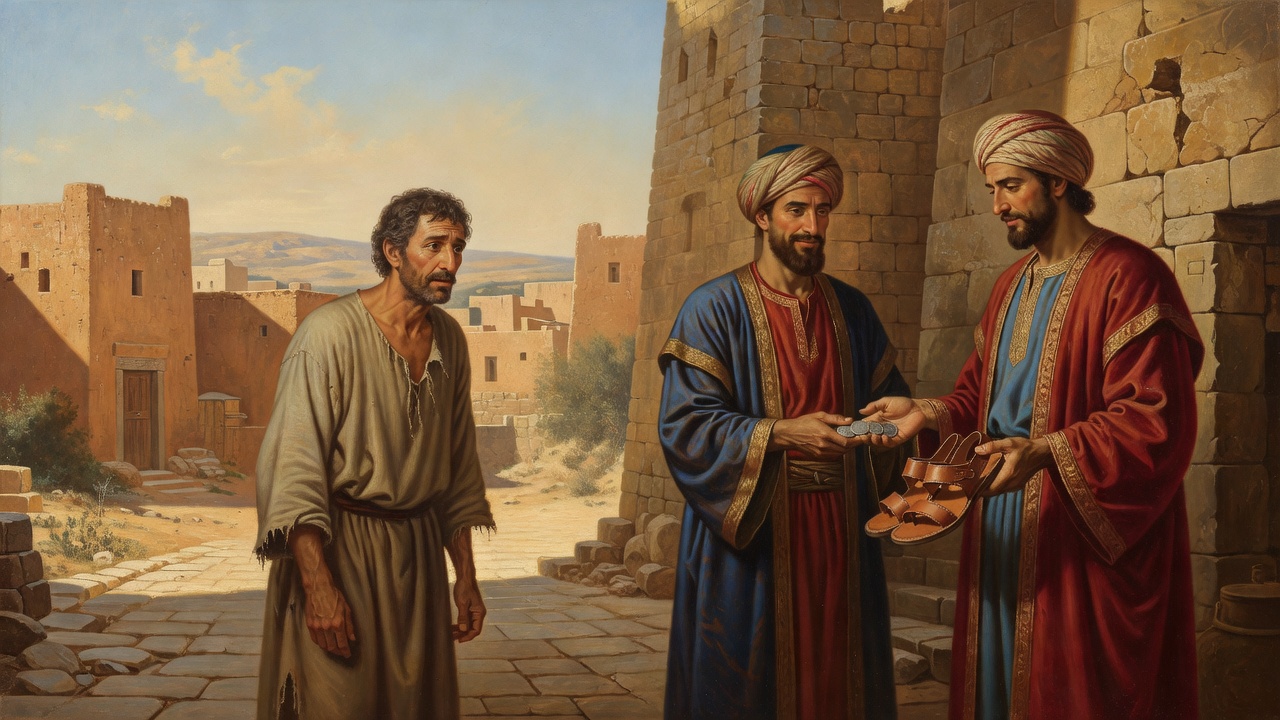
- La opresión de los pobres y el silenciamiento de profetas y nazareos en Israel se contrastan con la fidelidad de Dios al sacarlos de Egipto, guiarlos cuarenta años por el desierto y expulsar a los poderosos amorreos.Fuentes: el propio texto bíblico · Amorite · Egypt
Notas escritas con ayuda de IA a partir de fuentes abiertas (Theographic Bible Metadata, CC BY-SA 4.0; Easton’s Bible Dictionary, dominio público) y revisadas antes de publicarse.
Lugares de este capítulo
- Edom · 30.746, 35.604 · versículo 1
- Moab · Hoy: Moab 1 · 31.181, 35.701 · versículos 1, 2, 3
- Jerusalem · 31.777, 35.234 · versículo 5
- Egypt · 30.129, 31.308 · versículo 10
Solo aparecen lugares identificados con alta confianza (90 % o más según las fuentes académicas reunidas por OpenBible). Mapa de la época: DARE (Digital Atlas of the Roman Empire), CC BY 4.0; mapa actual: © colaboradores de OpenStreetMap; lugares: OpenBible.info (CC BY 4.0).
Créditos y licencia de esta traducción
Bibiri Kuyie Nnɑ́ɑǹtì Pɑ́tíri
The Holy Bible in the Ditammari language of Benin
copyright © 2001 SIM International
Language: Ditammari
Translation by: SIM
This translation text is made available to you under the
terms of the Creative Commons License: Attribution-Noncommercial-No Derivative Works.
( http://creativecommons.org/licenses/by-nc-nd/3.0/ )
In addition, you have permission to port the text to different file formats, as long as you
do not change any of the text or punctuation of the Bible.
You may share, copy, distribute, transmit, and extract portions
or quotations from this work, provided that you include the above copyright
information:
You must give Attribution to the work.
You do not sell this work for a profit.
You do not make any derivative works that change any of the actual words or punctuation of the Scriptures.
Permissions beyond the scope of this license may be
available if you contact
us with your request.
This translation is made available to you under the terms of the
Creative Commons Attribution-No Derivatives license 4.0.
You may share and redistribute this Bible translation or extracts from it in any format, provided that:
You include the above copyright and source information.
You do not make any derivative works that change any of the actual words or punctuation of the Scriptures.
Pictures included with Scriptures and other documents on this site are licensed just for use with those Scriptures and documents.
For other uses, please contact the respective copyright owners.
2022-05-31
Fuente: http://ebible.org/tbzsim/ · eBible.org