Mateo 9
Abware̱se̱ŋ Wo̱re̱-ɔ · Toca un versículo para ver sus referencias cruzadas.
Ane̱ŋ ne̱ Yeesuu a kya ke̱gyabɔɔ ko̱‑ɔ
1Ne̱ Yeesuu mò̱ aa mò̱ agyase̱po̱‑ɔ a lwee ko̱re̱e̱‑ɔ‑rɔ kiŋŋi te̱ŋ ke̱pare̱ dabe̱‑ɔ‑rɔ yɔ nno̱ŋ a bo̱ŋbe̱‑ɔ se̱ yɔ mò̱ fɔŋfɔŋ aye̱.
2Ne̱ ase̱sɛ ko̱ a baa ke̱gyabɔɔ ko̱ na ɔ da kraŋ se̱ ɔ maa taare̱ a ɔ dabo̱rɔ e̱ye̱e̱ Yeesuu ase̱. Ane̱ŋ ne̱ baa pee akatɔ baa ke̱gyabɔɔ‑ɔ se̱‑ɔ, Yeesuu a ŋu fe̱yɛ baa kɔɔre̱ mò̱ gyi bwe̱e̱tɔ. Amo̱se̱‑ɔ ne̱ ɔɔ tɔwe̱ gywii ke̱gyabɔɔ‑ɔ fe̱yɛ, “Sa a fo̱ akatɔ gyi, mo̱ nyare̱. Mo̱ a taa fo̱ e̱bɔye̱‑ɔ bo̱ ke fo̱.”
3Wuribware̱ mbraa akaapo̱po̱ ne̱ ba nu Yeesuu ase̱ŋ‑ɔ a nu ane̱ŋ ne̱ Yeesuu a tɔwe̱‑ɔ ne̱ ba ŋwiini ba gywii abɛɛ fe̱yɛ, “Ɔnyare̱ mɔ a tɔwe̱ abuse̱ŋse̱ŋ. E̱me̱ne̱ se̱ ne̱ ɔ sa se̱ŋsa ane̱ŋ fe̱yɛ mò̱ a gye̱ Wuribware̱‑ɔ?”
4Amo̱ fe̱raa, Yeesuu a kyɔ ŋu mbraa akaapo̱po̱ amo̱ mfɛɛre̱, ne̱ oo bise bamo̱ fe̱yɛ, “E̱me̱ne̱ se̱ ne̱ mo̱ne̱ e̱ fa mfɛɛre̱ bɔye̱ mɔ? 5Ke̱mo̱‑ɔ ke̱mo̱ e̱ bo̱ tɔwe̱ lɔ, fe̱yɛ mo̱ a tɔwe̱ fe̱yɛ, ‘Mo̱ a taa fo̱ e̱bɔye̱ bo̱ ke fo̱’, bɛɛɛ ‘Ko̱so̱ nare̱’? 6To, mo̱ e̱ kaapo̱ mo̱ne̱ fe̱yɛ mo̱, dimaadi mò̱ gyi‑o, de ke̱yaale̱ŋ kaye̱ mɔ‑rɔ, na n taare̱ taa ɔke̱maa e̱bɔye̱ bo̱ ke mò̱.” Ne̱ ɔɔ tɔwe̱ gywii ke̱gyabɔɔ‑ɔ fe̱yɛ, “Ke̱e̱ ɛ, ko̱so̱, taa fo̱ kraŋ a fo̱ nare̱ pe̱.”
7Mfe̱ŋ ne̱ ke̱gyabɔɔ‑ɔ a ko̱so̱ taa mò̱ kraŋ nare̱ mò̱ ayaa se̱ o yii pe̱. 8Lamaŋ ne̱ bo̱ ye̱re̱ mfe̱ŋ‑ɔ a ŋu amo̱‑ɔ, ne̱ kufu a nya bamo̱, ne̱ baa kyo̱rɔ Wuribware̱ fe̱yɛ mò̱ a sa se̱sɛ dimaadi ane̱ŋ a ke̱yaale̱ŋ‑ɔ.
Ane̱ŋ ne̱ Yeesuu a te̱e̱ Matiyo, ne̱ ɔɔ ba bo̱ gya mò̱ se̱‑ɔ
9Amo̱ kamɛɛ‑rɔ, ne̱ Yeesuu a le̱e̱ ya ŋu leŋpoo ɔkɔɔre̱po̱ ko̱ ne̱ ba te̱e̱ mò̱ ɛ Matiyo‑o (ne̱ bo̱ be̱e̱ ba te̱e̱ mò̱ ɛ Lewii‑o) na o te mò̱ leŋpoo kɔɔre̱kpa. Ne̱ Yeesuu a tɔwe̱ gywii mò̱ fe̱yɛ, “Ko̱so̱, gya mo̱ se̱.” Mfe̱ŋ ne̱ Matiyo a ko̱so̱ gya Yeesuu si.
10Ne̱ Matiyo a ya waa ateese mò̱ aye̱ sa Yeesuu a o gyi. Leŋpoo akɔɔre̱po̱ bwe̱e̱tɔ na ase̱sɛ ne̱ Farisii awuye e̱ te̱e̱ bamo̱ ɛ e̱bɔye̱ awaapo̱‑ɔ a bo̱ gyi mò̱ aa mò̱ agyase̱po̱‑ɔ ase̱. 11Farisii awuye ko̱ ne̱ bo̱ bo̱ mfe̱ŋ‑ɔ a ŋu ane̱ŋ a ase̱sɛ amo̱ na ba gyi mfe̱ŋ‑ɔ, ne̱ baa bise Yeesuu agyase̱po̱‑ɔ fe̱yɛ, “Nte̱tɔ se̱ ne̱ mo̱ne̱ ɔkaapo̱po̱ na leŋpoo akɔɔre̱po̱ na e̱bɔye̱ awaapo̱ i gyi abɛɛ ase̱?”
12Yeesuu a nu ase̱ŋ ne̱ baa bise‑o, ne̱ ɔ yɛ, “Ɔko̱ ne̱ ɔ lɔ‑ɔ ne̱ ba sa kadwii. N gye̱ ɔko̱ ne̱ ɔ bo̱ alaŋfiya‑o. 13Mo̱ne̱ fe̱raa, mo̱nꞌ be̱e̱ yɔ ya kare̱ ane̱ŋ ne̱ baa kyo̱rɛɛ waa abware̱se̱ŋ wo̱re̱‑ɔ‑rɔ‑ɔ, na mo̱nꞌ nu amo̱ kaase̱. Baa kyo̱rɛɛ mfe̱ŋ ne̱e̱ fe̱yɛ,
‘Wuribware̱ yɛ, N gye̱ mbo̱ ne̱ mo̱ e̱ kpa a mo̱nꞌ mɔɔ sa mo̱.
Amaa ke̱dame̱naŋsɛ ne̱ mo̱ e̱ kpa a mo̱nꞌ waa mo̱ne̱ bɛɛko̱‑ana.’
M fe̱raa n gye̱ bamo̱ ne̱ bo̱ mo̱ŋ gye̱ e̱bɔye̱ awaapo̱‑ɔ se̱ ne̱ mo̱ a ba, amaa bamo̱ ne̱ bo̱ gye̱ e̱bɔye̱ awaapo̱‑ɔ se̱ ne̱ mo̱ a ba, na m bo̱ tɔwe̱ gywii bamo̱ fe̱yɛ bo̱ nu bamo̱ e̱ye̱e̱ kiŋŋi le̱e̱ bamo̱ e̱bɔye̱‑rɔ.”
Ako̱ŋ ke̱kra ase̱ŋ
14Ne̱ Yohanee Osuubɔpo̱ a agyase̱po̱‑ɔ bo̱ko̱ a ba Yeesuu ase̱ bo̱ bise mò̱ fe̱yɛ, “Ntɔ se̱ ne̱ ane̱ aa Farisii awuye e̱ kra ako̱ŋ, ne̱ fo̱ fe̱raa fo̱ agyase̱po̱‑ɔ mɔ maa kra ako̱ŋ?”
15Ne̱ Yeesuu a be̱ŋŋaa bamo̱ fe̱yɛ, “Mo̱ne̱ e̱ fa fe̱yɛ saŋ ne̱ ɔko̱ e̱ kpa a ɔ waare̱e̱‑ɔ, ɔko̱fɔ mò̱ kuri mò̱ nyare̱‑ana e̱ kye̱na ako̱ŋ na ɔ bo̱‑rɔ aaa? Mo̱ŋ kɔɔre̱ gyi. N du fe̱yɛ ɔko̱fɔ mò̱ kuri‑o ne̱ mo̱ agyase̱po̱‑ɔ mɔ du ne̱e̱ fe̱yɛ ɔko̱fɔ mò̱ kuri mò̱ nyare̱‑ana‑ɔ. Ŋke ŋko̱ e̱ ba ne̱ ba lee mo̱ a bo̱ le̱e̱ bamo̱ ase̱, na ŋkee bo̱ kra ako̱ŋ.”
16Ne̱ Yeesuu a be̱e̱ tɔwe̱ ke̱kpare̱ mɔ gywii bamo̱ fe̱yɛ, “Ane̱ŋ dɛɛ ne̱ ɔko̱ maa kyaŋ waagya po̱pwɛɛ na ɔ bo̱ taa waagya de̱daa‑rɔ. A le̱e̱ fe̱yɛ ke̱tɔ maa kyee, na o ŋu fe̱yɛ mfe̱ŋ ne̱ ɔɔ taa‑rɔ‑ɔ e̱kɛɛkɛɛ‑ɔ se̱ i wu, na a tuwi‑ro lee waagya po̱pwɛɛ‑ɔ, na a be̱e̱ waa bɔ dabe̱ na ɔ kyɔ ɔgye̱ŋkpɛɛsɛ‑ɔ. 17Ane̱ŋ dɛɛ ne̱ mo̱ne̱ nyi fe̱yɛ bo̱ de nta ba waa praŋto̱wa ne̱ baa ba kabo̱ wo̱re̱ bo̱ waa‑ɔ‑rɔ. Nta po̱pwɛɛ ya lwee praŋto̱wa de̱daa‑rɔ, nta‑ɔ i fwii na praŋto̱wa‑ɔ bwee nye̱ra, na nta‑ɔ twiiri we̱e̱. Amo̱se̱‑ɔ bo̱ de nta po̱pwɛɛ ba waa praŋto̱wa po̱pwɛɛ‑rɔ, na nta‑ɔ na praŋto̱wa‑ɔ mpe̱pe̱yɔ nya waa dame̱naŋsɛ. Amo̱se̱‑ɔ mo̱ agyase̱po̱‑ɔ maa kra ako̱ŋ na mo̱ aa bamo̱ naa.”
Ane̱ŋ ne̱ Yeesuu a kyiŋŋi kakye̱e̱sɛɛ ko̱ le̱e̱ lowi‑ro, ne̱ ɔɔ be̱e̱ kya ɔkye̱e̱ ko̱‑ɔ
18Saŋ ne̱ Yeesuu maa se̱ ɔ tɔwe̱ amo̱‑ɔ o gywii bamo̱‑ɔ, ne̱ ke̱bware̱ko̱re̱kyaŋ abre̱sɛ‑ɔ ɔko̱ a ba Yeesuu ase̱ mfe̱ŋ bo̱ kpuni aŋurii mò̱ ayaa‑rɔ. Ne̱ ɔ yɛ, “Mo̱ gyi kye̱e̱sɛ e̱ lɔ, hare̱e̱ ɔ kpa a ɔ wu. Amo̱se̱‑ɔ mo̱ e̱ ko̱re̱ fo̱ ne̱e̱ fe̱yɛ fo̱ bo̱ ba fo̱ asare̱e̱ bo̱ dɔŋŋɔ mò̱ se̱ a ɔ nya ŋkpa.” 19Ne̱ Yeesuu a ko̱so̱, ne̱ mò̱ aa ɔnyare̱‑ɔ na Yeesuu agyase̱po̱‑ɔ a le̱e̱ ba yɔ.
20Bamo̱ a maa se̱ ba yɔ‑ɔ, ne̱ ɔkye̱e̱ ko̱ a gya Yeesuu si. Ɔkye̱e̱ mɔ e̱ lɔ ke̱kye̱e̱tɔ, a le̱e̱ fe̱yɛ kiferi ke̱maa‑rɔ ɔ taare̱ bwiino waa iluwi kanɔ ŋko̱. Waa nsu kudu ŋnyɔ ne̱e̱ fe̱yɛ mò̱ a lɔ ane̱ŋ a ko̱lɔ‑ɔ. Ne̱ ŋkee ɔ fa fe̱yɛ, “Mo̱ ya dabo̱rɔ mò̱ atɔ buŋsɛ gbaa, mo̱ e̱ kpaare̱.” Ne̱ ɔɔ yɔ Yeesuu kamɛɛ ya dabo̱rɔ mò̱ waagya kanɔ.
22Mò̱ a de̱ŋ dabo̱rɔ Yeesuu a waagya‑ɔ, ne̱ ɔɔ kpaare̱. Ne̱ Yeesuu a buruwaa ŋu mò̱ mfe̱ŋ. Ne̱ ɔ yɛ, “Ɔpe̱kye̱e̱, sa a fo̱ akatɔ gyi. Bo̱ le̱e̱ ane̱ŋ ne̱ fo̱ a kɔɔre̱ mo̱ gyi‑o si‑o, fo̱ a kpaare̱.”
23Ne̱ ŋkee Yeesuu a lwee ke̱bware̱ko̱re̱kyaŋ ɔbre̱sɛ amo̱ a lɔŋ‑ɔ‑rɔ. Ne̱ oo ŋu ba waa kakye̱e̱sɛɛ‑ɔ kale. Bo̱ko̱ e̱ fo̱re̱ mbe̱re̱, na bamo̱ bwe̱e̱tɔ mɔ i su keŋkeŋ. 24Ne̱ ɔɔ tɔwe̱ gywii bamo̱ fe̱yɛ, “Mo̱nꞌ le̱e̱ mfe̱ŋ. Kakye̱e̱sɛɛ‑ɔ mo̱ŋ wu, o di idi ne̱e̱.” Mò̱ a tɔwe̱ ane̱ŋ‑ɔ, ne̱ baa mɔse̱ mò̱. 25Mò̱ a sa ne̱ ase̱sɛ‑ɔ pɛɛɛ a le̱e̱ lɔŋ‑ɔ‑rɔ‑ɔ, ne̱ oo lweero. Ne̱ ɔɔ ya kra kakye̱e̱sɛɛ‑ɔ ke̱sare̱e̱‑rɔ, ne̱ kakye̱e̱sɛɛ‑ɔ a ko̱so̱. 26Ne̱ ase̱ŋ amo̱ pɛɛɛ a saŋŋe̱‑rɔ lwee ifuri amo̱ se̱ a e̱maŋ‑ɔ pɛɛɛ‑rɔ.
Ane̱ŋ ne̱ Yeesuu a kya ate̱napo̱ anyɔ ko̱‑ɔ
27Yeesuu a le̱e̱ mfe̱ŋ ɔ naa ɔ yɔ‑ɔ, ne̱ ate̱napo̱ anyɔ ko̱ a le̱e̱ bo̱ gya mò̱ se̱, na ba te̱e̱ ba kyo̱ŋwe̱ mò̱ fe̱yɛ, “Deefid mò̱ nana, ŋu ane̱ e̱wɛɛ, na fo̱ kya ane̱.”
28Ne̱ Yeesuu a lwee lɔŋ ko̱‑rɔ. Ne̱ ate̱napo̱ amo̱ a yɔ ya ŋu mò̱ mfe̱ŋ. Ne̱ oo bise bamo̱ fe̱yɛ, “Mo̱ne̱ e̱ kɔɔre̱ mo̱ne̱ i gyi fe̱yɛ mo̱ e̱ taare̱ a n kya mo̱ne̱ aaa?”
Ne̱ baa be̱ŋŋaa fe̱yɛ, “Ɔɔŋ, ane̱ nyaŋpe̱, fo̱ e̱ taare̱.”
29Amo̱se̱‑ɔ ne̱ ɔɔ dabo̱rɔ bamo̱ akatɔ tɔwe̱ fe̱yɛ, “Ke̱tɔ ne̱ mo̱ne̱ a kɔɔre̱ gyi‑o e̱ waa a ke̱ sa mo̱ne̱.” 30Mfe̱ŋ ne̱ bamo̱ akatɔ a buŋŋi. Ne̱ Yeesuu a yii bamo̱ se̱ fe̱yɛ bo̱ ma kaŋ boŋboŋ mò̱ ke̱nyare̱ to̱ŋ ko̱. 31Amaa bamo̱ a le̱e̱ mfe̱ŋ‑ɔ, ne̱ baa yaa Yeesuu ke̱nyare̱ timaa ifuri amo̱ a ke̱be̱gya‑ɔ pɛɛɛ se̱.
Ane̱ŋ ne̱ Yeesuu a kya kamunyare̱ ko̱‑ɔ
32Ate̱napo̱ ne̱ Yeesuu a kya‑ɔ a le̱e̱ mfe̱ŋ ba yɔ‑ɔ, ne̱ ase̱sɛ ko̱ a taa ɔnyare̱ ko̱ baa mò̱ ase̱. Ibrisi a te ɔnyare̱‑ɔ se̱‑ɔ se̱‑ɔ, ɔ maa taare̱ a ɔ sa se̱ŋsa. 33Yeesuu a de̱ŋ gya ibrisi‑o ko̱so̱ kamunyare̱ amo̱ se̱‑ɔ, ne̱ kamu‑o a le̱e̱ ɔ sa se̱ŋsa. Ne̱ e̱ye̱e̱ a kpe̱ŋ lamaŋ ne̱ bo̱ bo̱ mfe̱ŋ‑ɔ, ne̱ bo̱ yɛ, “Ane̱ mo̱ŋ tɛɛ ŋu ane̱ŋ a akpe̱ŋe̱ye̱e̱tɔ mɔ ane̱ Isireelii swe̱e̱re̱ mɔ se̱ mfe̱e̱, amɔ ndɔɔ.”
34Amaa Farisii awuye ko̱ yɛ, “Ɔbɔnsam ne̱ o de ibrisi ke̱yaale̱ŋ‑ɔ ya sa Yeesuu e̱le̱ŋ mɔ ne̱ o de ɔ gya ibrisi ɔ ko̱so̱ ase̱sɛ se̱‑ɔ.”
Ane̱ŋ ne̱ Yeesuu kusuŋ a waa ko̱kyɔ‑ɔ
35Ne̱ ŋkee Yeesuu a muruwi ifuri amo̱ mfe̱ŋ a e̱maŋ na mmaŋgyii‑o‑ro pɛɛɛ se̱, ɔ naa ɔ kaapo̱ abware̱se̱ŋ mfe̱ŋ a ke̱bware̱ko̱re̱ akyaŋ‑ɔ‑rɔ ɔ tɔwe̱ ase̱ŋ timaa bo̱ le̱e̱ Wuribware̱ se̱ a kuwure‑o si, na ɔ kya ase̱sɛ ko̱lɔgyi ke̱maa. 36Mò̱ a ŋu ase̱sɛ de̱maŋte̱ ne̱ ba ba mò̱ ase̱ saŋ ke̱maa‑ɔ, ne̱ bamo̱ ase̱ŋ a waa mò̱ e̱wɛɛ, a le̱e̱ fe̱yɛ bo̱ du ne̱e̱ fe̱yɛ e̱sanne̱ ne̱ bo̱ mo̱ŋ de ɔde̱e̱re̱se̱po̱‑ɔ. Bo̱ naa ba laye̱ ba lɔ ne̱e̱, ne̱ bo̱ mo̱ŋ lɛɛ bo̱ de ke̱yaale̱ŋ‑ɔ. 37Ne̱ Yeesuu a da ke̱kpare̱ mɔ gywii mò̱ agyase̱po̱‑ɔ fe̱yɛ, “Mo̱ne̱ a ŋu ase̱sɛ de̱maŋte̱ mɔ aaa? Bo̱ du fe̱yɛ yaabraa‑ɔ. Yaabraa‑ɔ kyɔ bwe̱e̱tɔ, amaa mo̱ne̱ ne̱ mo̱ne̱ gye̱ ate̱ŋŋe̱po̱‑ɔ mɔ mo̱ŋ kyɔ. 38Amo̱se̱‑ɔ mo̱nꞌ ko̱re̱ ko̱dɔɔ wuye ne̱ ɔ bo̱ so̱so̱‑ɔ na ɔ kyo̱ŋwe̱ mo̱ne̱ ate̱ŋŋe̱po̱ bwe̱e̱tɔ, na mo̱ne̱ aa bamo̱ te̱ŋŋe̱ yaabraa mɔ kpɔwe̱ baa mò̱ lɔŋ‑nɔ.”
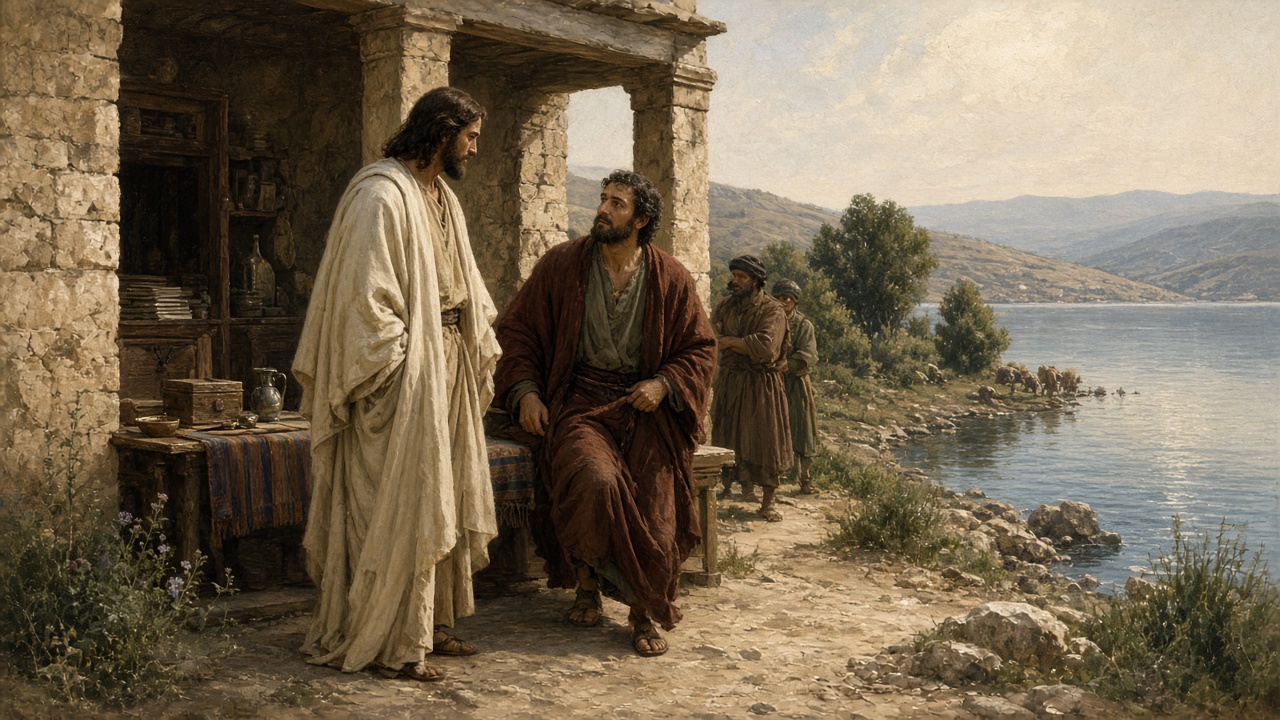
¿Sabías que…?
Misericordia, curación y vino nuevo
- Mateo, hijo de Alfeo, era publicano, es decir, recaudador de impuestos, en Cafarnaúm. Jesús, al subir desde la orilla del lago, pasó por el puesto de impuestos donde Mateo estaba sentado y le dijo: “Sígueme”. Antes se lo conocía como Leví; ese mismo día ofreció un gran banquete, descrito como una despedida, a Jesús, a los discípulos y, probablemente, a muchos de sus antiguos compañeros.Fuentes: Matthew · el propio texto bíblico
- Quienes preguntan por qué ellos y los fariseos ayunan tan a menudo, mientras los discípulos de Jesús no ayunan, son discípulos de Juan el Bautista. A Juan se lo llama el precursor; era de linaje sacerdotal, su padre Zacarías sacerdote del turno de Abías y su madre Elisabet una de las hijas de Aarón.Fuentes: John the Baptist · el propio texto bíblico
- Una cronología sitúa la curación del paralítico, el llamado de Mateo, la pregunta sobre el ayuno y la parábola de los odres en el año 28 d. C.Fuentes: Healing the Man with Palsy · Jesus Calls Matthew · Fasting Question · Parable of the Winseskins
Notas escritas con ayuda de IA a partir de fuentes abiertas (Theographic Bible Metadata, CC BY-SA 4.0; Easton’s Bible Dictionary, dominio público) y revisadas antes de publicarse.
Lugares de este capítulo
- Sea of Galilee · 32.819, 35.590 · versículo 1
Solo aparecen lugares identificados con alta confianza (90 % o más según las fuentes académicas reunidas por OpenBible). Mapa de la época: DARE (Digital Atlas of the Roman Empire), CC BY 4.0; mapa actual: © colaboradores de OpenStreetMap; lugares: OpenBible.info (CC BY 4.0).
Créditos y licencia de esta traducción
Abware̱se̱ŋ Wo̱re̱-ɔ
New Testament in Chumburung (GH:ncu:Chumburung)
copyright © 2010 Wycliffe Bible Translators, Inc.
Language: Chumburung
Translation by: Wycliffe Bible Translators, Inc.
Copyright Information
© 2010, Wycliffe Bible Translators, Inc. All rights reserved.
This translation text is made available to you under the
terms of the Creative Commons License: Attribution-Noncommercial-No Derivative Works.
( http://creativecommons.org/licenses/by-nc-nd/3.0/ )
In addition, you have permission to port the text to different file formats, as long as you
do not change any of the text or punctuation of the Bible.
You may share, copy, distribute, transmit, and extract portions
or quotations from this work, provided that you include the above copyright
information:
You must give Attribution to the work.
You do not sell this work for a profit.
You do not make any derivative works that change any of the actual words or punctuation of the Scriptures.
Permissions beyond the scope of this license may be
available if you contact
us with your request.
The New Testament
in Chumburung
© 2010, Wycliffe Bible Translators, Inc. All rights reserved.
This translation is made available to you under the terms of the
Creative Commons Attribution-Noncommercial-No Derivatives license 4.0.
You may share and redistribute this Bible translation or extracts from it in any format, provided that:
You include the above copyright and source information.
You do not sell this work for a profit.
You do not change any of the words or punctuation of the Scriptures.
Pictures included with Scriptures and other documents on this site are licensed just for use with those Scriptures and documents.
For other uses, please contact the respective copyright owners.
2025-05-16
Fuente: http://ebible.org/ncuNT/ · eBible.org