Mateo 8
Abware̱se̱ŋ Wo̱re̱-ɔ · Toca un versículo para ver sus referencias cruzadas.
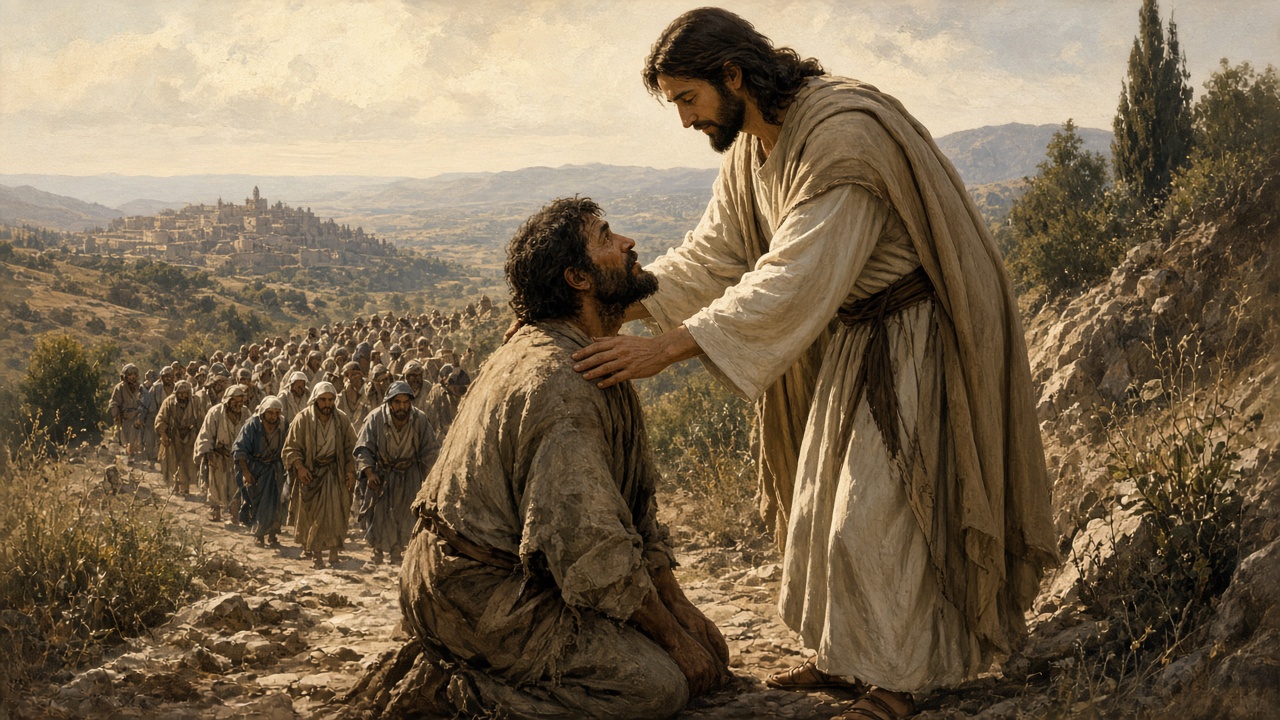
Ane̱ŋ ne̱ Yeesuu a kya bwatɔpo̱ ko̱‑ɔ
1Ne̱ Yeesuu a kpo̱ro̱we̱ le̱e̱ ke̱be̱e̱‑ɔ se̱ mfe̱ŋ ne̱ ɔɔ de̱ŋ kaapo̱ abware̱se̱ŋ lo̱we̱‑ɔ. Ne̱ ase̱sɛ bwe̱e̱tɔ gya mò̱ se̱. 2Ne̱ bwatɔpo̱ ko̱ a bo̱ kpuni aŋurii Yeesuu ayaa‑rɔ. Ne̱ ɔ yɛ, “Mo̱ nyaŋpe̱, fo̱ e̱ kpa, fo̱ e̱ taare̱ a fo̱ kya mo̱ ko̱lɔ mɔ na ŋ nya lwee ase̱sɛ‑rɔ.”
3Ne̱ Yeesuu a teyi ke̱sare̱e̱ bo̱ dabo̱rɔ mò̱ tɔwe̱ fe̱yɛ, “Mo̱ e̱ kpa. Mbe̱yɔmɔ fo̱ e̱ taare̱ a fo̱ lwee ase̱sɛ‑rɔ, a le̱e̱ fe̱yɛ fo̱ a kpaare̱.” Mfe̱ŋ dɛɛ ne̱ ɔnyare̱ amo̱ a ke̱bwatɔ‑ɔ a lo̱we̱. 4Kamɛɛ‑rɔ ne̱ Yeesuu a yii mò̱ se̱ fe̱yɛ, “De̱ŋ bo̱rɔ kpa kyɛye̱ se̱ yɔ Wuribware̱ alɔŋŋɔpo̱‑ɔ ɔko̱ ase̱ na ɔ de̱e̱re̱ fo̱, na a bo̱ kaapo̱ ɔke̱maa fe̱yɛ fo̱ a kpaare̱. Na fo̱ bɔ alɔŋŋɔtɔ ne̱ ane̱ ɔde̱daapo̱ Mosis a tɔwe̱ ɛ mò̱ ne̱ ɔɔ lɔ ko̱lɔ mɔ, ne̱ ɔɔ kpaare̱‑ɔ bɔ, na ɔke̱maa ŋu fe̱yɛ ane̱ŋ a ko̱lɔ‑ɔ mo̱ŋ lɛɛ ki te mò̱ se̱‑ɔ. Fo̱ a maa se̱ fo̱ e̱ yɔ fo̱ bo̱ kpa‑rɔ‑ɔ, fo̱ ma kaŋ ye̱re̱ tɔwe̱ ke̱tɔ ne̱ mo̱ a waa sa fo̱‑ɔ gywii ɔko̱.”
Ane̱ŋ ne̱ Yeesuu a kya Roma soogyaa ko̱ ke̱yaafɔre̱‑ɔ
5Ne̱ Yeesuu a yɔ Kapaaniyum maŋ‑nɔ. Mfe̱ŋ ne̱ asoogyaa abre̱sɛ‑ɔ ɔko̱ a ba mò̱ ase̱ bo̱ ko̱re̱ mò̱ fe̱yɛ ɔ kya mò̱‑rɔ. Ɔ mo̱ŋ gye̱ Isireeliinyi fe̱yɛ Yeesuu‑o. Ɔ gye̱ Romanyi ne̱e̱. 6Ne̱ ɔ yɛ, “Mo̱ nyaŋpe̱, mo̱ ke̱yaafɔre̱ e̱ lɔ ɔ da lɔŋ‑nɔ, e̱ye̱e̱ bo̱ mò̱ gya bwe̱e̱tɔ, hare̱e̱ ɔ maa lɛɛ taare̱ a ɔ dabo̱rɔ e̱ye̱e̱ gbaa.”
7Ne̱ Yeesuu yɛ, “Yooo, mo̱ a nu. Mo̱ e̱ ba a m bo̱ kya mò̱.”
8Ne̱ soogyaa‑o a lee kanɔ fe̱yɛ, “Mo̱ nyaŋpe̱, mo̱ŋ bware fe̱yɛ fo̱ ba mo̱ lɔŋ‑nɔ‑ɔ. Amo̱se̱‑ɔ fo̱ ya de̱ŋ sa kanɔ bo̱ kyo̱ŋwe̱ gbaa, mo̱ ke̱yaafɔre̱‑ɔ e̱ kpaare̱. 9Ŋ gbaa mo̱ ne̱ n gye̱ se̱sɛ laŋgyaŋ‑ɔ. N de abre̱sɛ ne̱ bo̱ kyɔ mo̱‑ɔ. N de asoogyaa awuye mo̱ kaase̱, ne̱ mo̱ ya tɔwe̱ gywii bamo̱‑rɔ ɔko̱‑ɔ fe̱yɛ ‘Nare̱,’ ɔ yɔ ne̱e̱. Ne̱ mo̱ ya tɔwe̱ gywii bamo̱‑rɔ ɔko̱ mɔ fe̱yɛ ‘Ba,’ puri amo̱‑rɔ amɔ ɔ ba. Ne̱ mo̱ ya tɔwe̱ gywii mo̱ ke̱yaafɔre̱ fe̱yɛ, ‘Waa ke̱mo̱‑ɔ,’ amɔ ɔ waa.”
10Yeesuu a nu ase̱ŋ ne̱ ɔnyare̱ amo̱ a tɔwe̱‑ɔ, ne̱ e̱ye̱e̱ a kpe̱ŋ mò̱. Ne̱ oo buruwaa tɔwe̱ gywii ase̱sɛ ne̱ bo̱ gya mò̱ se̱‑ɔ fe̱yɛ, “Mo̱ e̱ tɔwe̱ mo̱ i gywii mo̱ne̱ fe̱yɛ mo̱ŋ tɛɛ ŋu se̱sɛ ne̱ ɔ kɔɔre̱ mo̱ a o gyi mfaanɛɛ‑ɔ. Ane̱ Isireelii awuye‑ro gbaa, mo̱ŋ tɛɛ ŋu ɔko̱ ane̱ŋ. Ne̱ ɔnyare̱ mɔ mo̱ŋ gye̱ Isireeliinyi. 11Mo̱ i gyi mo̱ne̱ kase̱ŋtiŋ fe̱yɛ ase̱sɛ bwe̱e̱tɔ e̱ le̱e̱ swe̱e̱re̱ ke̱be̱gya ke̱maa se̱, na bamo̱ aa ane̱ nana‑ana Abraham na Isak na Yakubu kye̱na a bo̱ gyi ateese mfe̱ŋ ne̱ Wuribware̱ i gyi kuwure‑o. 12Amaa bamo̱ ne̱ weetee Wuribware̱ a kyɔ nyiŋŋi bamo̱ fe̱yɛ bo̱ ba a bo̱ gyi ateese‑o fe̱raa (ane̱ Isireelii awuye ne̱ mo̱ e̱ kaapo̱‑ɔ), ɔ gya bamo̱ a ɔ le̱e̱ mò̱ ase̱ bo̱ kyo̱ŋwe̱ kibugyii‑ro. Mfe̱ŋ‑ɔ ba su, na ba duŋ nnɔ.”
13Ne̱ Yeesuu a tɔwe̱ gywii soogyaa amo̱ fe̱yɛ, “Nare̱ pe̱, na ke̱tɔ ne̱ fo̱ a kɔɔre̱ gyi‑o e̱ waa a ke̱ sa fo̱.”
Saŋ ko̱ŋko̱ amo̱‑rɔ dɛɛ ne̱ soogyaa amo̱ a ke̱yaafɔre̱‑ɔ a kpaare̱.
Ane̱ŋ ne̱ Yeesuu a kya alɔpo̱ bwe̱e̱tɔ‑ɔ
14Ne̱ Yeesuu a lwee Peetroo a lɔŋ‑ɔ‑rɔ ya to̱ fe̱yɛ Peetroo mò̱ saa kye̱e̱sɛ e̱ lɔ fekyu ɔ da. 15Ne̱ Yeesuu a dabo̱rɔ ɔkye̱e̱‑ɔ ke̱sare̱e̱. Mfe̱ŋ ne̱ fekyu‑o a yɔwe̱ mò̱, ne̱ ɔɔ ko̱so̱ puri amo̱‑rɔ waa ateese sa Yeesuu.
16Saŋ ne̱ kyɔwe̱ a twɛɛ‑ɔ, ne̱ ase̱sɛ a baa bamo̱ anyipo̱ ne̱ ibrisi te bamo̱ se̱‑ɔ Yeesuu ase̱. Ne̱ ɔɔ sa ibrisi‑o kanɔ, ne̱ e̱ ya ko̱so̱ bamo̱ se̱. Ne̱ ɔɔ kya alɔpo̱ pɛɛɛ ne̱ baa baa bamo̱ mò̱ ase̱‑ɔ.
17Amo̱se̱‑ɔ ke̱tɔ ne̱ Yeesuu a waa‑ɔ a sa ne̱ ke̱tɔ ne̱ Wuribware̱ kyaamɛɛ Isaya a kyo̱rɛɛ waa abware̱se̱ŋ wo̱re̱‑ɔ‑rɔ‑ɔ nya waa kase̱ŋtiŋ fe̱yɛ,
“Kase̱ŋtiŋ si, mò̱ ya kɔɔre̱ ane̱ kaye̱e̱gya bo̱ waa mò̱ lee,
ne̱ ɔɔ kya ane̱ alɔgyi.”
Bamo̱ ne̱ ba kpa a bo̱ gya Yeesuu si‑o
18Ne̱ ase̱sɛ bwe̱e̱tɔ e̱ ba bo̱ kpɔwe̱ buŋ Yeesuu si saŋ ke̱maa. Ane̱ŋ se̱‑ɔ, ne̱ ɔɔ tɔwe̱ gywii mò̱ agyase̱po̱‑ɔ fe̱yɛ bo̱ waa ko̱re̱e̱ siraa na mò̱ aa bamo̱ nya te̱ŋ ke̱pare̱ dabe̱‑ɔ‑rɔ yɔ nno̱ŋ a bo̱ŋbe̱‑ɔ se̱, na bo̱ nya kyure kafwe̱e̱.
19Saŋ ne̱ ba yɔ‑ɔ, ne̱ Wuribware̱ mbraa ɔkaapo̱po̱ ko̱ a te̱ŋ bamo̱ kpa ya tɔwe̱ gywii Yeesuu fe̱yɛ, “Ɔkaapo̱po̱, to̱ŋ ke̱maa ne̱ fo̱ e̱ yɔ‑ɔ, mo̱ e̱ gya fo̱ se̱.”
20Ne̱ Yeesuu a lee kanɔ fe̱yɛ, “Sabraŋ‑nɔ igyono de idikpa, ne̱ mbo̱gyii de asaa bo̱ da‑rɔ. Amaa mo̱, dimaadi mò̱ gyi‑o, fe̱raa mo̱ŋ de mfe̱ŋ ne̱ mo̱ i di a n kyure‑o.”
21Ne̱ ɔko̱ ne̱ o tii bamo̱ ne̱ bo̱ gya Yeesuu si bo̱ naa to̱ŋ ke̱maa ne̱ ɔ yɔ‑ɔ a bo̱ ko̱re̱ mò̱ fe̱yɛ, “Mo̱ nyaŋpe̱, sa a ŋ kiŋŋi yɔ pe̱ na ŋ ya pure n se̱ pwɛɛ na n dɛɛ be̱e̱ bo̱ gya fo̱ se̱.”
22Ne̱ Yeesuu a be̱ŋŋaa mò̱ fe̱yɛ, “Bamo̱ ne̱ bo̱ mo̱ŋ te kakye̱na po̱pwɛɛ‑rɔ‑ɔ, bamo̱ e̱ gye̱ ne̱ bo̱ pure bamo̱ ako̱we̱bɛɛ ne̱ ba ba a bo̱ bo̱ wu‑o. Na fo̱ fe̱raa fo̱ gya mo̱ se̱.”
Ane̱ŋ ne̱ afwii na alaŋkpare̱ a bu Yeesuu‑o
23Ne̱ Yeesuu mò̱ aa mò̱ agyase̱po̱‑ɔ a lwee ko̱re̱e̱‑ɔ‑rɔ. 24Bamo̱ a me̱raa se̱ ba yɔ‑ɔ, bo̱ bo̱ sa se̱‑ɔ, afwii dabe̱ ko̱ a kya nkyu si mfe̱ŋ, ne̱ alaŋkpare̱ a da nkyu bo̱ waa bamo̱ ko̱re̱e̱‑ɔ‑rɔ. Ade̱maŋte̱ mɔ ne̱ a su‑o pɛɛɛ na Yeesuu da ko̱re̱e̱‑ɔ‑rɔ o di idi. 25Ne̱ mò̱ agyase̱po̱‑ɔ a yɔ mò̱ ase̱ ya kyiŋŋi mò̱ tɔwe̱ fe̱yɛ, “Ane̱ nyaŋpe̱, ane̱ e̱ kpa a ane̱ wu. Mo̱rɔwe̱ ane̱.”
26Ne̱ Yeesuu a be̱ŋŋaa fe̱yɛ, “Nte̱tɔ se̱ ne̱ mo̱ne̱ maa kɔɔre̱ mo̱ mo̱ne̱ i gyi‑o ne̱e̱? Ntɔ se̱ ne̱ kufu de mo̱ne̱?”
Ne̱ Yeesuu a ko̱so̱ sa kanɔ fe̱yɛ afwii‑o na alaŋkpare̱‑ɔ yɔwe̱, ne̱ ke̱tɔ a waa surumm.
27Ne̱ e̱ye̱e̱ a kpe̱ŋ mò̱ agyase̱po̱‑ɔ, ne̱ ŋkee ba ŋwiini ba gywii abɛɛ ɛ, “Nte̱tɔ se̱sɛ e̱ gye̱ ɔnyare̱ mɔ? Ne̱ mò̱ ya sa kanɔ, ne̱ afwii na alaŋkpare̱ gya kamo̱ se̱‑ɔ ne̱e̱.”
Ane̱ŋ ne̱ Yeesuu a kya anyare̱ anyɔ ko̱ ne̱ ibrisi bwe̱e̱tɔ te bamo̱ se̱‑ɔ
28Amo̱ kamɛɛ‑rɔ ne̱ Yeesuu mò̱ aa mò̱ agyase̱po̱‑ɔ a kya se̱ pare̱ bamo̱ ko̱re̱e̱‑ɔ bo̱ te̱ŋ‑nɔ ya bo̱ daŋ Galile̱ya ke̱pare̱ dabe̱ a nno̱ŋ a bo̱ŋbe̱‑ɔ. Gadara ifuri si ne̱ baa fo̱‑ɔ. Bamo̱ a fo̱ mfe̱ŋ‑ɔ, ne̱ anyare̱ anyɔ ko̱ a le̱e̱ mfe̱ŋ ne̱ ba pure ase̱sɛ‑ɔ bo̱ gyaŋŋaa bamo̱. Bo̱ du ne̱e̱ fe̱yɛ mbo̱ kpe̱ŋsɛ‑ɔ, a le̱e̱ fe̱yɛ ibrisi te bamo̱ se̱. Amo̱se̱‑ɔ ɔko̱ maa taare̱ a ɔ bo̱rɔ kpa amo̱ se̱. 29Ne̱ baa faa Yeesuu si fe̱yɛ, “Wuribware̱ mò̱ gyi‑o, nte̱tɔ ne̱ fo̱ e̱ kpa ane̱ ase̱? Fo̱ a ba ne̱e̱ a fo̱ bo̱ gyiiri ane̱ ke̱se̱bɔ, na ke̱se̱bɔgyiiri saŋ mo̱ŋ tɛɛ fo̱ aaa?”
30Amɔ aprako biribiri ko̱ mɔ ye̱re̱ kabe̱e̱gyi ko̱ se̱ me̱raa mfe̱ŋ ba gyi. 31Ne̱ ibrisi amo̱ a ko̱re̱ Yeesuu fe̱yɛ, “To, amo̱ e̱ gye̱ fe̱yɛ fo̱ e̱ kaa a fo̱ gya ane̱ le̱e̱ ase̱sɛ mɔ se̱, amo̱ fe̱raa sa a ane̱ ya kye̱na aprako mɔ se̱.”
32Ne̱ ɔ yɛ, “Kpa da fe̱yɛ mo̱nꞌ ya kye̱na bamo̱ se̱.” Amo̱se̱‑ɔ ne̱ baa ko̱so̱ le̱e̱ anyare̱‑ɔ se̱ ya kye̱na aprako amo̱ se̱. Ne̱ aprako amo̱ pɛɛɛ a ŋwɛɛnaŋ kpo̱ro̱we̱ kabe̱e̱gyi‑o‑ro ya le̱e̱ da nkyu‑ro wu wu.
33Mfe̱ŋ ne̱ bamo̱ ne̱ ba de̱e̱re̱ aprako amo̱ se̱‑ɔ a ŋwɛɛnaŋ yɔ maŋ‑nɔ ya da ke̱tɔ ne̱ kaa waa anyare̱ amo̱‑ɔ kiboŋboŋ. 34Mfe̱ŋ ne̱ ɔke̱maa ne̱ o te maŋ‑ɔ‑rɔ‑ɔ a le̱e̱ ya gyaŋŋaa Yeesuu. Bamo̱ a ŋu mò̱‑ɔ, ne̱ baa ko̱re̱ mò̱ fe̱yɛ ɔ le̱e̱ bamo̱ ifuri si kiŋŋi yɔ mfe̱ŋ ne̱ ɔɔ le̱e̱ ba‑ɔ.
¿Sabías que…?
Curaciones, fe y el mar
- Capernaum, la ciudad a la que Jesús entra en este capítulo, era una ciudad de Galilea que no se menciona en el Antiguo Testamento. El Easton's Bible Dictionary (1897) dice que llegó a ser “su propia ciudad” después de que dejó Nazaret, e incluye la súplica del centurión y la curación en la casa de Pedro entre los hechos situados allí.Fuentes: Capernaum · el propio texto bíblico
- Jesús dice que muchos vendrán del oriente y del occidente para compartir el banquete con Abraham, Isaac y Jacob en el reino de los cielos. El Easton's Bible Dictionary (1897) presenta a Abraham como hijo de Taré y heredero de las promesas, a Isaac como el único hijo de Abraham con Sara, y a Jacob —también llamado Israel— como el hijo gemelo menor de Isaac y Rebeca.Fuentes: el propio texto bíblico · Abraham · Isaac · Jacob (Israel)
- Mateo presenta las curaciones de aquella noche como cumplimiento de lo dicho por medio del profeta Isaías: “Él tomó nuestras dolencias y cargó con nuestras enfermedades.” El Easton's Bible Dictionary (1897) identifica a Isaías como hijo de Amoz, que profetizó durante los reinados de Uzías, Jotam, Acaz y Ezequías.Fuentes: el propio texto bíblico · Isaiah
Notas escritas con ayuda de IA a partir de fuentes abiertas (Theographic Bible Metadata, CC BY-SA 4.0; Easton’s Bible Dictionary, dominio público) y revisadas antes de publicarse.
Lugares de este capítulo
- Gadara · Hoy: Umm Qais · 32.656, 35.679 · versículo 28
Solo aparecen lugares identificados con alta confianza (90 % o más según las fuentes académicas reunidas por OpenBible). Mapa de la época: DARE (Digital Atlas of the Roman Empire), CC BY 4.0; mapa actual: © colaboradores de OpenStreetMap; lugares: OpenBible.info (CC BY 4.0).
Créditos y licencia de esta traducción
Abware̱se̱ŋ Wo̱re̱-ɔ
New Testament in Chumburung (GH:ncu:Chumburung)
copyright © 2010 Wycliffe Bible Translators, Inc.
Language: Chumburung
Translation by: Wycliffe Bible Translators, Inc.
Copyright Information
© 2010, Wycliffe Bible Translators, Inc. All rights reserved.
This translation text is made available to you under the
terms of the Creative Commons License: Attribution-Noncommercial-No Derivative Works.
( http://creativecommons.org/licenses/by-nc-nd/3.0/ )
In addition, you have permission to port the text to different file formats, as long as you
do not change any of the text or punctuation of the Bible.
You may share, copy, distribute, transmit, and extract portions
or quotations from this work, provided that you include the above copyright
information:
You must give Attribution to the work.
You do not sell this work for a profit.
You do not make any derivative works that change any of the actual words or punctuation of the Scriptures.
Permissions beyond the scope of this license may be
available if you contact
us with your request.
The New Testament
in Chumburung
© 2010, Wycliffe Bible Translators, Inc. All rights reserved.
This translation is made available to you under the terms of the
Creative Commons Attribution-Noncommercial-No Derivatives license 4.0.
You may share and redistribute this Bible translation or extracts from it in any format, provided that:
You include the above copyright and source information.
You do not sell this work for a profit.
You do not change any of the words or punctuation of the Scriptures.
Pictures included with Scriptures and other documents on this site are licensed just for use with those Scriptures and documents.
For other uses, please contact the respective copyright owners.
2025-05-16
Fuente: http://ebible.org/ncuNT/ · eBible.org