Lucas 7
Biblica® Kiugo Gĩtheru Kĩa Ngai Kĩhingũre · Toca un versículo para ver sus referencias cruzadas.
Wĩtĩkio wa Mũnene-wa-Thigari-Igana
1Nake Jesũ aarĩkia kwaria maũndũ macio mothe andũ makĩmũiguaga, agĩtoonya Kaperinaumu. 2No kũu nĩ kwarĩ na ndungata ya mũnene-wa-thigari-igana, ĩrĩa mũmĩathi eendete mũno, nayo yarĩ ndwaru hakuhĩ gũkua. 3Nake mũnene ũcio wa thigari igana aigua ũhoro wa Jesũ, agĩtũma athuuri a Ayahudi kũrĩ we makamũũrie oke ahonie ndungata yake. 4Nao maakinya kũrĩ Jesũ, makĩmũthaitha magwatĩirie mũno, makĩmwĩra atĩrĩ, “Mũndũ ũyũ nĩagĩrĩirwo gwĩkwo ũguo nĩwe, 5tondũ nĩendete rũrĩrĩ rwitũ na nĩatwakĩire thunagogi.” 6Nĩ ũndũ ũcio Jesũ agĩthiĩ nao.
Na marĩ hakuhĩ gũkinya mũciĩ, mũnene ũcio wa thigari igana akĩmũtũmĩra arata makamwĩre atĩrĩ, “Mwathani, tiga gwĩthĩĩnia tondũ ndiagĩrĩire wee ũũke gwakwa mũciĩ. 7O na nokĩo itanona njagĩrĩire gũũka kũrĩ we. No uga o kiugo, na ndungata yakwa nĩĩkũhona. 8Nĩgũkorwo niĩ mwene ndĩ mũndũ wathagwo, na ndĩ na thigari njathaga. Ndeera ũmwe ‘Thiĩ,’ nĩathiiaga, na ndeera ũngĩ atĩrĩ, ‘Ũka,’ nĩokaga. Na ningĩ ndeera ndungata yakwa atĩrĩ, ‘Ĩka ũna,’ nĩĩkaga.”
9Rĩrĩa Jesũ aiguire ũguo, akĩgega, akĩhũgũkĩra kĩrĩndĩ kĩrĩa kĩamũrũmĩrĩire, agĩkĩĩra atĩrĩ, “Ngũmwĩra atĩrĩ, ndionete mũndũ ũrĩ na wĩtĩkio mũnene ũũ Isiraeli guothe!” 10Nao andũ arĩa maatũmĩtwo magĩcooka mũciĩ magĩkora ngombo ĩyo ĩrĩ honu.
Jesũ Kũriũkia Kamwana ka Mũtumia wa Ndigwa
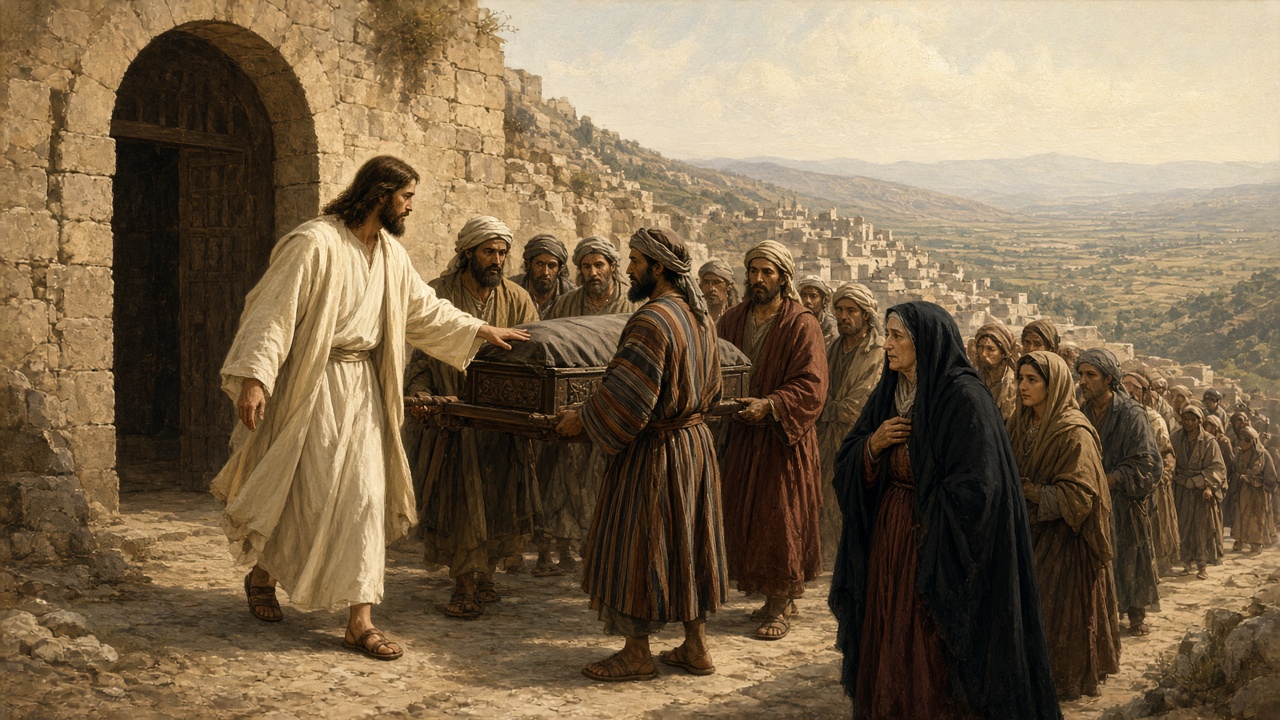
11Ihinda inini rĩathira, Jesũ agĩthiĩ itũũra rĩetagwo Naini, nao arutwo ake na andũ gĩkundi kĩnene magĩthiĩ nake. 12Na rĩrĩa akuhĩrĩirie kĩhingo gĩa itũũra rĩu, mũndũ wakuĩte nĩarutagwo kuo na aarĩ mwana wa mũmwe, nake nyina aarĩ mũtumia wa ndigwa. Nao andũ aingĩ a itũũra rĩu maarĩ hamwe nake. 13Rĩrĩa Mwathani onire mũtumia ũcio, akĩmũiguĩra tha, akĩmwĩra atĩrĩ, “Tiga kũrĩra.”
14Agĩcooka agĩthiĩ, akĩhutia ithandũkũ, nao arĩa maarĩkuuĩte makĩrũgama. Agĩcooka akiuga atĩrĩ, “Mwanake, ndakwĩra atĩrĩ, ũkĩra!” 15Mũndũ ũcio wakuĩte agĩũkĩra, akĩambĩrĩria kwaria, nake Jesũ akĩmũnengerana kũrĩ nyina.
16Andũ othe makĩiyũrwo nĩ guoya na makĩgooca Ngai, makiuga atĩrĩ, “Mũnabii mũnene nĩokĩte gatagatĩ gaitũ. Ngai nĩokĩte gũteithia andũ ake.” 17Nayo ngumo ya Jesũ ĩkĩhunja Judea guothe o na bũrũri ũrĩa wagũthiũrũrũkĩirie.
Jesũ na Johana Mũbatithania
18Nao arutwo a Johana nĩmamũheire ũhoro wa maũndũ macio mothe. Nake Johana agĩĩta arutwo ake eerĩ, 19akĩmatũma kũrĩ Mwathani makamũũrie atĩrĩ, “Wee nĩwe ũrĩa werĩtwo nĩagooka kana tweterere mũndũ ũngĩ?”
20Nao arutwo acio maakinya kũrĩ Jesũ makĩmwĩra atĩrĩ, “Johana Mũbatithania aatũtũma kũrĩ we tũkũũrie atĩrĩ, ‘Wee nĩwe ũrĩa werĩtwo nĩagooka kana tweterere mũndũ ũngĩ?’ ”
21Ihinda-inĩ o rĩu Jesũ akĩhonia andũ aingĩ arĩa maarĩ na mĩrimũ, na ndwari, na akĩingata ngoma thũku o na agĩtũma andũ aingĩ arĩa maarĩ atumumu macooke kuona. 22Nĩ ũndũ ũcio agĩcookeria arĩa maatũmĩtwo atĩrĩ, “Cookai mũkeere Johana maũndũ marĩa muonete na mũkaigua: atĩ atumumu nĩ marona, na ithua nĩiretwara, na arĩa marĩ na mangũ nĩ marahonio, na andũ arĩa mataiguaga nĩmaraigua, na arĩa akuũ nĩmarariũkio, na Ũhoro-ũrĩa-Mwega nĩũrahunjĩrio arĩa athĩĩni. 23Kũrathimwo nĩ mũndũ ũrĩa ũtarahĩngwo nĩ ũndũ wakwa.”
24Andũ acio maatũmĩtwo nĩ Johana moima harĩ Jesũ, Jesũ akĩambĩrĩria kwarĩria andũ aingĩ ũhoro wa Johana, akĩmooria atĩrĩ, “Nĩ kĩĩ mwathiĩte kuona werũ-inĩ? Hihi mwathiĩte kuona kamũrangi kainainagio nĩ rũhuho? 25Angĩkorwo ti guo-rĩ, mwathiĩte kuona kĩ? Hihi nĩ mũndũ wĩhumbĩte nguo njega? Aca, arĩa mehumbaga nguo cia goro na magekenia na mĩago ya thĩ maikaraga nyũmba cia ũthamaki. 26Mwagĩthiĩte kuona kĩ? Hihi mwathiĩte kuona mũnabii? Ĩĩ, ngũmwĩra atĩrĩ, muonire mũndũ ũkĩrĩte mũnabii. 27Ũyũ nĩwe ũrĩa ũhoro wake wandĩkĩtwo atĩrĩ:
“ ‘Nĩngatũma mũtũmwo wakwa athiĩ mbere yaku,
nake nĩagagũthondekera njĩra.’
28Ngũmwĩra atĩrĩ, harĩ andũ arĩa manaciarwo nĩ atumia-rĩ, gũtirĩ o na ũmwe mũnene gũkĩra Johana; no mũndũ ũrĩa mũnini mũno ũthamaki-inĩ wa Ngai, nĩ mũnene kũmũkĩra.”
29(Andũ othe, o na etia mbeeca cia igooti, rĩrĩa maiguire ciugo cia Jesũ, magĩtĩkĩra atĩ njĩra ya Ngai nĩ ya ma, tondũ maabatithĩtio nĩ Johana. 30No Afarisai na arutani a watho makĩregana na ũrĩa Ngai endaga meke, tondũ o matiabatithĩtio nĩ Johana.)
31Nake Jesũ akiuga atĩrĩ, “Andũ a rũciaro rũrũ ingĩmagerekania na kĩ? Matariĩ ta kĩ? 32Matariĩ ta ciana ciikarĩte ndũnyũ igĩĩta iria ingĩ, igaciĩra atĩrĩ:
“ ‘Twamũhuhĩire mũtũrirũ,
mũkĩaga kũina;
twamũinĩire rwĩmbo rwa macakaya,
no mũtiarĩrire.’
33Nĩgũkorwo Johana Mũbatithania ookire atekũrĩa na atekũnyua ndibei, na inyuĩ mũkiuga atĩrĩ, ‘Arĩ na ndaimono.’ 34Mũrũ wa Mũndũ ookire akĩrĩĩaga na akĩnyuuaga, na inyuĩ mũkiuga atĩrĩ, ‘Onei mũndũ mũkoroku na mũrĩĩu, mũrata wa etia mbeeca cia igooti na “ehia”.’ 35No ũũgĩ nĩũmenyekaga nĩ wa kĩhooto nĩ ciana ciaguo ciothe.”
Jesũ Gũitĩrĩrio Maguta nĩ Mũndũ-wa-nja warĩ Mwĩhia
36Na rĩrĩ, Mũfarisai ũmwe nĩetire Jesũ gwake makarĩanĩre irio cia hwaĩ-inĩ nake, nĩ ũndũ ũcio Jesũ agĩthiĩ nyũmba ya Mũfarisai ũcio, agĩikara metha-inĩ. 37Rĩrĩa mũndũ-wa-nja watũũrĩte mũtũũrĩre wa mehia itũũra-inĩ rĩu aamenyire atĩ Jesũ nĩararĩa irio nyũmba ya Mũfarisai ũcio-rĩ, agĩũka na cuba wa maguta manungi wega, 38na akĩrũgama thuutha wake, o hau magũrũ-inĩ make, akĩrĩraga, na akĩambĩrĩria kũmũihũgia nyarĩrĩ na maithori make. Agĩcooka akĩmũgiria nyarĩrĩ na njuĩrĩ yake, agĩcimumunya, na agĩciitĩrĩria maguta manungi wega.
39Rĩrĩa Mũfarisai ũrĩa wamwĩtĩte onire ũndũ ũcio, akĩĩra na ngoro atĩrĩ, “Korwo mũndũ ũyũ nĩ mũnabii, nĩangĩamenya ũrĩa ũramũhutia nĩ mũndũ-wa-nja wa mũthemba ũrĩkũ, na atĩ nĩ mwĩhia.”
40Jesũ akĩmwĩra atĩrĩ, “Simoni, ndĩ na ũndũ wa gũkwĩra.”
Nake akiuga atĩrĩ, “Mũrutani, njĩĩra.”
41“Kũrĩ andũ eerĩ maarĩ na thiirĩ wa mũndũ wakombithanagia mbeeca. Ũmwe aarĩ na thiirĩ wa dinari magana matano, na ũrĩa ũngĩ dinari mĩrongo ĩtano. 42Na rĩrĩ, gũtirĩ o na ũmwe wao warĩ na mbeeca cia kũmũrĩha, nĩ ũndũ ũcio marĩ o eerĩ akĩmarekera thiirĩ ũcio. Rĩu-rĩ, acio eerĩ nũũ ũngĩmwenda makĩria?”
43Simoni akĩmũcookeria atĩrĩ, “Ngwĩciiria nĩ ũrĩa warekeirwo thiirĩ ũrĩa mũnene.”
Jesũ akiuga atĩrĩ, “Nĩwatua wega.”
44Agĩcooka akĩĩhũgũrĩra mũndũ-wa-nja ũcio, akĩĩra Simoni atĩrĩ, “Nĩũkuona mũndũ-wa-nja ũyũ? Njũkire nyũmba gwaku, no ndũnaahe maaĩ ma gwĩthamba nyarĩrĩ, no nĩanjihũgia nyarĩrĩ na maithori make, na acigiria na njuĩrĩ yake. 45Wee-rĩ, ndũnaamumunya, no mũndũ-wa-nja ũyũ, kuuma rĩrĩa ndonyire ndarĩ aratigithĩria kũmumunya nyarĩrĩ ciakwa. 46Wee-rĩ, ndũnanjitĩrĩria maguta mũtwe, no ũyũ nĩanjitĩrĩirie maguta manungi wega nyarĩrĩ. 47Nĩ ũndũ ũcio ngũkwĩra atĩrĩ, nĩarekeirwo mehia make maingĩ. Nĩgũkorwo nĩendanĩte mũno. No ũrĩa ũrekeirwo mehia manini, endanaga o hanini.”
48Jesũ agĩcooka akĩĩra mũndũ-wa-nja ũcio atĩrĩ, “Nĩwarekerwo mehia maku.”
49Ageni arĩa angĩ makĩambĩrĩria kwĩrana atĩrĩ, “Kaĩ ũyũ akĩrĩ ũ, ũrarekanĩra o na mehia?”
50Jesũ akĩĩra mũndũ-wa-nja ũcio atĩrĩ, “Gwĩtĩkia gwaku nĩ gwakũhonokia; thiĩ na thayũ.”
¿Sabías que…?
Fe, compasión y la pregunta de un profeta
- El Easton's Bible Dictionary (1897) describe Capernaúm como una ciudad de Galilea que no se menciona en el Antiguo Testamento y que llegó a ser la ciudad que Jesús trataba como suya después de ser expulsado de Nazaret, escenario de muchos episodios de su vida. En este capítulo llega allí y encuentra al siervo muy estimado de un centurión a punto de morir; unos ancianos judíos ruegan, diciendo que el oficial ama a su nación y ha construido su sinagoga.Fuentes: Capernaum · el propio texto bíblico
- El Easton's Bible Dictionary (1897) relaciona el nombre Naín con una palabra hebrea que significa pastos verdes o hermoso, e identifica el pueblo con la aldea de Nein, en la ladera noroeste del Jebel ed-Duhy, llamado también la colina de Moré o el Pequeño Hermón, a unas cuatro millas de Tabor y veinticinco millas al suroeste de Capernaúm, sobre la llanura de Esdraelón. A la puerta del pueblo, Jesús se encontró con el funeral del hijo único de una viuda, y el asombro se extendió por la multitud.Fuentes: Nain · el propio texto bíblico
- Juan el Bautista es presentado como el precursor del Señor y como hombre de linaje sacerdotal: su padre, Zacarías, era sacerdote del turno de Abías, y su madre, Elisabet, era una de las hijas de Aarón. Su misión se describe como objeto de profecía, y en este capítulo Jesús dice a las multitudes que Juan es más que un profeta, el mensajero enviado por delante para preparar el camino, mientras los discípulos de Juan preguntan si Jesús es el que había de venir.Fuentes: John the Baptist · el propio texto bíblico
Notas escritas con ayuda de IA a partir de fuentes abiertas (Theographic Bible Metadata, CC BY-SA 4.0; Easton’s Bible Dictionary, dominio público) y revisadas antes de publicarse.
Lugares de este capítulo
- Nain · Hoy: Nein · 32.631, 35.350 · versículo 11
- Judea · Hoy: Judea 1 · 31.777, 35.234 · versículo 17
Solo aparecen lugares identificados con alta confianza (90 % o más según las fuentes académicas reunidas por OpenBible). Mapa de la época: DARE (Digital Atlas of the Roman Empire), CC BY 4.0; mapa actual: © colaboradores de OpenStreetMap; lugares: OpenBible.info (CC BY 4.0).
Créditos y licencia de esta traducción
Biblica® Kiugo Gĩtheru Kĩa Ngai Kĩhingũre Gikuyu: Biblica® Kiugo Gĩtheru Kĩa Ngai Kĩhingũre (Bible) of Kenya copyright © 2013 Biblica, Inc. Language: Kikuyu (Gikuyu) Contributor: Biblica, Inc. Wĩra ũyũ ũheanĩtwo na ũndũ wa rũtha rwa biacara rwa Creative Commons Attribution-ShareAlike 4.0 International License (CC BY-SA). Ũngĩenda kuona kobĩ ya rũtha rũrũ rwa biacara, rora rũrenda-inĩ rwa: http://creativecommons.org/licenses/by-sa/4.0, kana ũtũme marũa kũrĩ: Creative Commons, PO Box 1866, Mountain View, CA 94042, USA. Biblica® nĩ mũhũri wa biacara wandĩkithĩtio nĩ Biblica, Inc., kũhũthĩra mũhũri wa biacara wa Biblica® kũbataraga marũa ma gwĩtĩkĩrio kuuma kũrĩ Biblica, Inc. Kuumana na rũtha rwa biacara rwa CC BY-SA, no ũkobie kana ũtambie wĩra ũyũ ũtarĩ mũgarũre, ĩndĩ ndũkagarũre rũri rwa biacara rwa Biblica®. Ũngĩgarũra kana ũkobie wĩra ũyũ, na tondũ wa ũguo ũtuĩke nĩ wĩra mwerũ uumanĩte na ũcio-rĩ, no nginya weheria mũhũri wa biacara wa Biblica®. Wĩra-inĩ ũcio mwerũ no nginya wonanie nĩ maũndũ marĩkũ ũgarũrĩte, na ũtarĩrie wĩra-inĩ ũcio ta ũũ: “Wĩra wa kĩhumo warĩ wa Biblica, Inc. na ũheanĩtwo tũhũ ng’enda-inĩ cia www.biblica.com na open.bible.” Kĩmenyitha kia Mwene-wĩra no nginya kĩandĩkwo iratathi rĩa kĩongo kĩa wĩra kana rĩa ũhoro wa Mwene-wĩra ta ũũ: Biblica® Kiugo Gĩtheru Kĩa Ngai Kĩhingũre™ Kĩmenyithia kĩa Mwene-wĩra © 2013 nĩ Biblica, Inc. Biblica® Open Kikuyu Holy Word of God™ Copyright © 2013 by Biblica, Inc. “Biblica” nĩ mũhũri wa biacara wandĩkithĩtio wabici-inĩ ya United States Patent and Trademark Office nĩ Biblica, Inc. Ũhũthĩrĩtwo na rũtha. “Biblica” is a trademark registered in the United States Patent and Trademark Office by Biblica, Inc. Used with permission. No nginya wĩtĩkĩrie wĩra ũcio mwerũ ũgarũrĩte ũheanwo na ũndũ wa rũtha rwa biacara rũu rwa CC BY-SA. Ũngĩenda kũmenyithia Biblica, Inc. ũhoro wĩgiĩ ũtaũri waku wa wĩra ũyũ-rĩ, twandĩkĩre rũrenda-inĩ rwa: https://open.bible/contact-us. This work is made available under the Creative Commons Attribution-ShareAlike 4.0 International License (CC BY-SA). To view a copy of this license, visit http://creativecommons.org/licenses/by-sa/4.0 or send a letter to Creative Commons, PO Box 1866, Mountain View, CA 94042, USA. Biblica® is a trademark registered by Biblica, Inc., and use of the Biblica® trademark requires the written permission of Biblica, Inc. Under the terms of the CC BY-SA license, you may copy and redistribute this unmodified work as long as you keep the Biblica® trademark intact. If you modify a copy or translate this work, thereby creating a derivative work, you must remove the Biblica® trademark. On the derivative work, you must indicate what changes you have made and attribute the work as follows: “The original work by Biblica, Inc. is available for free at www.biblica.com and open.bible.” Notice of copyright must appear on the title or copyright page of the work as follows: Biblica® Kiugo Gĩtheru Kĩa Ngai Kĩhingũre™ Kĩmenyithia kĩa Mwene-wĩra © 2013 nĩ Biblica, Inc. Biblica® Open Kikuyu Holy Word of God™ Copyright © 2013 by Biblica, Inc. “Biblica” nĩ mũhũri wa biacara wandĩkithĩtio wabici-inĩ ya United States Patent and Trademark Office nĩ Biblica, Inc. Ũhũthĩrĩtwo na rũtha. “Biblica” is a trademark registered in the United States Patent and Trademark Office by Biblica, Inc. Used with permission. You must also make your derivative work available under the same license (CC BY-SA). If you would like to notify Biblica, Inc. regarding your translation of this work, please contact us at https://open.bible/contact-us. This translation is made available to you under the terms of the Creative Commons Attribution Share-Alike license 4.0. You have permission to share and redistribute this Bible translation in any format and to make reasonable revisions and adaptations of this translation, provided that: You include the above copyright and source information. If you make any changes to the text, you must indicate that you did so in a way that makes it clear that the original licensor is not necessarily endorsing your changes. If you redistribute this text, you must distribute your contributions under the same license as the original. Pictures included with Scriptures and other documents on this site are licensed just for use with those Scriptures and documents. For other uses, please contact the respective copyright owners. Note that in addition to the rules above, revising and adapting God's Word involves a great responsibility to be true to God's Word. See Revelation 22:18-19. 2025-05-07
Fuente: http://ebible.org/kik/ · eBible.org