Juan 12
Nhandejáry Nhe'ẽ · Toca un versículo para ver sus referencias cruzadas.
Maria omohyakwã Hesu py
1Ha upéi katu oiko-ta aretegwasu páscoa héry va'e. Seis áry rire oiko-ta. Upe ramo Hesu ogwahẽ oho-vy Betânia tetã'i-my. Upe-py oiko Lázaro Hesu remimoingovekwe. 2Upe-py ogwahẽ rire Hesu, omongaru porã íxupe. Ha Marta ogweroja íxupe hemi'urã oiko-vy. Heta Hesu karu irũ. Ipa'ũ-my ave okaru Lázaro. 3Upe ramo Lázaro reindy Maria ogweru hyakwã porã tee va'e, nardo héry va'e. Hyru reheve peteĩ litro ogweru. Upe va'e hyakwã porã va'e hepy va'e. Upéi Maria onhohẽ Hesu py-rehe, omohyakwã-vy ipy. Upe rire ho'avuku-py oikyty ipy omokã hagwã. Ha ohasapa hyakwã. Ojohupa koty hyakwã. 4Upe-ma ramo he'i Judas Iscariotes, Hesu mombe'uharã ipyhyharã-pe:
5—Hepy eterei hyakwã va'e. Ma'erã nome'ẽi hepy-rehe ra'e? he'i. —Doze jasy omba'apo va'ekwe repy upe va'e. Ma'erã po nome'ẽi ra'e iporiahu va'e-pe hyakwã va'e repy? he'i mo'ã Judas hyakwã va'e-rehe.
6Ndaha'éiry ome'ẽse-gwi iporiahu va'e-pe. Imondaháry voi Judas. Pirapire ryru-rehe onhangareko va'e. Ha hyru-py oĩ va'e omonda monda oiko-vy va'e.
7Upe ramo he'i Hesu:
—Ani nde poxy teĩ Maria-rehe. Eheja taxe mohyakwã. Heko-rupi ha'e ou. Xe mohyakwãse rei amano e'ỹ ngatu. Upéa-gwi gweminhongatu omoĩ xe-rehe, he'i judeu rekoha-rehe. 8—Oiko meme pene pa'ũ-rupi iporiahu va'e kwéry. Peme'ẽse ramo, peme'ẽ va'erã íxupe kwéry. Xe ae ndaiko are mo'ãi pene pa'ũ-rupi, he'i upe pygwa-pe Hesu.
Judeu kwéry onhombo'e mbo'e-ma Lázaro-pe ave ojuka hagwã
9Ha upéi katu heta ijaty va'e, judeu kwéry va'e, ohendu Hesu oimeha Betânia tetã'i-my. Upéa-gwi oje'ói ohexa-vy. Lázaro-pe, Hesu remimoingovekwe rexa-vy ave oje'ói. 10Ha pa'i ruvixa kwéry katu oje'ói ohexa va'e ndojohu porãi:
—Heta judeu ko nanhane moirũvéi-ma, he'i. —Hemimoingovekwe-gwi ojehesa rerova-ma oiko-vy Hesu-rehe. Ojerovia-magwi, ojehesa rerova-ma hese, he'i Hesu-rehe Lázaro-rehe ave.
Upéa-gwi onhombo'e mbo'e-ma Lázaro-pe ave ojuka hagwã hikwái.
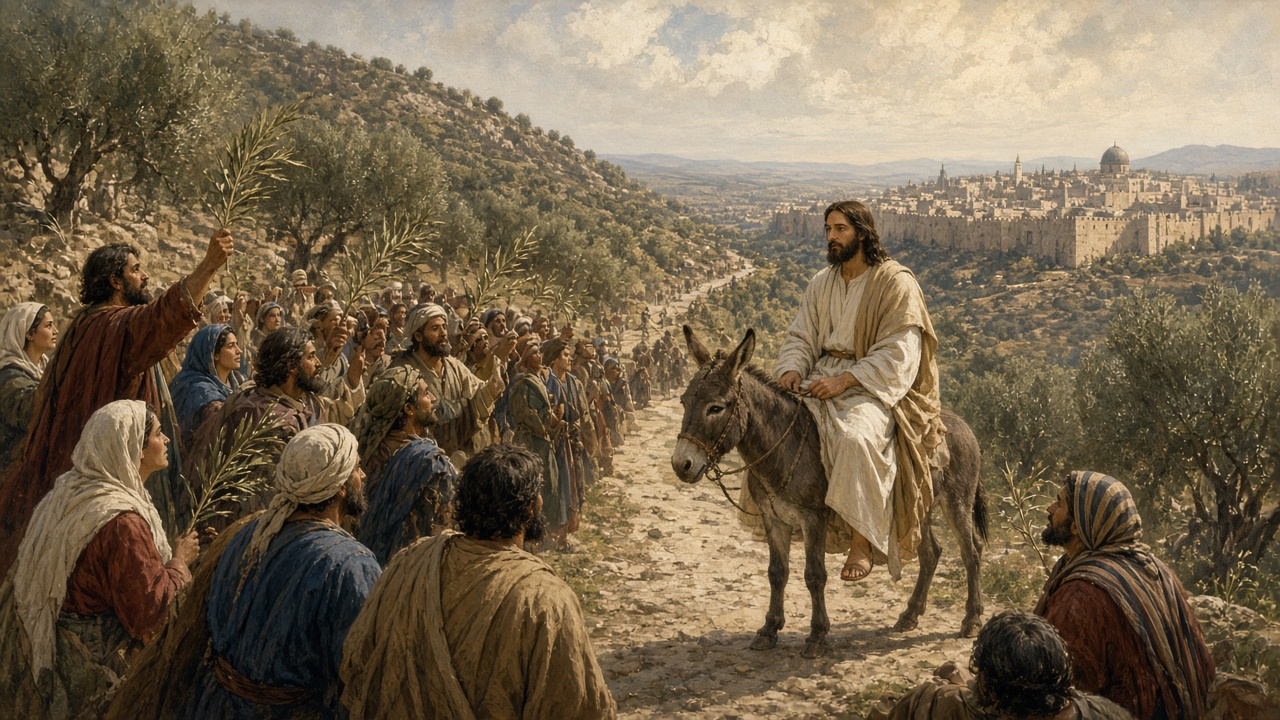
Ogwahẽ ou-vy Jerusalém tetã-my Hesu; mburika ári ogwahẽ ou-vy
12(y 17-18) Iko'ẽ-my heta oĩ ijaty va'e Jerusalém-my oho va'ekwe, páscoa aretegwasu-py oho va'ekwe. Upe ramo ohendu-ma Hesu rerakwã hikwái:
—Ogwahẽ-tama ou-vy Hesu, he'i ijaty va'e-pe Hesu rerakwã omombe'u-vy.
Upe-py oĩ Hesu rembiapo porã rexahare. Omoirũ ra'e Hesu-pe ohenói ramo Lázaro-pe oyta-gwi osẽ jevy hagwã. Omoingove jevy jave Lázaro-pe, omoirũ ra'e íxupe hikwái. Upéa-gwi omombe'u mbe'u herakwã. Ha upéi katu henduhare oho ohogwaitĩ-vy íxupe:
—Jahexa e'ỹ va'e opu'akaha-py ojapo kuri Hesu, he'i hese omombe'u-vy.
Upéa-gwi oho ohogwaitĩ-vy íxupe.
13Upe-ma ramo gwĩ henduhare oikytĩ heraha-vy pindo rogwe hakã reheve. Ohogwaitĩ-vy oho. He'i:
—Tonhemomba'egwasu katu Nhandejáry, he'i onhe'ẽ hatã-vy hikwái. —Nhandejáry réry-py ou va'e-pe tohovasa katu, he'i. —Nhande ruvixarã-pe tohovasa katu. Nhande Israel kwéry ruvixagwasurã-pe tohovasa, he'i Hesu-rehe onhe'ẽ hatã hatã-vy hikwái.
14Ha upéi katu Hesu ojohu gwenagwã mburika ra'y ojeupi hagwã hi'ári. Upéixa ete omombe'u va'ekwe Nhandejáry kwatia nhe'ẽ Hesu rehegwarã nhe'ẽ:
15“Ani pekyhyje teĩ, he'i Sião mygwa-pe, Pene ruvixagwasurã ko ogwahẽ-ma ou-vy mburika ári ou. Upéa-gwi ani pekyhyje teĩ”
he'i Nhandejáry nhe'ẽ Jerusalém pygwa-rehe.
16Upéixa voi he'i va'ekwe Nhandejáry kwatia nhe'ẽ Hesu rekorã omombe'u-vy. Ha hemimbo'e ndoikwaái voi ra'e Hesu rekorã rehegwa nhe'ẽ. Mburika ári oho ramo, mbava'e-pe po he'ise upe va'e ndoikwaáiry voi. Ha onhembotuvixa mba'e rire katu Hesu, oikove jevy rire katu, imandu'a jevy Nhandejáry kwatia nhe'ẽ-rehe hikwái. Hesu rekorã rehegwa nhe'ẽ-rehe imandu'a jevy hikwái. Upe ramo:
—Nhandejáry kwatia he'i hagwe-rami oiko nipo ra'e Hesu-pe. Hesu-pe jajapo va'ekwe, Nhandejáry nhe'ẽ-rupi jajapo nipo ra'e íxupe, he'i omombe'u ojóupe hemimbo'e kwéry.
Ha mburika ra'y ári ou jave omboete ete Hesu-pe ijaty aty va'e kwéry. 17(-) 19Ha fariseu kwéry:
—Erehexa pa? Enterove va'e ko ojehesa rerovapa-ma hese hikwái. Ha ojehesa rerova hagwã hese ndikatúi jajoko, he'i ojóupe fariseu kwéry.
“Orohexase Hesu-pe” he'i judeu e'ỹ va'e grego-py onhe'ẽ va'e
20Ha Jerusalém-py ogwahẽ ogwa'ẽ-vy heta eta va'ekwe aretegwasu mboeteha. Ipa'ũ-my oĩ ave gwĩ judeu e'ỹ va'e grego-py onhe'ẽ va'e. 21Upe ramo ou Filipe oĩ ha-py. Filipe Galiléia yvy pygwa voi. Betsaida tetã mygwa voi. Ha upéi:
—Mba'ejáry, orohexase Hesu-pe, he'i Filipe-pe.
Oporandu jevy jevy oho hagwã-rehe.
22Upe ramo oho omombe'u André-pe. Upéi mokõive oho omombe'u Hesu-pe. 23Inhe'ẽ ohendu ramo, he'i Hesu:
—Xe Nhande Ryke'y tee va'e. Ogwahẽ-ma anhemomba'egwasu ukaha óra, he'i. 24—Amombe'u-ta peẽ-my anhetegwa tee va'e. Xejehegwa amombe'u-ta trigo ra'ỹi rehegwa nhe'ẽ-rami. Trigo ra'ỹi nhanhotỹ va'e yvy-py henhói hagwã. Henhói e'ỹ ramo trigo ra'ỹi mante oĩ. Peteĩ mante oiko. Ha henhói ramo katu ndoikovéi-ma ha'ỹigwe. Ndoikovéi ójehe. Henhói ijagwyje hagwã, onhembohetave hagwã, he'i. 25—Upéixa ete gwekove-rehe hakate'ỹ va'e, ojehéte oiko va'e, onhehundipa rei va'erã hekove. Ndotopái va'erã gwekove repyrã. Ha gwakate'ỹ hagwã gwekove-rehe nopenái va'e katu ko yvy ári, omoĩ ngatu va'erã gwekove Nhandejáry ndive oiko opa e'ỹ reheve hagwã, he'i. 26—Xe rembigwái ramo oikose va'e gwive taxe moirũ katu, he'i. —Upéixa ramo xe aime ha-rupi, xe ndive oiko va'erã ave xe rembigwái. Xe rembigwái va'e gwive omboete va'erã íxupe xe Ru, he'i upe pygwa-pe Hesu.
Kurusu-rehe omanotaha omombe'u Hesu
27Ha upéi katu he'i jevy upe pygwa-pe Hesu:
—Ko'ánga katu ajepy'apy-ma xéjehe, he'i. —Ndaxe py'agwapyvéi-ma xéjehe. Mbava'e po ha'e-ta xe Ru-pe, ndaikwaái. Ha'e-ta para'e, Xe resende katu xe áry-py. Xe amano hagwã áry-py xe resende katu, ha'e-ta para'e. Nahániry. Xe resende katu, aipo nda'e mo'ãiry. Amano hagwã-ma agwahẽ aju-vy xe óra-py, he'i. 28—Tomomba'egwasu uka nde réry, he'i Gwu-pe.
Upe-ma ramo ohendu yváy-gwi onhe'ẽ va'e:
—Xe réry amomba'egwasu-ma kuri. Ãy amomba'egwasu jevy-ta, he'i upe pygwa-pe Túvy.
29Ha ijaty va'e ohendu ave onhe'ẽ va'e. Hyapu va'e-rami ae ohendu inhe'ẽ:
—Hyapu-ma. Osunu-ma, he'i mo'ã yváy pygwa nhe'ẽ rendu-vy hikwái.
Outro he'i:
—Nhandejáry rembigwái yváy pygwa omombe'u íxupe, he'i mo'ã onhe'ẽ va'ekwe-rehe.
30Upéixa ramo he'i Hesu:
—Ndaha'éiry xe-vy anho omombe'u va'ekwe. Peẽ-my ave omombe'u onhe'ẽ va'e, he'i. 31—Ãy ogwahẽ-ma ãygwa óra. Yvypóry-pe ahexa uka-tama hekoha vaiha. Ha yvypóry ruvixa-pe amosẽ-tama imondo-vy, he'i anháy ruvixa-rehe. 32—Ha xe ko, ko yvy-gwi xe rupi rire kurusu-rehe, anhemoirũ uka-ta entéro kente kwéry-pe, he'i ijaty va'e-pe Hesu.
33Upéa he'i kurusu-rehe omanotaha omombe'u-vy.
34Ha upéi he'i íxupe ijaty va'e kwéry:
—Nhandejáry kwatia nhe'ẽ, orohendu va'e, he'i no'ã-rami, “Nomanói va'erã Cristo. Oiko meme va'erã opa e'ỹ-rehe” he'i. Upéixa ramo ma'erã, “Ohupi va'erã omoĩ-vy ko yvy-gwi Nhande Ryke'y tee va'e-pe” ere kuri ore-vy? Kiva'e po ko Nhande Ryke'y tee va'e, ndoroikwaái, he'i íxupe hikwái.
35Upéi he'i Hesu:
—Sapy'a apombo'eve-ta ohesape va'e-rami. Ha upe rire katu, aha jevy-ma va'erã, he'i. —Pene pa'ũ-rupi xe aime jave, arakatu-rupi oiko va'e-rami tapeiko kena. Arakatu-rupi peiko ramo, ndapeikói va'erã hesapyso e'ỹ oiko va'e-rami. Pytũ-rupi oiko va'e gwive ndohexáiry gwaperã. 36Apohesape jave pejerovia katu xe-rehe. Upéixa peiko-ma va'erã arakatu-rupi meme oiko va'e-rami, he'i ijaty va'e-pe Hesu.
Judeu kwéry ndogweroviáiry Hesu nhe'ẽ
Onhe'ẽ oĩ-vy rire onhemo'ã-ma oho-vy Hesu. Ijaty va'e-gwi okanhy-ma oho-vy. 37Heta jahexa e'ỹ va'e gwive hexapyrã-rupi voi ojapo-ma. Ohexa jepe, ndojerovia etéi voi hese hikwái.
38Yma va'ekwe omoĩ kwatia-rehe. Hesu rekorã omoĩ va'ekwe Nhandejáry nhe'ẽ-py omombe'u va'ety héry va'e Isaías. Ohai va'ekwe no'ã-rami:
“Kiva'e po ogwerovia nhane remimombe'u, xe Járy? Kiva'e-pe po ohexa uka Nhandejáry ipu'akaha?”
he'i Nhandejáry nhe'ẽ. 39Upéa-gwi hembihaikwe-rami ndogweroviáiry ave Hesu nhe'ẽ hikwái.
Ohai jevy va'ekwe Isaías no'ã-rami:
40“Ogwerovia e'ỹ va'e-pe omoingo Nhandejáry pytũ-rupi. Inharandu porãrãgwe oipe'apa íxugwi. Upéa-rehe hesapyso e'ỹ va'e-rami oiko. Nahi'arandu porãi voi. Ndojeréi Nhandejáry-rehe omoirũ hagwã íxupe, Nhandejáry ombogwera hagwã íxupe kwéry”
he'i Nhandejáry nhe'ẽ. Upéixa ete ohai va'ekwe judeu rekorã Isaías amyrĩ. Upéa-gwi ohai hagwe-rami ndikatúi ojerovia Hesu-rehe hikwái.
41Ha Isaías upéte ojehexa uka va'ekwe Hesu rekoha. “Tuvixa mba'e” he'i Hesu rexa-vy. Upéa-gwi omoĩ va'ekwe kwatia-rehe Hesu rehegwarã.
42Judeu kwéry ndogweroviái ramo jepe, heta oĩ mburuvixa judeu va'e ojerovia joty hese. Ha atýra-py katu nomombe'úiry ojeroviaha. Ikyhyje fariseu kwéry-gwi. Nonhemosẽ ukaséi ojeporahéi haty haty-gwi. 43Onhemboete ukase ramo jepe Nhandejáry-pe, ojehexa uka porãse ave oiko-vy teko rei-pe. Upéa-gwi nomombe'úiry ojeroviaha atýra-py.
“Xe nhe'ẽ mbojevy va'e gwive, hekoha vai mombe'uharã oĩ ave íxupe” he'i Hesu
44Ha upéi katu onhe'ẽ hatã Hesu:
—Xe-rehe ojerovia tee va'e gwive ojerovia xe mbouhare-rehe ave. Ndaha'éiry xe-rehete anho ojerovia va'e, he'i. 45—Xe reko ohexa kwaa va'e gwive, xe mbouhare reko ohexa kwaa ave. 46Yvypóry kwéry-pe ahesape hagwã aju va'ekwe xe-rehe ojerovia tee va'e gwive oiko e'ỹ hagwã pytũ-rupi. 47Xe remimombe'u renduse e'ỹ va'e gwive, namombe'u mo'ãi íxupe hekoha vaiha. Ndajúi va'ekwe yvypóry rekoha vai mombe'u-vy. Aresende-vy ae aju va'ekwe, he'i. 48—Ha xe nhe'ẽ mbojevy va'e gwive, xe nhe'ẽ nohenduséi va'e gwive, oikwaa va'erã gwekoha vaiha. Xe aju jevytaha áry-py oikwaa va'erã gwembiapo vaikwe. Ãy xe remimombe'u nohenduséi-gwi ombohasa asy va'erã íxupe kwéry Nhandejáry, he'i.
49—Xe jehegwigwa namombe'úi va'e. Xe Ru nhe'ẽ ae amombe'u. Xe Ru xe mbouhare omombe'u xe-vy xe nhe'ẽrã. Xe remimombe'urã ave omombe'u xe-vy. Upéa-gwi xe aju jevytaha áry-py xe nhe'ẽ nohenduséi-gwi ojekwaapa va'erã íxupe hembiapo vaikwe. 50Ha xe Ru omombe'u va'e xe-vy xe nhe'ẽ katu ohendu va'e gwive amoingove va'erã íxupe Nhandejáry ndive opa e'ỹ reheve oiko hagwã. Xe jehegwigwa nhe'ẽ namombe'úi. Xe nhe'ẽrã xe Ru omombe'u va'ekwe ae amombe'u voi xe, he'i Hesu upe pygwa-pe.
¿Sabías que…?
La unción en Betania y la entrada en Jerusalén
- Betania, adonde Jesús llegó seis días antes de la Pascua, estaba a unas dos millas al este de Jerusalén, en la ladera sureste del monte de los Olivos, junto al camino a Jericó, y tomó su nombre de las palmeras que crecían allí. Era el hogar de Lázaro, a quien Jesús había resucitado de entre los muertos después de cuatro días en el sepulcro, y de sus hermanas Marta y María; los principales sacerdotes planearon matar también a Lázaro, porque por causa de él mucha gente estaba creyendo en Jesús.Fuentes: el propio texto bíblico · Bethany · Lazarus
- En una cena en la que Marta servía y Lázaro estaba reclinado a la mesa, María ungió los pies de Jesús con alrededor de una pinta de perfume costoso hecho de nardo puro y los secó con sus cabellos, de modo que la casa se llenó de la fragancia. Judas Iscariote, hijo de Simón, cuyo sobrenombre significa un hombre de Kerioth, preguntó por qué el perfume no se vendió por trescientos denarios para los pobres; era un ladrón que, como encargado de la bolsa, solía sacar de lo que se ponía en ella, y iba a traicionar a Jesús.Fuentes: el propio texto bíblico · Judas Iscariot · Simon
- Al día siguiente, la gran multitud que había venido para la fiesta tomó ramas de palma y salió al encuentro de Jesús, que venía a Jerusalén sentado en un burrito, gritando alabanza al Rey de Israel, como está escrito acerca de la Hija de Sion. Sion era la colina sureste de Jerusalén, donde David construyó una ciudadela y un palacio después de tomarla, de modo que llegó a ser la ciudad de David. Al principio sus discípulos no entendieron estas cosas, pero después de que Jesús fue glorificado recordaron que también habían sido escritas acerca de él.Fuentes: el propio texto bíblico · Zion
Notas escritas con ayuda de IA a partir de fuentes abiertas (Theographic Bible Metadata, CC BY-SA 4.0; Easton’s Bible Dictionary, dominio público) y revisadas antes de publicarse.
Lugares de este capítulo
- Jerusalem · 31.777, 35.234 · versículos 11, 12, 20
- Zion · Hoy: Jerusalem · 31.777, 35.234 · versículo 15
- Galilee · 32.760, 35.527 · versículo 21
Solo aparecen lugares identificados con alta confianza (90 % o más según las fuentes académicas reunidas por OpenBible). Mapa de la época: DARE (Digital Atlas of the Roman Empire), CC BY 4.0; mapa actual: © colaboradores de OpenStreetMap; lugares: OpenBible.info (CC BY 4.0).
Créditos y licencia de esta traducción
Nhandejáry Nhe'ẽ
New Testament in Kaiwá (BR:kgk:Kaiwá)
copyright © 2006 Wycliffe Bible Translators, Inc.
Language: Kaiwá
Translation by: Wycliffe Bible Translators, Inc.
Copyright Information
© 2006, Wycliffe Bible Translators, Inc. All rights reserved.
This translation text is made available to you under the
terms of the Creative Commons License: Attribution-Noncommercial-No Derivative Works.
( http://creativecommons.org/licenses/by-nc-nd/3.0/ )
In addition, you have permission to port the text to different file formats, as long as you
do not change any of the text or punctuation of the Bible.
You may share, copy, distribute, transmit, and extract portions
or quotations from this work, provided that you include the above copyright
information:
You must give Attribution to the work.
You do not sell this work for a profit.
You do not make any derivative works that change any of the actual words or punctuation of the Scriptures.
Permissions beyond the scope of this license may be
available if you contact
us with your request.
The New Testament
in Kaiwá
© 2006, Wycliffe Bible Translators, Inc. All rights reserved.
This translation is made available to you under the terms of the
Creative Commons Attribution-Noncommercial-No Derivatives license 4.0.
You may share and redistribute this Bible translation or extracts from it in any format, provided that:
You include the above copyright and source information.
You do not sell this work for a profit.
You do not change any of the words or punctuation of the Scriptures.
Pictures included with Scriptures and other documents on this site are licensed just for use with those Scriptures and documents.
For other uses, please contact the respective copyright owners.
2014-04-27
Fuente: http://ebible.org/kgkNT/ · eBible.org