2 Corintios 3
Ʉbhʉragɨ Ubhuhya Mʉkɨgambʉ chi Ikikiizʉ · Toca un versículo para ver sus referencias cruzadas.
Abhahocha bhʉ ʉbhʉragɨ ubhuhya
1Nangʉ, muriiseega tʉratanga naatu kwikumya itubheene? Zɨyi, itwɨ tʉtaangɨ abhaatʉ bhanʉ bhakʉbhareetera ɨnyarʉbha yu ukwitonda hamwɨ kʉsabha ɨnyarʉbha kurwa kwa niimwɨ. 2Imwɨ niimwɨ ɨnyarʉbha yɨɨtʉ, yɨnʉ yandikirwɨ mumyʉyʉ jɨtʉ, na abhaatʉ bharatʉra kosoma na koyemenya. 3Moreerekenʼya kʉbha mʉbhɨɨrɨ ɨnyarʉbha ya Kiriisitʉ, yɨnʉ ikwerecha emeremo gɨnʉ twakʉrirɨ kwa niimwɨ. Ɨnyarʉbha yiyo ɨtaandikirwɨ kubhwinʉ, nawe kwe Ekoro ya Mungu wʉ ʉbhʉhʉru. Ɨtaandikirwɨ kʉmaganga, nawe yandikirwɨ mozekoro za abhaatʉ.
4Tʉragamba gayo, kʉ kʉbha tunu ubhwisɨgi kwa Mungu kʉhɨtɨra Kiriisitʉ. 5Ɨtarɨ turiiseega tʉratʉra kokora chʉchʉsi kʉbhʉnaja bhwɨtʉ itubheene, nawe ʉbhʉnaja bhwɨtʉ bhʉrarwa kwa Mungu. 6Ewe newe aatʉhɨɨrɨ ʉbhʉnaja bhwʉ ʉkʉbha abhahocha bhʉ ʉbhʉragɨ ubhuhya. Ʉbhʉragɨ bhuyo bhʉtakurwa kumigirʉ gɨnʉ jandikirwɨ, nawe ni‑bhwe Ekoro Ɨndɨndu, kʉ kʉbha imigirʉ gɨrareeta uruku, nawe Ekoro Ɨndɨndu ɨrareeta ʉbhʉhʉru.
Ʉbhʉgʉngʉ bhwʉ ʉbhʉragɨ ubhuhya
7Nangabha imigirʉ gɨnʉ jandikirwɨ kʉmaganga gɨkareeta uruku, nawe gɨkaaza mʉbhʉgʉngʉ, kuhika Abhiiziraɨri bhakatamwa korora ubhushʉ bhwa Musa. Bhakatamwa kʉ kʉbha ubhushʉ bhwazɨ bhʉkabharya igʉrʉ wʉ ʉbhʉgʉngʉ, nangabha ibhaga isuuhubhu, ʉkʉbharya kurya kʉkabhʉʉrabhʉʉra. 8Nangʉ emeremo je Ekoro Ɨndɨndu gɨtakʉbha nʉ ʉbhʉgʉngʉ kʉkɨraho? 9Na arɨɨbhɨ emeremo gɨnʉ gekokora abhaatʉ kutinirwa gɨnʉ ʉbhʉgʉngʉ, nangʉ emeremo gɨnʉ gekoreeta eheene mʉbhʉtangɨ bhwa Mungu gɨtakʉbha nʉ ʉbhʉgʉngʉ kʉkɨraho? 10Nangʉ, ʉbhʉgʉngʉ bhwʉ ʉbhʉragɨ bhwɨ ɨkarɨ bhʉtarɨngʼɨɨnɨ nʉ ʉbhʉgʉngʉ bhwʉ ʉbhʉragɨ ubhuhya, kʉ kʉbha ʉbhʉgʉngʉ bhwʉ ʉbhʉragɨ ubhuhya nɨ‑bhʉkʉrʉ bhʉkʉngʼu. 11Arɨɨbhɨ kɨnʉ charɨ kɨkʉbhʉʉrabhʉʉra ibhaga isuuhubhu charɨ nʉ ʉbhʉgʉngʉ, nangʉ kɨnʉ kɨkʉrama kemerano kɨtaana ʉbhʉgʉngʉ bhʉkʉrʉ kʉkɨraho?
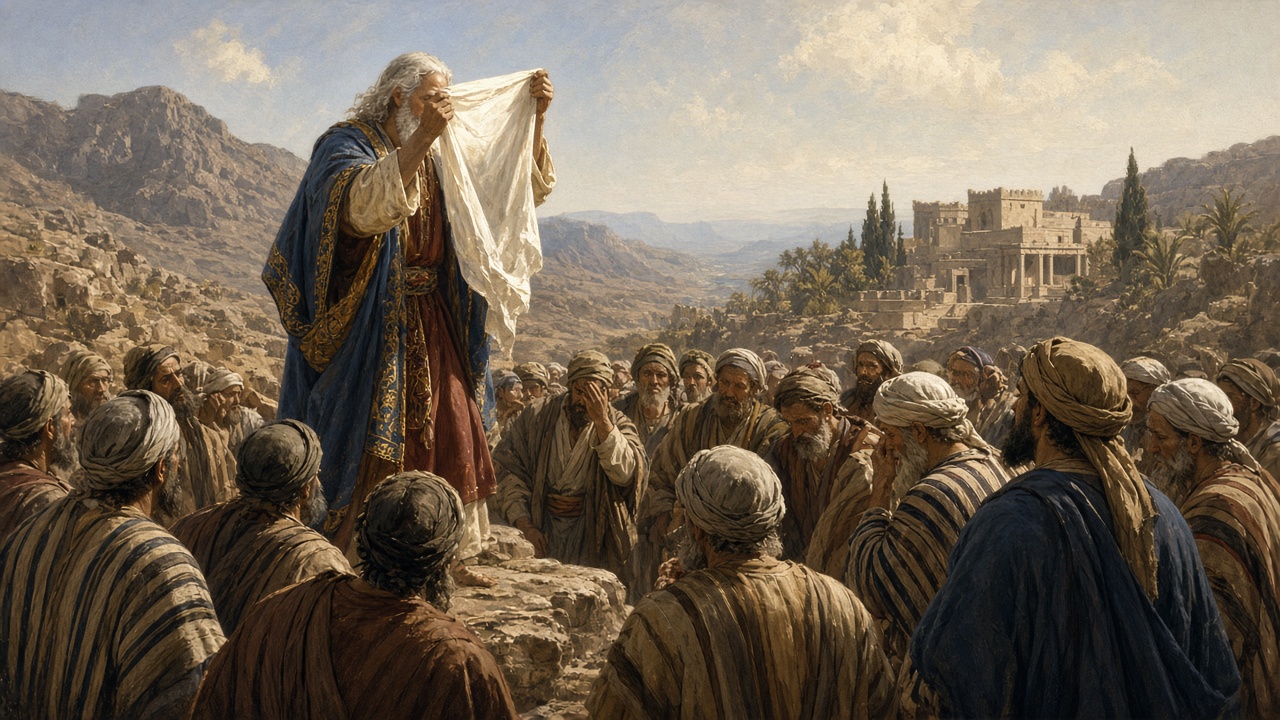
12Mmbe, kʉ kʉbha riyo neryo ubhwisɨgi bhwɨtʉ, tʉrakora kwa bhʉkararu. 13Itwɨ tʉtaangɨ Musa, chɨmbu ikundikiiryɨ ubhushʉ nɨ ɨkɨsagi, korereke Abhiiziraɨri bhatarora chɨmbu ʉkʉbharya kwarɨ kʉkʉbhʉʉrabhʉʉra. 14Nawe Abhiiziraɨri bhatɨɨndirɨ komenya, kuhika nangwɨnʉ hanʉ bhakosoma Ʉbhʉragɨ bhwɨ Ɨkarɨ, bharatamwa komenya amaheene, bharabha nkina bharɨchibhwɨ nɨ ɨkɨsagi kiyo. Ɨkɨsagi kiyo kɨkɨɨrɨ kuruusibhwaho, kʉ kʉbha kɨraruusibhwaho, hanʉ ʉmʉʉtʉ ariisiriryɨ Kiriisitʉ. 15Amaheene nʉʉrʉ reero yɨnʉ, hanʉ ɨbhɨtabhʉ bhyi imigirʉ ja Musa bhekosomwa, zekoro zaabhʉ zɨrakundikiribhwa, bhatamenya amaheene. 16Nawe ʉmʉʉtʉ wʉnʉ akwichʉrɨra Ʉmʉkʉrʉ, Ʉmʉkʉrʉ aramuruusha ɨkɨsagi kiyo. 17Mmbe Ʉmʉkʉrʉ newe Ekoro, na hanʉ Ekoro yʉ Ʉmʉkʉrʉ ɨrɨ, neho ubhwiyagaaruri bhʉrɨ. 18Na bhanʉ bhʉʉsi tʉtakwikundikirya ubhushʉ nɨ ɨkɨsagi, toreerekenʼya ʉbhʉgʉngʉ bhwʉ Ʉmʉkʉrʉ chɨmbu ekerore kikwerekenʼya ipicha. Ʉmʉkʉrʉ newe Ekoro, aratuchʉra korereke tutuubhanɨ nawe, kurwa kʉ ʉbhʉgʉngʉ kuhika kʉ ʉbhʉgʉngʉ ʉbhʉkʉrʉ kʉkɨraho.
¿Sabías que…?
Un pacto más glorioso
- El capítulo pregunta si hacen falta cartas de recomendación para los creyentes o de parte de ellos, como algunas personas exigen. Responde que los propios creyentes son una carta de Cristo, fruto de este ministerio, inscrita en los corazones de los ministros y conocida y leída por todos.Fuentes: el propio texto bíblico
- El capítulo contrasta la tinta y las tablas de piedra con el Espíritu del Dios vivo escribiendo en corazones humanos. Llama ministerio de muerte y de condenación al ministerio grabado con letras en piedra, y describe un nuevo pacto del Espíritu, porque la letra mata, pero el Espíritu da vida.Fuentes: el propio texto bíblico
- Los israelitas no podían mirar fijamente el rostro de Moisés a causa de una gloria que se desvanecía, y Moisés se puso un velo sobre el rostro para que no contemplaran el fin de lo que iba pasando. El capítulo dice que un velo aún cubre sus corazones cuando se lee a Moisés, y que se quita siempre que alguien se vuelve al Señor.Fuentes: el propio texto bíblico
Notas escritas con ayuda de IA a partir de fuentes abiertas (Theographic Bible Metadata, CC BY-SA 4.0; Easton’s Bible Dictionary, dominio público) y revisadas antes de publicarse.
Créditos y licencia de esta traducción
Ʉbhʉragɨ Ubhuhya Mʉkɨgambʉ chi Ikikiizʉ
Ikizu: Ʉbhʉragɨ Ubhuhya Mʉkɨgambʉ chi Ikikiizʉ (New Testament+) for Tanzania
copyright © 2024 Wycliffe Bible Translators, Inc.
Language: (Ikizu)
Contributor: Wycliffe USA
This translation is made available to you under the terms of the
Creative Commons Attribution Share-Alike license 4.0.
You have permission to share and redistribute this Bible translation in any format and to make reasonable revisions and adaptations of this translation, provided that:
You include the above copyright and source information.
If you make any changes to the text, you must indicate that you did so in a way that makes it clear that the original licensor is not necessarily endorsing your changes.
If you redistribute this text, you must distribute your contributions under the same license as the original.
Pictures included with Scriptures and other documents on this site are licensed just for use with those Scriptures and documents.
For other uses, please contact the respective copyright owners.
Note that in addition to the rules above, revising and adapting God's Word involves a great responsibility to be true to God's Word. See Revelation 22:18-19.
2025-05-03
Fuente: http://ebible.org/ikz/ · eBible.org