2 Corinthians 3
Ʉbhʉragɨ Ubhuhya Mʉkɨgambʉ chi Ikikiizʉ · Tap a verse to see its cross-references.
Abhahocha bhʉ ʉbhʉragɨ ubhuhya
1Nangʉ, muriiseega tʉratanga naatu kwikumya itubheene? Zɨyi, itwɨ tʉtaangɨ abhaatʉ bhanʉ bhakʉbhareetera ɨnyarʉbha yu ukwitonda hamwɨ kʉsabha ɨnyarʉbha kurwa kwa niimwɨ. 2Imwɨ niimwɨ ɨnyarʉbha yɨɨtʉ, yɨnʉ yandikirwɨ mumyʉyʉ jɨtʉ, na abhaatʉ bharatʉra kosoma na koyemenya. 3Moreerekenʼya kʉbha mʉbhɨɨrɨ ɨnyarʉbha ya Kiriisitʉ, yɨnʉ ikwerecha emeremo gɨnʉ twakʉrirɨ kwa niimwɨ. Ɨnyarʉbha yiyo ɨtaandikirwɨ kubhwinʉ, nawe kwe Ekoro ya Mungu wʉ ʉbhʉhʉru. Ɨtaandikirwɨ kʉmaganga, nawe yandikirwɨ mozekoro za abhaatʉ.
4Tʉragamba gayo, kʉ kʉbha tunu ubhwisɨgi kwa Mungu kʉhɨtɨra Kiriisitʉ. 5Ɨtarɨ turiiseega tʉratʉra kokora chʉchʉsi kʉbhʉnaja bhwɨtʉ itubheene, nawe ʉbhʉnaja bhwɨtʉ bhʉrarwa kwa Mungu. 6Ewe newe aatʉhɨɨrɨ ʉbhʉnaja bhwʉ ʉkʉbha abhahocha bhʉ ʉbhʉragɨ ubhuhya. Ʉbhʉragɨ bhuyo bhʉtakurwa kumigirʉ gɨnʉ jandikirwɨ, nawe ni‑bhwe Ekoro Ɨndɨndu, kʉ kʉbha imigirʉ gɨrareeta uruku, nawe Ekoro Ɨndɨndu ɨrareeta ʉbhʉhʉru.
Ʉbhʉgʉngʉ bhwʉ ʉbhʉragɨ ubhuhya
7Nangabha imigirʉ gɨnʉ jandikirwɨ kʉmaganga gɨkareeta uruku, nawe gɨkaaza mʉbhʉgʉngʉ, kuhika Abhiiziraɨri bhakatamwa korora ubhushʉ bhwa Musa. Bhakatamwa kʉ kʉbha ubhushʉ bhwazɨ bhʉkabharya igʉrʉ wʉ ʉbhʉgʉngʉ, nangabha ibhaga isuuhubhu, ʉkʉbharya kurya kʉkabhʉʉrabhʉʉra. 8Nangʉ emeremo je Ekoro Ɨndɨndu gɨtakʉbha nʉ ʉbhʉgʉngʉ kʉkɨraho? 9Na arɨɨbhɨ emeremo gɨnʉ gekokora abhaatʉ kutinirwa gɨnʉ ʉbhʉgʉngʉ, nangʉ emeremo gɨnʉ gekoreeta eheene mʉbhʉtangɨ bhwa Mungu gɨtakʉbha nʉ ʉbhʉgʉngʉ kʉkɨraho? 10Nangʉ, ʉbhʉgʉngʉ bhwʉ ʉbhʉragɨ bhwɨ ɨkarɨ bhʉtarɨngʼɨɨnɨ nʉ ʉbhʉgʉngʉ bhwʉ ʉbhʉragɨ ubhuhya, kʉ kʉbha ʉbhʉgʉngʉ bhwʉ ʉbhʉragɨ ubhuhya nɨ‑bhʉkʉrʉ bhʉkʉngʼu. 11Arɨɨbhɨ kɨnʉ charɨ kɨkʉbhʉʉrabhʉʉra ibhaga isuuhubhu charɨ nʉ ʉbhʉgʉngʉ, nangʉ kɨnʉ kɨkʉrama kemerano kɨtaana ʉbhʉgʉngʉ bhʉkʉrʉ kʉkɨraho?
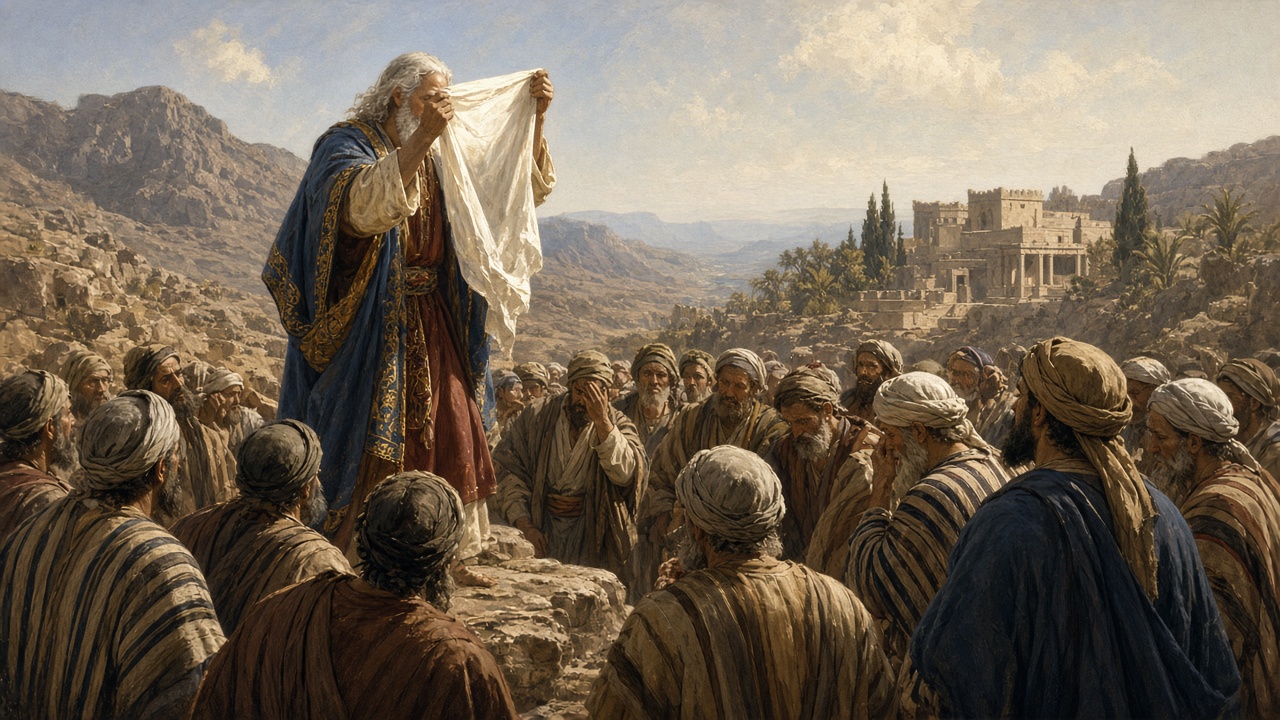
12Mmbe, kʉ kʉbha riyo neryo ubhwisɨgi bhwɨtʉ, tʉrakora kwa bhʉkararu. 13Itwɨ tʉtaangɨ Musa, chɨmbu ikundikiiryɨ ubhushʉ nɨ ɨkɨsagi, korereke Abhiiziraɨri bhatarora chɨmbu ʉkʉbharya kwarɨ kʉkʉbhʉʉrabhʉʉra. 14Nawe Abhiiziraɨri bhatɨɨndirɨ komenya, kuhika nangwɨnʉ hanʉ bhakosoma Ʉbhʉragɨ bhwɨ Ɨkarɨ, bharatamwa komenya amaheene, bharabha nkina bharɨchibhwɨ nɨ ɨkɨsagi kiyo. Ɨkɨsagi kiyo kɨkɨɨrɨ kuruusibhwaho, kʉ kʉbha kɨraruusibhwaho, hanʉ ʉmʉʉtʉ ariisiriryɨ Kiriisitʉ. 15Amaheene nʉʉrʉ reero yɨnʉ, hanʉ ɨbhɨtabhʉ bhyi imigirʉ ja Musa bhekosomwa, zekoro zaabhʉ zɨrakundikiribhwa, bhatamenya amaheene. 16Nawe ʉmʉʉtʉ wʉnʉ akwichʉrɨra Ʉmʉkʉrʉ, Ʉmʉkʉrʉ aramuruusha ɨkɨsagi kiyo. 17Mmbe Ʉmʉkʉrʉ newe Ekoro, na hanʉ Ekoro yʉ Ʉmʉkʉrʉ ɨrɨ, neho ubhwiyagaaruri bhʉrɨ. 18Na bhanʉ bhʉʉsi tʉtakwikundikirya ubhushʉ nɨ ɨkɨsagi, toreerekenʼya ʉbhʉgʉngʉ bhwʉ Ʉmʉkʉrʉ chɨmbu ekerore kikwerekenʼya ipicha. Ʉmʉkʉrʉ newe Ekoro, aratuchʉra korereke tutuubhanɨ nawe, kurwa kʉ ʉbhʉgʉngʉ kuhika kʉ ʉbhʉgʉngʉ ʉbhʉkʉrʉ kʉkɨraho.
Did you know?
A More Glorious Covenant
- The chapter asks whether letters of recommendation to or from the believers are needed, as some people require. It answers that the believers themselves are a letter from Christ, the result of this ministry, inscribed on the ministers' hearts and known and read by everyone.Sources: the Bible text itself
- The chapter contrasts ink and tablets of stone with the Spirit of the living God writing on human hearts. It calls the ministry engraved in letters on stone a ministry of death and condemnation, and describes a new covenant of the Spirit, for the letter kills but the Spirit gives life.Sources: the Bible text itself
- The Israelites could not gaze at Moses's face because of a glory that was fading, and Moses put a veil over his face so they would not look at the end of what was passing away. The chapter says that a veil still covers their hearts when Moses is read, and that it is taken away whenever anyone turns to the Lord.Sources: the Bible text itself
Notes written with AI assistance from open sources (Theographic Bible Metadata, CC BY-SA 4.0; Easton’s Bible Dictionary, public domain) and reviewed before publishing.
Credits and license for this translation
Ʉbhʉragɨ Ubhuhya Mʉkɨgambʉ chi Ikikiizʉ
Ikizu: Ʉbhʉragɨ Ubhuhya Mʉkɨgambʉ chi Ikikiizʉ (New Testament+) for Tanzania
copyright © 2024 Wycliffe Bible Translators, Inc.
Language: (Ikizu)
Contributor: Wycliffe USA
This translation is made available to you under the terms of the
Creative Commons Attribution Share-Alike license 4.0.
You have permission to share and redistribute this Bible translation in any format and to make reasonable revisions and adaptations of this translation, provided that:
You include the above copyright and source information.
If you make any changes to the text, you must indicate that you did so in a way that makes it clear that the original licensor is not necessarily endorsing your changes.
If you redistribute this text, you must distribute your contributions under the same license as the original.
Pictures included with Scriptures and other documents on this site are licensed just for use with those Scriptures and documents.
For other uses, please contact the respective copyright owners.
Note that in addition to the rules above, revising and adapting God's Word involves a great responsibility to be true to God's Word. See Revelation 22:18-19.
2025-05-03
Source: http://ebible.org/ikz/ · eBible.org