Lucas 24
Tẹsitamenti Ikne n'Ọnu Ikwere · Toca un versículo para ver sus referencias cruzadas.
Jizọsi lizọru n'ẹnwu
1N'ọnu ọsisi n'ọbochi mbọm n'ikwezu, ele rinya wam gweru mọno otute wam be gwakọtaru ke nwernu ẹknarna ọma, zne ilili Jizọsi. 2Be whnụrnu nụ be vumernu akaworugwu be jiri kpusni ọnu ilili wam. 3Be bnazne nụ rime ilili, be whnụ́ge iznu Nyenwe aị Jizọsi. 4Be gwuzoru naarị nhne ka bụ, ngangam, ele rukna lawụru wogwu iwo abọchna noogbu amụma gwuzoru nụ ngeri be. 5Ogwnu tụru ele rinya wam, be dna kpu ruwhnu n'ẹli, kọvu ele rukna wam kanụ be, “Kịni kpayarụ anụ noopio nye zị bụdnu n'esilawụru ele nwụrnu ọnwu? 6Ọ zị́la hna, o hilem n'ẹnwu lizọ. Anụ chenwanya nhne ọ kannụ anụ nga ọ zị nụ Galili, 7nụ be jeegweru Nnwọ ke Badnụ nyega ele mmehie, be kpọgidne a n'ọgba, n'ọbochi ke ẹto, o jeehi n'ẹnwu lizọ.” 8Ele rinya wam chenwanya ikwu-ọnu a.
9Be hi n'ilili wam lahna, kanụ nri nụ otu badnụ ele sno apna a nụ ele berere nhne be whnụrnu. 10Ele rinya wam bụ Meri Magịdalini, nụ Joana, nụ Meri nne Jemisi, be nụ ele rinya berere kanụ ele izi wam ọka ka. 11Kọvu be kwége nhne ele rinya kwuru, be naarị nụ ọ bụ ọka etekne. 12Pita lizọ, gba ẹso zne n'ilili, o whudna, whnụ ikpe iznu, ọ zá nhne berere ọ whnụrnu. Ọ lahna ọro naarị nhne mernu.
N'apna zne Emaọsi
13N'ọbochi wam, ele sno apna a lawụru neezne ẹli Emaọsi, nhne nụ lele maịli ẹsau. 14Be nookwurita kpakara nhne mernu. 15Kpa be neezne nookwu nhne ka, Jizọsi n'iwhuru a kpayabetụru ndụndu, snornu be neezne. 16Be whnụ a, kọvu be máa nụ ọ bụ Jizọsi.
17Jizọsi sịkwa be, “Kịni bụ nhne anụ nọotnurni kpa anụ neezne?”
Be gwuzoru bii, gbarụ ruwhnu. 18Otu nụ rime be rẹwhna a bụ Kilopasi, sịkwa a, “Okwole jịwa bụ nye izne ke zị nụ Jerusẹlem nye máa nhne mernu ọbochi ele nụ ele ka wheru ewhe?”
19Jizọsi sịkwa a, “Kịni bụ nhne kọ?”
Be kaa, “Nhne gbasịri Jizọsi nye Nazarẹti, nwerukna ka bụ nye ọwhnurninya Chiokike, ọ bụ dikne n'ikwu-ọnu ma nụ ẹrnu nụ ruwhnu Chiokike ma nụ ruwhnu ele badnụ. 20Ele risi arịohna nụ ele risi aị gweru a nyee ma be kpe ikpe ẹnwu, be kpọgidne a n'ọgba. 21Kọvu a leru anya nụ ọ bụ nye jaagbahịa Izirẹli. Ke kakwo, tna bụ ọbochi ẹto a kpa nhne ka mernu. 22Agwna ele rinya aị nụ be zị kpasịri aị ogwnu tna. Be znernu n'ilili a n'ọnu ọsisi, 23kọvu be whnụ́ge iznu a. Be va kanụ aị nụ be whnụrnu ọwhnurninya ele enine izi, ke kannụ be nụ ọ zị bụdnu. 24Agwna ele aị nụ be zị znernu ilili a, whnụ masị lele kpa ele rinya wam kwuru, kọvu be whnụ́ge iznu a.”
25Jizọsi kanụ be, “Anụ bụ ele iwhnirniwhno, anụ zị́la gnarnagnarna nụ okweru nhne kpakara ele ọwhnurninya kwuru. 26Ọ zị mkpa nụ Karaịsi jaata kpakara awhnụwhnu, bna n'igwugwu a.” 27Jizọsi kọwamanu be nhne be gbarụ n'ọkwukwo nsọ gbasịri ẹhni a, hite n'ọkwukwo Mozizi nụ ele ọwhnurninya.
28Kpa be vaduru ẹli wam be neezne, Jizọsi mee lele o neewhe ruwhnu, 29be sigidne a, kaa, “Snornu aị dazịri, ọbochi zneminem.” O snornu be dazịri.
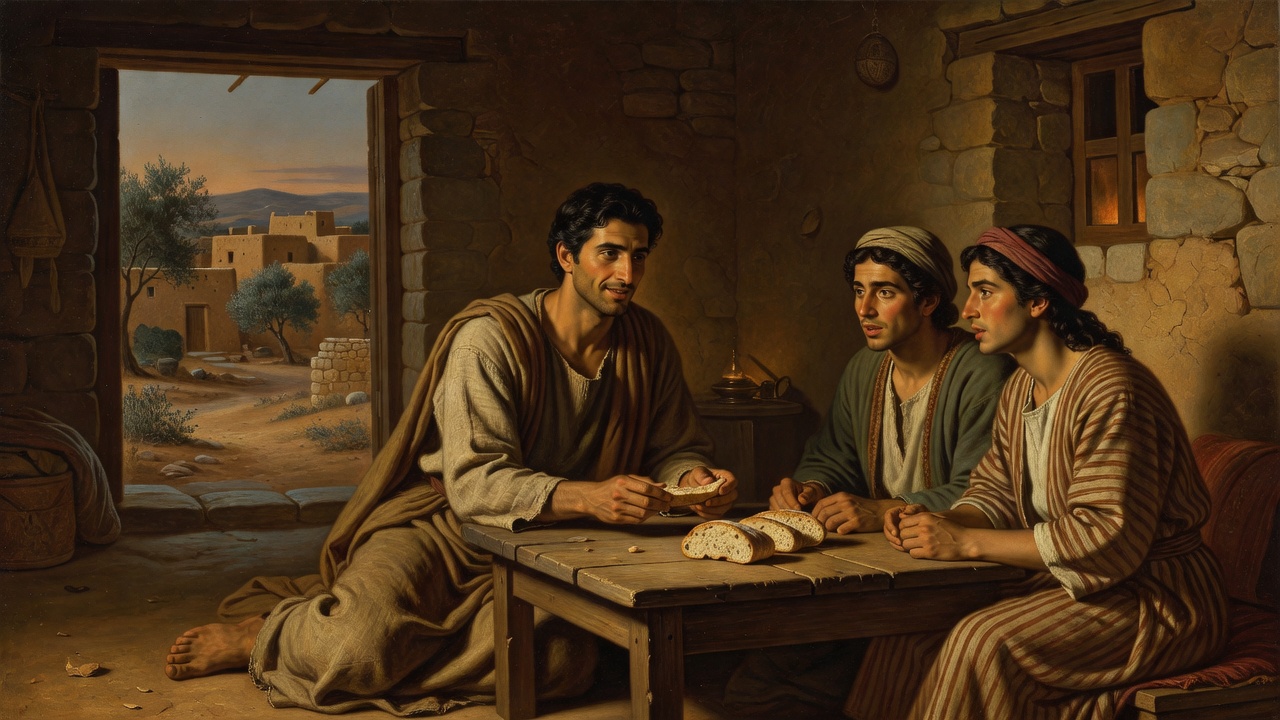
30O snornu be dazịri ẹli n'ikpechi wiri, o gweru brẹdi, tụ mmamma, nyawama a, bete neenye be. 31Anya be kpume, be mahịa a, kọvu o whume n'anya be. 32Be kwukwarita n'ẹhni be, “Ọ nụ lele nụ bẹkwnu neerne nụ mkpọma aị nga o nookwunu aị ọka n'apna, nọokowanu aị ọkwukwo nsọ.”
33Be lizọ ngangam lahna Jerusẹlem. Be whnụ ele sno apna a nri nụ otu wam, hne be gbakọgwu nụ otu nụ ele berere. 34Be naakaa, “Ọ bụ n'ezi, Nyenwe aị hilem n'ẹnwu lizọ, o mernu Saịmoni whnụ a anya.” 35Badnụ lawụru wam kọwanu be nhne mernu n'apna, nụ kpa be jiri mahịa Nyenwe aị nga ọ nyawarụ brẹdi.
Jizọsi mernu ele sno apna a // whnụ a anya
36Kpa be zị nookwu ọka ka, Jizọsi gwuzoru n'esilawụru be, kanụ be, “Udno zịnu anụ.”
37Ogwnu tụru be k'agịda, be che nụ be whnụrnu rẹnwu. 38Jizọsi kanụ be, “Kịni mernu ogwnu nọotu anụ? Kịni mernu anụ neenwe mkpọma lawụru nụ mkpọma anụ? 39Anụ le aka m lawụru nụ ọchi m lawụru. Ọ bụ mawa. Anụ kpatụ m aka whnụrnu, rẹnwu nwée anọ-ẹhni nụ ọkpukpu, lele kpa anụ whnụrnu me nwernu.”
40Nga o kwuru ka, o gesi be aka a lawụru nụ ọchi a lawụru. 41Be nwée rikne kweru kwnornu ovu ọso n'ọnu nụ ọtun'anya, ọ sịkwa be, “Anụ nwernu wiri o riri hna?” 42Be nyee a otu aznụ be siri esi, 43o gweru a ri nụ ruwhnu be.
44Ọ kanụ be, “Ka bụ nhne me kannụ anụ nga me nụ anụ zị. Kpakara nhne be gbarụ n'ọkwukwo nsọ gbasịri m n'iwu Mozizi jeeme, ma ke ele ọwhnurninya nụ Eri Ọma.”
45O kpume echiche be ma be ghọhia nhne be gbarụ n'ọkwukwo nsọ. 46Ọ kanụ be, “Ka bụ nhne be gbarụ n'ọkwukwo nsọ, nụ Karaịsi jaatarịri awhnụwhnu, nụ o jeehi n'ẹnwu lizọ n'ọbochi ke ẹto, 47nụ be jeeji rẹwhna a kpọ okwo ọtuhnasna mkpọma nụ rime kpakara mba, ma Chiokike gbarụ mmehie be. Be jeehite nụ rime Jerusẹlem panịzo nọokpo okwo. 48Anụ bụ ele akebne kpakara nhne ka. 49M jeeziyanu anụ nhne Nda m kweru nụ mkwna, kọvu anụ dazịri nụ Jerusẹlem tem rikne ke hi n'oligwe dnakwasị anụ.”
Jizọsi larụ n'oligwe
50Jizọsi duru be whọga zne n'ẹli Bẹtani, ọ chịlizo aka lawụru olu, gọzi be. 51Kpa ọ zị nọogozi be, be gwelizọ a la n'oligwe. 52Be kpọnu a risi ẹli, lahna Jerusẹlem, snarnịma jihịa mkpọma be. 53Be dazịgidne n'Ọro Nsọ Chiokike nọotunu Chiokike mmamma.
¿Sabías que…?
La mañana de la resurrección y el camino a Emaús
- Lucas describe Emaús como una aldea a unas siete millas de Jerusalén. El Easton's Bible Dictionary (1897) cita esa distancia como sesenta furlongs y registra dos identificaciones: el-Kubeibeh, a más de siete millas al noroeste de Jerusalén, cuyo nombre, 'pequeña cúpula', procede de los restos de una iglesia de los cruzados que aún se encuentran allí, y Khurbet Khamasa, 'las ruinas de Khamasa', a unas ocho millas al suroeste, donde también hay ruinas de los cruzados.Fuentes: Emmaus · el propio texto bíblico
- María Magdalena, Juana, María la madre de Santiago y otras mujeres que iban con ellas fueron quienes contaron a los apóstoles lo que había ocurrido en el sepulcro. María Magdalena toma su nombre de Magdala, su lugar de nacimiento, y el Easton's Bible Dictionary (1897) llama error identificarla con la mujer descrita como 'pecadora' en Lucas 7. Juana, la esposa de Chuza, administrador de Herodes Antipas, tetrarca de Galilea, era una de las mujeres que servían a Jesús, y el mismo diccionario dice que él se le apareció después de la resurrección.Fuentes: Mary Magdalene · Joanna · el propio texto bíblico
- Uno de los dos discípulos del camino se llama Cleofás, forma abreviada de Cleópatros. El Easton's Bible Dictionary (1897) dice que no se sabe nada definitivo de él y que no es seguro que fuera el Clopas de Juan 19:25 ni el Alfeo de Mateo 10:3, aunque pudo haberlo sido.Fuentes: Cleophas · el propio texto bíblico
Notas escritas con ayuda de IA a partir de fuentes abiertas (Theographic Bible Metadata, CC BY-SA 4.0; Easton’s Bible Dictionary, dominio público) y revisadas antes de publicarse.
Lugares de este capítulo
- Galilee · 32.760, 35.527 · versículo 6
- Jerusalem · 31.777, 35.234 · versículos 13, 18, 33, 47, 49, 52
- Nazareth · 32.702, 35.298 · versículo 19
Solo aparecen lugares identificados con alta confianza (90 % o más según las fuentes académicas reunidas por OpenBible). Mapa de la época: DARE (Digital Atlas of the Roman Empire), CC BY 4.0; mapa actual: © colaboradores de OpenStreetMap; lugares: OpenBible.info (CC BY 4.0).
Créditos y licencia de esta traducción
Tẹsitamenti Ikne n'Ọnu Ikwere
New Testament in Ikwere
copyright © 2010 Wycliffe
Language: Ikwere
Translation by: Wycliffe
Ikwerre – (ikw) Nigeria
The Iwerre language of Nigeria can also be spelled Ikwere and Ikwerri. This language is spoken primarily by the Ikwerre people who live in the Rivers State of Nigeria and is one of the many ethnic groups in the Niger Delta. There were more than 23,000 speakers of this language in 1973. There is also a considerable local interest in literacy and grammar.
Copyright Information
© 2010, The Nigeria Bible Translation Trust. All rights reserved.
This translation text is made available to you under the
terms of the Creative Commons License: Attribution-Noncommercial-No Derivative Works.
( http://creativecommons.org/licenses/by-nc-nd/3.0/ )
In addition, you have permission to port the text to different file formats, as long as you
do not change any of the text or punctuation of the Bible.
You may share, copy, distribute, transmit, and extract portions
or quotations from this work, provided that you include the above copyright
information:
You must give Attribution to the work.
You do not sell this work for a profit.
You do not make any derivative works that change any of the actual words or punctuation of the Scriptures.
Permissions beyond the scope of this license may be
available if you contact
us with your request.
Printed book ISBN 9789789076369
New
The New Testament
in Ikwere
© 2010, The Nigeria Bible Translation Trust. All rights reserved.
This translation is made available to you under the terms of the
Creative Commons Attribution-Noncommercial-No Derivatives license 4.0.
You may share and redistribute this Bible translation or extracts from it in any format, provided that:
You include the above copyright and source information.
You do not sell this work for a profit.
You do not change any of the words or punctuation of the Scriptures.
Pictures included with Scriptures and other documents on this site are licensed just for use with those Scriptures and documents.
For other uses, please contact the respective copyright owners.
2019-08-09
Fuente: http://ebible.org/ikwNT/ · eBible.org