Hechos 5
Tẹsitamenti Ikne n'Ọnu Ikwere · Toca un versículo para ver sus referencias cruzadas.
Ananayasị nụ Safịra
1Kọvu otu nyerukna rẹwhna a bụ Ananayasị, ya nụ nnwerne a Safịra, reru ẹkwu be. 2Ya nụ nnwerne a kwekọtaru ọ bịta agwna ịwai, o gweya ke gwnarnụ bịta n'ọchi ele izi. 3Pita kanụ a, “Ananayasị, ndaa kpa Ekwensu jihịaru mkpọma ị, mee i ị ghanụ Enine Nsọ aghalaghala, ị bịtaru agwna ịwai i reru ẹkwu. 4Jịwa nwe ẹkwu sụ i reru a. Nga i reru a, ịwai wam zị n'aka ị o mee kpa o jiri masị ị. Ndaa kpa i jiri rị ọriri o mee nhne nụ kpa? Ị ghanụ Chiokike aghalaghala, ọ bụ́o badnụ.”
5Nga Ananayasị nụrnu ọka ka, ọ dna n'ẹli, nwụma. Ogwnu tụru kpakara ele nụrnu nhne mernu. 6Rụmu ikoro ele rukna va whụ a n'ikpe, vuru iznu a zne, lite a.
7Nga nhne nụ lele awa ẹto wheru, nnwerne a varụ, kọvu ọ máa nhne mernu. 8Pita sịkwa a, “Kanụ m, ka ọ bụ ọnu ịwai anụ reru ẹli wam?”
Ọ kaa, “Owe, ọ bụ ọnu ahịa a.”
9Pita kanụ a, “Kịni mernu jị nụ nzi i kwekọtaru ọ rna Enine Chiokike ọrnurna? Ele rukna ele liri nzi i gwuzo n'ọnu-mgbo kịtna, be joovuru i zne.”
10Ngangam, ọ dna n'ẹli n'ọchi a, nwụma. Be vuru a whọga, lite a nụ ngeri nzi a. 11Kpakara ọgbako Chiokike nụ ele berere ke nụrnu a tụru ogwnu k'agịda.
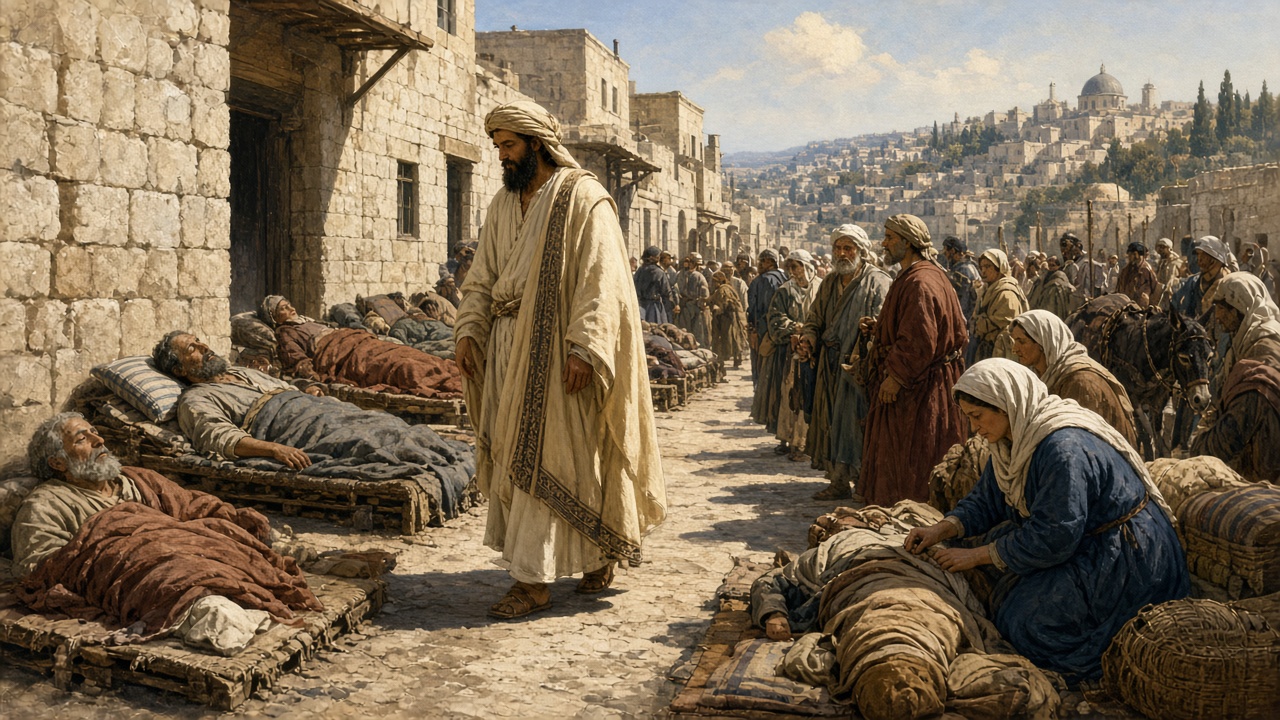
Ele izi wam gwọru // ele nrịria
12Ele izi rnụrnu agịda ẹrnu ndu-ẹhni nụ ẹrnu elekema n'esilawụru ele badnụ. Kpakara ele kweru naagbakọ nụ mgbemgbe ọro Solomọni. 13Ọ zá nye berere nwernu rikne sno be, ọ bụ n'ezi nụ ele badnụ naakaa be ọka ọma. 14Kọvu agịda ele badnụ snornu ele kweru ekwe, ele rukna nụ ele rinya. 15Ka mernu be kwuya ele naarịa ẹhni igbugbu, dnanyịta be nụ ngeri apna n'olu ọkpata be nụ etere be, ma kpa Pita naagawhe enine a metụ agwna be. 16Igbudu ele badnụ hi n'ẹli gbarụ Jerusẹlem gburugburu va kwuya ele ke be naarị ẹhni igbugbu, ma ele rẹnwu ọjo nwụgwu, be gwọru kpakara be.
Be kpaknarnụ ele izi ẹhni
17Ige wam okwno-awụwa jihịaru nye risi arịohna nụ ele nụ ya sno, bụ ele otu Sadusi, mkpọma. 18Be nwudne ele izi, yisi be ikelu nụ ruwhnu ọhna. 19Kọvu enine izi Nyenwe aị varụ n'abalị, gbamanụ be ọnuhna ikelu, kwuhịa be. 20Ọ kanụ be, “Anụ zne gwuzoru n'Ọro Nsọ Chiokike, kanụ ele badnụ kpakara izi ke bụdnu ikne ka.”
21Ele izi wam zne n'Ọro Nsọ Chiokike ke chi bọru neezni ele badnụ nhne.
Nga nye risi arịohna nụ ele nụ ya sno varụ, be sukwukọta ele eze-ikpe nụ kpakara ele risi Izirẹli, zizne izi ma be kwuhịanu be ele izi wam. 22Ele be ziznernu ọro ikelu, whnụ́ge be n'ọro ikelu. Be lahna kanụ ele dusiri be, 23“Nga a dụru ọro ikelu, ọro tụru ọtu, kpakara ele nse neese ọnuhna, kọvu nga a gbamarnụ ọro, ọ zá nye zị nụ rime ọro.” 24Nga nye risi ele neese Ọro Nsọ Chiokike nụ ele risi arịohna nụrnu a, ọ gbagwojiri be anya.
25Ige wam otu badnụ va, kanụ be. “Anụ le, ele rukna wam anụ yisiri n'ikelu zị n'Ọro Nsọ Chiokike neezni ele badnụ nhne.” 26Nye risi ele neese Ọro Nsọ Chiokike nụ ele ya nụ be neese Ọro Nsọ zne kwuya ele izi wam, be méne be nhne rikne kwnornu nụ be nọotu ogwnu ele badnụ jọotu be akaworugwu.
27Be kwuya ele izi wam gwuzote be nụ ruwhnu ele eze-ikpe. Nye risi arịohna sịkwa be, 28kaa, “A dọru anụ aka nụ nsnị anụ zní nhne nụ rẹwhna Jizọsi. Anụ mernu kpakara ẹli Jerusẹlem jihịa n'iznizni anụ, anụ noovukwasi aị ẹnwu ọvnarna Nyerukna ka.”
29Pita nụ ele izi sarụ be, “A kwesiri o bnonu Chiokike nsnị karụ badnụ. 30Chiokike ke ele nda aị mernu Jizọsi hi n'ẹnwu lizọ, bụ nye anụ gburu, kpọgidne a n'olu ọgba. 31Chiokike gwelizọru a olu n'akarikwnunga a ma ọ bụru Nye Risi nụ Nye Ọznohia, ma ele Izirẹli tụhnasna, ma Chiokike gbarụnu be mmehie be. 32A bụ ele akebne nhne ele ka, ma Enine Nsọ, ke bụ nkesi Chiokike nyernu ele noobnonu a nsnị.”
33Nga be nụrnu ọka ka, ovu weru be ẹhni k'agịda, be kpebi o gbu ele izi wam. 34Kọvu otu nye Farisi rẹwhna a bụ Gamaliẹli, nye zni iwu ele Ju, nye ele badnụ nọoso anya, gwuzoru n'esilawụru ele ikpe, kaa ele izi wam whọga n'ederezi. 35Ọ kanụ ele ikpe wam, “Ele Izirẹli, anya dụ anụ ẹli nhne anụ noopio o mee ele rukna ka. 36N'ige wheru ewhe, Tadịyosi whụyaru neeme ẹhni a nụ ọ bụ nye zị rikne, riwhu badnụ ẹno snornu a. Be gburu a, kpakara ele snornu a gbasarụ, otu a nwụrnu. 37Omekwo, Judasị nye Galili whụyaru n'ige be gwnụrnu ele badnụ, ọ dọru agịda ele badnụ, be gburu a masị, kpakara ele snornu a gbasarụ. 38Kịtna me kanụ anụ, anụ mée nhne ọbula megidne ele rukna ka. Anụ sịgbasi be. Ọ bụru nụ nhne ka bụ ẹrnu aka ke badnụ, ọ joowhu. 39Kọvu ọ bụru nụ o hi n'aka Chiokike, anụ nwée rikne megbu be. Anụ jọowhnu nụ anụ nọolusi Chiokike ọgwnu.”
Be kweru nhne o kwuru bụ ezi ọka. 40Be sukwu ele izi wam, pnịa be nhne, kanụ be kwúma ọka berere nụ rẹwhna Jizọsi, be sịgbasi be, be la. 41Ele izi wam whọga nụ ruwhnu ele ikpe, ovu nọoso be n'ọnu kwnornu nụ Chiokike gwnụsiri be ele kwesiri ọ ta awhnụwhnu kwnornu nụ rẹwhna Jizọsi. 42Kpakara ọbochi be zị n'Ọro Nsọ Chiokike, neezne n'ọro n'ọro ele badnụ nọokpo okwo izi ọma nụ Jizọsi bụ Karaịsi.
¿Sabías que…?
Engaño, prodigios y el Sanedrín
- Ananías, miembro de la iglesia de Jerusalén, y su esposa Safira, cuyo nombre significa hermosa, vendieron un terreno y, con conocimiento de ella, se quedaron con parte del precio mientras llevaban el resto a los apóstoles. Él podría haber conservado la propiedad; Pedro le recordó que seguía a su disposición tanto antes como después de la venta. La falta fue la mentira: él afirmó haberlo entregado todo, Safira confirmó el precio falso, y ambos murieron; ella compartió su culpa y su castigo.Fuentes: Ananias (Husband of Sapphira) · Sapphira · el propio texto bíblico
- Los creyentes se reunían de común acuerdo en el Pórtico de Salomón, donde los apóstoles realizaban muchas señales y prodigios. Esa columnata estaba probablemente en el lado oriental del templo. No se menciona en relación con el primer templo, aunque Josefo se refiere a un pórtico de ese nombre en el templo de Herodes.Fuentes: Solomon's Portico · el propio texto bíblico
- Cuando el sumo sacerdote y sus compañeros, que pertenecían al partido de los saduceos, hicieron arrestar a los apóstoles, un fariseo llamado Gamaliel se levantó en el Sanedrín. Es descrito como maestro de la ley, honrado por todo el pueblo, hijo del rabino Simeón y nieto del famoso rabino Hilel, y como adversario de los saduceos; instó al consejo a dejar en paz a esos hombres. Señaló a Teudas, que había encabezado una insurrección contra la autoridad romana y, según el relato de Gamaliel, reunió a unos cuatrocientos hombres antes de que el levantamiento quedara en nada —fuera de eso, no se sabe nada más de Teudas— y a Judas el galileo, que pereció en los días del censo.Fuentes: Gamaliel · Theudas · el propio texto bíblico
Notas escritas con ayuda de IA a partir de fuentes abiertas (Theographic Bible Metadata, CC BY-SA 4.0; Easton’s Bible Dictionary, dominio público) y revisadas antes de publicarse.
Lugares de este capítulo
- Solomon’s Portico · Hoy: in Jerusalem · 31.777, 35.234 · versículo 12
- Jerusalem · 31.777, 35.234 · versículos 16, 28
- Galilee · 32.760, 35.527 · versículo 37
Solo aparecen lugares identificados con alta confianza (90 % o más según las fuentes académicas reunidas por OpenBible). Mapa de la época: DARE (Digital Atlas of the Roman Empire), CC BY 4.0; mapa actual: © colaboradores de OpenStreetMap; lugares: OpenBible.info (CC BY 4.0).
Créditos y licencia de esta traducción
Tẹsitamenti Ikne n'Ọnu Ikwere
New Testament in Ikwere
copyright © 2010 Wycliffe
Language: Ikwere
Translation by: Wycliffe
Ikwerre – (ikw) Nigeria
The Iwerre language of Nigeria can also be spelled Ikwere and Ikwerri. This language is spoken primarily by the Ikwerre people who live in the Rivers State of Nigeria and is one of the many ethnic groups in the Niger Delta. There were more than 23,000 speakers of this language in 1973. There is also a considerable local interest in literacy and grammar.
Copyright Information
© 2010, The Nigeria Bible Translation Trust. All rights reserved.
This translation text is made available to you under the
terms of the Creative Commons License: Attribution-Noncommercial-No Derivative Works.
( http://creativecommons.org/licenses/by-nc-nd/3.0/ )
In addition, you have permission to port the text to different file formats, as long as you
do not change any of the text or punctuation of the Bible.
You may share, copy, distribute, transmit, and extract portions
or quotations from this work, provided that you include the above copyright
information:
You must give Attribution to the work.
You do not sell this work for a profit.
You do not make any derivative works that change any of the actual words or punctuation of the Scriptures.
Permissions beyond the scope of this license may be
available if you contact
us with your request.
Printed book ISBN 9789789076369
New
The New Testament
in Ikwere
© 2010, The Nigeria Bible Translation Trust. All rights reserved.
This translation is made available to you under the terms of the
Creative Commons Attribution-Noncommercial-No Derivatives license 4.0.
You may share and redistribute this Bible translation or extracts from it in any format, provided that:
You include the above copyright and source information.
You do not sell this work for a profit.
You do not change any of the words or punctuation of the Scriptures.
Pictures included with Scriptures and other documents on this site are licensed just for use with those Scriptures and documents.
For other uses, please contact the respective copyright owners.
2019-08-09
Fuente: http://ebible.org/ikwNT/ · eBible.org