Acts 5
Tẹsitamenti Ikne n'Ọnu Ikwere · Tap a verse to see its cross-references.
Ananayasị nụ Safịra
1Kọvu otu nyerukna rẹwhna a bụ Ananayasị, ya nụ nnwerne a Safịra, reru ẹkwu be. 2Ya nụ nnwerne a kwekọtaru ọ bịta agwna ịwai, o gweya ke gwnarnụ bịta n'ọchi ele izi. 3Pita kanụ a, “Ananayasị, ndaa kpa Ekwensu jihịaru mkpọma ị, mee i ị ghanụ Enine Nsọ aghalaghala, ị bịtaru agwna ịwai i reru ẹkwu. 4Jịwa nwe ẹkwu sụ i reru a. Nga i reru a, ịwai wam zị n'aka ị o mee kpa o jiri masị ị. Ndaa kpa i jiri rị ọriri o mee nhne nụ kpa? Ị ghanụ Chiokike aghalaghala, ọ bụ́o badnụ.”
5Nga Ananayasị nụrnu ọka ka, ọ dna n'ẹli, nwụma. Ogwnu tụru kpakara ele nụrnu nhne mernu. 6Rụmu ikoro ele rukna va whụ a n'ikpe, vuru iznu a zne, lite a.
7Nga nhne nụ lele awa ẹto wheru, nnwerne a varụ, kọvu ọ máa nhne mernu. 8Pita sịkwa a, “Kanụ m, ka ọ bụ ọnu ịwai anụ reru ẹli wam?”
Ọ kaa, “Owe, ọ bụ ọnu ahịa a.”
9Pita kanụ a, “Kịni mernu jị nụ nzi i kwekọtaru ọ rna Enine Chiokike ọrnurna? Ele rukna ele liri nzi i gwuzo n'ọnu-mgbo kịtna, be joovuru i zne.”
10Ngangam, ọ dna n'ẹli n'ọchi a, nwụma. Be vuru a whọga, lite a nụ ngeri nzi a. 11Kpakara ọgbako Chiokike nụ ele berere ke nụrnu a tụru ogwnu k'agịda.
Ele izi wam gwọru // ele nrịria
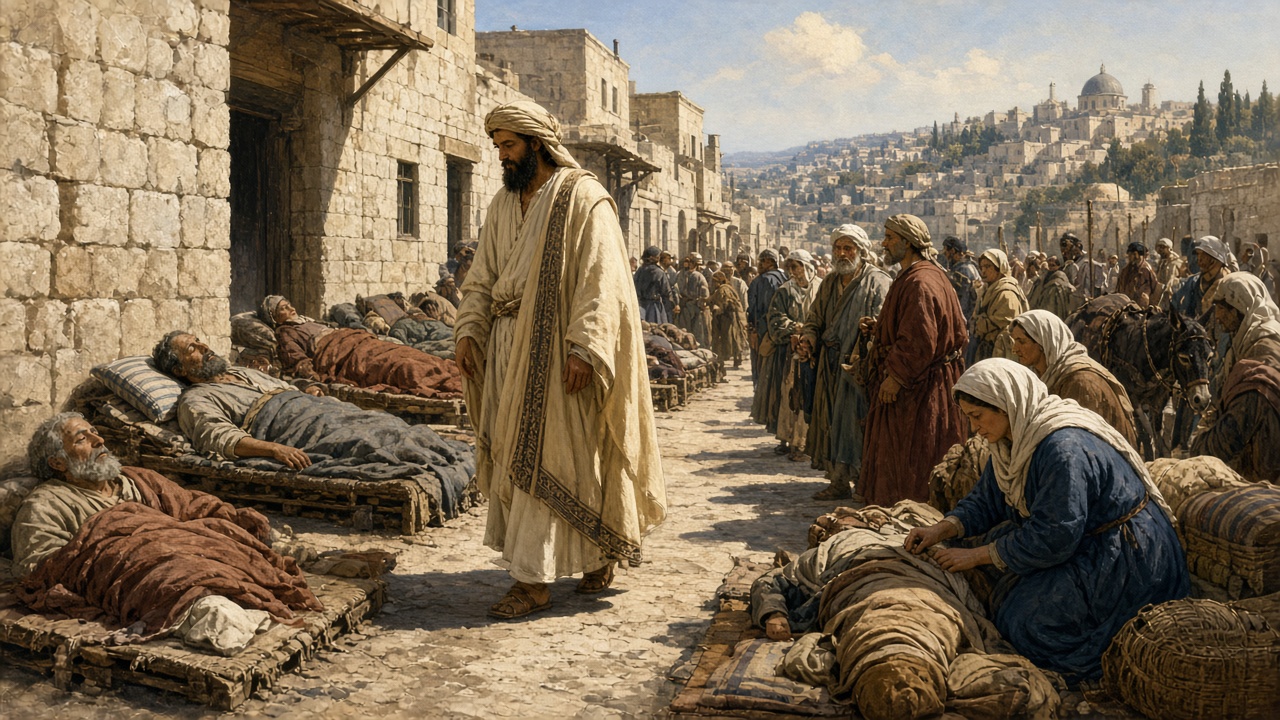
12Ele izi rnụrnu agịda ẹrnu ndu-ẹhni nụ ẹrnu elekema n'esilawụru ele badnụ. Kpakara ele kweru naagbakọ nụ mgbemgbe ọro Solomọni. 13Ọ zá nye berere nwernu rikne sno be, ọ bụ n'ezi nụ ele badnụ naakaa be ọka ọma. 14Kọvu agịda ele badnụ snornu ele kweru ekwe, ele rukna nụ ele rinya. 15Ka mernu be kwuya ele naarịa ẹhni igbugbu, dnanyịta be nụ ngeri apna n'olu ọkpata be nụ etere be, ma kpa Pita naagawhe enine a metụ agwna be. 16Igbudu ele badnụ hi n'ẹli gbarụ Jerusẹlem gburugburu va kwuya ele ke be naarị ẹhni igbugbu, ma ele rẹnwu ọjo nwụgwu, be gwọru kpakara be.
Be kpaknarnụ ele izi ẹhni
17Ige wam okwno-awụwa jihịaru nye risi arịohna nụ ele nụ ya sno, bụ ele otu Sadusi, mkpọma. 18Be nwudne ele izi, yisi be ikelu nụ ruwhnu ọhna. 19Kọvu enine izi Nyenwe aị varụ n'abalị, gbamanụ be ọnuhna ikelu, kwuhịa be. 20Ọ kanụ be, “Anụ zne gwuzoru n'Ọro Nsọ Chiokike, kanụ ele badnụ kpakara izi ke bụdnu ikne ka.”
21Ele izi wam zne n'Ọro Nsọ Chiokike ke chi bọru neezni ele badnụ nhne.
Nga nye risi arịohna nụ ele nụ ya sno varụ, be sukwukọta ele eze-ikpe nụ kpakara ele risi Izirẹli, zizne izi ma be kwuhịanu be ele izi wam. 22Ele be ziznernu ọro ikelu, whnụ́ge be n'ọro ikelu. Be lahna kanụ ele dusiri be, 23“Nga a dụru ọro ikelu, ọro tụru ọtu, kpakara ele nse neese ọnuhna, kọvu nga a gbamarnụ ọro, ọ zá nye zị nụ rime ọro.” 24Nga nye risi ele neese Ọro Nsọ Chiokike nụ ele risi arịohna nụrnu a, ọ gbagwojiri be anya.
25Ige wam otu badnụ va, kanụ be. “Anụ le, ele rukna wam anụ yisiri n'ikelu zị n'Ọro Nsọ Chiokike neezni ele badnụ nhne.” 26Nye risi ele neese Ọro Nsọ Chiokike nụ ele ya nụ be neese Ọro Nsọ zne kwuya ele izi wam, be méne be nhne rikne kwnornu nụ be nọotu ogwnu ele badnụ jọotu be akaworugwu.
27Be kwuya ele izi wam gwuzote be nụ ruwhnu ele eze-ikpe. Nye risi arịohna sịkwa be, 28kaa, “A dọru anụ aka nụ nsnị anụ zní nhne nụ rẹwhna Jizọsi. Anụ mernu kpakara ẹli Jerusẹlem jihịa n'iznizni anụ, anụ noovukwasi aị ẹnwu ọvnarna Nyerukna ka.”
29Pita nụ ele izi sarụ be, “A kwesiri o bnonu Chiokike nsnị karụ badnụ. 30Chiokike ke ele nda aị mernu Jizọsi hi n'ẹnwu lizọ, bụ nye anụ gburu, kpọgidne a n'olu ọgba. 31Chiokike gwelizọru a olu n'akarikwnunga a ma ọ bụru Nye Risi nụ Nye Ọznohia, ma ele Izirẹli tụhnasna, ma Chiokike gbarụnu be mmehie be. 32A bụ ele akebne nhne ele ka, ma Enine Nsọ, ke bụ nkesi Chiokike nyernu ele noobnonu a nsnị.”
33Nga be nụrnu ọka ka, ovu weru be ẹhni k'agịda, be kpebi o gbu ele izi wam. 34Kọvu otu nye Farisi rẹwhna a bụ Gamaliẹli, nye zni iwu ele Ju, nye ele badnụ nọoso anya, gwuzoru n'esilawụru ele ikpe, kaa ele izi wam whọga n'ederezi. 35Ọ kanụ ele ikpe wam, “Ele Izirẹli, anya dụ anụ ẹli nhne anụ noopio o mee ele rukna ka. 36N'ige wheru ewhe, Tadịyosi whụyaru neeme ẹhni a nụ ọ bụ nye zị rikne, riwhu badnụ ẹno snornu a. Be gburu a, kpakara ele snornu a gbasarụ, otu a nwụrnu. 37Omekwo, Judasị nye Galili whụyaru n'ige be gwnụrnu ele badnụ, ọ dọru agịda ele badnụ, be gburu a masị, kpakara ele snornu a gbasarụ. 38Kịtna me kanụ anụ, anụ mée nhne ọbula megidne ele rukna ka. Anụ sịgbasi be. Ọ bụru nụ nhne ka bụ ẹrnu aka ke badnụ, ọ joowhu. 39Kọvu ọ bụru nụ o hi n'aka Chiokike, anụ nwée rikne megbu be. Anụ jọowhnu nụ anụ nọolusi Chiokike ọgwnu.”
Be kweru nhne o kwuru bụ ezi ọka. 40Be sukwu ele izi wam, pnịa be nhne, kanụ be kwúma ọka berere nụ rẹwhna Jizọsi, be sịgbasi be, be la. 41Ele izi wam whọga nụ ruwhnu ele ikpe, ovu nọoso be n'ọnu kwnornu nụ Chiokike gwnụsiri be ele kwesiri ọ ta awhnụwhnu kwnornu nụ rẹwhna Jizọsi. 42Kpakara ọbochi be zị n'Ọro Nsọ Chiokike, neezne n'ọro n'ọro ele badnụ nọokpo okwo izi ọma nụ Jizọsi bụ Karaịsi.
Did you know?
Deceit, wonders, and the Sanhedrin
- Ananias, a member of the Jerusalem church, and his wife Sapphira, whose name means beautiful, sold a piece of land and, with her knowledge, kept back part of the price while bringing the rest to the apostles. He could have kept the property; Peter reminded him that it remained at his disposal both before and after the sale. The wrong was the lie: he professed to give it all, Sapphira confirmed the false price, and both died, she sharing his guilt and his punishment.Sources: Ananias (Husband of Sapphira) · Sapphira · the Bible text itself
- The believers gathered with one accord in Solomon’s Colonnade, where the apostles performed many signs and wonders. That colonnade probably stood on the eastern side of the temple. It is not mentioned in connection with the first temple, though Josephus refers to a porch of that name in Herod’s temple.Sources: Solomon's Portico · the Bible text itself
- When the high priest and his associates, who belonged to the party of the Sadducees, had the apostles arrested, a Pharisee named Gamaliel stood up in the Sanhedrin. He is described as a teacher of the law honored by all the people, the son of Rabbi Simeon and grandson of the famous Rabbi Hillel, and as an opponent of the Sadducees; he urged the council to leave the men alone. He pointed to Theudas, who had led an insurrection against Roman authority and, as Gamaliel told it, gathered about four hundred men before the rising came to nothing—beyond that, nothing else is known of Theudas—and to Judas the Galilean, who perished in the days of the census.Sources: Gamaliel · Theudas · the Bible text itself
Notes written with AI assistance from open sources (Theographic Bible Metadata, CC BY-SA 4.0; Easton’s Bible Dictionary, public domain) and reviewed before publishing.
Places in this chapter
- Solomon’s Portico · Today: in Jerusalem · 31.777, 35.234 · verse 12
- Jerusalem · 31.777, 35.234 · verses 16, 28
- Galilee · 32.760, 35.527 · verse 37
Only places identified with high confidence are shown (90% or more according to the scholarly sources compiled by OpenBible). Period map: DARE (Digital Atlas of the Roman Empire), CC BY 4.0; modern map: © OpenStreetMap contributors; places: OpenBible.info (CC BY 4.0).
Credits and license for this translation
Tẹsitamenti Ikne n'Ọnu Ikwere
New Testament in Ikwere
copyright © 2010 Wycliffe
Language: Ikwere
Translation by: Wycliffe
Ikwerre – (ikw) Nigeria
The Iwerre language of Nigeria can also be spelled Ikwere and Ikwerri. This language is spoken primarily by the Ikwerre people who live in the Rivers State of Nigeria and is one of the many ethnic groups in the Niger Delta. There were more than 23,000 speakers of this language in 1973. There is also a considerable local interest in literacy and grammar.
Copyright Information
© 2010, The Nigeria Bible Translation Trust. All rights reserved.
This translation text is made available to you under the
terms of the Creative Commons License: Attribution-Noncommercial-No Derivative Works.
( http://creativecommons.org/licenses/by-nc-nd/3.0/ )
In addition, you have permission to port the text to different file formats, as long as you
do not change any of the text or punctuation of the Bible.
You may share, copy, distribute, transmit, and extract portions
or quotations from this work, provided that you include the above copyright
information:
You must give Attribution to the work.
You do not sell this work for a profit.
You do not make any derivative works that change any of the actual words or punctuation of the Scriptures.
Permissions beyond the scope of this license may be
available if you contact
us with your request.
Printed book ISBN 9789789076369
New
The New Testament
in Ikwere
© 2010, The Nigeria Bible Translation Trust. All rights reserved.
This translation is made available to you under the terms of the
Creative Commons Attribution-Noncommercial-No Derivatives license 4.0.
You may share and redistribute this Bible translation or extracts from it in any format, provided that:
You include the above copyright and source information.
You do not sell this work for a profit.
You do not change any of the words or punctuation of the Scriptures.
Pictures included with Scriptures and other documents on this site are licensed just for use with those Scriptures and documents.
For other uses, please contact the respective copyright owners.
2019-08-09
Source: http://ebible.org/ikwNT/ · eBible.org