Hechos 13
Tẹsitamenti Ikne n'Ọnu Ikwere · Toca un versículo para ver sus referencias cruzadas.
Be zihalaru Banabasị // nụ Sọlu
1N'ọgbako Chiokike ke zị nụ Antịoku, ele neezni nhne nụ ele ọwhnurninya zị, Banabasị, Simiọni nye be kwu Naịja, Lusọsi nye Sirini nụ Mane, nye ya nụ Eze Erọdu soru, nụ Sọlu. 2Kpa be zị neekpenu Nyenwe aị, noovu ọnu, Enine Nsọ kaa, “Anụ kewamanụ m Banabasị nụ Sọlu, ma be zne rnụ ẹrnu me kwnornu sukwu be.” 3Nga be vukworu ọnu, kpe okpukpe, be tụkwasi be aka nụ risi, zihala be.
Nụ rime Saipurọsi
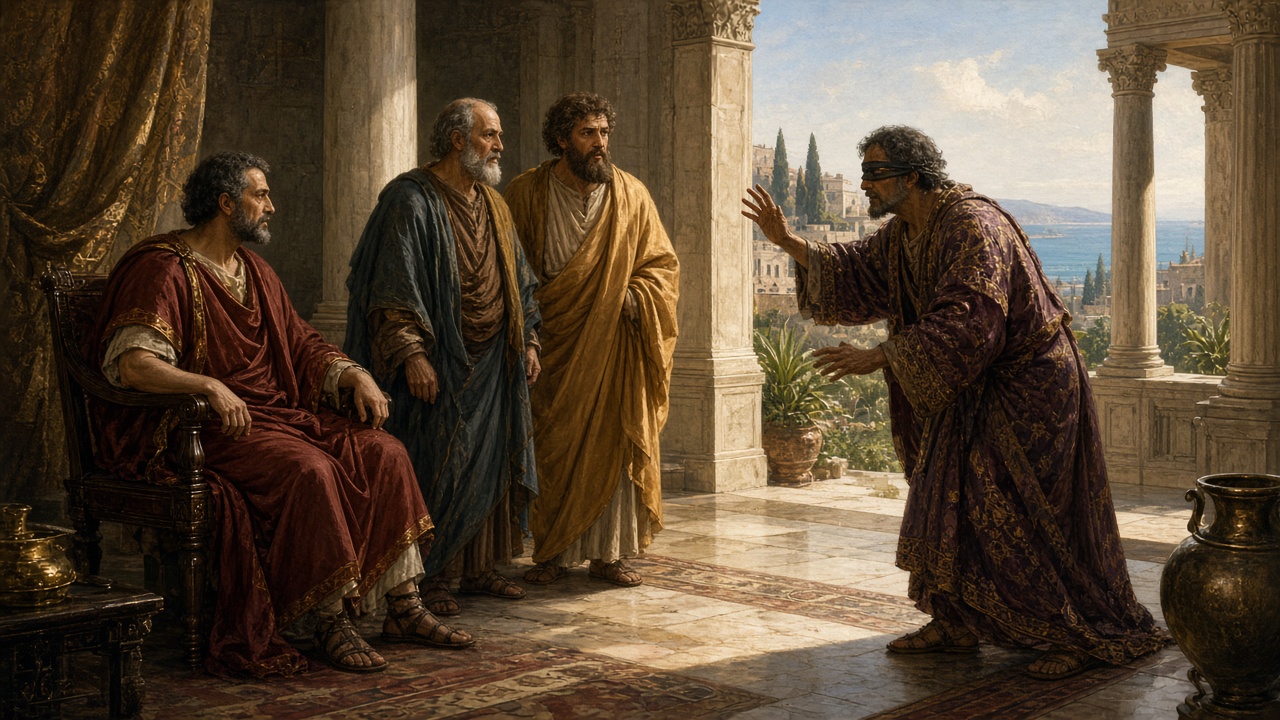
4Kpa Enine Nsọ zihalaru Banabasị nụ Sọlu, be zne Selusia, hite nụ pịi zne Saịporosi. 5Nga be dụru Salamisi, be kpọ okwo ikwu-ọnu Chiokike nụ rime ọro ọgbako ele Ju, be nụ Jọni Makị nye izi be. 6Be zne n'ẹli ọhia esilawụru tem be dụ ẹli-ọhna Pafọsi, be whnụ otu nye ẹrnu aghịgho rẹwhna a bụ Ba-jizọsi, nye Ju kwuru ẹhni a nye ọwhnurninya. 7Ọ bụ enyi nye nẹechi ẹli ọhia esilawụru wam nye rẹwhna a bụ Sajọsi Pọlosi, nye nwernu akọniche. Nye ọchichi wam sukwuru Banabasị nụ Sọlu nụ ruwhnu a ma ọ nụrnu ikwu-ọnu Chiokike. 8Kọvu nye ẹrnu aghịgho ka, Ẹlimasi (ke bụ rẹwhna a nụ ikwu-ọnu Giriki), pioru ọ kwnama nye nẹechi ẹli wam ma ọ gharụ o kweru nụ Jizọsi. 9Sọlu, nye rẹwhna bụ Pọlu, nye Enine Nsọ jihịaru a nụ rime, lekwasịri a anya, 10kaa, “Jị nnwọ Ekwensu, nye irno kpakara nhne bụru ọma. Jị nye kpakara ẹrnu aghịgho nụ arụru-ẹli jiri nụ rime. I jẹ́esigbasi ọ gbanwo apna ziri ezi ke Nyenwe aị? 11Kịtna, le, aka Chiokike zị n'olu risi megidne i, i jookpu isni, i jọ́owhnu iwhne ke ọbochi ige matị.”
Ngangam, Ẹlimasi whnụrnu nhne nụ lele rijiriji nụ ọchichiri n'anya a, ọ whọga noopio nye joodu a n'aka. 12Nye nẹechi ẹli wam kweru nga ọ whnụrnu nhne mernu, iznizni ikwu-ọnu Chiokike jiri a anya.
Nụ rime Antịoku // ke Pesidia
13Pọlu nụ ele nụ ya sno kwọru ọgbo hiri nụ Pafọsi zne Pega nụ rime Pamfilia, kọvu Jọni Makị gharụru be, lahna Jerusẹlem. 14Be hi nụ Pega va nụ Antịoku ke Pisidia nụ Ọbochi Ozukwa Inwe, be bna nụ rime ọro ọgbako ele Ju dazịri ẹli. 15Nga be gwnụrnu hite n'Iwu Mozizi nụ nhne ele ọwhnurninya gbarụ, ele risi ọro ọgbako zi be izi, “Rụmu nda aị, ọ jaamasị aị ọ bụru nụ anụ ji izi ọkwnata ovu anụ jeezni ele ka.”
16Pọlu gwuzoru, whenu be aka, bete nookwu ọka, “Ele Izirẹli ibne m, nụ kpakara ele ẹli berere neekpenu Chiokike, anụ bnote m nsnị. 17Chiokike ke ele Izirẹli họhiaru ele nda aị ọknani, mee be okne mba nụ ige be zị n'ẹli Ijipiti, Chiokike hiri n'ẹli Ijipiti kwuhịa be n'aka rikne. 18Ọ nagidnernu be nri awha ẹno n'ẹli-ịkpa. 19O luluru mba ẹsau ke ẹli Kenanị, gweru ẹli be nyee ele ke a ma ọ bụru ke be. 20Kpakara nhne ka mernu nhne nụ lele riwhu awha ẹno nụ nri isne.
“Omekwo, o nyee be ele ikpe, tem ọ dụ ige Samẹli nye ọwhnurninya. 21Nga be pioru eze, Chiokike nyernu be Sọlu nnwọ Kisi, ke hi n'avnụrnu Bẹnjamini, bụru eze nri awha ẹno. 22Nga o gwemernu a, Chiokike mernu Devidi eze be, ka bụ nhne Chiokike kwuru gbasịri a, ‘M whnụrnu m Devidi nnwọ Jesi, nye nụ lele mkpọma m, nye jeeme kpakara nhne me pioru o mee.’
23“Hite n'avnụrnu nwerukna ka, Chiokike gwelizọru Nye Ọznohia Jizọsi, nyee Izirẹli lele kpa o kweru mkwna. 24Sị Jizọsi panịzoru ẹrnu a, Jọni beru ọsno kpọ okwo ma kpakara ele Izirẹli tụhnasna mkpọma ma be wụ be mini. 25Kpa Jọni nọornukpa ẹrnu a, ọ kaa, ‘Anụ neeche nụ m bụ m nyele? M bụ́o m nye wam anụ neele anya a. Kọvu ọ naava n'aznụ m, m kwésige m owhudnahie tọma eriri okoro-ọchi a lawụru.’
26“Rụmu nda m, ele avnụrnu Ebereham nụ kpakara ele ẹli berere ele neekpenu Chiokike, izi ọznohia ka bụ nhne be neezni aị. 27Ele wu nụ Jerusẹlem nụ ele risi be máa nụ ya bụ Nye Ọznohia, be ghọ́hiage ikwu-ọnu ele ọwhnurninya be nọogwnu kpakara Ọbochi Ozukwa Inwe. Kọvu be mernu nhne ele ọwhnurninya kwuru mezu nga be kperu a ikpe ẹnwu. 28Ọ bụ ezi nụ be nwée nhne be ji ma a ikpe ẹnwu, be kaa Paịleti gbu a. 29Nga be mezuru kpakara nhne be kwuru n'ọkwukwo nsọ gbasịri a, be vudna n'olu ọgba, lite a. 30Kọvu Chiokike mernu o hi n'ẹnwu lizọ. 31O mernu ele snornu a hi nụ Galili va Jerusẹlem whnụ a anya. Be bụ ele akebne nyee ele Izirẹli.
32“A neezni anụ izi ọma Chiokike kweru ele nda aị ọknani mkwna. 33Chiokike mezunnu aị rụmu be mkwna wam, hite nụ ome Jizọsi hi n'ẹnwu lizọ. Lele kpa be gbarụ Eri Ọma ke ẹbo,
‘Jịwa bụ Nnwọ m,
m mụrnu m jị tna.’
34“Nhne Chiokike kwuru gbasịri ome ma o hi n'ẹnwu lizọ, o jóoro oro, bụ ka,
‘M jeenye i ngọzi zị nsọ ke kwesiri ọkwnata ovu me kweru Devidi mkwna.’
35O kwuru nụ hne berere,
‘I jéekwe ma nye nsọ ke i ro oro.’
36“Devidi mernu nhne Chiokike pioru o mee n'ige ke a, ọ nwụ, be lite a nụ ngeri ilili ele ke a, o ro. 37Kọvu nye wam Chiokike mernu o hi n'ẹnwu lizọ róge oro.
38“Rụmu nda m, anụ mahịa nụ ọ bụ hite nụ Jizọsi hne a nọokpo okwo ọgbaru mmehie. 39Hite nụ ya, kpakara ele kweru jeenwernu ẹhni be hite nụ kpakara mmehie. Ka bụ nhne Iwu Mozizi nwée rikne mee. 40Anya dụ anụ ẹli, ọ zị nhne ele ọwhnurninya kwuru be mezu n'ẹhni anụ,
41‘Le, anụ ele ọnu ọjo,
o ji anụ anya, anụ nwụ ẹnwu,
kwnornu nụ nhne me jọornu n'ọbochi anụ,
bụ nhne anụ jéekweru,
ọ bụbedi nụ nye berere kanụ anụ.’ ”
42Kpa Pọlu nụ Banabasị nọowhoga n'ọro ọgbako, be kanụ be va n'Ọbochi Ozukwa Inwe berere kwunu be ọka. 43Nga ọgbako gbasarụ, agịda ele Ju nụ ele bnarnụ okpukpe ele Ju snornu Pọlu nụ Banabasị. Be nookwunu be ọka ma be dazịgidne n'oru ke Chiokike.
44N'Ọbochi Ozukwa Inwe berere, kpakara ele zị n'ẹli wam znernu ọ nụrnu ikwu-ọnu Nyenwe aị. 45Nga ele Ju whnụrnu igbudu badnụ wam, ọwho-anya jihịa n'ovu be, be kwu ọka megidne nhne Pọlu kwuru, kpasị a iwhnerne.
46Kọvu Pọlu nụ Banabasị jiri anya rikne kwu ọka, kaa, “Ọ zị mkpa nụ a znernu ebe ọsno kwunu anụ ikwu-ọnu Chiokike, kọvu hne anụ jụru a, gwnụ ẹhni anụ ele kwésile bụdnu kwó okwo, a jaagharụ anụ, znekwnusi ele bụ́o ele Ju. 47Kwnornu nụ ka bụ nhne Nyenwe aị nyernu n'iwu,
‘M ziznernu m anụ ma anụ bụru iwhne ke ele bụ́o ele Ju,
ma anụ bụru apna ọznohia mmehie ke kpakara ọwa.’ ”
48Nga ele bụ́o ele Ju nụrnu nhne ka, mkpọma sọru be n'ọnu k'agịda, be znarnị izi ọma Nyenwe aị, ele be họhiaru kwnornu bụdnu kwó okwo kweru.
49Ikwu-ọnu Nyenwe aị gbasarụ nụ kpakara ẹli. 50Kọvu ele Ju kpasu ele risi nụ rime ẹli nụ ele rinya kwu ele ẹli berere ele neekpenu Chiokike, be bete ọ kpakna Pọlu nụ Banabasị ẹhni, be chịhala be n'ẹli be. 51Ele izi wam lịsnama rịzna ọchi be megidne be, zne Aịkoniom. 52Ele sno apna Jizọsi zị nụ Antịoku nwụdna k'agịda, Enine Nsọ jihịa be.
¿Sabías que…?
La misión enviada desde Antioquía
- El Diccionario Bíblico de Easton (1897) describe a Antioquía de Siria como la tercera ciudad en importancia del Imperio romano, después de Roma y Alejandría; fue la iglesia de allí la que apartó a Bernabé y a Saulo. Entre sus profetas y maestros estaban Simeón, llamado Níger, un sobrenombre que significa negro, quizá por su tez oscura, y Lucio de Cirene, en el norte de África.Fuentes: Antioch (Syria) · el propio texto bíblico · Simeon · Lucius
- En Pafos, capital de Chipre y residencia del gobernador romano, un hechicero judío llamado Barjesús, también conocido como Elimas, un nombre árabe que significa mago o hechicero, intentó apartar de la fe al procónsul Sergio Paulo. Es aquí donde Saulo también es llamado Pablo; el Diccionario Bíblico de Easton (1897) dice que el nombre Pablo probablemente le fue dado en la infancia para usarlo en el mundo gentil, mientras que Saulo era su nombre hebreo de casa.Fuentes: Paphos · Elymas · Paul · el propio texto bíblico
- Enviados desde Antioquía, bajaron a Seleucia, el puerto de la ciudad cerca de la desembocadura del Orontes, y navegaron hasta Chipre; después desembarcaron en Perge, capital de Panfilia, a orillas del río Cestro. Allí Juan los dejó y regresó a Jerusalén; su nombre romano, Marcos, poco a poco llegó a reemplazar su nombre judío, y era primo de Bernabé.Fuentes: Seleucia · Perga · John Mark · el propio texto bíblico
Notas escritas con ayuda de IA a partir de fuentes abiertas (Theographic Bible Metadata, CC BY-SA 4.0; Easton’s Bible Dictionary, dominio público) y revisadas antes de publicarse.
Lugares de este capítulo
- Antioch · Hoy: Antioch on the Orontes · 36.227, 36.172 · versículo 1
- Cyrene · 32.821, 21.851 · versículo 1
- Cyprus · 35.000, 33.000 · versículo 4
- Seleucia · Hoy: Seleucia Pieria · 36.124, 35.922 · versículo 4
- Salamis · 35.185, 33.902 · versículo 5
- Paphos · Hoy: New Paphos · 34.756, 32.404 · versículos 6, 13
- Jerusalem · 31.777, 35.234 · versículos 13, 27, 31
- Pamphylia · 37.000, 31.000 · versículo 13
- Perga · 36.960, 30.854 · versículos 13, 14
- Antioch · Hoy: Antioch in Pisidia · 38.306, 31.189 · versículo 14
- Pisidia · 38.306, 31.189 · versículo 14
- Egypt · 30.129, 31.308 · versículo 17
- Canaan · 32.767, 35.333 · versículo 19
- Galilee · 32.760, 35.527 · versículo 31
- Iconium · Hoy: Konya · 37.872, 32.492 · versículo 51
Solo aparecen lugares identificados con alta confianza (90 % o más según las fuentes académicas reunidas por OpenBible). Mapa de la época: DARE (Digital Atlas of the Roman Empire), CC BY 4.0; mapa actual: © colaboradores de OpenStreetMap; lugares: OpenBible.info (CC BY 4.0).
Créditos y licencia de esta traducción
Tẹsitamenti Ikne n'Ọnu Ikwere
New Testament in Ikwere
copyright © 2010 Wycliffe
Language: Ikwere
Translation by: Wycliffe
Ikwerre – (ikw) Nigeria
The Iwerre language of Nigeria can also be spelled Ikwere and Ikwerri. This language is spoken primarily by the Ikwerre people who live in the Rivers State of Nigeria and is one of the many ethnic groups in the Niger Delta. There were more than 23,000 speakers of this language in 1973. There is also a considerable local interest in literacy and grammar.
Copyright Information
© 2010, The Nigeria Bible Translation Trust. All rights reserved.
This translation text is made available to you under the
terms of the Creative Commons License: Attribution-Noncommercial-No Derivative Works.
( http://creativecommons.org/licenses/by-nc-nd/3.0/ )
In addition, you have permission to port the text to different file formats, as long as you
do not change any of the text or punctuation of the Bible.
You may share, copy, distribute, transmit, and extract portions
or quotations from this work, provided that you include the above copyright
information:
You must give Attribution to the work.
You do not sell this work for a profit.
You do not make any derivative works that change any of the actual words or punctuation of the Scriptures.
Permissions beyond the scope of this license may be
available if you contact
us with your request.
Printed book ISBN 9789789076369
New
The New Testament
in Ikwere
© 2010, The Nigeria Bible Translation Trust. All rights reserved.
This translation is made available to you under the terms of the
Creative Commons Attribution-Noncommercial-No Derivatives license 4.0.
You may share and redistribute this Bible translation or extracts from it in any format, provided that:
You include the above copyright and source information.
You do not sell this work for a profit.
You do not change any of the words or punctuation of the Scriptures.
Pictures included with Scriptures and other documents on this site are licensed just for use with those Scriptures and documents.
For other uses, please contact the respective copyright owners.
2019-08-09
Fuente: http://ebible.org/ikwNT/ · eBible.org