Romanos 16
Elu Ọhụn: Ẹkụkwọ-Nsọ (Azụụn Ọhụn rịn'a) · Toca un versículo para ver sus referencias cruzadas.
Pọlụ Ekele Ndị Rị Ichẹn-ichẹn
1Nabanhan nị nwẹnẹ-ẹnyi-okpoho wụ Fibi, hụn wụ onyẹ ohu imẹ ndị-ọrụn ụka rị Sẹnkrẹ; ọ lala d'a hụn ọnụ. 2M sị ụnụ gi ẹfan Di-nwọnni-ẹnyi nabanhan a k'o furu nị ndị nke Osolobuẹ a nabanhan ịhịan. Yeni n'ẹ ẹka ọwụlẹ ọ chọ nị ụnụ yen'ẹ, makẹni ya lẹ enwẹn ẹ e yepụkanị ndị bu ọda ẹka, kẹ mmẹ nwẹn.
3Kele ni Prisilịa lẹ Akwila, ndị mmẹ lẹ wẹ gba a rụn ọrụn Kraịstị Jizọsị. 4Oku m te k'e gbu wẹ. Ẹlẹ mmẹ sụọ rị e kele wẹ, kẹ ndị ụka ile rịsọnmẹ alị ndị wụlẹni ndị Ju rị e kele wẹ. 5Kelezi ni ụka hụn a nọ iwe wẹ e zu. Kele ni ezi ọwụ m wụ Ẹpẹnẹtọsị. Ịya wụ onyẹ ibuzọ kwerini Kraịstị imẹ Azụụn Eshịa. 6Kele ni Meri, hụn rụnkẹnmẹ ni ụnụ ọrụn. 7Kele ni Andronikọsị lẹ Juniasị, ndị Ju ibe m kẹ wẹ wụ, mmẹ lẹ wẹ wị nọ ụnọ-ngan. Wẹ wụ ndị w'a gbaye imẹ ndị-ozi pụ-ichẹn, uwẹ bu m ụzọ wụrụ ndị nke Kraịstị.
8Kele ni Amplayatọsị, ezi nwẹnẹ m imẹ Di-nwọnni-ẹnyi. 9Kele ni Ọbanọsị wụ onyẹ-ọrụn ibe ẹnyi imẹ ọrụn Kraịstị lẹ ezi ọwụ m wụ Stakisi. 10Kele ni Apẹlẹsị, hụn wẹ e ku oku ẹ ọhụnma imẹ Kraịstị. Kele ni ezi-lẹ-ụlọ Aristobulọsị. 11Kele ni Hẹrodiọnụ, hụn mmẹ lẹ ịya wụ onyẹ alị ohu. Kele ni ndị hụn kwerini Di-nwọnni-ẹnyi imẹ ezi-lẹ-ụlọ Nasisọsị.
12Kele ni Traịfina lẹ Traịfosa, ikpoho ndị hụ a rụnkẹnmẹni Di-nwọnni-ẹnyi ọrụn. Kele ni ezi ọwụ m wụ Pẹsisi, hụn rụnkẹnmẹni Di-nwọnni-ẹnyi ọrụn. 13Kele ni Rufọsị, hụn Di-nwọnni-ẹnyi họrị, ya lẹ nnẹ ẹ hụn e mẹ mmẹ lẹ enwẹn m kẹ nwa a ogẹn ile. 14Kele ni Asinkritọsị lẹ Flegọnụ lẹ Hẹmisi lẹ Patrobasị lẹ Hẹmasị lẹ umunẹ ndị ọzọ imẹ Kraịstị wẹ ile rị ebẹhụ. 15Kele ni Filologusu lẹ Julia. Kele ni Neriusu lẹ nwẹnẹ-ẹ-okpoho. Kele ni Olimpasị lẹ ndị nke Osolobuẹ ile hụn wẹ ile rị ebẹhụ.
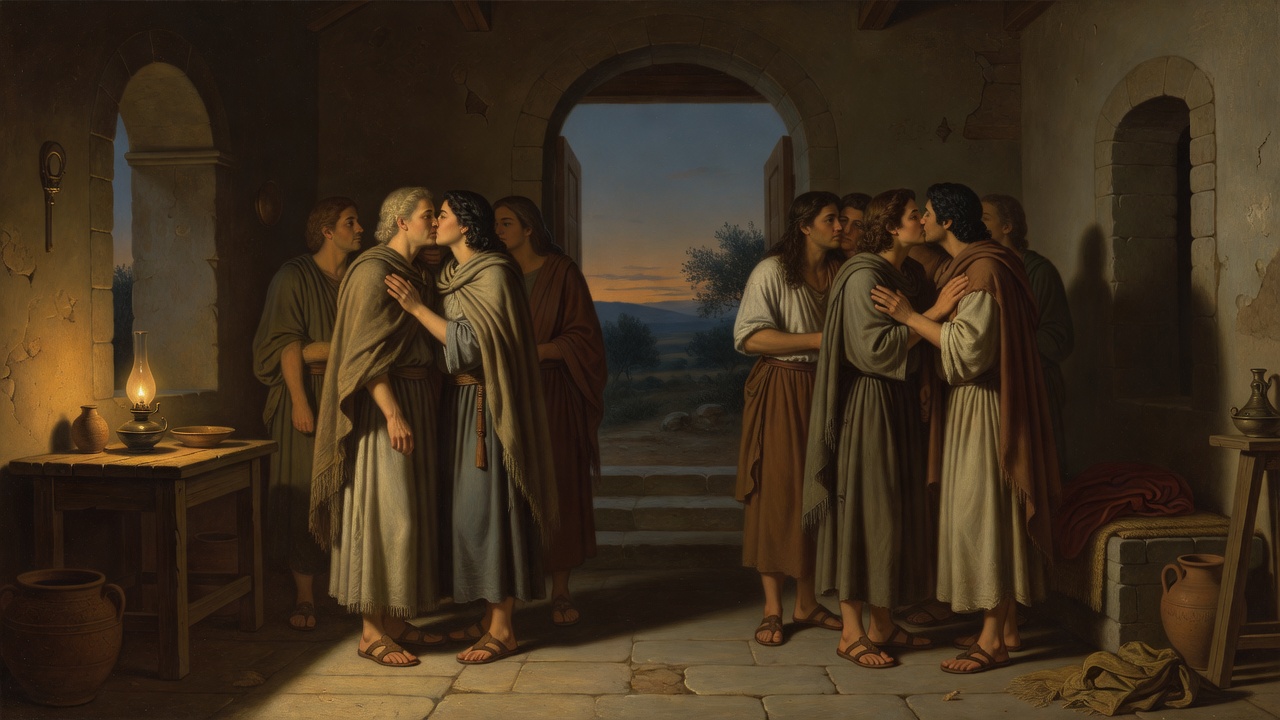
16Dide ni ibe ụnụ ndide rị nsọ.
Ndị ụka Kraịstị ile e zi ekele.
Oku Ịkpazụụn
17Umunẹ m, dodo, ọ rị ẹka ụnụ, kpachanpụ nị ẹnya makẹ ndị e buhẹ nkebe, e mẹ okukwe ụnụ uke ebe wẹ n'a kuzi ihiẹn wụlẹni ezioku ahụn ndị kuzini ụnụ kuzi ụnụ. Gba nị nị wẹ ọsọ! 18Makẹni ndị e mẹ ihiẹn ndịnị a rị e fe Nna ẹnyi wụ Kraịstị; kanị wẹ rị e fe ẹfọ wẹ lẹ ihiẹn a gụnnị wẹ. W'e gi ọnụ-ọma lẹ oku a sụọ ụsụọ e dufie ndị marịnlẹni ihiẹn.
19Ịhịan ile a nụgụọ kẹ ụnụ dọn rị e humẹ isi. Ufiri ẹ, ẹfọ rị a sụọ m ụsụọ banyeni ụnụ. M chọ nị ọnụ a wụ ndị marịn ihiẹn ebe imẹ ihiẹn rị mma rị, ụnụ a wụ ndị marịnlẹni ihiẹn ebe imẹ eje-ihiẹn rị. 20O biekọ Osolobuẹ hụn e ye udọn a zọkpụkpọ Ekwensụ ye okpuru ụkụ ụnụ.
Ẹfọma Di-nwọnni-ẹnyi wụ Jizọsị ya nọyeni ụnụ.
21Timoti, hụn mmẹ lẹ ya wị a rụn ọrụn e zi ekele ụnụ, ẹrịra kẹ Lushọsị dọnzị zi ekele ụnụ. Jasịn lẹ Sọsịpata, ndị Ju ibe m, e zizi ekele ụnụ. 22Mmẹ wụ Tẹtiọsị, hụn de ẹkụkwọ-ozini gi ẹfan Di-nwọnni-ẹnyi e zi ekele ụnụ. 23Gayọsị, hụn m rị iwe ẹ, hụn ụka nọ iwe ẹ e zu, e zi ekele ụnụ. Ẹrastọsị, hụn e dọnmẹni obodoni egho lẹ nwẹnẹ ẹnyi wụ Kwọtus' e zi ekele ọnụ.
24[Ẹfọma Di-nwọnni-ẹnyi wụ Jizọs' Kraịstị, ya nọyeni ọnụ ile. Isẹẹ.]
Ọjịja-mma Ya rịnị Osolobuẹ!
25Ọjịja-mma ya rịnị Osolobuẹ! Ịya wụ onyẹ hụn k'a saẹka gi ihiẹn rị imẹ oziọmanị m rị e zi hụn wẹ gi a masọnmẹ ọkwa banyeni Jesu Kristi, mẹ ụnụ zekẹnmẹ. Oziọmanị lẹ ọkwanị rị e ku oku ihiẹn-mini hụn te zueri ẹdẹi. 26Kanị, e wepụhagụọ w'a nwan ifọn; wẹ rị nwan ẹ gi ihiẹn ndị-amụma desọnmẹ imẹ Ẹhụhụọ-nsọ e mẹ ndị alị ile a marịn a; Osolobuẹ hụn rị ndụn jẹnrin ejẹn ya ye iwu sị wẹ mẹ ẹrịra, kẹni ndị anị ile hụn ụzọ kweri, gi okweri hụ wẹ kweri humẹn'ẹ isi.
27Ẹghẹẹ, ọjịja-mma ya rịnị Osolobuẹ! Osolobuẹ hụn ya sụọ marịn ihiẹn ile! Ya rịn'a jẹnrin ejẹn ghahanị Jizọs' Kraịstị! Isẹẹ.
¿Sabías que…?
Saludos a la iglesia en Roma
- Pablo recomienda a Febe, sierva de la iglesia en Cencrea, y pide a los destinatarios en Roma que la reciban bien y la ayuden en lo que necesite, porque ha sido de gran ayuda para mucha gente, incluido él. Cencrea era el puerto oriental de Corinto, a unas nueve millas al este de la ciudad y la salida de su comercio con las costas asiáticas del Mediterráneo; el Easton's Bible Dictionary (1897) dice que ella probablemente fue quien llevó esta carta.Fuentes: el propio texto bíblico · Phebe · Cenchreae
- Pablo saluda a Prisca y a Aquila, sus colaboradores en Cristo Jesús, que arriesgaron la vida por él, y también a la iglesia que se reúne en su casa; dice que no solo él, sino todas las iglesias de los gentiles les están agradecidas. El Easton's Bible Dictionary (1897) la llama Priscila y describe a Aquila como fabricante de tiendas, natural del Ponto, que con su esposa dejó Roma a causa de un decreto de Claudio, en el año 50 d. C., que ordenaba a todos los judíos salir de la ciudad; el nombre de ella a veces aparece antes que el de él, como aquí.Fuentes: el propio texto bíblico · Priscilla · Aquila
- Cerca del final, Tercio, quien puso la carta por escrito, añade su propio saludo. Gayo, que ha hospedado a Pablo y a toda la iglesia, también envía saludos, al igual que Erasto, el tesorero de la ciudad, y Cuarto.Fuentes: el propio texto bíblico
Notas escritas con ayuda de IA a partir de fuentes abiertas (Theographic Bible Metadata, CC BY-SA 4.0; Easton’s Bible Dictionary, dominio público) y revisadas antes de publicarse.
Lugares de este capítulo
Solo aparecen lugares identificados con alta confianza (90 % o más según las fuentes académicas reunidas por OpenBible). Mapa de la época: DARE (Digital Atlas of the Roman Empire), CC BY 4.0; mapa actual: © colaboradores de OpenStreetMap; lugares: OpenBible.info (CC BY 4.0).
Créditos y licencia de esta traducción
Elu Ọhụn: Ẹkụkwọ-Nsọ (Azụụn Ọhụn rịn'a)
Revision of New Testament in Ika
copyright © 2010 Wycliffe
Language: Ika
Translation by: Wycliffe
Ika (ikk) Nigeria
In Nigeria the word Ika is not only the name of the Ika
people, but is also used to designate a local government area in the Akwa Ibom
State. The Ika people are a sub group of the Igbo people. It is interesting to note
that Ika is the name of a town in Croatia is one of the eight Annang local
government areas of the local government areas in Akwa Ibom State. An alternative
name for the Ika people is Ika-Annang. There appears to be another dialect of Ika
that is spoken in Delta State of Nigeria.
Copyright Information
© 2010, Wycliffe. All rights reserved.
This translation text is made available to you under the terms of the Creative
Commons License: Attribution-Noncommercial-No Derivative Works. ( http://creativecommons.org/licenses/by-nc-nd/3.0/ ) In addition, you have
permission to port the text to different file formats, as long as you do not change
any of the text or punctuation of the Bible.
You may share, copy, distribute, transmit, and extract portions or quotations from
this work, provided that you include the above copyright information:
You must give Attribution to the work.
You do not sell this work for a profit.
You do not make any derivative works that change any of the actual words or
punctuation of the Scriptures.
Permissions beyond the scope of this license may be available if you contact us
with your request.
Printed book ISBN 9789789037056
Revision
The New Testament
in Ika
© 2010, Wycliffe. All rights
reserved.
This translation is made available to you under the terms of the
Creative Commons Attribution-Noncommercial-No Derivatives license 4.0.
You may share and redistribute this Bible translation or extracts from it in any format, provided that:
You include the above copyright and source information.
You do not sell this work for a profit.
You do not change any of the words or punctuation of the Scriptures.
Pictures included with Scriptures and other documents on this site are licensed just for use with those Scriptures and documents.
For other uses, please contact the respective copyright owners.
2019-08-09
Fuente: http://ebible.org/ikkNT/ · eBible.org