Romanos 15
Elu Ọhụn: Ẹkụkwọ-Nsọ (Azụụn Ọhụn rịn'a) · Toca un versículo para ver sus referencias cruzadas.
A Chọzịkwọ Nị Ọrịnịmma Ndị Ọzọ
1O furu nị ẹnyi ndị zeni imẹ okukwe e di ndị zelẹni ebe wẹ nọlẹni mẹ ọhụnma, ẹlẹ imẹ ihiẹn a sụọ nị ẹnyi. 2Nị ẹnyi e mẹ ni ihiẹn a sụọ ibe ẹnyi hụn k'a rịnị wẹ mma, kẹni ẹnyi hụn ụzọ ẹnyi e gi mẹ wẹ sue imẹ okukwe. 3Makẹni Kraịstị emẹdẹni k'ọ sụọ ya lẹ enwẹn ẹ; kama, o mẹhụ kẹ Ẹkụkwọ-nsọ dọn ku, ebẹhụ wẹ de, sị,
“Mkpari hụ wẹ kpari i,
mmẹ gi isi buru ẹ.”
4Wẹ de ihiẹn ile wẹ deye imẹ Ẹhụhụọ-nsọ kẹni wẹ gi ẹ kuzi ẹnyi, kẹni ẹnyi hụn ụzọ gi umẹ hụn Ẹkụkwọ-nsọ a gba ẹnyi lẹzi idin-ndidi wụrụ ndị nwọn olile-ẹnya.
5Osolobuẹ hụn e ye ndidi lẹ nkasị-obi, ya yeni ọnụ ẹka e gi obi ohu e bi—k'o furu imẹ Kraịstị wụ Jizọsị, 6kẹni ọnụ ile hụn ụzọ gi olu ohu e wẹhẹni Osolobuẹ hụn wụ Nẹdi Di-nwọnni-ẹnyi wụ Jizọsị Kraịstị ọghọ.
A Nabanhan Nị Ịhịan Ile
7A nabanhan nị nwan ibe ọnụ kẹ Kraịstị dọn nabanhan ụnụ, kẹni ụnụ hụn ụzọ e wẹhẹni Osolobuẹ ọghọ. 8Makẹni Kraịstị bịa d'a rụnnị ndị Ju kẹni ọ ghọsị nị Osolobuẹ wụ onyẹ ezioku, ghahanị imẹzu nkwa Osolobuẹ kwe ndị nẹdi wẹ kanị; 9ọ bịazịkwọ kẹn'o mẹ ndị alị ndị ọzọ wụlẹni ndị Ju ja Osolobuẹ mma makẹ omikẹn Osolobuẹ. Ẹrịra kẹ wẹ dọn de ẹ imẹ Ẹhụhụọ-nsọ, sị,
“Makẹ ufiri ẹ, m k'a ja ị mma ebe ndị alị ndị ọzọ wụlẹni ndị Ju rị; m k'a bụ nị ẹfan ị ẹbụ ịja-mma.”
10Ọ sịzị, “Ndị alị ndị ọzọ hụn wụlẹni ndị Ju, sọn ni ndị nke Osolobuẹ ghọghọ.”
11Ọ sịzị, “Anị ndị ọzọ ile wụlẹni ndị Ju, ja nị Di-nwọnni-ẹnyi mma; alị ile, bụnị n'a ẹbụ ịja-mma.”
12Osolobuẹ gizi Azaya sị, “Mkpọgụn Jese k'a pụha—Onyẹ ahụn hụn jẹnkọ d'e lihi, kịma ndị alị ile; ịya kẹ ndị wụlẹni ndị Ju k'e gi dọn ẹnya.”
13Osolobuẹ, onyẹ hụn olile-ẹnya gha ẹka a abịa, ya gi ịghọghọ lẹ udọn ile gbajun ụnụ kẹ ụnụ dọn rị e gi ẹ e dọn ẹnya. Y'a mẹ ẹ, kẹni ụnụ nwẹ olile-ẹnya, nwẹ ẹ ọda-ọda, ghahanị ikẹn Mmọn-nsọ.
Ikẹn Pọlụ Gi E De
14Umunẹ m, o wegụọ m ẹnya nị mma-mma jun imẹ ụnụ, nị amamihiẹn jun imẹ ụnụ, ni ụnụ k'a sazịkwọ ẹka kuzi ibe ụnụ. 15Kanị, o nwẹghọ ihiẹn ndị m ku ndụn-ndụn imẹ ẹhụhụọ-ozini, kẹni m nyanhanzịnị ụnụ wẹ. M'e kushi ikẹn makẹ ẹka Osolobuẹ hụn rị imẹ ndụn m, 16hụn o gi tumẹ m onyẹ a rụnnị Kraịst' wụ Jizọsị imẹ igunrun ndị alị ndị ọzọ wụlẹni ndị Ju. M rị nwan a rụn kẹ onyẹ nchụ-ẹjan ghahanị izisọnmẹ oziọma Osolobuẹ. M rị a rụn kẹni ndị anị ndị ọzọ hụn ụzọ wụrụ ihien wẹ ye Osolobuẹ hụn Osolobuẹ a nabanhan, oyiye Mmọn-nsọ dọn nsọ. 17Ya wụ, o furu nwan nị m'a nyan isi banyeni ihiẹn Jizọs' Kraịstị gi m rụn imẹ ihiẹn Osolobuẹ. 18Ekukọdẹ m ihiẹn ọwụlẹ karị ihiẹn Kraịstị gi m rụn imẹ igunrun ndị alị ndị ọzọ wụlẹni ndị Ju, hụn o gi mẹ wẹ wụrụ ndị e humẹ ni Osolobuẹ isi. O gi oku-ọnụ m lẹ ihiẹn m rụn mẹ ẹ, 19lẹ ikẹn o gi ihiẹn-ahịma lẹ ọrụn-atụmẹnya kpa, lẹzi ghahanị ikẹn Mmọn nke Osolobuẹ—nke wụ nị e zichanrịngụọ m oziọma Kraịstị ghakwọrị Jerusalẹm d'e ru Ilaịrịkọm. 20Ihiẹn m'a chọkẹnmẹ wụ nị m'e zi oziọma ebe wẹ kelẹni nụtu ẹfan Kraịstị, amamgbe m'a tụnyezi ebe onyẹ ọzọ tụnmagụụ. 21Kama, m rị e mẹ n'ọ rị kẹ Ẹhụhụọ-nsọ dọn kụ, nị,
“Ndị wẹ gwatulẹni banyen'ẹ k'a hụn;
ndị nụtulẹni banyen'ẹ k'a ghọta.”
Pọlụ A Tụ Iroro Ijẹn Rom
22Ifiri ẹ kẹ m gilẹni sa ẹka bịa d'a hụn ụnụ ogẹn ile m gi chọ nị m bịa.
23Kanị, hụnnị o mẹ nwan n'o nwẹzini ebe họdụnị m k'a nọ rụn ọrụn azụụnnị ile bụ o mẹpụgụọ ahụa ole-lẹ-ole m chọma nị m bịa d'a hụn ụnụ, 24a kwademẹgụọ m nị m k'a bịa m jẹnkọnị Speni. M bu ẹ obi nị m k'a banhan d'a hụn ụnụ m jẹnkọnị, kẹni ụnụ ye ni m ẹka m jẹnkọnị ebẹhụ—mmẹ lẹ ụnụ nọgụụ ẹkẹrẹ.
25Kanị, m jẹnkọ nwan Jerusalẹm kikẹnni d'e yeni ndị nke Osolobuẹ rị ebẹhụ ẹka. 26Makẹni ndị kwerini rịsọnmẹ Azụụn Masẹdonia lẹ Akaya e wepụhagụọ obi, shịapụ ẹfọ tụnị ndị igbẹnnyẹ rị imẹ ndị nke Osolobuẹ rị Jerusalẹm ihiẹn. 27Uwẹ gi uche wẹ mẹ ihiẹnni. Ezioku-ezioku, o furughọ, makẹni wẹ gi ndị kwerini rị Jerusalẹm ụgwọ. Makẹni, omẹni ndị wụlẹni ndị Ju e sọngụọ uwẹ wụ ndị Ju keri ngọzi imẹ-mmọn wẹ, o furu nị ndị wụlẹni ndị Ju gizi ihiẹn ụwanị wẹ nwẹ yeni wẹ ẹka.
28M rụngụụ ogboni, wegụụ ihiẹn ile wẹ tụ ye wẹ, m k'e jẹn Speni; m jẹnkọnị a banhan m d'a hụn ụnụ. 29Ogẹn m'e gi bịa d'a hụn ụnụ, a marịnghọ m nị m k'e gichanrịn ngọzi Kraịstị bịa.
Pọlụ A Rịọ Wẹ Ekpere
30Umunẹ m, m rị e gi ẹfan Di-nwọnni-ẹnyi wụ Jizọs' Kraịstị le ifiri ihiẹn-ọsụsụọ gha ẹka Mmọn-nsọ bịa hụn ẹnyi nwẹ jẹnni ibe ẹnyi a rịọ ụnụ nị ụnụ sọn m mẹkẹnmẹ ekpere, ụnụ a rịọkẹnmẹ ni m Osolobuẹ. 31A rịọ n'a n'ọ gbapụha m ẹka ndị kwerilẹni hụn rị imẹ alị Judia; a rịọzịn'a nị ndị nke Osolobuẹ rị imẹ obodo Jerusalẹm nabanhan ihiẹn m jẹnkọ ebẹhụ d'e mẹni wẹ, 32kẹni m gi ịghọghọ bịa d'e kunrun ụnụ, omẹni Osolobuẹ a chọghọ, e sọn m ụnụ nọdịgụụ—gi ẹ zu ikẹn, ndụn a banzị m. 33Osolobuẹ, onyẹ hụn e ye udọn, ya nọyeni ụnụ ile. Isẹẹ.
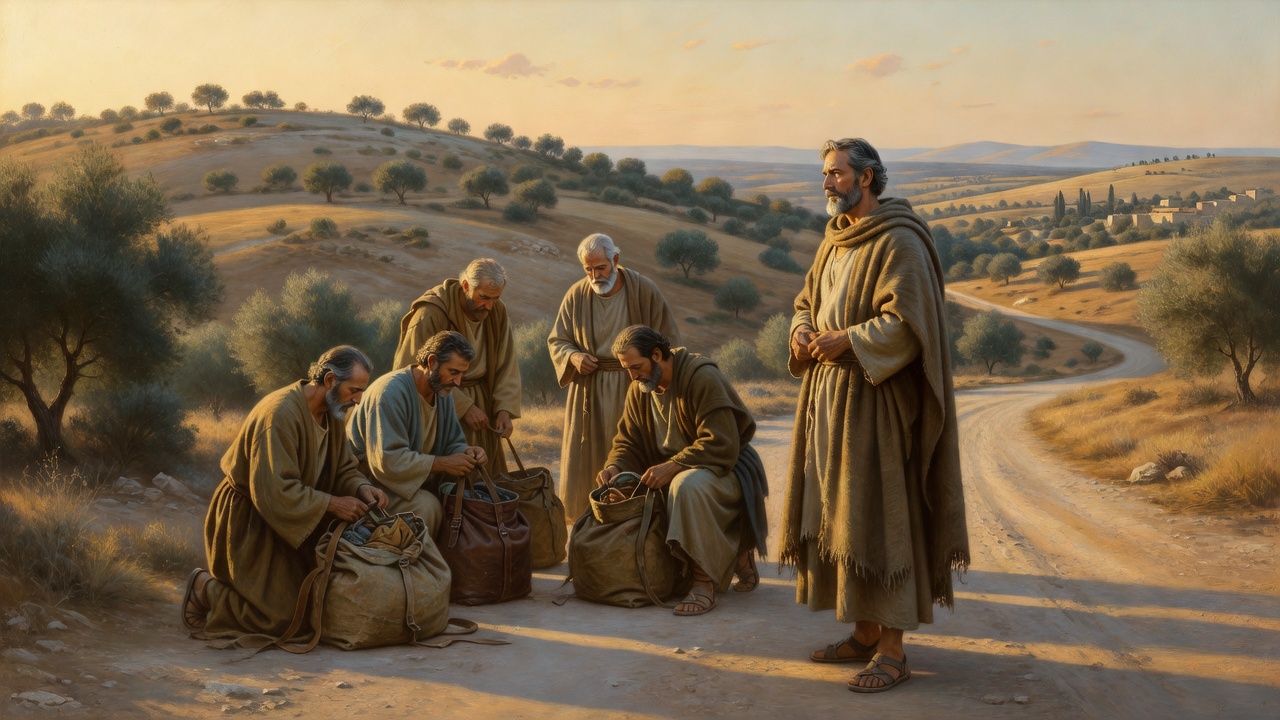
¿Sabías que…?
La esperanza de los gentiles y el camino hacia el oeste
- Pablo escribe que ha proclamado plenamente el evangelio de Cristo desde Jerusalén, dando toda la vuelta hasta Ilírico. El diccionario bíblico de Easton (1897) sitúa esa región al noroeste de Macedonia, en las costas orientales del Adriático, y la describe como entonces comprendida casi por completo en Dalmacia; dice que la recorrió en su tercer viaje misionero, que fue el distrito más lejano al que había llegado predicando, y que un viaje por Macedonia lo habría llevado hasta sus fronteras.Fuentes: el propio texto bíblico · Illyricum
- Espera ver a los creyentes de Roma de camino a España y, después de entregar en Jerusalén la contribución de Macedonia y Acaya, partir hacia España pasando por ellos. El diccionario bíblico de Easton (1897) registra esa intención, pero señala que no hay evidencia de que la haya llevado a cabo, aunque algunos piensan que probablemente lo hizo entre su primer y su segundo encarcelamiento.Fuentes: el propio texto bíblico · Spain
- Citando a Isaías, dice que la Raíz de Isaí aparecería y se levantaría para gobernar a los gentiles, y que los gentiles pondrían en él su esperanza. Isaí fue el padre de David, y el diccionario bíblico de Easton (1897) dice que la expresión raíz de Isaí se usa para el Mesías, mientras que tallo de Isaí se usa para la familia de David.Fuentes: el propio texto bíblico · Jesse
Notas escritas con ayuda de IA a partir de fuentes abiertas (Theographic Bible Metadata, CC BY-SA 4.0; Easton’s Bible Dictionary, dominio público) y revisadas antes de publicarse.
Lugares de este capítulo
- Illyricum · 43.539, 16.483 · versículo 19
- Jerusalem · 31.777, 35.234 · versículos 19, 25, 26, 27, 31
- Rome · 41.892, 12.485 · versículo 24
- Spain · Hoy: Hispania · 40.210, -4.350 · versículos 24, 28
- Achaia · 38.720, 22.540 · versículo 26
- Macedonia · 41.600, 22.540 · versículo 26
- Judea · Hoy: Judea 1 · 31.777, 35.234 · versículo 31
Solo aparecen lugares identificados con alta confianza (90 % o más según las fuentes académicas reunidas por OpenBible). Mapa de la época: DARE (Digital Atlas of the Roman Empire), CC BY 4.0; mapa actual: © colaboradores de OpenStreetMap; lugares: OpenBible.info (CC BY 4.0).
Créditos y licencia de esta traducción
Elu Ọhụn: Ẹkụkwọ-Nsọ (Azụụn Ọhụn rịn'a)
Revision of New Testament in Ika
copyright © 2010 Wycliffe
Language: Ika
Translation by: Wycliffe
Ika (ikk) Nigeria
In Nigeria the word Ika is not only the name of the Ika
people, but is also used to designate a local government area in the Akwa Ibom
State. The Ika people are a sub group of the Igbo people. It is interesting to note
that Ika is the name of a town in Croatia is one of the eight Annang local
government areas of the local government areas in Akwa Ibom State. An alternative
name for the Ika people is Ika-Annang. There appears to be another dialect of Ika
that is spoken in Delta State of Nigeria.
Copyright Information
© 2010, Wycliffe. All rights reserved.
This translation text is made available to you under the terms of the Creative
Commons License: Attribution-Noncommercial-No Derivative Works. ( http://creativecommons.org/licenses/by-nc-nd/3.0/ ) In addition, you have
permission to port the text to different file formats, as long as you do not change
any of the text or punctuation of the Bible.
You may share, copy, distribute, transmit, and extract portions or quotations from
this work, provided that you include the above copyright information:
You must give Attribution to the work.
You do not sell this work for a profit.
You do not make any derivative works that change any of the actual words or
punctuation of the Scriptures.
Permissions beyond the scope of this license may be available if you contact us
with your request.
Printed book ISBN 9789789037056
Revision
The New Testament
in Ika
© 2010, Wycliffe. All rights
reserved.
This translation is made available to you under the terms of the
Creative Commons Attribution-Noncommercial-No Derivatives license 4.0.
You may share and redistribute this Bible translation or extracts from it in any format, provided that:
You include the above copyright and source information.
You do not sell this work for a profit.
You do not change any of the words or punctuation of the Scriptures.
Pictures included with Scriptures and other documents on this site are licensed just for use with those Scriptures and documents.
For other uses, please contact the respective copyright owners.
2019-08-09
Fuente: http://ebible.org/ikkNT/ · eBible.org