Juan 3
Elu Ọhụn: Ẹkụkwọ-Nsọ (Azụụn Ọhụn rịn'a) · Toca un versículo para ver sus referencias cruzadas.
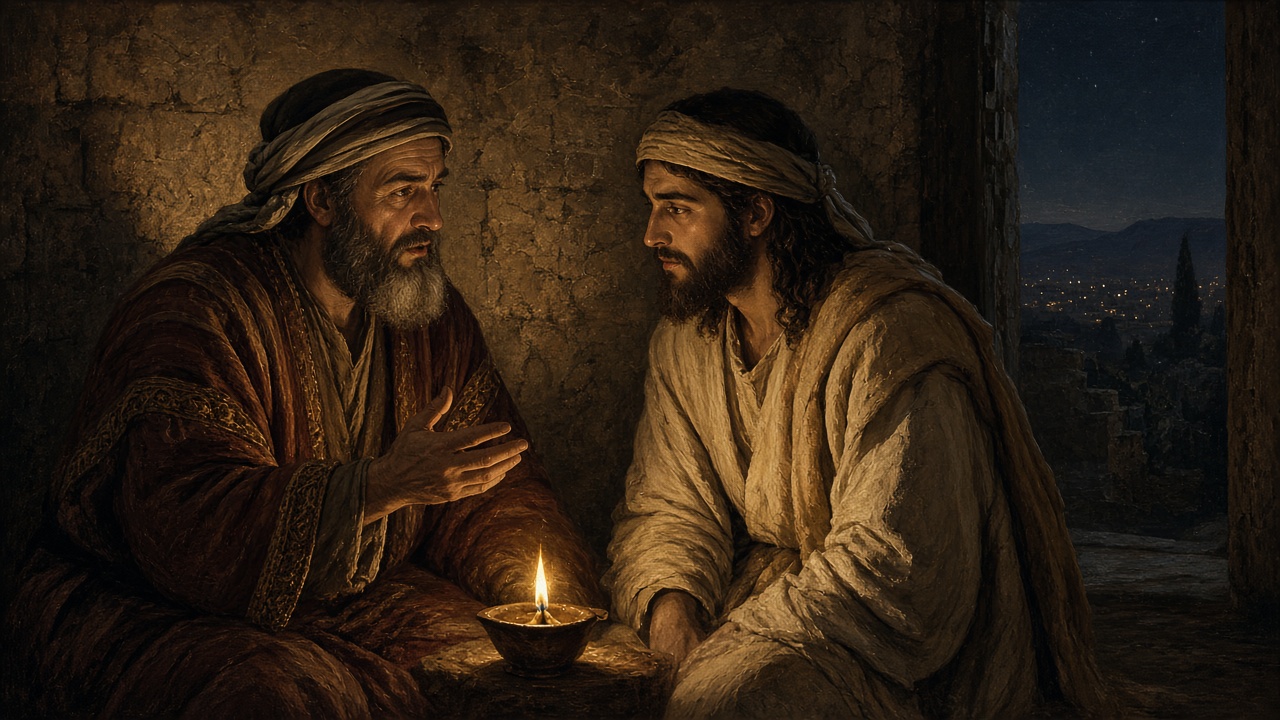
Nikodimọsị A Bịa D'a Hụn Jizọsị
1O nwọn okẹnnyẹ ohu w'a kpọ Nikodimọsị. Onyẹ Itu Ndị Farisi rọ, onyẹ ohu imẹ ndị-isi ndị Ju k'ọ wụ. 2O gi imẹ uhinhin bịa d'e kunrun Jizọsị, sị a, “Onyẹ-nkuzi, ẹnyi a marịngụọ n'ị wụ onyẹ-nkuzi gha ebe Osolobuẹ rị bịa, makẹlẹ o nwọnni onyẹ jẹnkọ d'e ri-ẹka rụn ọrụn-atụmẹnya ndịnị ị rị a rụn mmanị Osolobuẹ nọyen'ẹ.”
3Jesu nọ za, sị, “Ezioku kẹ m rị a gwa ị, mmanị wẹ mụdọnzi ịhịan, ọ saẹka hụn Alị-eze Osolobuẹ.” 4Nikodimọsị nọ sị a, “Nanị kẹ w'a dọn mụdọnzi ịhịan ebe ọ kagụụ ẹgẹdi? Nị ịhịan sazị ẹka banye ẹfọ nnẹ ẹ, a mụzị w'a nke mgbe ẹbụọ?” 5Jizọsị nọ za a, sị, “Ezioku kẹ m rị a gwa ị, mmanị wẹ mụ ịhịan ghahanị mirin lẹ Mmọn-nsọ, ọ sakọ ẹka banye Alị-eze Osolobuẹ. 6Hụn ịhịan mụ wụ ịhịan; hụn Mmọn-nsọ mụ wụ mmọn. 7Y'a tụlẹ i ẹnya nị m sị nị wẹ sikọ d'a mụdọnzirịrị ụnụ.” 8Ufere e fesi ebe ọwụlẹ ọ chọ—ụnụ a nụ ụzụn a, kanị ụnụ ara marịn ebe ọ gha a bịa mọbụ ebe o fekọ—ẹrịra k'ọ rị ebe onyẹ ọwụlẹ Mmọn Osolobuẹ mụ rị.
9Nikodimọsị nọ sị a, “Nanị kẹ ọnwan e dọn saẹka mẹ?”
10Jizọsị nọ sị a, “Ị wụ onyẹ-nkuzi imẹ Izrẹlụ, bụ y'a ghọtanị ihiẹn ndịnị? 11Ezioku kẹ m rị a gwa ụnụ, ẹnyi rị e ku ihiẹn ẹnyi marịn, a shịa ẹri ihiẹn ẹnyi hụn, kanị ụnụ ara nabanhan ẹri ẹnyi. 12Ebe o mẹ nwan nị m gwa ụnụ ihiẹn ndị rị elu-ụwa bụ ụnụ e kwerini, nanị kẹ ụnụ a dọn kweri omẹni a gwa m ụnụ ihiẹn ndị rị elu-igwee? 13Makẹni, o nwọnni onyẹ jẹntu elu-igwee wezụka onyẹ hụ gha elu-igwee bịa—wụ Nwa nke Ịhịan.”
14“Ẹrịra Mozizi dọn wesi agwọ hụ elu imẹ atụ kẹ wẹ jẹnkọ d'e wesi Nwa nke Ịhịan elu, 15kẹni onyẹ ọwụlẹ hụn kwerini n'ẹ hụn ụzọ nwọn ndụn itẹbitẹ.”
16“Makẹni Osolobuẹ nwẹ ihiẹn-ọsụsụọ jẹnni ndị rị ụwa ọda-ọda, 'ya haịn o gi ye akpụ Nwa ohu o nwẹ, kẹn'ọ wụrụ nị onyẹ ọwụlẹ hụn kwerini n'ẹ alakọ iwi, kama o nwọn ndụn itẹbitẹ. 17Eziẹ, Osolobuẹ ezini Nwa a d'a ma ndị rị ụwa ikpe, kama, o zi ẹ kẹni wẹ hụn ụzọ nwọn nzụọpụha ghahan'a. 18Ikpe amanị onyẹ ọwụlẹ kwerini n'ẹ, kanị ikpe a magụọ onyẹ ọwụlẹ hụn kwerilẹni, makẹni o kwerini imẹ ẹfan akpụ Nwa ohu Osolobuẹ. 19Ọnwan kẹ wẹ gi hangbu wẹ eṅẹn: nị ukpẹ a bịagụọ imẹ ụwa, kalẹ ishi ka ịhịan a sụọ karị ukpẹ, makẹni eje ihiẹn kẹ w'e mẹ. 20Ize ukpẹ e ze ndị ile e mẹ eje-ihiẹn, w'a ra bịa ebe ukpẹ rị makẹ eje-ihiẹn wẹ rị e mẹ gha a pụha ifọn.”
21“Kanị ndị hụn e mẹ ihiẹn rị mma a bịa ebe ukpẹ rị, kẹni ịhịan ile hụn a nị wẹ rị e mẹ ihiẹn Osolobuẹ chọ.”
Jizọsị Lẹ Jọnụ Hụn E mẹ Mirin-Chuku
22Omẹgụụ, Jizọsị lẹ ụmụ-azụụn a nọ si Azụụn Judia, ọ nọ du wẹ nọdị ebẹhụ, e mẹ ndị ịhịan mirin-Chuku. 23Jọnụ nkẹ rịzị obodo Enọm hụn nọkunmẹ Salim e mẹ mirin-Chuku makẹni mirin rị ebahụn ọda-ọda. Ịhịan hụ e jẹn d'e kunrun ẹ, ọ hụ e mẹ wẹ mirin-Chuku. 24W'e ke bu Jọnụ che imẹ ụlọ-ngan ogẹn hụ.
25Ogẹn hụ, ụmụ-azụụn Jọnụ lẹ onyẹ Ju nọ dọma oku ịchan-ẹhụ w'a chansọnmẹ hụn wụ ọdịnalị ofufe wẹ gi e dọn enwẹn wẹ nsọ. 26Wẹ nọ bịa d'e kunrun Jọnụ, sị a, “Onyẹ-nkuzi, onyẹ hụ yụ lẹ 'ya rịtan nfetu Jọdanị, onyẹ hụn ị gwasọnmẹ ndị ịhịan oku ẹ, lee ẹ nwan k'ọ rị ebeni e mẹ mirin-Chuku, ịhịan ile hụ e jẹn d'e kunrun ẹ.”
27Jọnụ nọ za, sị, “O nwọnni onyẹ hụn e nwẹhẹn ihiẹn ọwụlẹ mmanị wẹ gha elu-igwee y'ẹ ihiẹn hụ. 28Ụnụ lẹ enwẹn ụnụ wụ ọshẹri m nị e kughọ m'a nị ‘Ẹlẹ m Kristi, kanị wẹ zi m buru n'ẹ ụzọ.’ 29Okpoho hụn wẹ rị a lụ wụ nke okẹnnyẹ hụn rị a lụ n'a. Ọwụ okẹnnyẹ hụ rị a gba ẹkụkwọ, hụn wuzoye n'ẹ e gọn ẹ ntịn, a ghọghọ ọda-ọda ọ nụ olu okẹnnyẹ hụn rị a gba ẹkụkwọ. Ya wụ nị ịghọghọ m e zuọlẹ nwan oke. 30Ọ k'a rịwaye mkpa, kanị mmẹ nwẹn k'e belụa.
31Onyẹ hụn gha elu bịa ka ịhịan ile; onyẹ hụn gha ụwa bịa wụ nke ụwa, o ku oku ihiẹn rị imẹ ụwa. Hụn gha elu-igwee bịa ka ịhịan ile. 32Ọ hụ a shịa ẹri ihiẹn ọ hụn lẹ ihiẹn ọ nụ, kanị o nwọnni onyẹ e gi ẹri ẹ e dọn. 33Onyẹ ọwụlẹ gi oku ẹ dọn a ghọsịọlẹ nị Osolobuẹ wụ onyẹ-ezioku. 34Makẹni onyẹ Osolobuẹ zihẹ k'ọ wụ, oku Osolobuẹ k'ọ rị e ku, makẹni Osolobuẹ e yehọdụ n'a Mmọn-nsọ. 35Ihiẹn Nwa a a sụọ Chuku-Nẹdi, ọ wegụọ ihiẹn ile che ẹ ẹka. 36Onyẹ hụn kweri ni Nwa Osolobuẹ nwọn ndụn itẹbitẹ; onyẹ hụn jụ n'o kwerikọnị Nwa Osolobuẹ ahụnkọ ndụn; mba, iwe-lẹ-ọnụma kẹ Osolobuẹ k'e gi sọnsọnmẹ ẹ.”
¿Sabías que…?
El nuevo nacimiento y el testimonio de Juan
- Nicodemo, cuyo nombre significa "el pueblo es vencedor", era fariseo y miembro del Sanedrín. Fue a Jesús de noche para conocer mejor su enseñanza, y el Evangelio lo llama líder de los judíos; Jesús se dirige a él como maestro de Israel.Fuentes: Nicodemus · el propio texto bíblico
- Después de esta conversación, Jesús y sus discípulos fueron a la zona rural de Judea, que bajo los romanos era la más meridional de las tres divisiones de Palestina. Juan también bautizaba en Enón, cerca de Salim, porque allí el agua era abundante; Salim, cuyo nombre significa "pacífico", quedaba al oeste del Jordán. Enón significa "manantiales", y el Diccionario Bíblico de Easton (1897) lo sitúa probablemente cerca del nacimiento superior del Wady Far'ah, un valle abierto lleno de manantiales que va del monte Ebal al Jordán.Fuentes: el propio texto bíblico · Judea · Aenon · Salim
- En este capítulo, Juan dice a sus discípulos que él no es el Cristo, sino que fue enviado delante de él, y el relato señala que aún no había sido encarcelado. El Diccionario Bíblico de Easton (1897) lo describe como el precursor de Jesús, de linaje sacerdotal, y dice que su misión fue objeto de profecía.Fuentes: el propio texto bíblico · John the Baptist
Notas escritas con ayuda de IA a partir de fuentes abiertas (Theographic Bible Metadata, CC BY-SA 4.0; Easton’s Bible Dictionary, dominio público) y revisadas antes de publicarse.
Lugares de este capítulo
- Jerusalem · 31.777, 35.234 · versículo 22
- Judea · Hoy: Judea 1 · 31.777, 35.234 · versículo 22
- Jordan · Hoy: Jordan River · 31.761, 35.558 · versículo 26
Solo aparecen lugares identificados con alta confianza (90 % o más según las fuentes académicas reunidas por OpenBible). Mapa de la época: DARE (Digital Atlas of the Roman Empire), CC BY 4.0; mapa actual: © colaboradores de OpenStreetMap; lugares: OpenBible.info (CC BY 4.0).
Créditos y licencia de esta traducción
Elu Ọhụn: Ẹkụkwọ-Nsọ (Azụụn Ọhụn rịn'a)
Revision of New Testament in Ika
copyright © 2010 Wycliffe
Language: Ika
Translation by: Wycliffe
Ika (ikk) Nigeria
In Nigeria the word Ika is not only the name of the Ika
people, but is also used to designate a local government area in the Akwa Ibom
State. The Ika people are a sub group of the Igbo people. It is interesting to note
that Ika is the name of a town in Croatia is one of the eight Annang local
government areas of the local government areas in Akwa Ibom State. An alternative
name for the Ika people is Ika-Annang. There appears to be another dialect of Ika
that is spoken in Delta State of Nigeria.
Copyright Information
© 2010, Wycliffe. All rights reserved.
This translation text is made available to you under the terms of the Creative
Commons License: Attribution-Noncommercial-No Derivative Works. ( http://creativecommons.org/licenses/by-nc-nd/3.0/ ) In addition, you have
permission to port the text to different file formats, as long as you do not change
any of the text or punctuation of the Bible.
You may share, copy, distribute, transmit, and extract portions or quotations from
this work, provided that you include the above copyright information:
You must give Attribution to the work.
You do not sell this work for a profit.
You do not make any derivative works that change any of the actual words or
punctuation of the Scriptures.
Permissions beyond the scope of this license may be available if you contact us
with your request.
Printed book ISBN 9789789037056
Revision
The New Testament
in Ika
© 2010, Wycliffe. All rights
reserved.
This translation is made available to you under the terms of the
Creative Commons Attribution-Noncommercial-No Derivatives license 4.0.
You may share and redistribute this Bible translation or extracts from it in any format, provided that:
You include the above copyright and source information.
You do not sell this work for a profit.
You do not change any of the words or punctuation of the Scriptures.
Pictures included with Scriptures and other documents on this site are licensed just for use with those Scriptures and documents.
For other uses, please contact the respective copyright owners.
2019-08-09
Fuente: http://ebible.org/ikkNT/ · eBible.org