Hechos 16
Elu Ọhụn: Ẹkụkwọ-Nsọ (Azụụn Ọhụn rịn'a) · Toca un versículo para ver sus referencias cruzadas.
Timoti E Sọnmẹ Pọlụ lẹ Saịlasị
1Pọlụ e rugụụ Dẹbe, ọ nọ si Listra. Imẹ Listra, o nwẹ onyẹ ohu kwerini w'a kpọ Timoti; nnẹ ẹ wụ onyẹ Ju kweri ni Jesu; kanị nẹdi ẹ wụ onyẹ Griki. 2Ndị kwerini rị Listra lẹ Ikoniọm e ku oku Timotini ọhụnma. 3Pọlụ chọ nị Timoti sọnmẹ ẹ; ya ọ nọ gi ifiri ndị Ju rị Listra lẹ Ikoniọm ebẹhụ weri ẹ d'a kwa a ugun—makẹni wẹ ile amarịngụọ nị nẹdi ẹ wụ onyẹ Griki, ẹlẹ onyẹ Ju.
4Wẹ nọ nwan ghasọnmẹ obodo-obodo, gwakọ ndị ụka iwu ndị hụ ndị-ozi ahụn pụ-ichẹn lẹ ndị-isi rị Jerusalẹm ye, a sị wẹ hụnkwọ a nị wẹ e dọnmẹchanrịn wẹ ile. 5Ya ụka ndị hụ nọ zekẹnmẹ imẹ okukwe, e buwaye ọda ụhụọhịn-ụhụọhịn.
Ọhụn Pọlụ Hụn Imẹ Trasị
6Wẹ nọ fetu Azụụn Frigia lẹ Galeshịa, ebe o mẹ ni Mmọn-nsọ a sịgụọ wẹ ekukwọlẹ oku-Chuku imẹ Azụụn Eshịa. 7Ogẹn wẹ gi ru ebe wẹ gha a banye Mishịa, wẹ nọ mẹmẹ ni wẹ banye imẹ Azụụn Bitinia, kanị Mmọn nke Jizọs' anịnị wẹ. 8Ya wẹ nọ ghafe Mishịa jẹnmẹ Trasị.
9Imẹ uhinhin ahụn, Pọlụ nọ hụn ọhụn: hụn kẹ okẹnnyẹ ohu, onyẹ Masẹdonia turuhụ, a rịọ a, sị, “Bịa Masẹdonia d'e yeni ẹnyi ẹka ndọ-o!” 10Ogẹn o gi hụngụụ ọhụn hụ, ẹnyi nọ kwademẹ ozigbo-ozigbo nị ẹnyi fetu Ohimin banye Masẹdonia, makẹni ẹnyi gi ẹ dọn nị Osolobuẹ sị ẹnyi d'e zi ndị rị ebẹhụ oziọma.
Lidia E Rogharị, Sọnmẹ Jesu
11Ya ẹnyi nọ banye ụgbọ-mirin ghaferi Trasị, shi Samotresi; eki e fọn, ẹnyi nọ ru Nịapolisi. 12Ẹnyi nọ gha ebẹhụ si Filipi, obodo rị mkpa imẹ Azụụn Masẹdonia. Ndị Rom kẹti-kẹti uwẹ bi obodo Filipi. Ẹnyi nọ nọbie ebẹhụ.
13O ru Ụhụọhịn Izu-ikẹn, ẹnyi nọ gha imẹ obodo pụ, si mkpẹnrẹn iyi, ebe ẹnyi ro nị ịya wụ ebe w'a nọ e mẹ ekpere, ẹnyi nọ nọdị alị gwama ikpoho ndị gbakikomẹ ebẹhụ oku. 14Okpoho ohu w'a kpọ Lidia hụn e sọn ndị Ju e fe Osolobuẹ, hụ e gọn ẹnyi ntịn. Onyẹ obodo Tịatira rọ; o re ẹkwa aṅanrannị hụn e nwun ufie-rọnị, ufie-rọnị. Di-nwọnni-ẹnyi nọ shịapụ obi ẹ n'o gi ihiẹn Pọlụ rị e ku dọn. 15Ogẹn wẹ gi mẹgụụ 'ya lẹ ikpun-ụlọ a mirin-Chuku, ọ nọ rịọ ẹnyi, sị, “Omẹni ụnụ e kwerighọ nị m wụ onyẹ kweri ni Di-nwọnni-ẹnyi, bịa nị iwe m d'a nọdị nwan.” Nke ẹ nọ bụn.
A Tụ Wẹ Pọlụ Lẹ Saịlasị Ye Imẹ Ụlọ-ngan
16Ụhụọhịn ohu, ebe ẹnyi jẹnkọ ebe wẹ a nọdị e mẹ ekpere, ẹnyi nọ hụn nwa-agbọọ ohu wụ igbọn, hụn eje-mmọn o gi a hụn ụzọ rị imẹ ẹ. O gi ihiẹnni a kpahanị ndị nwọnn'ẹ egho ọda-ọda. 17Nwa-agbọọnị hụ e sọnhunmẹ Pọlụ lẹ ẹnyi ndị uwẹ lẹ Pọlụ wị. Ọ nọbe, ọ dọbefụ oro, sị, “Ndịnị wụ ndị-idibo Osolobuẹ hụn kachanrịnnị! Wẹ rị a gwa ọnụ kẹ ụnụ k'a dọn nwọn nzụọfụha.” 18O mẹpụ ihiẹnni akp'ọhịn ole-lẹ-ole, ọ nịzịnị Pọlụ din; Pọlụ nọ gbehutọ, sị mmọn hụ, “M rị e gi ẹfan Jizọsị Kraịstị a sị ị gha imẹ ẹ pụha!” Ọ nọ pụha ozigbo.
19Kanị ogẹn ndị nwọnn'ẹ gi hụn a nị ihiẹn wẹ gi a kpa egho a la, wẹ nọ kwọndọn Pọlụ lẹ Saịlasị, dọkpụn wẹ si imẹ afịa d'e kunrun ndị-isi ọkịkị. 20Ogẹn wẹ gi wegụụ wẹ ru ẹka ndị-isi ọkịkị, wẹ nọ sị, “Ikẹnnyẹ ndịnị rị e ye obodo ẹnyi nsọngbu; ndị Ju kẹ wẹ wụ, 21wẹ rị a kuzisọnmẹ ọdịnalị hụn iwu ẹnyi ndị Rom sị ẹnyi anabanhanlẹ, ẹnyi emẹlẹ.” 22Igunrun hụ nọ sọn wẹ bulụmanị wẹ. Ndị-isi ọkịkị nọ sị wẹ gbụpụ wẹ ẹkwa, gbu wẹ mkpịnsịn. 23Ogẹn wẹ gi gbugụụ wẹ mkpịnsịn ọda-ọda, wẹ nọ tụ wẹ ye ụlọ-ngan, sị onyẹ e du ndị-ngan chedọn wẹ ọhụnma-ọhụnma. 24Ọ nọ mẹ ihiẹn ndị-isi sị a mẹ, bu wẹ che mmughẹ hụn rịchanrịn imẹ-imẹ ụnọ-ngan. Ọ nọ kpọdọn wẹ ụkụ che aba. Ọ nọ kpọdọn wẹ ụkụ che aba|src="WA03976b.jpg" size="col" loc="ACT 16" copy="Graham Wade; United Bible Societies" ref="16.24"
25O ru imẹ abalị, Pọlụ lẹ Saịlasị hụ e mẹ ekpere, a bụ ẹbụ, a ja Osolobuẹ mma; ndị-ngan hụ e gọn wẹ ntịn. 26Idẹnmizi, okẹn alị-ọmahihie nọ bidọn, mahihie ọda-ọda—nke wụ nị iyetọ ụlọ-ngan nọ mẹhunmẹ; ozigbo ahụn, ụzọ ile nọ gụnpụ, ẹgan wẹ gi kpọdọn onyẹ ọwụlẹ a ganpụchanrịn. 27Ogẹn onyẹ hụ e du ndị ngan gi tẹnhin, hụn a nị ụzọ ngan rị oghe, ọ nọ sepụha ọpịa-agha a n'o gbu enwẹn ẹ, makẹni o ro ni ndị ngan a gbapụgụọ.
28Kanị Pọlụ nọ yi okẹn-oro, sị, “Egbukwọlẹ enwẹn i! Ẹnyi ile hụ ebeni!” 29Ya okẹnnyẹ hụ nọ sị wẹ buhẹ ukpẹ; ọ zụnbanhan, gbu ni Pọlụ lẹ Saịlasị osekpu, ẹhụ hụ a ma a nni. 30Ya ọ nọ wepụha wẹ ezi, sị, “Ndị nwọnni m, k'i m'e mẹ nị m nwọn nzụọfụha?” 31Wẹ nọ sị a, “Kweri ni Di-nwọnni-ẹnyi wụ Jesu, i k'e nwọn nzụọpụha—kẹ 'yụ kẹ ezi-lẹ-ụlọ ị!” 32Wẹ nọ gwa 'ya lẹ ndị ile rị iwe ẹ oku nke Di-nwọnni-ẹnyi. 33Ọ nọ weri wẹ imẹ abalị hụ d'a chanchan wẹ ebe wẹ rụsọnmẹ ẹhụ, wẹ nọ mẹ 'ya lẹ ikpun-ụlọ a ile mirin-Chuku ozigbo-ozigbo. 34Ebẹhụ k'ọ nọ we wẹ si imẹ ụlọ iwe ẹ, bupụha nị wẹ ihiẹn-oriri; ọ hụ a ghọghọ n'o kwerigụọ nị Osolobuẹ—'ya lẹ ikpun-ụlọ a ile.
35Eki e fọn, ndị-isi ọkịkị nọ zi ndị ẹwuru-ogi d'a sị onyẹ hụ e du ndị ngan, “Hapụ ikẹnnyẹ ndị hụ nị wẹ lama.” 36Onyẹ-ndu ndị-ngan hụ nọ we ozi hụ jẹnni Pọlụ, sị a, “Ndị-isi ọkịkị zihẹ ozi, sị wẹ hatu ọnụ nị ọnụ lama. Pụha nị nwan nị ụnụ gi udọn lama.” 37Kanị Pọlụ nọ sị, “E gbugụọ wẹ ẹnyi ili id'ẹnya ịhịan ile bụ e lebannị wẹ oku ẹnya; a tụgụọ wẹ ẹnyi ụmụ-di-alị Rom ye ụlọ-ngan; wẹ chọ nwan nị wẹ gi nzuzue hatu ẹnyi? Mba! Wẹ gi ẹka wẹ bịa d'e wepụha ẹnyi.” 38Ndị ẹwuru-ogi nọ bu okuni jẹnni ndị-isi ọkịkị. Ogẹn ndị-isi ọkịkị gi nụ nị wẹ wụ ụmụ-di-alị Rom, egun nọ tụma wẹ. 39Ya wẹ nọ bịa d'a rịọ wẹ. Wẹ nọ wepụha wẹ, sị wẹ gha obodo hụ pụ—a gwa wẹ, a gwadọnzi. 40Ogẹn wẹ gi ghagụọ ụlọ-ngan fụha, wẹ nọ si iwe Lidia. A hụngụụ wẹ ndị kwerini, gbagụụ wẹ umẹ, wẹ nọ gha ebẹhụ pụ.
¿Sabías que…?
De Listra a Filipos
- En Listra, Pablo encontró a Timoteo, un discípulo de quien hablaban bien los hermanos de Listra e Iconio, hijo de una judía creyente y de un padre griego. Queriendo llevarlo como compañero, Pablo lo circuncidó a causa de los judíos de allí, que sabían que su padre era griego. El diccionario bíblico de Easton (1897) dice que Timoteo probablemente vivía en Listra y parece haberse convertido en la visita anterior de Pablo.Fuentes: el propio texto bíblico · Timotheus
- Después de que se les impidió hablar en la provincia de Asia, Pablo y sus compañeros viajaron por Frigia y Galacia. En la frontera de Misia no se les permitió entrar en Bitinia, así que bajaron a Troas, el puerto principal de Misia, en la costa noroeste de Asia Menor, ciudad que recibió su nombre de la antigua Troya, a unas cuatro millas al norte. Allí, una visión nocturna de un hombre de Macedonia que pedía ayuda los llevó a navegar hacia esa provincia romana al norte de Grecia.Fuentes: el propio texto bíblico · Mysia · Troas · Macedonia
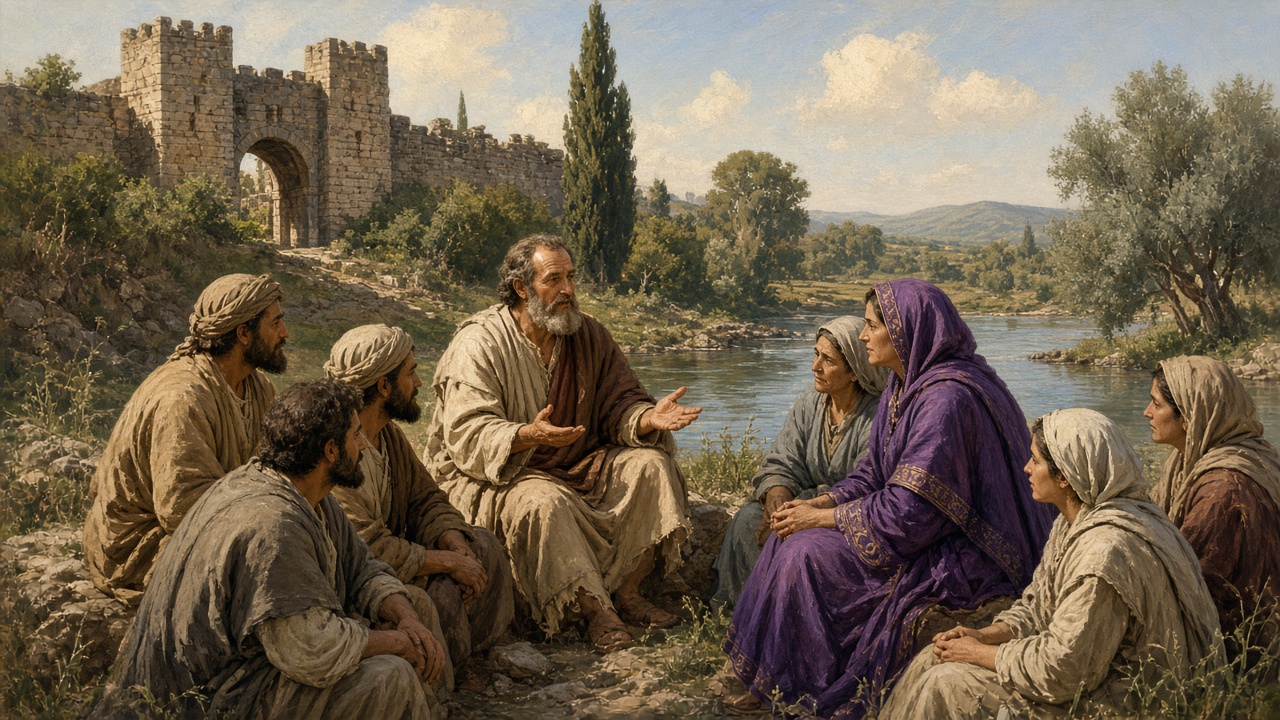
- En la colonia romana de Filipos, Pablo y sus compañeros encontraron, junto al río y fuera de la puerta de la ciudad, un lugar donde era costumbre orar, y allí se habían reunido unas mujeres. Entre ellas estaba Lidia, comerciante de telas de púrpura, de Tiatira, y adoradora de Dios; después de que ella y los de su casa fueron bautizados, convenció a los viajeros de quedarse en su casa. El diccionario bíblico de Easton (1897) la describe como una prosélita de considerable riqueza y como la primera persona en Europa que abrazó el cristianismo.Fuentes: el propio texto bíblico · Lydia
Notas escritas con ayuda de IA a partir de fuentes abiertas (Theographic Bible Metadata, CC BY-SA 4.0; Easton’s Bible Dictionary, dominio público) y revisadas antes de publicarse.
Lugares de este capítulo
- Lystra · Hoy: Tel Lystra · 37.602, 32.338 · versículos 1, 2
- Iconium · Hoy: Konya · 37.872, 32.492 · versículo 2
- Jerusalem · 31.777, 35.234 · versículo 4
- Asia · 38.400, 28.300 · versículo 6
- Galatia · 39.267, 32.983 · versículo 6
- Phrygia · 39.000, 31.000 · versículo 6
- Bithynia · 40.500, 31.000 · versículo 7
- Mysia · 40.000, 28.500 · versículos 7, 8
- Troas · Hoy: Alexandria Troas · 39.752, 26.159 · versículos 8, 11
- Greece · 37.972, 23.727 · versículo 9
- Macedonia · 41.600, 22.540 · versículos 9, 10, 12
- Neapolis · Hoy: Kavala · 40.935, 24.415 · versículo 11
- Samothrace · Hoy: Samothraki · 40.450, 25.583 · versículo 11
- Philippi · 41.012, 24.285 · versículo 12
- Thyatira · Hoy: Akhisar · 38.920, 27.837 · versículo 14
Solo aparecen lugares identificados con alta confianza (90 % o más según las fuentes académicas reunidas por OpenBible). Mapa de la época: DARE (Digital Atlas of the Roman Empire), CC BY 4.0; mapa actual: © colaboradores de OpenStreetMap; lugares: OpenBible.info (CC BY 4.0).
Créditos y licencia de esta traducción
Elu Ọhụn: Ẹkụkwọ-Nsọ (Azụụn Ọhụn rịn'a)
Revision of New Testament in Ika
copyright © 2010 Wycliffe
Language: Ika
Translation by: Wycliffe
Ika (ikk) Nigeria
In Nigeria the word Ika is not only the name of the Ika
people, but is also used to designate a local government area in the Akwa Ibom
State. The Ika people are a sub group of the Igbo people. It is interesting to note
that Ika is the name of a town in Croatia is one of the eight Annang local
government areas of the local government areas in Akwa Ibom State. An alternative
name for the Ika people is Ika-Annang. There appears to be another dialect of Ika
that is spoken in Delta State of Nigeria.
Copyright Information
© 2010, Wycliffe. All rights reserved.
This translation text is made available to you under the terms of the Creative
Commons License: Attribution-Noncommercial-No Derivative Works. ( http://creativecommons.org/licenses/by-nc-nd/3.0/ ) In addition, you have
permission to port the text to different file formats, as long as you do not change
any of the text or punctuation of the Bible.
You may share, copy, distribute, transmit, and extract portions or quotations from
this work, provided that you include the above copyright information:
You must give Attribution to the work.
You do not sell this work for a profit.
You do not make any derivative works that change any of the actual words or
punctuation of the Scriptures.
Permissions beyond the scope of this license may be available if you contact us
with your request.
Printed book ISBN 9789789037056
Revision
The New Testament
in Ika
© 2010, Wycliffe. All rights
reserved.
This translation is made available to you under the terms of the
Creative Commons Attribution-Noncommercial-No Derivatives license 4.0.
You may share and redistribute this Bible translation or extracts from it in any format, provided that:
You include the above copyright and source information.
You do not sell this work for a profit.
You do not change any of the words or punctuation of the Scriptures.
Pictures included with Scriptures and other documents on this site are licensed just for use with those Scriptures and documents.
For other uses, please contact the respective copyright owners.
2019-08-09
Fuente: http://ebible.org/ikkNT/ · eBible.org