Hechos 15
Elu Ọhụn: Ẹkụkwọ-Nsọ (Azụụn Ọhụn rịn'a) · Toca un versículo para ver sus referencias cruzadas.
Ndị-isi Ụka Rị Alị Ichẹn-ichẹn E Zu Imẹ Jerusalẹm
1Ogẹn ahụn, o nwẹ ndị gha Judia bịa Antịọkụ, a kuzi ndị ụka, a sị, “Manị ọnụ kwa ugun gi mẹzu ọdịnalị Mozizi tumẹ, ụnụ a sakọ ẹka nwọn nzụọpụha.” 2Ogẹn Pọlụ lẹ Banabasị gi dugụụ wẹ kpe ọda-ọda, sọngụụ wẹ dọ oku hụ ọhụnma-ọhụnma, ya ndị ụka nọ han Pọlụ lẹ Banabasị lẹ ndị ọzọ imẹ ndị kwerini jẹn Jerusalẹm d'e kunrun ndị-ozi ahụn pụ-ichẹn lẹ ndị-isi kẹni wẹ ku okuni. 3Ya ndị ụka nọ zifụ wẹ. Ogẹn wẹ gi jẹnkọ, wẹ nọ banyesọnmẹ alị Finishịa lẹ alị Samerịa, gwasọnmẹ wẹ kẹ ndị anị ndị ọzọ rị ichẹn-ichẹn wụlẹni ndị Ju dọn rị e rogharị, e sọnmẹ Jesu; ozini nọ mẹ ndị kwerini ghọghọ ọda-ọda. 4Ogẹn wẹ gi ru Jerusalẹm, ndị-ụka lẹ ndị-ozi ahụn pụ-ichẹn lẹ ndị-isi nọ nabanhan wẹ, ya wẹ nọ gwa wẹ ihiẹn ile Osolobuẹ gi wẹ rụn. 5Kanị ndị hụ imẹ ndị kwerini hụn rị itu ndị Farisi nọ lihi ọtọ, sị, “Wẹ ka gwarịrị ndị alị ọzọ wụlẹni ndị Ju nị wẹ k'a kwarịrị ugun, tizikwọnị wẹ iwu wẹ dọnmẹ Iwu Mozizi.”
6Ya ndị-ozi ahụn pụ-ichẹn lẹ ndị-isi nọ zugbama nị wẹ leban okuni ẹnya. 7Ogẹn wẹ gi dọbe okuni, Pita nọ lihi ọtọ, sị wẹ, “Umunẹ m, ụnụ a marịnghọ kẹ Osolobuẹ dọn họpụha m imẹ ụnụ mbụ-mbụ, gi m mẹ ndị alị ọzọ nụ oziọma, kweri. 8Osolobuẹ hụn marịn obi ịhịan ile nọ shịa nị wẹ ẹri ghahanị iye wẹ Mmọn-nsọ k'o dọn ye ẹnyi. 9O nwọnni ihiẹn ọ sị n'ọ rị ichẹn ẹgbata ẹnyi lẹ wẹ, makẹni ọ chanchanpụzịkwọ obi wẹ makẹni wẹ kweri ekweri. 10Kị haịn nwan ụnụ gi a nwan Osolobuẹ ghahanị ibu okẹn ibu e che ndị kwerini olu; ibu hụn o mẹni kẹ ẹnyi kẹ ndị nẹdi ẹnyi kanị asanị ẹka bu?” 11Pita nọ sịzị, “Mba! Ẹnyi kweri nị kẹ ẹnyi dọn nwẹ nzụọfụha ghahanị ẹfọma Onyẹ-nwẹni-ẹnyi wụ Jesu kẹ wẹ dọnzịkwọ nwẹ.”
12Ndị hụ ile zu ebẹhụ nọ gba nkịntịn, e gọn ntịn kẹ Pọlụ lẹ Banabasị rị a gwa(zịkwọ) wẹ ihiẹn-ahịma lẹ ọrụn-atụmẹnya Osolobuẹ gi wẹ rụnsọnmẹ imẹ igunrun ndị anị ndị ọzọ wụlẹni ndị Ju.
13Ogẹn wẹ gi kugụụ, Jemisi nọ sị, “Umunẹ m, gọn ni m ntịn. 14Simịọnụ e kugụọ kẹ Osolobuẹ dọn mẹni ndị alị ọzọ ẹfọma, kẹni ọ hụn ụzọ gha imẹ wẹ wepụha ndị k'a wụ nke ẹ. 15Ihiẹnni lẹ ihiẹn ndị-amụma ku imẹ Ẹkụkwọ-nsọ dangbama. Makẹni, imẹ Ẹkụkwọ-nsọ, ndị-amụma de, sị,
16‘Ihiẹnni mẹgụụ,
m k'e kinhẹn;
m k'a tụndọnzi ụlọ Defidi,
hụn dannị;
m k' a tụndọnzi ihiẹn wiwini;
m k'e mẹ ẹ rịzị k'ọ rị mbụ,
17kẹni ndị alị ndị ọzọ ile họdụnị
hụn ụzọ bịa d'e kunrun Di-nwọnni-ẹnyi—
kẹ ndị alị ndị ọzọ ile ahụn
hụn m k'a kpọ d'a za ẹfan m.
Di-nwọnni-ẹnyi hụn mẹ wẹ marịn ihiẹn ndịnị 18ketekete rị e ku ẹ.’
19Ya wụ, ihiẹn m rị e ku wụ nị ẹnyi esọngbukọ ndị anị ọzọ ahụn wụlẹni ndị-Ju hụn rị e rogharị d'e kunrun Osolobuẹ. 20Kama, ẹnyi k'e dejẹn ni wẹ ẹkụkwọ, sị wẹ hụ erilẹ ihiẹn ọwụlẹ wẹ gi rụa mmọn, makẹni ọ rụ a rụ; w'a ghẹrẹlẹ; w'e rilẹ anụ ọwụlẹ wẹ rụkwọn olu; w'e rilẹ ẹdeke. 21Makẹni, kete elee-mgbe, ndị a kuzi Iwu Mozizi akọnị imẹ obodo ọwụlẹ—gha agbọ d'e ru agbọ; wẹ hụzịkwọ a gụn nị ịhịan ile ya imẹ ụlọ-ofufe ndị Ju rị obodo rị ichẹn-ichẹn Ụhụọhịn Izu-ikẹn ọwụlẹ.”
Ẹkụkwọ-ozi Wẹ Dejẹnni Ndị Wụlẹni Ndị Ju Rị E Sọn Jesu
22Ya ndị-ozi ahụn pụ-ichẹn lẹ ndị-isi lẹ ndị ụka ile rị imẹ Jerusalẹm nọ kwerigbama nị wẹ hanpụha ịhịan imẹ wẹ, nị wẹ sọn Pọlụ lẹ Banabasị jẹn Antịọkụ. Madụ ẹbụọnị kẹ wẹ hanpụha: Judasị hụn w'a kpọ Basabasị lẹ Saịlasị—wẹ ẹbụọ wụsọnmẹ ndị-isi ndị-isi imẹ ndị kwerini. 23Wẹ nọ we ẹkụkwọ-ozi ye wẹ. Ihiẹn wẹ de imẹ ẹ wụ:
“Ẹnyi ile wụ umunẹ ụnụ gba de ẹhụhụọ-ozini, kẹ ndị-ozi ahụn pụ-ichẹn kẹ ndị-isi; ẹnyi rị e dejẹnni umunẹ ẹnyi ndị wụlẹni ndị Ju, hụn rịsọnmẹ Antịọkụ lẹ Siria lẹ Silisịa. Ẹnyi e kele ụnụ!
24Ebe o mẹ ni ẹnyi a nụgụọ n'o nwẹgụọ ndị gha ebe ẹnyi rị bịa d'e kunrun ụnụ, kusọnmẹ oku rị e ye ụnụ mmakp'ẹhụ, e mẹ obi erulẹ ọnụ alị, bụ ẹnyi ezini wẹ, 25ẹnyi e kwerigbamagụọ nwan hanpụha ndị k'a nọkin ẹnya ẹnyi, nị wẹ sọnhẹn ezi umunẹ ẹnyi wụ Banabasị lẹ Pọlụ— 26ndị hụn bu ndụn wẹ che ọb'ẹka makẹ ufiri Di-nwọnni-ẹnyi wụ Jesu Kristi.
27Ya kẹ ẹnyi zini nwan Judasị lẹ Saịlasị, kẹni wẹ gizi ọnụ wẹ gwa ụnụ ihiẹn ndị hụ ẹnyi de. 28Makẹni ọ hụghọ Mmọn-nsọ lẹ ẹnyi lẹ enwẹn ẹnyi mma nị ẹnyi ebuyekọ ọnụ ibu ọzọ—wezụka ihiẹn ndịnị rị mkpa: 29erilẹ ni ihiẹn-oriri wẹ gi rụa mmọn lẹ ẹdeke lẹ anụ wẹ rụkwọn olu; aghẹrẹlẹ ni. Ụnụ na ihiẹn ndịnị wẹ tọ, o k'a rịnị ụnụ mma. Nọdị nị ọhụnma.”
30Ya wẹ nọ zipụ wẹ; wẹ nọ si Antịọkụ. Ogẹn wẹ gi kpọgbamagụụ ndị ụka hụ ile, wẹ nọ we ẹkụkwọ-ozi hụ ye wẹ. 31Ogẹn wẹ gi gụngụụ a, wẹ nọ ghọghọ makẹni ozi rịn'a gba wẹ umẹ. 32Judasị lẹ Saịlasị, hụn wụzịkwọ ndị-amụma, nọ gizi oku bu ọda gba ndị kwerini umẹ, mẹ wẹ zekẹnmẹ. 33Ogẹn wẹ gi nọbe ebẹhụ, ndị kwerini nọ gi udọn zi wẹ lanị ndị zihẹ ni wẹ. 34[Kanị Saịlasị nọ sị n'o k'a nọdị ebẹhụ.] 35Pọlụ lẹ Banabasị esọnni ndị ahụn lama, kama, wẹ nọ nọdị imẹ Antịọkụ. Wẹ lẹ ndị ọzọ bu ọda nọ nọdị ebẹhụ a kuzi, e zi ozi Di-nwọnni-ẹnyi.
Pọlụ lẹ Banabasị E Kebe
36A nọbe wẹ, Pọlụ nọ sị Banabasị, “Bịa nị ẹnyi kin-azụụn d'a hụn umunẹ ẹnyi imẹ Kraịstị ndị rịsọnmẹ obodo ile ẹnyi nọ zi ozi Di-nwọnni-ẹnyi, nị ẹnyi hụn kẹ wẹ rị.” 37Banabasị te chọ nị wẹ weri Jọnụ hụn w'a kpọ Makị. 38Kanị Pọlụ achọnị nị wẹ weri onyẹ na wẹ tọ imẹ Pamfilịa, hụn sọnlẹni wẹ rụn ọrụn wẹ jẹn d'a rụn. 39Wẹ nọ dọnkẹnmẹ okuni, nke wụ nị onyẹ ọwụlẹ nọ jẹnmẹ nke ẹ. Banabasị nọ weri Makị, wẹ nọ chọrị ụgbọ-mirin, buli, shi Saịprọsị. 40Kanị Pọlụ nọ weri Saịlasị. Ndị ụka nọ ha a ye ẹka Di-nwọnni-ẹnyi kẹ n'o yen'ẹ ẹka. 41Ọ nọ jẹnsọnmẹ imẹ Siria lẹ Silisịa, mẹkọ ndị ụka rịsọnmẹ ebẹhụ zekẹnmẹ.
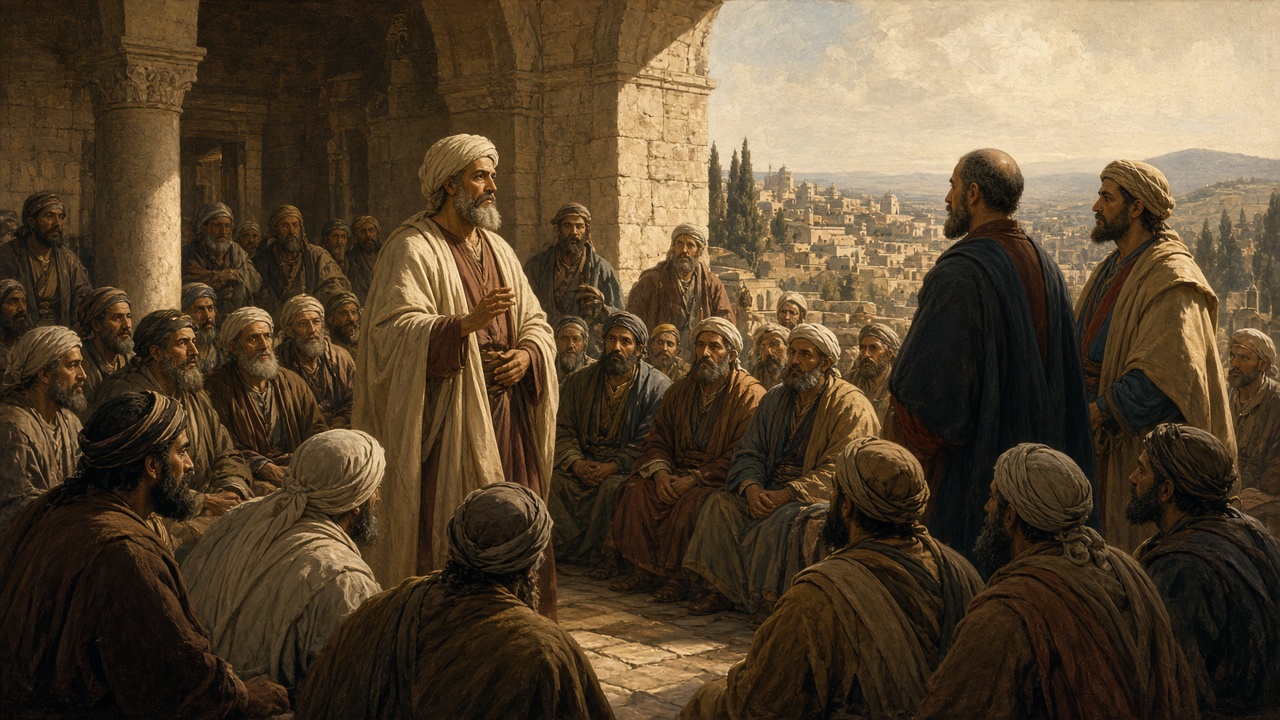
¿Sabías que…?
El concilio sobre los creyentes gentiles
- La controversia comenzó en Antioquía, a orillas del Orontes, unas trescientas millas al norte de Jerusalén, ciudad que entonces ocupaba el tercer lugar entre las ciudades del Imperio romano, después de Roma y Alejandría. De camino al concilio, Pablo y Bernabé pasaron por Fenicia, una franja costera de unas ciento veinte millas, y por Samaria. Una nota cronológica fecha el Concilio de Jerusalén en el año 46 d. C.Fuentes: Antioch (Syria) · Phenicia · el propio texto bíblico · Jerusalem Council
- El Easton's Bible Dictionary (1897) afirma que Santiago, a quien llama hermano o pariente cercano de Jesús, dirigía la iglesia en Jerusalén y presidió el concilio sobre los gentiles. La carta que siguió iba dirigida a los creyentes gentiles de Antioquía, Siria y Cilicia. Cilicia, provincia de origen de Pablo y provincia marítima romana en el sureste de Asia Menor desde el 67 a. C., incluía su ciudad natal, Tarso.Fuentes: James (Brother of Jesus) · el propio texto bíblico · Cilicia · Paul
- Judas, llamado Barsabás, y Silas, también conocido como Silvano, eran profetas y hombres destacados de la iglesia de Jerusalén, enviados para confirmar en persona la decisión del concilio. Un desacuerdo posterior y agudo por Juan Marcos, primo de Bernabé, separó a los dos misioneros: Bernabé se llevó a Marcos y zarpó hacia Chipre, mientras Pablo eligió a Silas. Una nota cronológica fecha esa separación en el año 47 d. C.Fuentes: el propio texto bíblico · Silas · John Mark · Paul and Barnabas part ways
Notas escritas con ayuda de IA a partir de fuentes abiertas (Theographic Bible Metadata, CC BY-SA 4.0; Easton’s Bible Dictionary, dominio público) y revisadas antes de publicarse.
Lugares de este capítulo
- Antioch · Hoy: Antioch on the Orontes · 36.227, 36.172 · versículos 1, 22, 23, 30, 35
- Judea · Hoy: Judea 1 · 31.777, 35.234 · versículo 1
- Jerusalem · 31.777, 35.234 · versículos 2, 3, 4, 22, 23, 33
- Phoenicia · 33.271, 35.196 · versículo 3
- Samaria · Hoy: Samaria 2 · 32.276, 35.195 · versículo 3
- Cilicia · 36.913, 34.892 · versículos 23, 41
- Syria · Hoy: Syria 2 · 33.511, 36.306 · versículos 23, 41
- Pamphylia · 37.000, 31.000 · versículo 38
- Cyprus · 35.000, 33.000 · versículo 39
Solo aparecen lugares identificados con alta confianza (90 % o más según las fuentes académicas reunidas por OpenBible). Mapa de la época: DARE (Digital Atlas of the Roman Empire), CC BY 4.0; mapa actual: © colaboradores de OpenStreetMap; lugares: OpenBible.info (CC BY 4.0).
Créditos y licencia de esta traducción
Elu Ọhụn: Ẹkụkwọ-Nsọ (Azụụn Ọhụn rịn'a)
Revision of New Testament in Ika
copyright © 2010 Wycliffe
Language: Ika
Translation by: Wycliffe
Ika (ikk) Nigeria
In Nigeria the word Ika is not only the name of the Ika
people, but is also used to designate a local government area in the Akwa Ibom
State. The Ika people are a sub group of the Igbo people. It is interesting to note
that Ika is the name of a town in Croatia is one of the eight Annang local
government areas of the local government areas in Akwa Ibom State. An alternative
name for the Ika people is Ika-Annang. There appears to be another dialect of Ika
that is spoken in Delta State of Nigeria.
Copyright Information
© 2010, Wycliffe. All rights reserved.
This translation text is made available to you under the terms of the Creative
Commons License: Attribution-Noncommercial-No Derivative Works. ( http://creativecommons.org/licenses/by-nc-nd/3.0/ ) In addition, you have
permission to port the text to different file formats, as long as you do not change
any of the text or punctuation of the Bible.
You may share, copy, distribute, transmit, and extract portions or quotations from
this work, provided that you include the above copyright information:
You must give Attribution to the work.
You do not sell this work for a profit.
You do not make any derivative works that change any of the actual words or
punctuation of the Scriptures.
Permissions beyond the scope of this license may be available if you contact us
with your request.
Printed book ISBN 9789789037056
Revision
The New Testament
in Ika
© 2010, Wycliffe. All rights
reserved.
This translation is made available to you under the terms of the
Creative Commons Attribution-Noncommercial-No Derivatives license 4.0.
You may share and redistribute this Bible translation or extracts from it in any format, provided that:
You include the above copyright and source information.
You do not sell this work for a profit.
You do not change any of the words or punctuation of the Scriptures.
Pictures included with Scriptures and other documents on this site are licensed just for use with those Scriptures and documents.
For other uses, please contact the respective copyright owners.
2019-08-09
Fuente: http://ebible.org/ikkNT/ · eBible.org