Juan 11
Biblica® Baịbụlụ Nsọ nʼIgbo Ndị Ugbu a nke dịrị onye ọbụla ịgụ · Toca un versículo para ver sus referencias cruzadas.
Ọnwụ Lazarọs
1Nʼoge ahụ, ahụ adịghị otu nwoke a na-akpọ Lazarọs onye Betani, nke bụ obodo nta nke Meri na Mata nwanne ya nwanyị. 2Nke a bụ Meri ahụ weere mmanụ otite dị oke ọnụahịa tee Onyenwe anyị, ma jirikwa agịrị isi ya hichaa ụkwụ ya. Ọ bụ nwanne ya nwoke Lazarọs bụ onye nọ nʼọrịa. 3Nke a mere ụmụnne ya nwanyị zigara Jisọs ozi sị, “Onyenwe anyị, onye ahụ nke ị hụrụ nʼanya nọ nʼọrịa.”
4Mgbe Jisọs nụrụ ya, ọ sịrị, “Ọrịa a abụghị nke ọnwụ kama ọ bụ iji nye Chineke otuto nakwa ka e site na ya nye Ọkpara Chineke otuto.” 5Jisọs hụrụ Mata, na nwanne ya nwanyị na Lazarọs nʼanya. 6Mgbe ọ nụrụ na Lazarọs nọ nʼọrịa, ọ nọkwuru mkpụrụ ụbọchị abụọ nʼebe ahụ ọ nọ. 7Ya mere, ọ gwara ndị na-eso ụzọ ya, “Ngwanụ ka anyị laghachi azụ na Judịa.”
8Ma ndị na-eso ụzọ ya sịrị ya, “Onye ozizi, nʼoge nta gara aga ka ndị Juu chọrọ ịtụ gị nkume. Ị na-agakwa ebe ahụ ọzọ?”
9Jisọs zara, “Ọ bụghị awa iri na abụọ dị nʼotu ehihie nke ụbọchị? Onye na-ejegharị nʼehihie anaghị asụ ngọngọ, nʼihi na ọ na-eji ìhè nke ụwa a ahụ ụzọ. 10Ma ndị na-ejegharị nʼabalị na-azọhie ụkwụ, nʼihi na ìhè adịghị nʼime ha.”
11Mgbe o kwusiri nke a, ọ gwakwara ha, “Enyi anyị Lazarọs na-arahụ ụra, ma ana m aga ịkpọte ya nʼụra.”
12Ndị na-eso ụzọ ya sịrị ya, “Onyenwe anyị, ọ bụrụ na ọ na-arahụ ụra, ọ ga-adị mma.” 13Ihe Jisọs na-ekwu bụ banyere ọnwụ ya ma ha chere na ọ na-ekwu banyere ịrahụ ụra efu.
14Mgbe ahụ, Jisọs gwaghere ha ọnụ, “Lazarọs anwụọla. 15Ma nʼihi unu, obi dị m ụtọ na anọghị m nʼebe ahụ, ka unu nwe ike kwere. Ma bịanụ ka anyị gakwuru ya.”
16Tọmọs, onye a na-akpọ Didimọs, gwara ndị na-eso ụzọ ibe ya, “Ka anyị gakwanụ ka anyị soro ya nwụọ.”
Jisọs akasịe ụmụnne nwanyị Lazarọs obi
17Mgbe Jisọs rutere, ọ chọpụtara na Lazarọs anọọlarị nʼili ụbọchị anọ. 18Betani dị Jerusalem nso, ihe dị ka kilomita atọ. 19Ma ọtụtụ ndị Juu bịakwutere Mata na Meri ịkasị ha obi nʼihi ọnwụ nwanne ha nwoke. 20Mgbe ozi ọbịbịa Jisọs ruru Mata ntị, ọ gara izute ya, ma Meri nọdụrụ nʼụlọ.
21Mata sịrị Jisọs, “Onyenwe m, a sị na ị nọ nʼebe a, nwanne m nwoke agaraghị anwụ. 22Ma ugbu a, amara m na Chineke ga-enye gị ihe ọbụla ị rịọrọ.”
23Jisọs sịrị ya, “Nwanne gị nwoke ga-ebili ọzọ.”
24Mata sịrị ya, “Amara m na ọ ga-ebili ọzọ nʼụbọchị mbilite nʼọnwụ nʼoge ikpeazụ.”
25Jisọs gwara ya, “Mụ onwe m bụ mbilite nʼọnwụ na ndụ. Onye ọbụla kwere na m, a sịkwarị na ọ nwụrụ anwụ, ọ ga-adị ndụ ọzọ. 26Ma onye ọbụla dị ndụ nke na-ekwere na m agaghị anwụ. Ị kwere nke a?”
27Ọ sịrị ya, “E, Onyenwe m, ekwere m na ị bụ Kraịst ahụ, Ọkpara Chineke, onye ga-abịa nʼụwa.”
Jisọs bere akwa
28Mgbe o kwuchara nke a, ọ gara kpọọ nwanne ya nwanyị bụ Meri, jiri nwayọọ sị ya, “Onye ozizi abịala, ọ na-akpọ gị.” 29Mgbe ọ nụrụ nke a, ọ biliri ọsịịsọ ga zute ya. 30Ruo mgbe a, Jisọs abịarutebeghị nʼobodo nta ahụ, ma ọ ka nọ nʼebe ahụ Mata zutere ya. 31Ndị Juu nọ nʼụlọ na-akasị Meri obi hụrụ ya ka ọ pụrụ ngwangwa. Ha sochiri ya nʼazụ nʼihi na ha chere na ọ na-aga nʼili ibe akwa nʼebe ahụ.
32Mgbe Meri rutere nʼebe Jisọs nọ, ọ dara nʼụkwụ ya sị, “Onyenwe m, ọ bụrụ na ị nọ nʼebe a, nwanne m nwoke agaraghị anwụ.”
33Mgbe Jisọs hụrụ ya ka ọ na-ebe akwa ya na ndị Juu ahụ so ya ka ha na-ebekwa akwa, o metụrụ ya nʼime mmụọ ya. O nwere ọmịiko dị ukwuu. 34Ọ sịrị, “Olee ebe unu liri ya?”
Ha sịrị ya, “Onyenwe anyị bịa ka ị hụ.”
35Jisọs ebee akwa.
36Mgbe ahụ ndị Juu na-asị, “Lee ka o si hụ ya nʼanya.”
37Ma ụfọdụ nʼime ha sịrị, “Nwoke a meghere anya onye kpuru ìsì, ọ garaghị enwe ike mee ka nwoke a hapụ ịnwụ?”
Jisọs akpọlite Lazarọs site nʼọnwụ
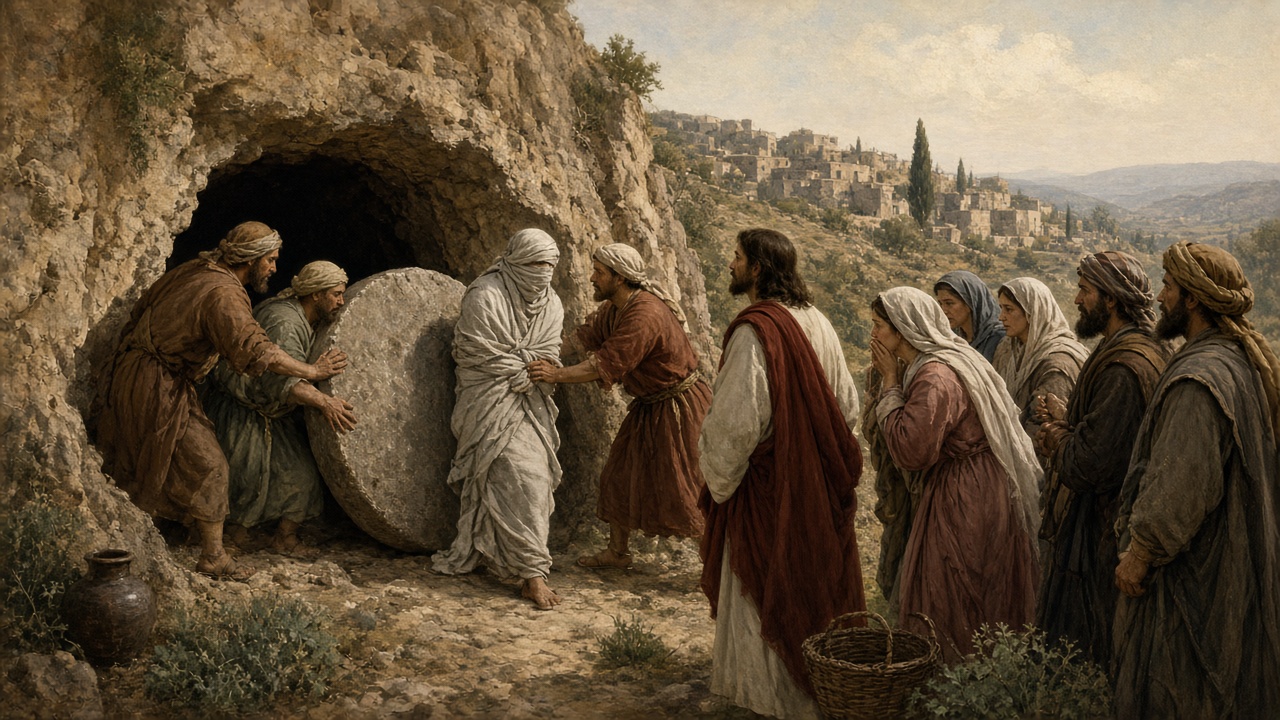
38Ọzọkwa, Jisọs sụrụ ude nʼime onwe ya nke ukwuu, bịarute nʼili ahụ nso. Ili ahụ bụ ọgba e jiri nkume dị ukwuu mechie ọnụ ya. 39Jisọs sịrị, “Bupunụ nkume ahụ!”
Ma Mata, nwanne nwanyị onye ahụ nwụrụ anwụ, sịrị ya, “Onyenwe anyị, ọ ga na-esi isi ugbu a, nʼihi na nke a bụ abalị anọ ọ nwụrụ.”
40Ma Jisọs sịrị ya, “Ọ bụ na m agwaghị gị sị na ọ bụrụ na ị kwere ị ga-ahụ ọrụ ebube Chineke?”
41Ya mere, ha bupụrụ nkume ahụ. Jisọs lere anya nʼelu sị, “Nna, ana m ekele gị nʼihi na ị nụla olu m. 42Amaara m na ị na-anụ olu m mgbe niile. Ana m ekwu nke a nʼihi ndị a gbara m gburugburu nʼebe a, ka ha kwere na ọ bụ gị zitere m.”
43Mgbe o kwusiri nke a, o jiri oke olu tie mkpu, “Lazarọs, pụta!” 44Onye ahụ nwụrụ anwụ pụtara, e jikwa akwa ozu kekọta aka ya na ụkwụ ya, werekwa akwa ịchafu kechie ihu ya.
Jisọs sịrị ha, “Tọpụnụ ya, hapụ ya ka ọ laa.”
Izu igbu Jisọs
45Ọtụtụ ndị Juu bịakwutere Meri bụ ndị hụrụ ihe a o mere, kwere na ya. 46Ma ụfọdụ nʼime ha lara gaa kọọrọ ndị Farisii ihe o mere. 47Mgbe ahụ, ndịisi nchụaja na ndị Farisii kpọrọ nzukọ ndị Sanhedrin.
Ha na-asị, “Gịnị ka anyị ga-eme? Nʼihi na nwoke a na-eme ọtụtụ ihe ịrịbama. 48Ọ bụrụ na anyị ahapụ ya ka ọ gaa nʼihu, mmadụ niile ga-ekwere na ya. Ndị Rom ga-abịakwa, kwatuo ụlọnsọ ukwu ma napụ anyị obodo anyị.”
49Ma otu onye nʼime ha bụ Kaịfas, onyeisi nchụaja nʼafọ ahụ sịrị ha, “Unu amaghị ihe ọbụla. 50Ọ bụ na unu amaghị na ọ ka mma ka otu onye nwụọ nʼihi mmadụ niile, karịa nʼobodo anyị niile ga-ala nʼiyi.”
51Dị ka onyeisi nchụaja nke afọ ahụ, o kwughị nke a site nʼechiche ya, kama o buru amụma na Jisọs ga-anwụ nʼihi mba ndị Juu. 52Ọ bụghị nʼihi mba ahụ naanị, kama, ka ọ kpọkọta ụmụ Chineke ndị gbasara nʼebe niile. 53Ya mere, site nʼụbọchị ahụ, ha malitere ịgba izu otu ha ga-esi gbuo ya.
54Ya mere, Jisọs kwụsịrị ịgagharị ebe ndị Juu ga-ahụ ya. O siri nʼebe ahụ pụọ gaa nʼakụkụ ọzara nʼotu obodo nta a na-akpọ Ifrem. Ya na ndị na-eso ụzọ ya nọdụrụ nʼebe ahụ.
55Mmemme Ngabiga ndị Juu dịkwa nso. Ọtụtụ ndị mmadụ si nʼakụkụ ala ndị Juu niile bịa Jerusalem. Ha bịara tutu mmemme ahụ ebido ka ha mee onwe ha ka ha dị ọcha. 56Ha na-achọ Jisọs na-ajụrịta onwe ha nʼime ụlọnsọ ukwu ahụ, “Gịnị ka unu chere? Ọ bụ na ọ gaghị abịa na mmemme a?” 57Ma nʼoge ahụ, ndịisi nchụaja na ndị Farisii enyela iwu ka onye ọbụla hụrụ ya bịa gwa ha ka ha gaa jide ya.
¿Sabías que…?
Lázaro resucitado en Betania
- Juan sitúa Betania, la aldea de Lázaro y de sus hermanas María y Marta, a poco menos de dos millas de Jerusalén. El diccionario bíblico de Easton (1897) la ubica en la ladera sureste del monte de los Olivos, en el camino a Jericó, y dice que el nombre venía de las palmeras que crecían allí y que la aldea era conocida como el-Azariyeh, “lugar de Lázaro”.Fuentes: Bethany · el propio texto bíblico
- Tomás, uno de los doce, también era llamado Dídimo, el equivalente griego de su nombre, que significa “gemelo”. Cuando Jesús decidió volver a Judea, donde poco antes habían intentado apedrearlo, Tomás dijo a los otros discípulos: “Vayamos también nosotros, para morir con él”.Fuentes: Thomas · el propio texto bíblico
- Después de que algunos contaron lo que Jesús había hecho, los principales sacerdotes y los fariseos reunieron al Sanedrín, temiendo que, si todos creían en Jesús, los romanos les quitaran su lugar y su nación. Caifás, sumo sacerdote aquel año y, según el diccionario bíblico de Easton (1897), un saduceo que ocupó el cargo del 27 al 36 d.C., dijo que era mejor que un hombre muriera por el pueblo a que pereciera toda la nación. Juan dice que, como sumo sacerdote aquel año, profetizaba que Jesús moriría por la nación, y desde ese día tramaron matarlo.Fuentes: Caiaphas · el propio texto bíblico
Notas escritas con ayuda de IA a partir de fuentes abiertas (Theographic Bible Metadata, CC BY-SA 4.0; Easton’s Bible Dictionary, dominio público) y revisadas antes de publicarse.
Lugares de este capítulo
- Judea · Hoy: Judea 1 · 31.777, 35.234 · versículos 7, 8, 54
- Jerusalem · 31.777, 35.234 · versículos 18, 54, 55
- Ephraim · Hoy: Taybeh · 31.954, 35.300 · versículo 54
Solo aparecen lugares identificados con alta confianza (90 % o más según las fuentes académicas reunidas por OpenBible). Mapa de la época: DARE (Digital Atlas of the Roman Empire), CC BY 4.0; mapa actual: © colaboradores de OpenStreetMap; lugares: OpenBible.info (CC BY 4.0).
Créditos y licencia de esta traducción
Biblica® Baịbụlụ Nsọ nʼIgbo Ndị Ugbu a nke dịrị onye ọbụla ịgụ The Holy Bible in the Igbo language of Nigeria: Biblica® Baịbụlụ Nsọ nʼIgbo Ndị Ugbu a nke dịrị onye ọbụla ịgụ copyright © 2020 Biblica, Inc. Language: Igbo Contributor: Biblica, Inc. This work is made available under the Creative Commons Attribution-ShareAlike 4.0 International License (CC BY-SA). To view a copy of this license, visit http://creativecommons.org/licenses/by-sa/4.0 or send a letter to Creative Commons, PO Box 1866, Mountain View, CA 94042, USA. Biblica® is a trademark registered by Biblica, Inc., and use of the Biblica® trademark requires the written permission of Biblica, Inc. Under the terms of the CC BY-SA license, you may copy and redistribute this unmodified work as long as you keep the Biblica® trademark intact. If you modify a copy or translate this work, thereby creating a derivative work, you must remove the Biblica® trademark. On the derivative work, you must indicate what changes you have made and attribute the work as follows: “The original work by Biblica, Inc. is available for free at www.biblica.com and open.bible.” Notice of copyright must appear on the title or copyright page of the work as follows: Biblica® Baịbụlụ Nsọ nʼIgbo Ndị Ugbu a nke dịrị onye ọbụla ịgụ Ndị Biblica, Inc. degharịrị ya nʼafọ © 1980, 1988, 2019, 2020 Biblica® Open Igbo Contemporary Bible™ Copyright © 1980, 1988, 2019, 2020 by Biblica, Inc. “Biblica” bụ akara e ji mara ụlọ ọrụ a, nke edebanyere dịka iwu si kwado nʼụlọ ọrụ dị nʼobodo United States, ebe a na-enye akara a na ikike maka azụm ahịa ndị Biblica, Inc. Ọ bụ ha ka e nyere ikike idenye ya. “Biblica” is a trademark registered in the United States Patent and Trademark Office by Biblica, Inc. Used with permission. You must also make your derivative work available under the same license (CC BY-SA). If you would like to notify Biblica, Inc. regarding your translation of this work, please contact us at https://open.bible/contact-us. This translation is made available to you under the terms of the Creative Commons Attribution Share-Alike license 4.0. You have permission to share and redistribute this Bible translation in any format and to make reasonable revisions and adaptations of this translation, provided that: You include the above copyright and source information. If you make any changes to the text, you must indicate that you did so in a way that makes it clear that the original licensor is not necessarily endorsing your changes. If you redistribute this text, you must distribute your contributions under the same license as the original. Pictures included with Scriptures and other documents on this site are licensed just for use with those Scriptures and documents. For other uses, please contact the respective copyright owners. Note that in addition to the rules above, revising and adapting God's Word involves a great responsibility to be true to God's Word. See Revelation 22:18-19. 2023-04-12
Fuente: http://ebible.org/ibo/ · eBible.org