Isaías 50
KAKAƗYARI NIUKIEYA XAPAYARI WIXARIKAKƗ · Toca un versículo para ver sus referencias cruzadas.
'Ixaheri ke'axamɨtiuyuri meta ti'uximayatsiriwame kemɨreu'ena
1Yawé mɨpaɨ kanaineni:
«Ne xemaama, nepuku'eiri,
¿Peru hakewa 'eiriya xapayari?
¿Yatɨni kemɨ'ane nemɨrapiinirie hetsɨa nepɨxe'utua?
Xeme xekaniutuiyani 'axaxemɨte'uyurikɨ,
xeme xekaniutuiyani,
'axaxemɨteyuriekaikɨ xeme
xemaama kaniuku'eiriwa.
2¿Titayari nemunuatsie xeime tɨma nekatiutaxei?
¿Titayari xewitɨ kanetiuta'ei nemɨxe'utahɨawixɨtsie?
¿Kamɨtsɨ nekatiyɨwe nemɨxe'utawikweitsitɨanikɨ?
¿Kamɨtsɨ netɨrɨkariya katiyɨwe mɨxe'uxɨna?
'Etsiwa ne neyutahaxɨatɨayu haramara kanakawaukeni,
meta hatɨa makumawe nekanayeitɨwani,
haa heuyewekakaku tsapari mekanitakukuweni hariyakɨ,
meta mekanitipɨkeni.
3Muyuawi yɨriyakɨ nekaniukemaritɨani
meta naxi nekanikawiriwani muyuhiwerieka hepaɨ».
4Yawé naimekɨmɨyɨwe pɨnetsi'upitɨa
nemeutaniuwenikɨ netimaiwetɨ,
kemɨ'ane mu'uxe neniukikɨ nemutuikanikɨ.
Ximeri yakanetinanutahɨtuwani,
meta nenakata neheu'ename kanenayeitɨaka
para nemeu'enanikɨ teyɨ'ɨkitɨwamete wahepaɨ.
5Yawé naimekɨmɨyɨwe neheu'ename kanenayeitɨani,
hawaikɨ nepɨkahe'eiyani, meta ne'utɨa nepɨkayeyeika.
6Newari nepɨyetua kemɨ'ane memɨnetsikuwayakai wahetsɨa,
ne'auri nepɨyetua kepauka hipatɨ nemɨxiya memanuyehunakai,
neyuriyariekaku meta kepauka nemuku'aɨtsikawiyarɨwakai
nenierika nepɨka'uti'awietaxɨ.
7Yawé naimekɨmɨyɨwe matsi mɨnetsiparewiekɨ,
hatsuaku tixaɨtɨ mekanete'ayeitɨatɨri mepɨkahakɨne.
'Ayumieme nenierika neputseiriyaxɨ tete mɨtse'i hepaɨ,
mɨpaɨ nepɨtimate hawaikɨ nepɨkatewiyatsitɨarieni.
8Ne'aurie hurawa kaniuyeikani kemɨ'ane nehetsie mɨtanuani.
¿Kemɨ'ane kamɨtsɨ pɨnetsitaniukimani?
Kehamieni nehetsɨa.
¿Kemɨ'ane pɨnetsixaneta?
Kenetsi'utaxaneta kuta.
9Yawé naimekɨmɨyɨwe kanihɨkɨtɨni mɨnetsiparewie.
¿Kemɨ'ane pɨnetsi'anutahɨani?
Yunaitɨ mɨkɨ mepukumawere,
'ixuriki mutaxɨ tepaxietɨ hepaɨ.
10¿Kemɨ'ane xeme Yawé payemakaxe
meta kemɨ'ane xeme tiyu'uximayatsiriwame peu'enie?
Tsepanetɨ yɨwikɨta mumie,
'etsiwa tɨma kahekɨariwiyarietɨ,
Yawé hetsie yuri keti'erieka,
meta Kakaɨyari hetsie ketiwiyani.
11Peru xeme tai xemukutaiya
meta 'utsi xemuti'ɨwe,
kɨmana xeyukɨxirietɨ xemuhunikɨ,
xemitaiyatɨka xehekɨariwiyakaku.
'Ayumieme nepɨxe'anunɨ'airieni:
'uximatɨarika waɨkawa, mana xepɨkwini.
¿Sabías que…?
El Siervo Obediente y la Reivindicación Divina
- En las costumbres legales del antiguo Cercano Oriente, el esposo emitía una carta de divorcio para formalizar la separación, y los deudores empobrecidos podían entregar a sus hijos en servidumbre. En Isaías 50:1, Dios utiliza estas metáforas jurídicas para demostrar que Israel no fue abandonado por una deuda divina ni por una anulación permanente del pacto, sino a causa de sus propias transgresiones.Fuentes: el propio texto bíblico
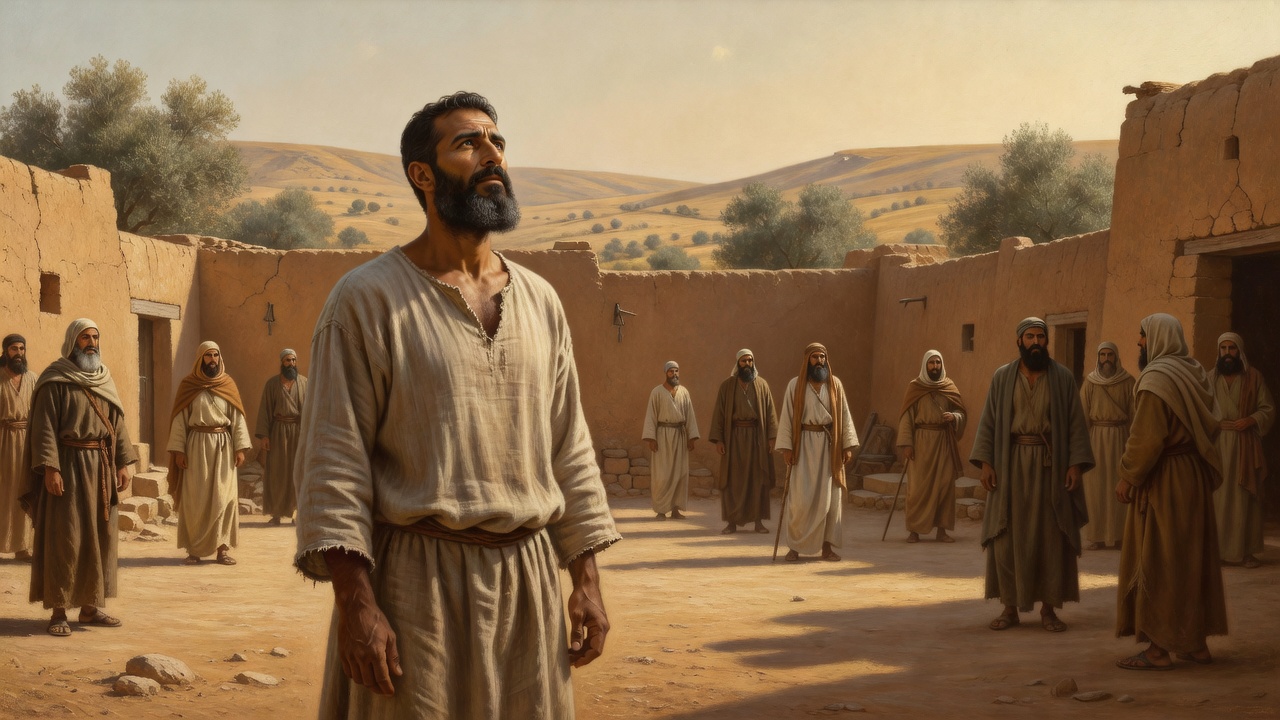
- El orador en Isaías 50:4–7 describe la actitud de un discípulo atento que soporta voluntariamente maltratos físicos, incluidos golpes, el arrancamiento de su barba y escupitajos. Poner el rostro 'como el pedernal' es una expresión vívida que denota una determinación inquebrantable y una firme confianza en Dios frente a la vergüenza pública y la hostilidad.Fuentes: el propio texto bíblico
Notas escritas con ayuda de IA a partir de fuentes abiertas (Theographic Bible Metadata, CC BY-SA 4.0; Easton’s Bible Dictionary, dominio público) y revisadas antes de publicarse.
Créditos y licencia de esta traducción
KAKAƗYARI NIUKIEYA XAPAYARI WIXARIKAKƗ
The Holy Bible in the in Huichol language of Mexico, 2020 edition
La Santa Biblia en lengua huichol de México, edición 2020
copyright © 2020 Wycliffe Bible Translators, Inc.
Language: Huichol
Translation by: Wycliffe Bible Translators, Inc.
Huichol [hch], Mexico
Copyright Information
© 1988-2020, Wycliffe Bible Translators, Inc.
This translation text is made available to you under the
terms of the Creative Commons License: Attribution-Noncommercial-No Derivative Works.
( http://creativecommons.org/licenses/by-nc-nd/3.0/ )
In addition, you have permission to port the text to different file formats, as long as you
do not change any of the text or punctuation of the Bible.
You may share, copy, distribute, transmit, and extract portions
or quotations from this work, provided that you include the above copyright
information:
You must give Attribution to the work.
You do not sell this work for a profit.
You do not make any derivative works that change any of the actual words or punctuation of the Scriptures.
Permissions beyond the scope of this license may be
available if you contact
us with your request.
The Holy Bible
in Huichol
© 1988-2020, Wycliffe Bible Translators, Inc.
This translation is made available to you under the terms of the
Creative Commons Attribution-Noncommercial-No Derivatives license 4.0.
You may share and redistribute this Bible translation or extracts from it in any format, provided that:
You include the above copyright and source information.
You do not sell this work for a profit.
You do not change any of the words or punctuation of the Scriptures.
Pictures included with Scriptures and other documents on this site are licensed just for use with those Scriptures and documents.
For other uses, please contact the respective copyright owners.
2025-09-03
Fuente: http://ebible.org/hch/ · eBible.org