Isaiah 50
KAKAƗYARI NIUKIEYA XAPAYARI WIXARIKAKƗ · Tap a verse to see its cross-references.
'Ixaheri ke'axamɨtiuyuri meta ti'uximayatsiriwame kemɨreu'ena
1Yawé mɨpaɨ kanaineni:
«Ne xemaama, nepuku'eiri,
¿Peru hakewa 'eiriya xapayari?
¿Yatɨni kemɨ'ane nemɨrapiinirie hetsɨa nepɨxe'utua?
Xeme xekaniutuiyani 'axaxemɨte'uyurikɨ,
xeme xekaniutuiyani,
'axaxemɨteyuriekaikɨ xeme
xemaama kaniuku'eiriwa.
2¿Titayari nemunuatsie xeime tɨma nekatiutaxei?
¿Titayari xewitɨ kanetiuta'ei nemɨxe'utahɨawixɨtsie?
¿Kamɨtsɨ nekatiyɨwe nemɨxe'utawikweitsitɨanikɨ?
¿Kamɨtsɨ netɨrɨkariya katiyɨwe mɨxe'uxɨna?
'Etsiwa ne neyutahaxɨatɨayu haramara kanakawaukeni,
meta hatɨa makumawe nekanayeitɨwani,
haa heuyewekakaku tsapari mekanitakukuweni hariyakɨ,
meta mekanitipɨkeni.
3Muyuawi yɨriyakɨ nekaniukemaritɨani
meta naxi nekanikawiriwani muyuhiwerieka hepaɨ».
4Yawé naimekɨmɨyɨwe pɨnetsi'upitɨa
nemeutaniuwenikɨ netimaiwetɨ,
kemɨ'ane mu'uxe neniukikɨ nemutuikanikɨ.
Ximeri yakanetinanutahɨtuwani,
meta nenakata neheu'ename kanenayeitɨaka
para nemeu'enanikɨ teyɨ'ɨkitɨwamete wahepaɨ.
5Yawé naimekɨmɨyɨwe neheu'ename kanenayeitɨani,
hawaikɨ nepɨkahe'eiyani, meta ne'utɨa nepɨkayeyeika.
6Newari nepɨyetua kemɨ'ane memɨnetsikuwayakai wahetsɨa,
ne'auri nepɨyetua kepauka hipatɨ nemɨxiya memanuyehunakai,
neyuriyariekaku meta kepauka nemuku'aɨtsikawiyarɨwakai
nenierika nepɨka'uti'awietaxɨ.
7Yawé naimekɨmɨyɨwe matsi mɨnetsiparewiekɨ,
hatsuaku tixaɨtɨ mekanete'ayeitɨatɨri mepɨkahakɨne.
'Ayumieme nenierika neputseiriyaxɨ tete mɨtse'i hepaɨ,
mɨpaɨ nepɨtimate hawaikɨ nepɨkatewiyatsitɨarieni.
8Ne'aurie hurawa kaniuyeikani kemɨ'ane nehetsie mɨtanuani.
¿Kemɨ'ane kamɨtsɨ pɨnetsitaniukimani?
Kehamieni nehetsɨa.
¿Kemɨ'ane pɨnetsixaneta?
Kenetsi'utaxaneta kuta.
9Yawé naimekɨmɨyɨwe kanihɨkɨtɨni mɨnetsiparewie.
¿Kemɨ'ane pɨnetsi'anutahɨani?
Yunaitɨ mɨkɨ mepukumawere,
'ixuriki mutaxɨ tepaxietɨ hepaɨ.
10¿Kemɨ'ane xeme Yawé payemakaxe
meta kemɨ'ane xeme tiyu'uximayatsiriwame peu'enie?
Tsepanetɨ yɨwikɨta mumie,
'etsiwa tɨma kahekɨariwiyarietɨ,
Yawé hetsie yuri keti'erieka,
meta Kakaɨyari hetsie ketiwiyani.
11Peru xeme tai xemukutaiya
meta 'utsi xemuti'ɨwe,
kɨmana xeyukɨxirietɨ xemuhunikɨ,
xemitaiyatɨka xehekɨariwiyakaku.
'Ayumieme nepɨxe'anunɨ'airieni:
'uximatɨarika waɨkawa, mana xepɨkwini.
Did you know?
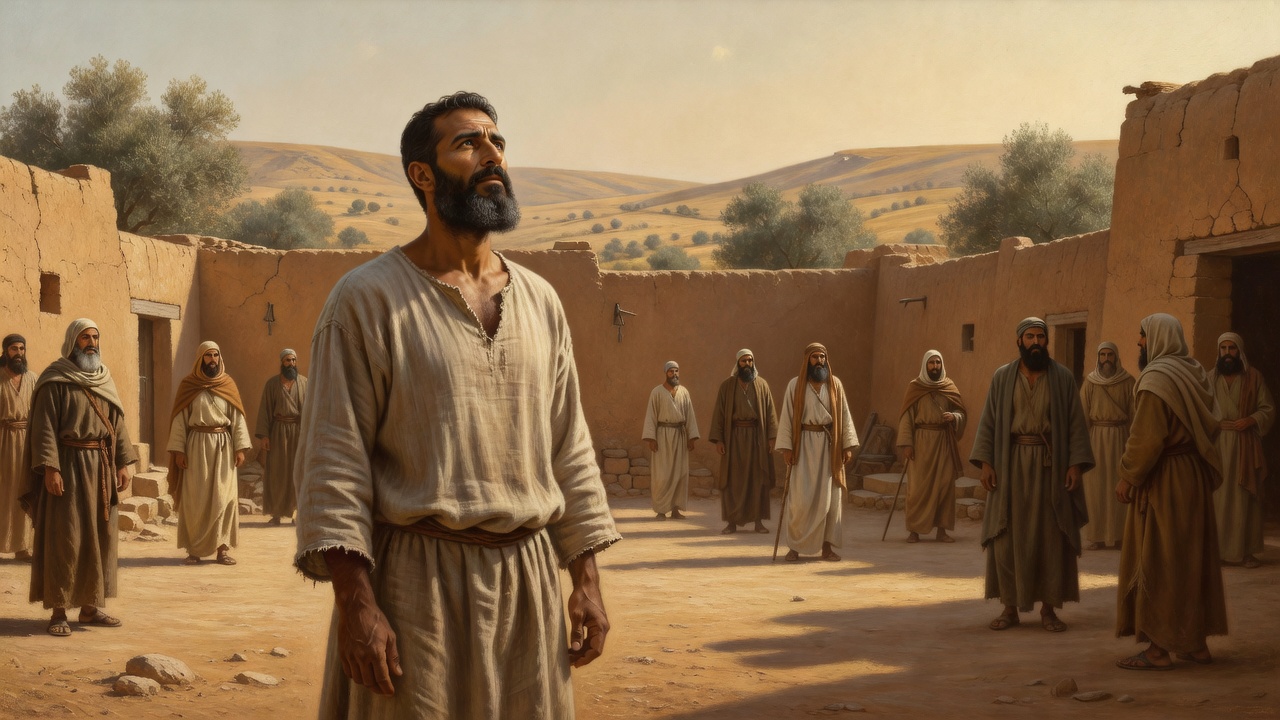
The Obedient Servant and Divine Vindication
- In ancient Near Eastern legal custom, a husband issued a certificate of divorce to formalize a separation, and impoverished debtors might sell their children into servitude. In Isaiah 50:1, God uses these legal metaphors to demonstrate that Israel was not abandoned due to a divine debt or permanent annulment of the covenant, but went into exile because of its own transgressions.Sources: the Bible text itself
- The speaker in Isaiah 50:4–7 portrays the posture of an attentive disciple who willingly endures physical maltreatment, including beatings, the plucking of his beard, and being spat upon. Setting one's face 'like flint' is a vivid idiom signifying resolute determination and steadfast trust in God despite public shame and hostility.Sources: the Bible text itself
Notes written with AI assistance from open sources (Theographic Bible Metadata, CC BY-SA 4.0; Easton’s Bible Dictionary, public domain) and reviewed before publishing.
Credits and license for this translation
KAKAƗYARI NIUKIEYA XAPAYARI WIXARIKAKƗ
The Holy Bible in the in Huichol language of Mexico, 2020 edition
La Santa Biblia en lengua huichol de México, edición 2020
copyright © 2020 Wycliffe Bible Translators, Inc.
Language: Huichol
Translation by: Wycliffe Bible Translators, Inc.
Huichol [hch], Mexico
Copyright Information
© 1988-2020, Wycliffe Bible Translators, Inc.
This translation text is made available to you under the
terms of the Creative Commons License: Attribution-Noncommercial-No Derivative Works.
( http://creativecommons.org/licenses/by-nc-nd/3.0/ )
In addition, you have permission to port the text to different file formats, as long as you
do not change any of the text or punctuation of the Bible.
You may share, copy, distribute, transmit, and extract portions
or quotations from this work, provided that you include the above copyright
information:
You must give Attribution to the work.
You do not sell this work for a profit.
You do not make any derivative works that change any of the actual words or punctuation of the Scriptures.
Permissions beyond the scope of this license may be
available if you contact
us with your request.
The Holy Bible
in Huichol
© 1988-2020, Wycliffe Bible Translators, Inc.
This translation is made available to you under the terms of the
Creative Commons Attribution-Noncommercial-No Derivatives license 4.0.
You may share and redistribute this Bible translation or extracts from it in any format, provided that:
You include the above copyright and source information.
You do not sell this work for a profit.
You do not change any of the words or punctuation of the Scriptures.
Pictures included with Scriptures and other documents on this site are licensed just for use with those Scriptures and documents.
For other uses, please contact the respective copyright owners.
2025-09-03
Source: http://ebible.org/hch/ · eBible.org