Hechos 5
Cohamacʉ Yare Yahari Tjuel · Toca un versículo para ver sus referencias cruzadas.
Anania to namono Safira mehne mahñoha
1Paina cʉ̃hʉ Bernabé yoaro sehe yoaa timaha. Tina Anania wama tiriro, to namono Safira wama tiricoro jiha. Ti ya yahpare duaha tiro. 2Ã duaparota tiro to wapatarire to basi naha. To namono cʉ̃hʉ to ã yoarire masiha. Ã jiro ti wapataa ti dʉharire na ta, Jesu to cũrinare waha Anania sehe. Ã waro “Wa pahñoi nija”, nimaha tiro. 3To ã yoachʉ ñʉno Pedro tirore õ sehe ni yahuha:
—Anania, watĩno mʉhʉre mahño dutiri jire Espíritu Santore. Ã jicʉ mʉ ya yahpare dua, mʉ wapatarire mʉ basi nari jire mʉhʉ. 4Mʉ duahto pano mʉ ya yahpa jihre. Ã jiro mʉ duari baharo mʉ ya wapataa jihre. ¿Ã yoacʉ dohse jiro baro ã mahñori mʉhʉ? Mʉhʉ sã dihtare mahñoerare. Cohamacʉ cʉ̃hʉre mahñohre mʉhʉ —niha Pedro tirore.
5To ã nichʉ tʉhorota, Anania sehe doca caha sʉ, yariaa wahaha. Ã jia jipihtina tiro to ã wahachʉ masia, tuaro cuiha. 6To yariari baharo wahma yapia ta, to pjacʉre suhtiro cahsaro mehne wahma, sopacapʉ na wijaa, masa copapʉ cohãnocaha tirore.
7Ã yoa tia hora baharo Anania mʉnano namono, to yariarire masieraro Pedro cahapʉ sãaha. 8Ã jiro Pedro ticorore õ sehe niha:
—¿Mʉsa ya yahpare duatjiãhna noho puro wapatari mʉsa? —niha tiro.
à jiro ticoro to manʉno mʉnano to niriro purota, “Tó purota wapatahi sã”, ni yʉhtimaha ticoro.
9To ã ni yʉhtichʉ tʉhoro Pedro õ sehe ni yahuha ticorore:
—¿Dohse yoana mʉsa cʉ̃no potori Cohamacʉ Espíriture mahño duajari? “¿Potocãta marine buhiri dahrebocari?” nina. Tʉhoga mipʉre. Mʉ manʉ cjirore yarina tara. Mʉhʉ cʉ̃hʉre mʉ pjacʉre naa taa nina —niha Pedro.
10To ã ni yahuchʉta ticoro doca caha sʉ, yariaa wahaha. Ã jia wahma yapia tí wʉhʉre sãa wihi, ticoro pjacʉre na wijaa wahaha. Na wijaa, to manʉno mʉnano pari wahpa ticoro pjacʉre masa copapʉ cohãha. 11Ã jia Jesu yaina jipihtina paina tíre tʉhoa cui yʉhdʉa wahaha.
Jesu to cũrina Cohamacʉ tuaa mehne yoa ñoha
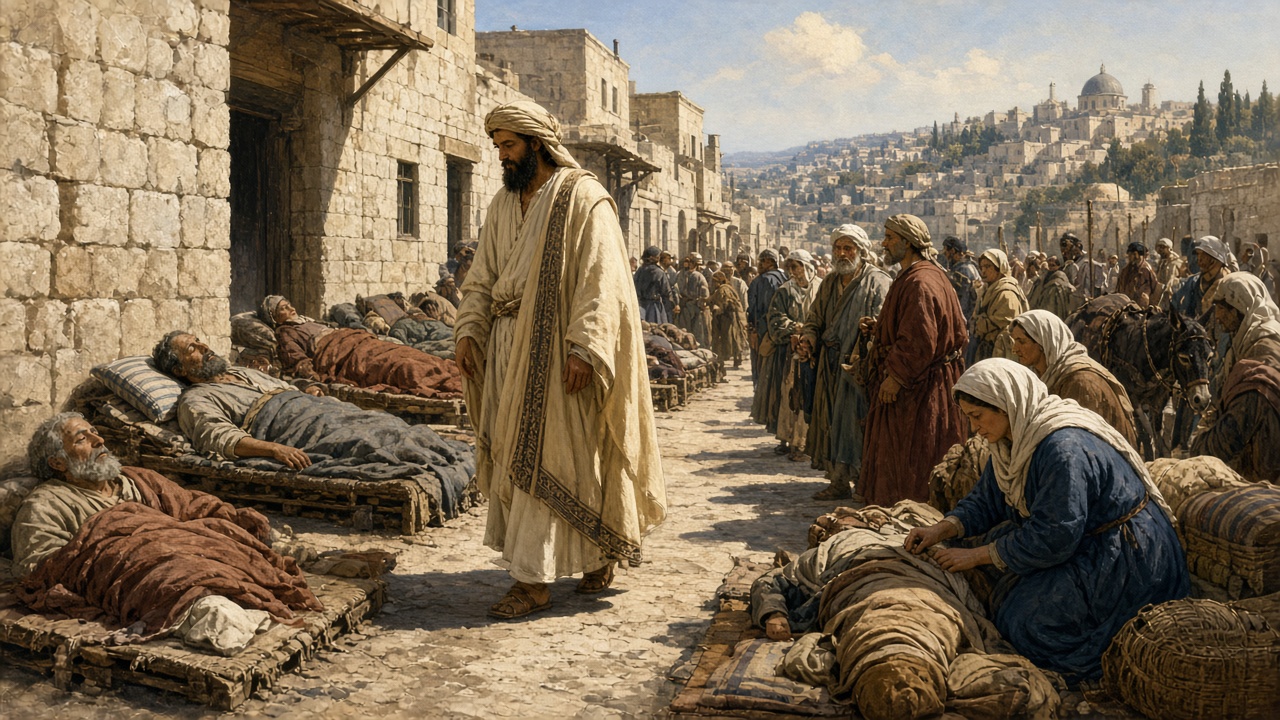
12Ã yoa masa watoi Jesu to cũrina payʉ tahari Cohamacʉ tuaa mehne yoa ñoa tiha. Ã yoa tina Salomo wama tiri tahtiapʉ tihamahnoeni tahtiapʉ cahmachua tiha. 13Ã jia paina Jesu yaina jieraina sehe cui curea, tina cahapʉ wahaera tiha. Ã cuipahta tinare Jesu yaina warore “Noaina jira ahrina”, nia tiha masa. 14Ã jia mʉa, numia payʉ Jesure wacũ tua dʉcaa tiha. 15Ã jia tina dohatiinare na ta, coma yosaa mehne pjũpaha duhu cũa tiha mahapʉ tinare. Ã yoaa Pedro tinare to ña payochʉ cahmaha tinare na taina sehe dohatiina ti noaina wahachʉ cahmaa. Tinare to ña payoerachʉ Pedro ti bui masʉrʉca cũchʉ cahmaha tina. Tí dihtare cahmaa tiha ti noaina wahahto sehe. 16Ã jia Jerusalẽ cahai jia macari macaina cʉ̃hʉ dohatiinare, watĩa ti sãaina cʉ̃hʉre na taa tiha. Ti ã na tachʉ tina jipihtina ti pjacʉri noaina wahaha.
Jesu to cũrinare paina ñano yoaa tiha
17Ti ã yoachʉ ñʉa sacerdotea bui pʉhtoro, tiro mehne macaina mehne Pedro cʉ̃hʉre ñʉ tuhtiha. Sacerdotea pʉhtoro mehne macaina saduceo curua macaina jiha. 18Ã ñʉ tuhtia tina sua yʉhdʉa Jesu to cũrinare ñaha, peresu yoaha. 19Ã jiro ñamipʉ Cohamacʉ yairo anjo pjõoha tinare peresui dujiinare. Ã yoa tinare wijaa ta dutiro õ sehe ni yahuha anjo:
20—Cohamacʉ wʉhʉpʉ wahaga. Tí wʉhʉpʉ jina Cohamacʉ to masorire ahri noaa buheare yahuga masare —niha anjo tinare.
21To ã nichʉ tʉhoa, ñamiwacũnu jichʉ Cohamacʉ wʉhʉpʉ sãa, masare buhea tiha tina. Tí dachoihta sacerdotea pʉhtoro, tiro mehne macaina, Israe masa pʉhtoa mehne cahmachu, Jesu to cũrinare peresupʉ jiinare na ta dutimaha surara pʉhtoare. 22Wiho mejeta surara pʉhtoa peresu ti yoari wʉhʉpʉ waha, ñʉmaha. Tinare bocaeraha. Bocaeraa tjuaa wahaha. Tju sʉ õ sehe ni yahuha ti pʉhtoare:
23—Peresupʉ jia pahmari bihaa pahmari jihre. Ã jia tí pahmari cahai ti peresu yoarinare cohtaina ti ducuchʉ ñʉhi sã. Wiho mejeta pjõo sãa, sã ñʉchʉ, ti peresu yoarina mariahre —ni yahuha tina.
24Ti ã nichʉ tʉhoa, surara Cohamacʉ wʉhʉre cohtaina pʉhtoro, sacerdotea pʉhtoa mehne tíre tʉho, cʉaa waha, “¿Dohse waha sohtori tiahcʉ tina ã yoaa?” ni tʉhotuha tina. 25Ã jiro tina cahapʉ pairo sʉ, tinare õ sehe ni yahuha:
—Mʉsa peresu yoarina Cohamacʉ wʉhʉpʉ jihre. Ñʉna wahaa wiho. Tí wʉhʉpʉ masare buhea nihre tina —ni yahuha.
26To ã nichʉ tʉhoro, surara pʉhtoro, to surara mehne waha, Jesu to cũrinare pari turi ñaha taha tjoa. Wiho mejeta tinare surara tuhtieraha. Ã jia tinare cjãborina jipahta, masare cuia cjãeraha tinare. “Ahrinare mari cjãchʉ paina masa sehe tãa mehne docaahca marine”, ni tʉhotuha tina surara sehe. 27Ã jia tinare na ta, pʉhtoa panoi duhu dapoha tina. Ti ã na wihi dapochʉ sacerdotea pʉhtoro tinare õ sehe ni tuhtiha:
28—Mʉsare sã tuaro dutimahi. “Jesu yare buhena tjiga”, nimahi sã mʉsare. Sã ã nipachʉta mʉsa sehe jipihtina Jerusalẽ macainare buhehre mʉsa. Jesu to yariari buhiri, sãre buhiri tichʉ yoa duana nica mʉsa —niha pʉhtoro sehe.
29To ã nichʉ tʉhoro Pedro sehe paina Jesu to cũrina mehne õ sehe ni yʉhtiha:
—Cohamacʉ to dutiri sehere yoa mʉhtanahtja. Ã jina baharo Cohamacʉ cahmachʉ masa ti dutiare yoanahtja. 30Cohamacʉ, mari coyea panopʉ macaina pʉhtoro, Jesure masori jire. Tirota jira mʉsa crusapʉ cjã puha wajã dutiriro. 31Jesure “Noariro jira” ni, to poto bʉhʉsehei duji dutihre Jesure Cohamacʉ sehe. Ã jiro Jesu masa pʉhtoro, masare masoriro jiro, Israe masare ti ñaa yoarire cahyaina ji dutiro, ti ñaa yoari buhirire cohã duara Jesu. 32Ã jina sã sehe Jesu to yoarire ñʉrina jina tíre yahuja sã. Espíritu Santo tíre ñʉriro jiro yahura tiro cʉ̃hʉ. Tirore Espíritu Santore Cohamacʉ warocahre. Jipihtina Cohamacʉ dutiare yoainare tiro Espíritu Santore wahre —ni yahuha tinare.
33To ã nichʉ tʉhoa pʉhtoa sehe sua yʉhdʉaha. Ã suaa, tina Jesu to cũrinare wajã duamaha. 34Wiho mejeta Gamalie, fariseo curua macariro tói jiro tinare wajã dutiro taro nieraha. Tiro pʉhtoa mehne macariro, dutiare buheriro to jichʉ, masa tirore ño payoa tiha. Tiro Jesu to cũrinare mahanocã cohta dutiro pa sehepʉ tinare naa wahcã dutiha surarare. 35Ti ã naari baharo tiro õ sehe ni yahuha masare:
—Mʉsa Israe masa, ahrinare mʉsa yoahtire noano tʉhotuga “Mʉsapʉ wajãri”, nina. 36Wacũga Teuda cjirore. Tiro to basi “Masare yʉhdʉrʉcariro jija yʉhʉ”, nire masare. To ã yoachʉ ñʉa, masa payʉ cuatro cientos masa tiro mehne macaina tjuare. Baharo paina sehe tirore wajãri jire. To buheare buherina cjiri sehe waha sitea wahari jire. Ã jia tina cjiri mipʉre mariahna. 37Baharo masare ti quihõri pja jichʉ Galilea macariro Juda wama tiriro cjiro masare to buhechʉ tiro mehne masa payʉ tjuare. Tiro cʉ̃hʉ yariaa wahari jire. Ã yoa to yaina jipihtina waha sitea wahari jire. 38Ã nicʉ mʉsare mipʉ ahrire nii nija. Ã ñʉnocahga ahrinare Jesu yare yahuinare. Ã yoa ahri buhea, ahrina ti ya buhea Cohamacʉ ya buhea jieraa, pihtia wahaahca Teuda cʉ̃hʉ ti ya buhea ti pihtiriro seheta. 39Wiho mejeta ahri Cohamacʉ ya buhea jia, ne pihtisi. Ahri buhea Cohamacʉ ya jichʉ ne ahrire butichʉ yoa masierara mʉsa. Mʉsa ahrire butichʉ yoa duana Cohamacʉ mehne cahmachena niboca mʉsa —niha Gamalie tinare.
40To ã ni yahuchʉ tʉhoa, “Potocã tjira”, ni tʉhotuha masa. Ã jia tina Jesu to cũrinare pjiroca, ti wihichʉ ñʉa, tinare tjanaha. “Jesu yare buhe namoena tjiga mʉsa”, ni tuhsʉ, tinare waha dutiha. 41Ti ã waha dutichʉ tʉhoa tina pʉhtoa cahapʉ jirina cjiri wahaa wahaha. Jesu yare ti yoari buhiri ñano yʉhdʉa tuaro wahcheha Jesu to cũrina. 42Ã jia dachoripe Cohamacʉ wʉhʉ cahai jia waparihi, ti ya wʉhʉsei Cristo yare buhea, yahua tiha tina.
¿Sabías que…?
Engaño, prodigios y el Sanedrín
- Ananías, miembro de la iglesia de Jerusalén, y su esposa Safira, cuyo nombre significa hermosa, vendieron un terreno y, con conocimiento de ella, se quedaron con parte del precio mientras llevaban el resto a los apóstoles. Él podría haber conservado la propiedad; Pedro le recordó que seguía a su disposición tanto antes como después de la venta. La falta fue la mentira: él afirmó haberlo entregado todo, Safira confirmó el precio falso, y ambos murieron; ella compartió su culpa y su castigo.Fuentes: Ananias (Husband of Sapphira) · Sapphira · el propio texto bíblico
- Los creyentes se reunían de común acuerdo en el Pórtico de Salomón, donde los apóstoles realizaban muchas señales y prodigios. Esa columnata estaba probablemente en el lado oriental del templo. No se menciona en relación con el primer templo, aunque Josefo se refiere a un pórtico de ese nombre en el templo de Herodes.Fuentes: Solomon's Portico · el propio texto bíblico
- Cuando el sumo sacerdote y sus compañeros, que pertenecían al partido de los saduceos, hicieron arrestar a los apóstoles, un fariseo llamado Gamaliel se levantó en el Sanedrín. Es descrito como maestro de la ley, honrado por todo el pueblo, hijo del rabino Simeón y nieto del famoso rabino Hilel, y como adversario de los saduceos; instó al consejo a dejar en paz a esos hombres. Señaló a Teudas, que había encabezado una insurrección contra la autoridad romana y, según el relato de Gamaliel, reunió a unos cuatrocientos hombres antes de que el levantamiento quedara en nada —fuera de eso, no se sabe nada más de Teudas— y a Judas el galileo, que pereció en los días del censo.Fuentes: Gamaliel · Theudas · el propio texto bíblico
Notas escritas con ayuda de IA a partir de fuentes abiertas (Theographic Bible Metadata, CC BY-SA 4.0; Easton’s Bible Dictionary, dominio público) y revisadas antes de publicarse.
Lugares de este capítulo
- Solomon’s Portico · Hoy: in Jerusalem · 31.777, 35.234 · versículo 12
- Jerusalem · 31.777, 35.234 · versículos 16, 28
- Galilee · 32.760, 35.527 · versículo 37
Solo aparecen lugares identificados con alta confianza (90 % o más según las fuentes académicas reunidas por OpenBible). Mapa de la época: DARE (Digital Atlas of the Roman Empire), CC BY 4.0; mapa actual: © colaboradores de OpenStreetMap; lugares: OpenBible.info (CC BY 4.0).
Créditos y licencia de esta traducción
Cohamacʉ Yare Yahari Tjuel
New Testament in Guanano
copyright © 2007 Wycliffe Bible Translators, Inc.
Language: Guanano
Translation by: Wycliffe Bible Translators, Inc.
Copyright Information
© 2007, Bible League International. All rights reserved.
This translation text is made available to you under the
terms of the Creative Commons License: Attribution-Noncommercial-No Derivative Works.
( http://creativecommons.org/licenses/by-nc-nd/3.0/ )
In addition, you have permission to port the text to different file formats, as long as you
do not change any of the text or punctuation of the Bible.
You may share, copy, distribute, transmit, and extract portions
or quotations from this work, provided that you include the above copyright
information:
You must give Attribution to the work.
You do not sell this work for a profit.
You do not make any derivative works that change any of the actual words or punctuation of the Scriptures.
Permissions beyond the scope of this license may be
available if you contact
us with your request.
The New Testament
in Guanano
© 2007, Wycliffe Bible Translators, Inc. All rights reserved.
This translation is made available to you under the terms of the
Creative Commons Attribution-Noncommercial-No Derivatives license 4.0.
You may share and redistribute this Bible translation or extracts from it in any format, provided that:
You include the above copyright and source information.
You do not sell this work for a profit.
You do not change any of the words or punctuation of the Scriptures.
Pictures included with Scriptures and other documents on this site are licensed just for use with those Scriptures and documents.
For other uses, please contact the respective copyright owners.
2014-08-06
Fuente: http://ebible.org/gvc/ · eBible.org