Mateo 21
Kuninjku Selections · Toca un versículo para ver sus referencias cruzadas.
Bininj birri-burlumeng Jesus bu wam ngimeng kure kunred Jerusalem
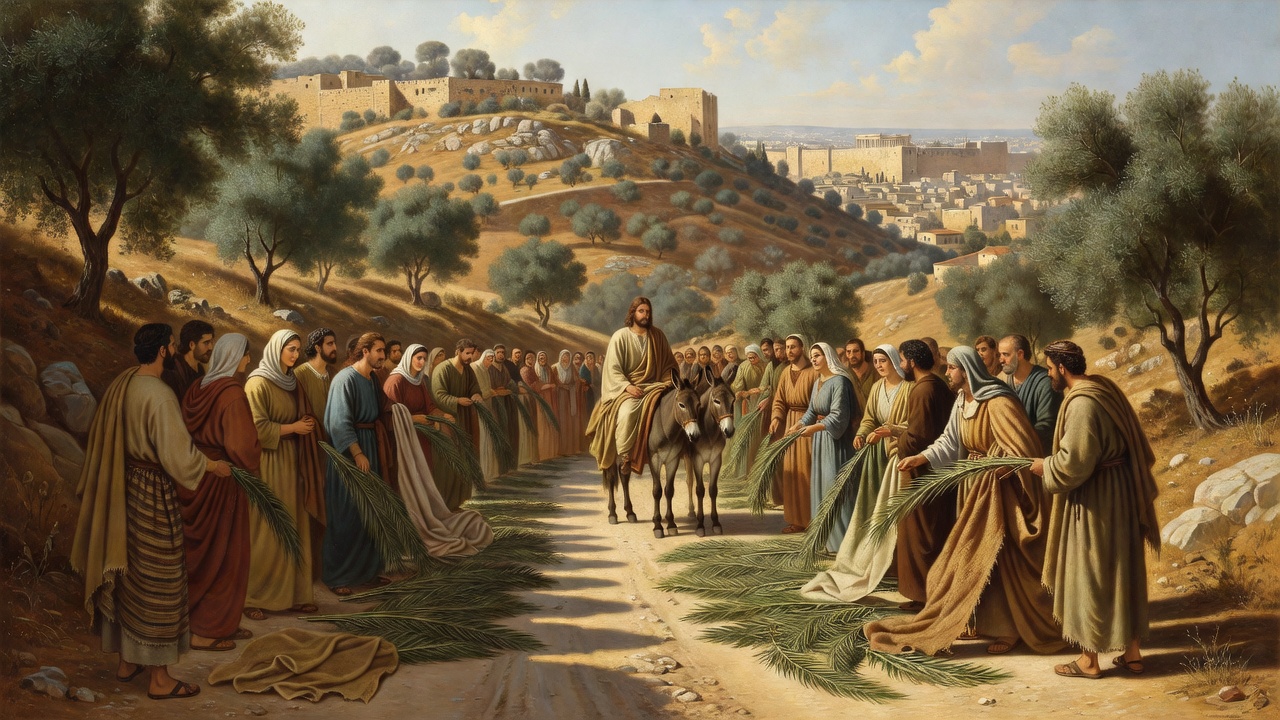
1Bu Jesus mak nawu ben-bukkang nuye bininj birri-wam darnkih kure kunred Jerusalem, bedda wanjh birri-woh-di kure kunred Bedbadji [Bethphage] kure mandulum kabolk-ngeyyo Olives. Wanjh kumekke Jesus ben‑munkeweng bene-bokenh nuye bininj nawu ben-bukkang. 2Kumekke wanjh ben-marneyimeng, “Ngune-ray kure kunrurrk‑wern, ngune-ngimen ba ngurrben-ngalke bokenh donkey kumekke kabene‑di ngalbadjan, yaw kabeneh‑dukkayindi. Wanjh ngurrben‑yerrkemen, ngurrben-ka kure ngayi. 3Bu yiman nangale ngun-djawan ngurrewoneng bu njale-kenh ngurrbenh-kan nawu donkeys, wanjh ngurrben-marneyimen nawu Kaworhna ka-djare berrewoneng. Werrk ngundi-won.
4Kune wanjh kurduyimerranj bu kunyungki kunwok kurrmeninj bu kamwam woybukki kure nakare Zechariah kure yimeng, 5“Ngurrben-marneyimen bininj kure kubolk-kimuk ‘Ngurri-na nawu Kaworhnan kamh-re kumekke kure ngudda. Nungka minj nabang, nungka nawu namak duninjh. Nungka kamh-re kam‑barndi kure ngalkerrnge donkey.”
6Wanjh nawu bininj nuye ben-bukkang bene-wam bene‑kurduyimeng kure nungka Jesus ben-marneyimeng berrewoneng. 7Wanjh bene-kang donkey yaw ngalengarre. Wanjh kumekke bene‑barrkbom berrewoneng kunmadj. Nungka Jesus djal‑barndi kure donkey. 8Kaluk birri-wern bininj birri-di bedda birri-madj-yerrkkerrinj nawu nakuyeng wanjh birri-kurrmeng kure manbolh. Nawu birri-buyika bininj birri-dulk-dadjdjeng birri-kang birri-kurrmeng kure manbolh. 9Wanjh birri-wern bininj birri-dokmeng nuye Jesus. Nawu birri‑buyika, birri-munkekadjung birri-kayhmeng birri-yimeng, “Mah. Karri‑yimen Hosanna! God bene-djarrk-wam namekke bininj nawu Beywurd nuye David! Nungka kamh-re kure kunngey nuye nawu Kaworhnan Rowk. Namekke wanjh God kabi‑marne-kurduyimen kunmak. Karri-yimen Hosanna God nawu Kaddum kah-ni.”
10Bu Jesus wam ngimeng kure kunred Jerusalem wanjh nawu bininj rowk kumekke birri-ni birri-kange-barrhmeng rowk, birri‑djawarrinj, “Nangale bininj kam-wam kadberre?” 11Wanjh birri-wern bininj bindi-wokmey birri-yimeng, “Nane wanjh Jesus nawu kunwok kam-kan nuye Ngabbard, nakang Nazareth kure kubolk-kimuk ka‑bolk‑ngeyyo Galilee, nakang kumekke-beh kam-wam.”
¿Sabías que…?
Jesús entra en Jerusalén
- Al acercarse a Jerusalén, Jesús y los discípulos llegaron a Betfagé, en el Monte de los Olivos, y desde allí él envió a dos discípulos a traer una asna y su pollino. Betfagé significa “casa del higo aún no maduro”; estaba en el camino de Jerusalén a Jericó, muy cerca de Betania, donde pasó la noche, y era el límite de una jornada de sábado desde la ciudad, 2.000 codos. El Monte de los Olivos debe su nombre a los olivos que cubren sus laderas y es una sierra al este de Jerusalén, separada de la ciudad por el valle del Cedrón.Fuentes: el propio texto bíblico · Bethphage · Mount of Olives
- El pasaje dice que la entrada cumplió lo que se había dicho por medio del profeta a la Hija de Sion: su rey vendría a ella manso, montado en un asno, en un pollino, cría de asna. Sion era el monte suroriental de Jerusalén; cuando David la tomó de los jebuseos, construyó allí una ciudadela y un palacio, y llegó a conocerse como la ciudad de David. Las multitudes que iban delante y las que lo seguían gritaban: “¡Hosanna al Hijo de David!”Fuentes: el propio texto bíblico · Zion
- Cuando Jesús entró en Jerusalén, toda la ciudad se conmovió y preguntó quién era; las multitudes respondieron que era Jesús, el profeta de Nazaret de Galilea. Nazaret no se menciona en el Antiguo Testamento y era el hogar de José y María. El Diccionario Bíblico de Easton (1897) dice que el nombre se entiende por lo general como forma griega de una palabra hebrea que significa “retoño” o “brote”, aunque algunos lo relacionan con el monte detrás del pueblo y con una palabra para quien guarda o vigila; Galilea significa “circuito” y se llamaba “Galilea de los gentiles”, y se distinguía la Alta Galilea de la Baja Galilea, más al sur.Fuentes: el propio texto bíblico · Nazareth · Galilee
Notas escritas con ayuda de IA a partir de fuentes abiertas (Theographic Bible Metadata, CC BY-SA 4.0; Easton’s Bible Dictionary, dominio público) y revisadas antes de publicarse.
Lugares de este capítulo
- Jerusalem · 31.777, 35.234 · versículos 1, 10, 18
- Mount of Olives · 31.778, 35.246 · versículo 1
- Zion · Hoy: Jerusalem · 31.777, 35.234 · versículo 5
- Galilee · 32.760, 35.527 · versículo 11
- Nazareth · 32.702, 35.298 · versículo 11
Solo aparecen lugares identificados con alta confianza (90 % o más según las fuentes académicas reunidas por OpenBible). Mapa de la época: DARE (Digital Atlas of the Roman Empire), CC BY 4.0; mapa actual: © colaboradores de OpenStreetMap; lugares: OpenBible.info (CC BY 4.0).
Créditos y licencia de esta traducción
Kuninjku Selections
Scripture portions in the Kuninjku language of Australia
copyright © 2021-2026 Wycliffe Bible Translators, Inc.
Language: Kuninjku (Kunwinjku)
This translation is made available to you under the terms of the
Creative Commons Attribution-Noncommercial-No Derivatives license 4.0.
You may share and redistribute this Bible translation or extracts from it in any format, provided that:
You include the above copyright and source information.
You do not sell this work for a profit.
You do not change any of the words or punctuation of the Scriptures.
Pictures included with Scriptures and other documents on this site are licensed just for use with those Scriptures and documents.
For other uses, please contact the respective copyright owners.
2026-09-09
Fuente: http://ebible.org/gupk/ · eBible.org