Hechos 27
Biblica® Se aɖeke mebla Biblia zazã o Agbenya La™ · Toca un versículo para ver sus referencias cruzadas.
Wokplɔ Paulo yi Roma
1Mlɔeba la, woɖoe be míadze mɔ ayi Italia kple tɔdziʋu. Wotsɔ Paulo kple gamenɔla bubu aɖewo de asi na Yulio si nye Kaisaro ƒe asrafowo ƒe amegã ɖeka be wòakplɔ wo ayii dedie. 2Míeɖo ʋu aɖe si tso Adramitio, eye wòyina tɔtɔ ge ɖe ʋudzeƒe geɖewo le Asia la hedze mɔ. Makedoniatɔ, Aristako si tso Tesalonika la hã nɔ ʋu la me kpli mí.
3Le ŋkeke evea gbe la, míeva ɖo Sidon. Asrafoawo ƒe amegã, Yulio nyo dɔ me na Paulo, ale be wòɖe mɔ nɛ wòɖi tsa de dua me ɖakpɔ xɔlɔ̃awo ɖa, eye wodi eƒe nu hiahiã aɖewo nɛ. 4Esi míegadze mɔ tso afi ma teti ko la, míedo abala to Kipro ƒukpo la ƒe anyiehe gome, elabena ya sesẽ aɖe ƒo va kpe mí. 5Míeto Kilikia kple Pamfilia ŋu, eye míeva ɖi go ɖe Mira le Likia nuto me. 6Le afi sia la, míaƒe kplɔla la kpɔ Egipte tɔdziʋu aɖe si tso Aleksandria yina Italia, eye míeɖoe. 7Míenɔ tsia dzi, eye míekpe fu ŋkeke geɖewo hafi va ɖo Knido gbɔ lɔƒo. Ya nɔ ƒoƒom sesĩe ale gbegbe be ɖeko míegbɔ eme to Salmone ʋudzeƒe la ŋu heyi Kreta. 8Míenɔ ahom gã sia me wònɔ fu ɖem na mí alea heto fugo la ŋu ɖɔɖɔɖɔ va ɖo teƒe aɖe si woyɔna be “Ʋudzeƒe Nyui” la. Teƒe sia te ɖe Lasea dua ŋu.
9Míenɔ afi sia ŋkeke geɖewo. Le ɣeyiɣi siawo me la, ƒudzimɔzɔzɔ yi didiƒewo menɔ bɔbɔe o, elabena ƒea wu enu vɔ, eye ɣeyiɣi sia mee ahom sesẽwo tuna le ƒu dzi. Paulo kpɔe dze sii alea, ale wòyɔ tɔdziʋua kulawo hegblɔ na wo be, 10“Amegãwo, edze nam abe ne míeyi míaƒe mɔzɔzɔ sia dzi fifia la, nya aɖe ava dzɔ ɖe mía dzi ene. Ɖewohĩ ʋua anyrɔ, eye míaƒe agbawo abu, amewo axɔ abi, eye ame aɖewo aku gɔ̃ hã.” 11Ke asrafowo, ame siwo ƒe kpɔkplɔ te gamenɔlawo nɔ la meɖo to Paulo o, ke boŋ wose tɔdziʋua kulawo ƒe amegã ƒe aɖaŋu boŋ. 12Eye esi wònye be Ʋudzeƒe Nyui sia hã menyo tututu be woanɔ le vuvɔŋɔli me o ta la, tɔdziʋua me nɔla geɖewo lɔ̃ ɖe edzi be yewoadze agbagba ayi ŋgɔ, aɖo Foenike be yewoatsi afi ma le vuvɔŋɔli la. Foenike si nye Kreta ƒe ʋudzeƒe la trɔ mo de dzigbemeɣetoɖoƒe kple anyigbemeɣetoɖoƒe.
Ahom tu le ƒu dzi
13Le ɣe ma ɣi me tututu la, ya aɖe nɔ ƒoƒom tso anyigbeme gome, eye wòdze abe enyo be míadze mɔ ene eya ta wodo abalawo, eye míedze mɔ henɔ go ŋu tom to Kreta ŋkume kekeake. 14Sẽe ko la, yame trɔ zi ɖeka, eye ahom sesẽ aɖe si woyɔna be “anyigbemeɣetoɖoƒeya” la ƒo kpe mí tso ƒukpo la dzi. 15Ahom la lɔ ʋu la ɖe nu, ale be ʋua kulawo ɖe asi le eŋu nɛ, eye wòkplɔ mí dzoe. 16Mlɔeba la, mieto ƒukpo sue aɖe si woyɔna be “Kauda” la godo, eye to agbagbadzedze geɖe me la, wote ŋu he tɔdziʋu sue si woti kae ɖe ʋu si míeɖo ŋu la, 17eye wobla tsɔdziʋu la sesĩe be wòagaʋã alo anɔ ʋuʋum o. Tɔdziʋua kulawo nɔ vɔvɔ̃m be míaƒe ʋua ava ɖo ba alo asi ke le Afrika ƒuta, eya ta woɖiɖi abalawo, ale ya kɔ mí ɖe nu heyii. 18Esi ŋu ke, eye ahom la nu ganɔ sesẽm ɖe edzi la, ʋua kulawo fɔ agbawo ƒu gbe ɖe ƒua me. 19Le ŋkeke etɔ̃a gbe la, wofɔ dɔwɔnu siwo katã le ʋua me la hã ƒu gbe ɖe ƒua me. 20Ahom la nu gasẽ ɖe edzi hena ŋkeke geɖewo, eye míete ŋu kpɔ ɣe alo ɣletiviwo le dziŋgɔli me gɔ̃ hã o. Esia na be míebu mɔkpɔkpɔ keŋkeŋ.
21Anɔ abe ŋkeke nanewo nye esi ene, ame aɖeke meɖu naneke o, ke mlɔeba la, Paulo yɔ ʋua me nɔlawo ƒo ƒu, eye wògblɔ na wo be, “Ɖe miese nye gbe, eye míetsi Kreta la, anye ne dzɔgbevɔ̃e sia mava mia dzi o. 22Ke milé dzi ɖe ƒo elabena togbɔ be tɔdziʋua anyrɔ hã la, mía dometɔ aɖeke mele tsɔtsrɔ̃ ge o. 23Elabena le zã si va yi me la, nye Mawu si mesubɔna la ɖo eƒe dɔla ɖe gbɔnye wòva gblɔ nam be, 24‘Paulo, mègavɔ̃ o, elabena àva ɖo Kaisaro gbɔ dedie be wòadrɔ̃ ʋɔnu wò. Gawu la, Mawu se wò gbedodoɖa, eya ta ame siwo katã le ʋua me kpli wò la atsi agbe’ 25Eya ta nɔvinyewo, milé dzi ɖe ƒo, elabena mexɔ Mawu dzi se nyuie eye menya be nu si wògblɔ la ava eme tututu. 26Ke ele na mí be míadze go ɖe ƒukpo aɖe dzi.”
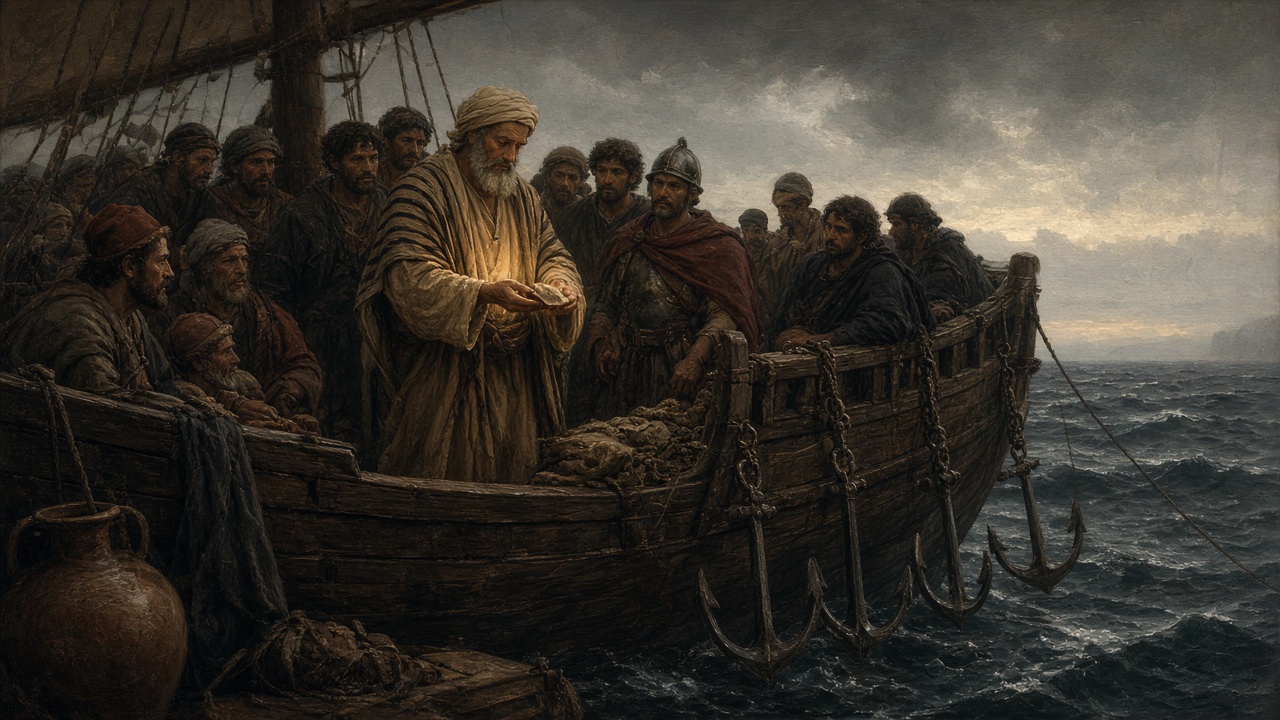
27Tɔdziʋu la ƒe gbagbã le míaƒe ƒudzinɔnɔ ƒe ŋkeke wuienelia ƒe zãtitina lɔƒo, esi ahom la ganɔ mía nyamam le Adria ƒu me la, ʋua kulawo bu xaa be yewote ɖe anyigba aɖe ŋu. 28Ale woda dzidzeka ɖe ƒua me, eye wokpɔ be tso ƒua dzi yi egɔme anɔ abe mita blaetɔ̃-vɔ-etɔ̃ ko ene. Sẽe la, wogadae eye azɔ la, wokpɔ be anɔ afɔ blaasiekɛ pɛ ko. 29Ʋua kulawo nya be madidi hafi míava ɖi go o, ke esi wonɔ vɔvɔ̃m be ɖewohĩ míava ɖi go ɖe agakpewo dome ta la, woda seke ene ɖe ʋua me hedo gbe ɖa na agu ƒe dzedze. 30Ʋua kula aɖewo wɔ ɖoɖo be yewoasi le tɔdziʋu la me ale woɖiɖi tɔdziʋu sue la ɖe tsia dzi abe seke da ge woyina ene. 31Ke Paulo gblɔ na asrafoawo kple woƒe amegã be, “Mía tɔwo, ne mia dometɔ aɖe dzo le tɔdziʋua me la, matsi agbe o.” 32Ale asrafoawo lã ka si wosa ɖe tɔdziʋu sue la ŋu be wòge dze tsia dzi.
33Le fɔŋli la, Paulo gblɔ na ameawo be, “Mía tɔwo, kɔsiɖa eve sɔŋ enye esi ame aɖeke meɖu naneke o 34eya ta meɖe kuku na mi, miɖe dzi ɖi ne miaɖu nu, elabena naneke mele dzɔdzɔ ge ɖe mía dometɔ aɖeke dzi o.” 35Azɔ Paulo ŋutɔ tsɔ abolo aɖe, eye esi wòdo gbe ɖa, da akpe na Mawu ɖe eta vɔ la, eka ɖe heɖu. 36Nu sia do ŋusẽ ʋua me nɔlawo katã, ale be ame sia ame di nane de nu me azɔ. 37Ʋua me nɔlawo katã ƒe xexlẽme anɔ ame alafa eve blaadre-vɔ-ade (276). 38Esi woɖu nu ɖi ƒo vɔ la, wolɔ bli kotoku mamlɛawo katã ƒu gbe ɖe ƒua me be ʋua nanɔ wodzoe ale be wòaganyrɔ o.
39Esi ŋu ke la, womekpɔ anyigba dze si o, elabena afu do, gake wokpɔ ƒuta ƒe afi aɖe ɖaa. Esia na be wonɔ ta me bum be ne yewoate ŋui la ne yewoatrɔ ʋu la ayi afi ma. 40Mlɔeba la, woɖoe be yewoatee akpɔ, ale wolã sekeawo hegblẽ wo ɖe ƒua me, wotu kuɖɔkawo hã, eye wodo abala heɖo ta gota. 41Ke dzɔgbevɔ̃etɔe la, tɔdziʋu la si ke. Eƒe ŋgɔgbe lɔƒo tsi teƒe ɖeka, ale be ahom la hã nɔ eƒe megbe lɔƒo kakam.
42Esi wòdzɔ alea ko la, asrafoawo gblɔ na woƒe amegã be wòaɖe mɔ na yewo yewoawu gamemɔlawo katã, ale be wo dometɔ aɖeke nagadzo dze ƒua me, aƒu tsi asi dzo le yewo gbɔ o. 43Ke le esi woƒe amegã, Yulio di be yeaɖe Paulo ƒe agbe ta la, melɔ̃ ɖe woƒe susu si wodo ɖa la dzi o. Ke boŋ eɖe gbe be ame siwo nya tsiƒuƒu la nadze agbagba aƒu tsi ayi gota. 44Ke ame mamlɛawo dometɔ aɖewo nanɔ ʋuƒowo dzi, eye bubuwo hã nanɔ ʋua ƒe kakɛwo dzi ayi gota. Ale ame sia ame dze agbagba alea ɖo gota dedie.
¿Sabías que…?
Tormenta y naufragio camino a Roma
- Pablo y los demás prisioneros no navegaron directo a Italia. En Cesarea abordaron un barco de Adramitio, ciudad de la costa de Misia, en Asia Menor, con rumbo a puertos a lo largo de la costa de Asia, nombre que el Easton's Bible Dictionary entiende en este versículo probablemente como Asia Menor, y ese barco los llevó solo hasta Mira, en Licia. Allí el centurión los hizo subir a un barco alejandrino que navegaba hacia Italia; el diccionario señala que era raro que un barco zarpara de cualquier puerto de Palestina directo a Italia.Fuentes: Adramyttium · Asia · el propio texto bíblico
- Los prisioneros fueron entregados a Julio, centurión del Regimiento Imperial. El Easton's Bible Dictionary lo identifica como centurión de la cohorte Augusta, o de la guardia personal del emperador, y describe el trato cortés que tuvo con Pablo. En Sidón, a unas veinticinco millas al norte de Tiro, le permitió visitar a sus amigos y recibir atención; más tarde impidió el plan de los soldados de matar a los prisioneros, para que se salvara la vida de Pablo.Fuentes: Julius · Sidon · el propio texto bíblico
- Después de Gnido, el barco avanzó a lo largo de Creta, una de las islas más grandes del Mediterráneo, de unas 140 millas de largo y 35 de ancho, que Pablo visitó en este viaje a Roma. El relato dice que el viaje ya se había vuelto peligroso porque era después del Ayuno, y que Buenos Puertos no era adecuado para invernar. Una cronología fecha el inicio del viaje a Roma en el año 56 d.C. y el naufragio en la tormenta en el 57 d.C.Fuentes: Crete · Journey to Rome begins · Paul is shipwrecked by a storm · el propio texto bíblico
Notas escritas con ayuda de IA a partir de fuentes abiertas (Theographic Bible Metadata, CC BY-SA 4.0; Easton’s Bible Dictionary, dominio público) y revisadas antes de publicarse.
Lugares de este capítulo
- Italy · 41.892, 12.485 · versículos 1, 6
- Adramyttium · Hoy: Oren · 39.501, 26.933 · versículo 2
- Asia · 38.400, 28.300 · versículo 2
- Thessalonica · Hoy: Thessaloniki · 40.638, 22.946 · versículo 2
- Sidon · Hoy: Sandikli archaeological site in Sidon · 33.561, 35.372 · versículo 3
- Cyprus · 35.000, 33.000 · versículo 4
- Cilicia · 36.913, 34.892 · versículo 5
- Lycia · 36.733, 29.900 · versículo 5
- Myra · 36.259, 29.985 · versículo 5
- Pamphylia · 37.000, 31.000 · versículo 5
- Alexandria · 31.183, 29.896 · versículo 6
- Cnidus · 36.686, 27.375 · versículo 7
- Crete · 35.310, 24.893 · versículos 7, 8, 12, 13, 14, 21
- Salmone · Hoy: Cape Sideros · 35.316, 26.312 · versículo 7
- Fair Havens · Hoy: Kaloi Limenes · 34.930, 24.800 · versículos 8, 12
- Lasea · Hoy: Lasaea · 34.941, 24.811 · versículo 8
- Cauda · Hoy: Gavdos · 34.833, 24.083 · versículo 16
- Syrtis · Hoy: Sidra · 31.500, 18.000 · versículo 17
- Adriatic Sea · Hoy: Adriatic and Ionian Seas · 38.000, 19.000 · versículo 27
Solo aparecen lugares identificados con alta confianza (90 % o más según las fuentes académicas reunidas por OpenBible). Mapa de la época: DARE (Digital Atlas of the Roman Empire), CC BY 4.0; mapa actual: © colaboradores de OpenStreetMap; lugares: OpenBible.info (CC BY 4.0).
Créditos y licencia de esta traducción
Biblica® Se aɖeke mebla Biblia zazã o Agbenya La™ Éwé: Biblica® Se aɖeke mebla Biblia zazã o Agbenya La™ (Bible) of Ghana copyright © 1988, 2006, 2020 Biblica, Inc. Language: eʋegbe Contributor: Biblica, Inc. Dɔwɔƒe si na wò asi ka agbalẽ sia lae nye Creative Commons Attribution-ShareAlike 4.0 International License (CC BY-SA). Ne èdi be yeakpɔ laisensi alo mɔɖegbalẽ sia la, yi ɖe http://creativecommons.org/licenses/by-sa/4.0 alo ŋlɔ agbalẽ na Creative Commons Dɔwɔƒea to adrɛsi sia dzi: Creative Commons, PO Box 1866, Mountain View, CA 94042, USA. Biblica, Inc. na wode Biblica® kple eƒe dzesidenu agbalẽ me, eye woaŋlɔ agbalẽ axɔ mɔɖeɖe tso Biblica, Inc. gbɔ hafi woawɔ Biblica® ƒe dzesidenu la ŋu dɔ. Le CC BY-SA ƒe mɔɖeɖe ƒe sewo nu la, àte ŋu azã agbalẽ sia me nyawo le dɔ bubuwo wɔwɔ me gake ele be nàde dzesi Biblica ƒe dzesidenu la abe ale si wòle ene. Ne ètrɔ asi le agbalẽ sia ŋu alo zãe le mɔ bubu nu la, ele be nàɖe Biblica® ƒe dzesidenu la ɖa. Ele be nàde dzesi tɔtrɔ siwo nèwɔ la ɖe agbalẽ la me eye nàde dzesii be: “Àte ŋu akpɔ Biblica, Inc. ƒe dɔ gbãtɔ le www.biblica.com kple open.bible femaxee.” Ele be nutɔnyenye ƒe dzeside nadze le agbalẽ la ƒe axa si tanya alo nutɔnyenye ƒe dzesi nɔna la ale: Biblica® Se aɖeke mebla Biblia zazã o Agbenya La™ Nutɔnyenye © 1988, 2006, 2020 Biblica, Inc. Biblica® Open Ewe Contemporary Scriptures™ Copyright © 1988, 2006, 2020 by Biblica, Inc. Biblica, Inc. na Dɔwɔƒe si Kpɔa Nutɔnyenye kple Adzɔdodo ƒe Nyawo dzi le Amerika la de “Biblica” kple eƒe dzesidenu agbalẽ me. Woaxɔ mɔɖeɖe na ezazã. “Biblica” is a trademark registered in the United States Patent and Trademark Office by Biblica, Inc. Used with permission. Ele be nàna míaƒe asi naka wò agbalẽ la le laisensi alo mɔɖeɖe ƒe se (CC BY-SA) sia nu. Ne èdi be yeana nyanya Biblica, Inc. tso agbalẽ sia zazã ŋu la, anyo be nàdo ta ɖe mía gbɔ le https://open.bible/contact-us. This work is made available under the Creative Commons Attribution-ShareAlike 4.0 International License (CC BY-SA). To view a copy of this license, visit http://creativecommons.org/licenses/by-sa/4.0 or send a letter to Creative Commons, PO Box 1866, Mountain View, CA 94042, USA. Biblica® is a trademark registered by Biblica, Inc., and use of the Biblica® trademark requires the written permission of Biblica, Inc. Under the terms of the CC BY-SA license, you may copy and redistribute this unmodified work as long as you keep the Biblica® trademark intact. If you modify a copy or translate this work, thereby creating a derivative work, you must remove the Biblica® trademark. On the derivative work, you must indicate what changes you have made and attribute the work as follows: “The original work by Biblica, Inc. is available for free at www.biblica.com and open.bible.” Notice of copyright must appear on the title or copyright page of the work as follows: Biblica® Se aɖeke mebla Biblia zazã o Agbenya La™ Nutɔnyenye © 1988, 2006, 2020 Biblica, Inc. Biblica® Open Ewe Contemporary Scriptures™ Copyright © 1988, 2006, 2020 by Biblica, Inc. Biblica, Inc. na Dɔwɔƒe si Kpɔa Nutɔnyenye kple Adzɔdodo ƒe Nyawo dzi le Amerika la de “Biblica” kple eƒe dzesidenu agbalẽ me. Woaxɔ mɔɖeɖe na ezazã. “Biblica” is a trademark registered in the United States Patent and Trademark Office by Biblica, Inc. Used with permission. You must also make your derivative work available under the same license (CC BY-SA). If you would like to notify Biblica, Inc. regarding your translation of this work, please contact us at https://open.bible/contact-us. This translation is made available to you under the terms of the Creative Commons Attribution Share-Alike license 4.0. You have permission to share and redistribute this Bible translation in any format and to make reasonable revisions and adaptations of this translation, provided that: You include the above copyright and source information. If you make any changes to the text, you must indicate that you did so in a way that makes it clear that the original licensor is not necessarily endorsing your changes. If you redistribute this text, you must distribute your contributions under the same license as the original. Pictures included with Scriptures and other documents on this site are licensed just for use with those Scriptures and documents. For other uses, please contact the respective copyright owners. Note that in addition to the rules above, revising and adapting God's Word involves a great responsibility to be true to God's Word. See Revelation 22:18-19. 2025-05-01
Fuente: http://ebible.org/ewe/ · eBible.org