Salmos 32
Berean Standard Bible · Toca un versículo para ver sus referencias cruzadas.
The Joy of Forgiveness
Of David. A Maskil.
1Blessed is he whose transgressions are forgiven,
whose sins are covered.
2Blessed is the man
whose iniquity the LORD does not count against him,
in whose spirit there is no deceit.
3When I kept silent, my bones became brittle
from my groaning all day long.
4For day and night
Your hand was heavy upon me;
my strength was drained
as in the summer heat.
Selah
5Then I acknowledged my sin to You
and did not hide my iniquity.
I said, “I will confess my transgressions to the LORD,”
and You forgave the guilt of my sin.
Selah
6Therefore let all the godly pray to You
while You may be found.
Surely when great waters rise,
they will not come near.
7You are my hiding place.
You protect me from trouble;
You surround me with songs of deliverance.
Selah
8I will instruct you and teach you the way you should go;
I will give you counsel and watch over you.
9Do not be like the horse or mule,
which have no understanding;
they must be controlled with bit and bridle
to make them come to you.
10Many are the sorrows of the wicked,
but loving devotion surrounds him who trusts in the LORD.
11Be glad in the LORD and rejoice, O righteous ones;
shout for joy, all you upright in heart.
¿Sabías que…?
El Gozo del Perdón y la Guía
- El salmo comienza con un título que lo identifica como un Masquil de David, término tradicionalmente asociado a un poema instructivo o de reflexión, que aborda el contraste entre la angustia del pecado oculto y la bendición del perdón.Fuentes: el propio texto bíblico
- El término hebreo Selah aparece tres veces en este salmo (versículos 4, 5 y 7), interpretado comúnmente como una pausa musical o un momento de meditación durante la recitación del texto.Fuentes: el propio texto bíblico
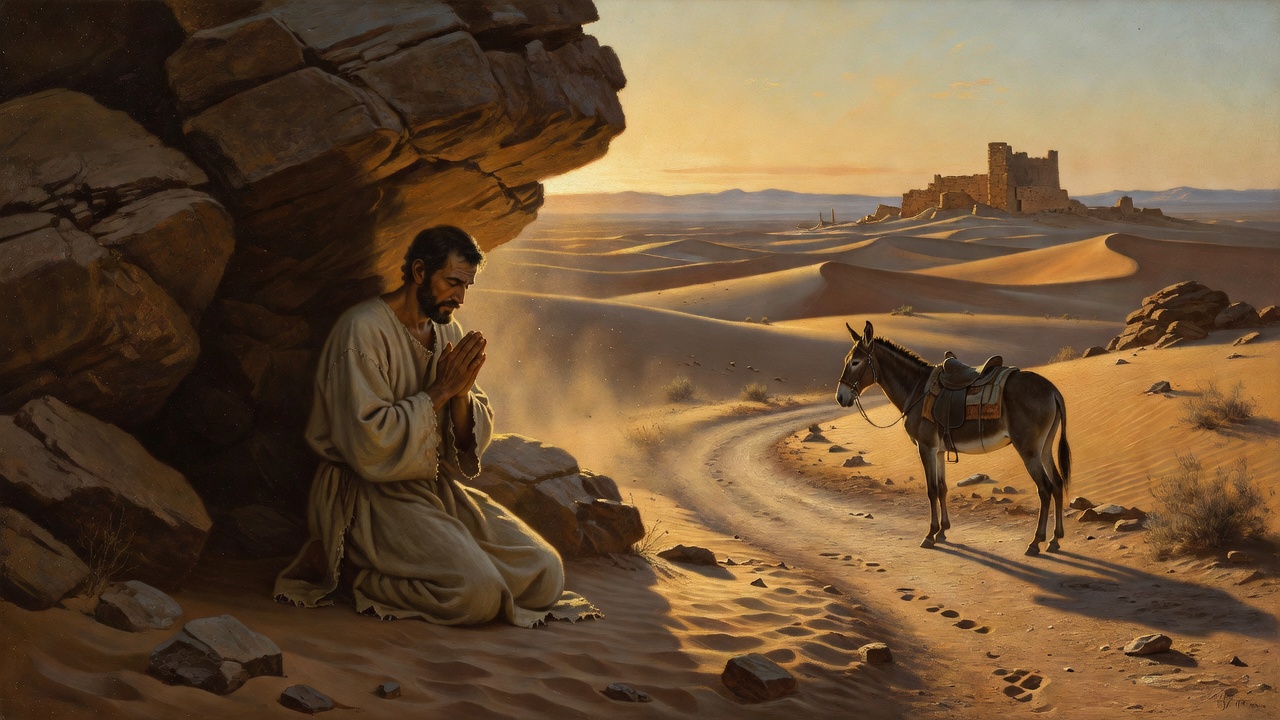
- El salmo recurre a la imagen de animales de trabajo, contrastando a quien sigue voluntariamente el consejo divino con caballos o mulos tercos que necesitan freno y brida para ser dirigidos.Fuentes: el propio texto bíblico
Notas escritas con ayuda de IA a partir de fuentes abiertas (Theographic Bible Metadata, CC BY-SA 4.0; Easton’s Bible Dictionary, dominio público) y revisadas antes de publicarse.
Créditos y licencia de esta traducción
Berean Standard Bible
The Holy Bible in English: Berean Standard Bible
Public Domain
Language: English
Contributor: BSB Publishing, LLC
2026-10-02
Fuente: http://ebible.org/engbsb/ · eBible.org