Nahúm 1
Berean Standard Bible · Toca un versículo para ver sus referencias cruzadas.
Acerca de este libro
Sobre Nahúm
- El diccionario de Easton presenta este libro como la profecía de Nahúm. Su lugar de nacimiento es Elcós (Nahúm 1:1); el artículo sobre Elcós dice que probablemente estaba en Galilea, aunque no se sabe nada definitivo del sitio.Fuentes: Easton: Nahum, Book of · Elkosh
- La fecha es discutida. El diccionario de Easton (1897) señala que algunos sitúan la profecía de Nahúm al comienzo del reinado de Acaz (743 a. C.), mientras que otros la refieren a la segunda mitad del reinado de Ezequías (hacia 709 a. C.). Easton considera más probable la fecha posterior, por evidencias internas, y piensa que el libro se escribió probablemente en Jerusalén poco después del 709 a. C., después de que Nahúm presenciara la invasión de Senaquerib y la destrucción de su ejército.Fuentes: Easton: Nahum, Book of
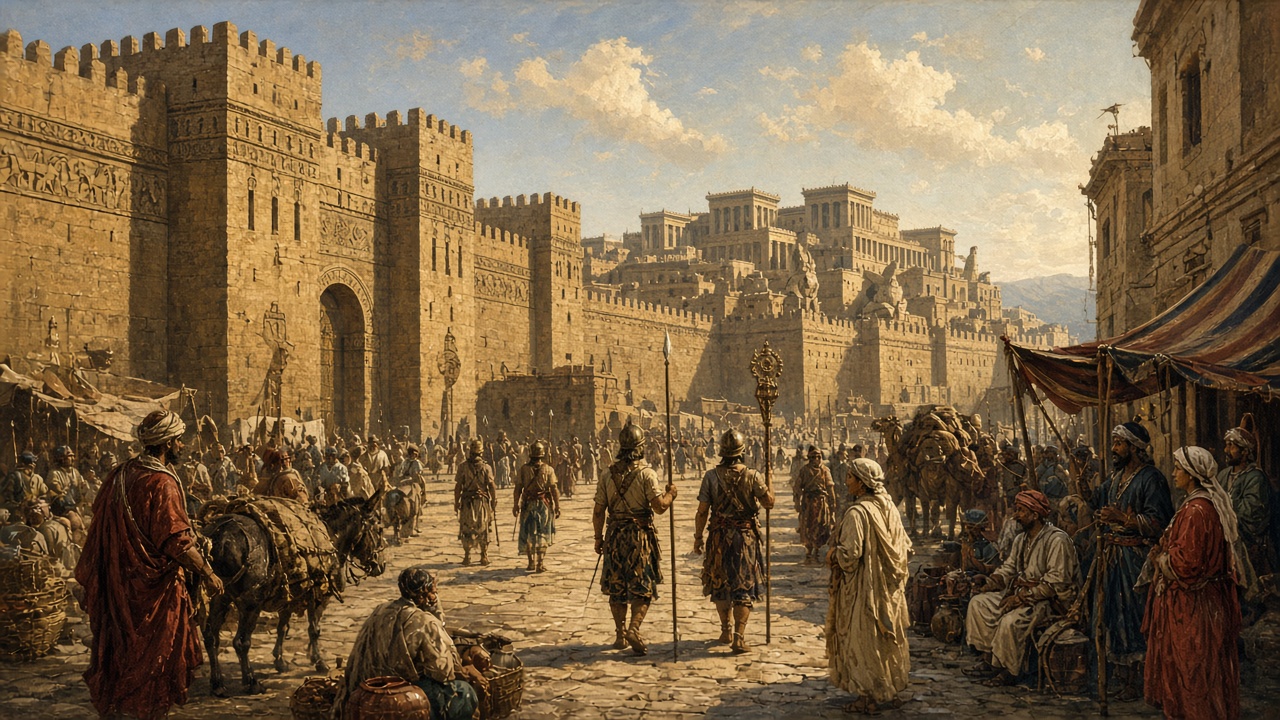
- Nínive se menciona por primera vez en Génesis 10:11, que la Revised Version vierte como Nimrod yendo a Asiria y edificando la ciudad; no vuelve a aparecer hasta los días de Jonás, cuando era una capital grande y populosa. Al describir el escenario de la profecía, Easton dice que Assur-bani-pal estaba en el apogeo de su gloria y que la vasta y fuertemente fortificada Nínive, centro de la civilización y del comercio del mundo, sería destruida por completo por la maldad de sus habitantes.Fuentes: Nineveh · Easton: Nahum, Book of
- Easton cita Nahúm 3:1, que llama a Nínive ciudad sanguinaria, toda llena de mentiras y de robo, pues había saqueado a las naciones vecinas. El artículo sobre Nínive dice que el libro se ocupa casi exclusivamente de denuncias proféticas contra la ciudad y anuncia su ruina y desolación total. Jonás ya había dado una advertencia, y a Nahúm lo siguió Sofonías, que también predijo la destrucción de la ciudad.Fuentes: Easton: Nahum, Book of · Nineveh
- El diccionario de Easton (1897) fecha la caída de Nínive en 625 a. C., cuando la ciudad fue destruida al parecer por el fuego y el imperio asirio llegó a su fin, un acontecimiento que, según el diccionario, cambió la faz de Asia.Fuentes: Easton: Nahum, Book of
Notas escritas con ayuda de IA a partir de fuentes abiertas (Theographic Bible Metadata, CC BY-SA 4.0; Easton’s Bible Dictionary, dominio público) y revisadas antes de publicarse.
The Burden against Nineveh
1This is the burden against Nineveh, the book of the vision of Nahum the Elkoshite:
2The LORD is a jealous and avenging God;
the LORD is avenging and full of wrath.
The LORD takes vengeance on His foes
and reserves wrath for His enemies.
3The LORD is slow to anger
and great in power;
the LORD will by no means
leave the guilty unpunished.
His path is in the whirlwind and storm,
and clouds are the dust beneath His feet.
4He rebukes the sea and dries it up;
He makes all the rivers run dry.
Bashan and Carmel wither,
and the flower of Lebanon wilts.
5The mountains quake before Him,
and the hills melt away;
the earth trembles at His presence—
the world and all its dwellers.
6Who can withstand His indignation?
Who can endure His burning anger?
His wrath is poured out like fire;
even rocks are shattered before Him.
7The LORD is good,
a stronghold in the day of distress;
He cares for those who trust in Him.
8But with an overwhelming flood
He will make an end of Nineveh
and pursue His enemies into darkness.
9Whatever you plot against the LORD,
He will bring to an end.
Affliction will not rise up
a second time.
10For they will be entangled as with thorns
and consumed like the drink of a drunkard—
like stubble that is fully dry.
11From you, O Nineveh, comes forth
a plotter of evil against the LORD,
a counselor of wickedness.
12This is what the LORD says:
“Though they are allied and numerous,
yet they will be cut down and pass away.
Though I have afflicted you, O Judah,
I will afflict you no longer.
13For I will now break their yoke from your neck
and tear away your shackles.”
14The LORD has issued a command concerning you, O Nineveh:
“There will be no descendants
to carry on your name.
I will cut off the carved image and cast idol
from the house of your gods;
I will prepare your grave,
for you are contemptible.”
15Look to the mountains—
the feet of one who brings good news,
who proclaims peace!
Celebrate your feasts, O Judah;
fulfill your vows.
For the wicked will never again march through you;
they will be utterly cut off.
¿Sabías que…?
El Juicio Divino y la Caída de Nínive
- Nahúm es presentado como elcosita, en referencia a su lugar de origen, Elcos. Aunque probablemente estaba situada en Galilea, su ubicación precisa sigue siendo desconocida.Fuentes: Elkosh · el propio texto bíblico
- El capítulo comienza como un oráculo contra Nínive, la floreciente capital del Imperio Asirio. Nahúm predice la ruina total de la ciudad y de sus ídolos, anunciando que Dios romperá el yugo opresor asirio sobre Judá.Fuentes: Nineveh · el propio texto bíblico
- Para retratar la majestad divina y su dominio sobre la naturaleza, el texto describe cómo se marchitan Basán, el Carmelo y las imponentes alturas del Líbano, regiones célebres en el mundo bíblico por su fertilidad y vegetación.Fuentes: Bashan · Carmel · Lebanon · el propio texto bíblico
Notas escritas con ayuda de IA a partir de fuentes abiertas (Theographic Bible Metadata, CC BY-SA 4.0; Easton’s Bible Dictionary, dominio público) y revisadas antes de publicarse.
Lugares de este capítulo
- Nineveh · 36.359, 43.153 · versículos 1, 8, 11, 14
- Bashan · 32.781, 35.935 · versículo 4
- Lebanon · 33.540, 35.584 · versículo 4
- Mount Carmel · 32.672, 35.023 · versículo 4
- Assyria · 36.359, 43.153 · versículo 13
Solo aparecen lugares identificados con alta confianza (90 % o más según las fuentes académicas reunidas por OpenBible). Mapa de la época: DARE (Digital Atlas of the Roman Empire), CC BY 4.0; mapa actual: © colaboradores de OpenStreetMap; lugares: OpenBible.info (CC BY 4.0).
Créditos y licencia de esta traducción
Berean Standard Bible
The Holy Bible in English: Berean Standard Bible
Public Domain
Language: English
Contributor: BSB Publishing, LLC
2026-10-02
Fuente: http://ebible.org/engbsb/ · eBible.org