Job 1
Berean Standard Bible · Toca un versículo para ver sus referencias cruzadas.
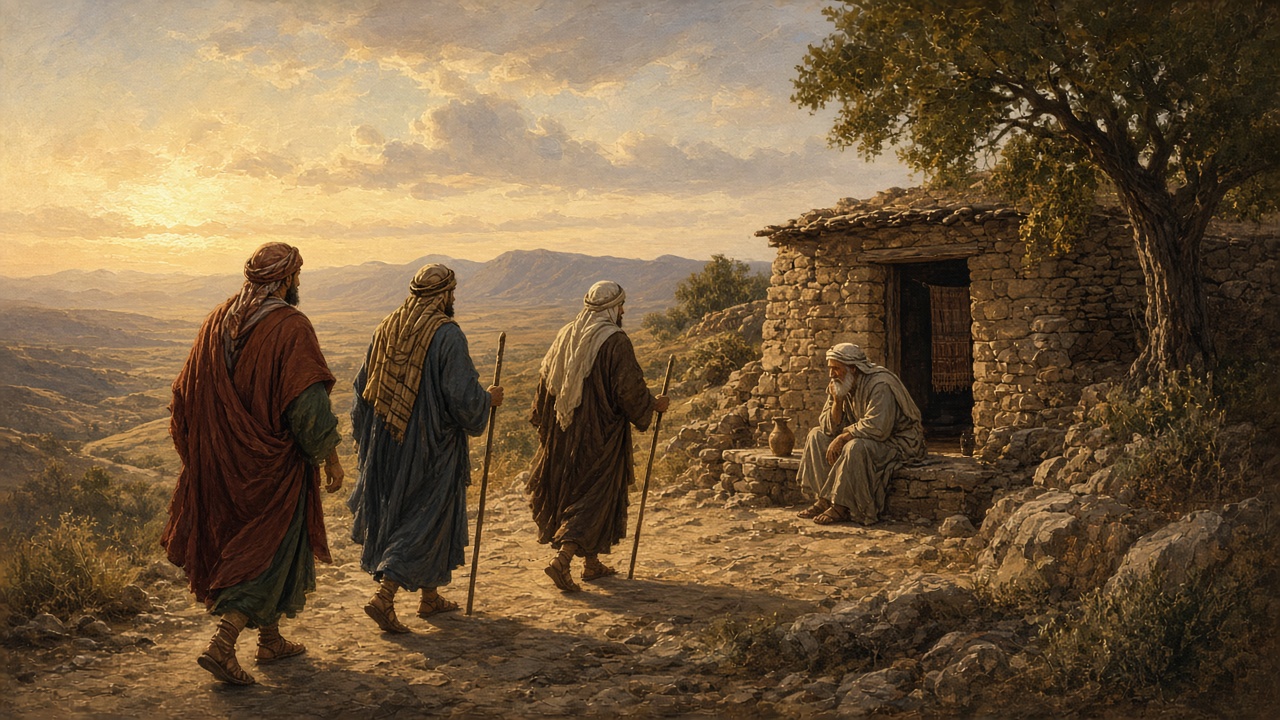
Acerca de este libro
Acerca de Job
- El Easton's Bible Dictionary (1897) considera del todo incierta la autoría de Job, pese a las muchas propuestas. Algunos sitúan el libro en tiempos de David y Salomón, por semejanzas con los Salmos y Proverbios y por su interés en la sabiduría; otros lo han atribuido al propio Job, a Eliú, a Isaías o a Moisés, que pudo haber conocido la historia en Madián. Easton señala además que el libro ya era aparentemente bien conocido en días de Ezequiel, fecha que él sitúa en el año 600 a. C.Fuentes: Easton: Job, Book of
- Job aparece como un patriarca árabe que vivía en la tierra de Uz, que Easton ubica probablemente al este o al sureste de Palestina y al norte de Edom. Uz se menciona en la Escritura solo en Job, Jeremías y Lamentaciones.Fuentes: Job · Uz
- Easton describe el libro como un poema histórico y una narración didáctica en forma dramática. La prosa lo enmarca (capítulos 1–2 y 42:7–15); entre esas partes, la poesía recoge el lamento de Job, tres rondas de debate con sus amigos, los discursos de Eliú, un discurso de Jehová y la confesión de Job.Fuentes: Easton: Job, Book of
- El tema, tal como lo formula Easton, es la prueba de Job: su ocasión, su naturaleza, cómo la soportó y cómo terminó. En medio de gran prosperidad, fue abrumado de pronto por duras pruebas, pero se dice que mantuvo su integridad; después recibió una prosperidad aún mayor y vivió otros 140 años.Fuentes: Easton: Job, Book of · Job
- Entre quienes acuden a él están Bildad el suhita, a quien Easton vincula con Súa, en Arabia, y Zofar el naamatita, a quien la Septuaginta llama rey de los mineos, en el sur de Arabia. Terminado el debate, Eliú, hijo de Baraquel el buzita, aparece por primera vez y expone su parecer. En las escenas iniciales, la figura llamada Satanás lleva el artículo hebreo, de modo que el nombre significa el adversario o acusador.Fuentes: Bildad · Zophar · Elihu · Satan
Notas escritas con ayuda de IA a partir de fuentes abiertas (Theographic Bible Metadata, CC BY-SA 4.0; Easton’s Bible Dictionary, dominio público) y revisadas antes de publicarse.
Job’s Character and Wealth
1There was a man in the land of Uz whose name was Job. And this man was blameless and upright, fearing God and shunning evil. 2He had seven sons and three daughters, 3and he owned 7,000 sheep, 3,000 camels, 500 yoke of oxen, 500 female donkeys, and a very large number of servants. Job was the greatest man of all the people of the East.
4Job’s sons would take turns holding feasts in their homes, and they would invite their three sisters to eat and drink with them.
5And when the days of feasting were over, Job would send for his children to purify them, rising early in the morning to offer burnt offerings for all of them. For Job thought, “Perhaps my children have sinned and cursed God in their hearts.” This was Job’s regular practice.
Satan’s First Attack
6One day the sons of God came to present themselves before the LORD, and Satan also came with them.
7“Where have you come from?” said the LORD to Satan.
“From roaming through the earth,” he replied, “and walking back and forth in it.”
8Then the LORD said to Satan, “Have you considered My servant Job? For there is no one on earth like him, a man who is blameless and upright, who fears God and shuns evil.”
9Satan answered the LORD, “Does Job fear God for nothing? 10Have You not placed a hedge on every side around him and his household and all that he owns? You have blessed the work of his hands, and his possessions have increased in the land. 11But stretch out Your hand and strike all that he has, and he will surely curse You to Your face.”
12“Very well,” said the LORD to Satan. “Everything he has is in your hands, but you must not lay a hand on the man himself.”
Then Satan went out from the presence of the LORD.
Job Loses His Children and Possessions
13One day, while Job’s sons and daughters were eating and drinking wine in their oldest brother’s house, 14a messenger came and reported to Job: “While the oxen were plowing and the donkeys were grazing nearby, 15the Sabeans swooped down and took them away. They put the servants to the sword, and I alone have escaped to tell you!”
16While he was still speaking, another messenger came and reported: “The fire of God fell from heaven. It burned and consumed the sheep and the servants, and I alone have escaped to tell you!”
17While he was still speaking, another messenger came and reported: “The Chaldeans formed three bands, raided the camels, and took them away. They put the servants to the sword, and I alone have escaped to tell you!”
18While he was still speaking, another messenger came and reported: “Your sons and daughters were eating and drinking wine in their oldest brother’s house, 19when suddenly a mighty wind swept in from the desert and struck the four corners of the house. It collapsed on the young people and they are dead, and I alone have escaped to tell you!”
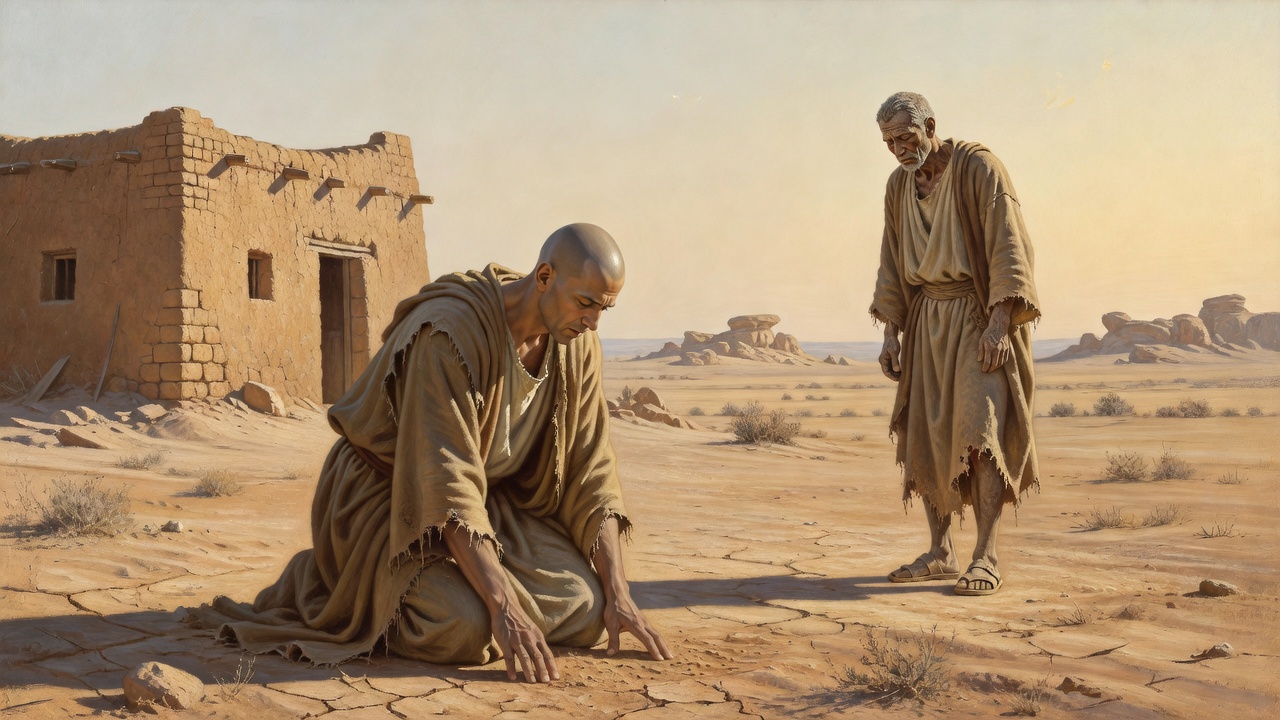
20Then Job stood up, tore his robe, and shaved his head. He fell to the ground and worshiped, 21saying:
“Naked I came from my mother’s womb,
and naked I will return.
The LORD gave, and the LORD has taken away.
Blessed be the name of the LORD.”
22In all this, Job did not sin or charge God with wrongdoing.
¿Sabías que…?
La Integridad de Job y la Primera Prueba
- La tierra de Uz, donde habitaba Job, se encontraba al este o sureste de Palestina y al norte de Edom. En el texto bíblico, se presenta a Job como el hombre más importante de todos los pueblos del oriente, dueño de grandes rebaños de ovejas, camellos, bueyes y asnas.Fuentes: Uz · Job · el propio texto bíblico
- En el texto hebreo de Job 1, el término Satanás lleva el artículo definido, que significa el adversario o el acusador. Ante la asamblea celestial, este cuestiona la rectitud de Job afirmando que su devoción se debe únicamente a la protección y prosperidad que Dios le otorgaba.Fuentes: Satan · el propio texto bíblico
- Job ejercía funciones sacerdotales en su hogar, madrugando para ofrecer holocaustos por cada uno de sus hijos por si habían pecado en su corazón. Tras recibir las trágicas noticias sobre la pérdida de sus rebaños y la muerte de sus hijos, Job respondió rasgando su manto y adorando a Dios con humildad.Fuentes: Job · el propio texto bíblico
Notas escritas con ayuda de IA a partir de fuentes abiertas (Theographic Bible Metadata, CC BY-SA 4.0; Easton’s Bible Dictionary, dominio público) y revisadas antes de publicarse.
Lugares de este capítulo
- East · Hoy: region around Amman · 31.955, 35.934 · versículo 3
- Chaldea · 30.962, 46.104 · versículo 17
Solo aparecen lugares identificados con alta confianza (90 % o más según las fuentes académicas reunidas por OpenBible). Mapa de la época: DARE (Digital Atlas of the Roman Empire), CC BY 4.0; mapa actual: © colaboradores de OpenStreetMap; lugares: OpenBible.info (CC BY 4.0).
Créditos y licencia de esta traducción
Berean Standard Bible
The Holy Bible in English: Berean Standard Bible
Public Domain
Language: English
Contributor: BSB Publishing, LLC
2026-10-02
Fuente: http://ebible.org/engbsb/ · eBible.org