Isaías 1
Berean Standard Bible · Toca un versículo para ver sus referencias cruzadas.
Acerca de este libro
Acerca de Isaías
- El Easton's Bible Dictionary (1897) atribuye el libro a Isaías, hijo de Amoz, y fecha su ministerio desde el 762 a. C., el cuarto año antes de la muerte de Uzías, hasta el 698 a. C., el último año de Ezequías, sesenta y cuatro años bajo Uzías, Jotam, Acaz y Ezequías, y dice que pudo haber sobrevivido a Ezequías. Algunos críticos, según una teoría que Easton remonta a Koppe, asignan los capítulos 40-66 a un "deutero-Isaías" posterior, cerca del fin del cautiverio babilónico, y otros pasajes a más profetas desconocidos; Easton señala que la Septuaginta (hacia el 250 a. C.) atribuye todo el libro a Isaías, y que el Nuevo Testamento cita pasajes disputados como palabras suyas.Fuentes: Easton: Isaiah, The Book of · Isaiah
- Estas profecías fueron pronunciadas durante los reinados de reyes de Judá, con Asiria como enemiga a la vista en la parte anterior del libro y Babilonia en la parte posterior. Isaías ministró bajo Acaz, quien apeló a Tiglat-pileser de Asiria contra Rezín, rey de Damasco, y Peka, rey de Israel, y bajo Ezequías, hijo de Acaz. El diccionario de Easton dice que Ezequías reinó veintinueve años (726-697 a. C.) y se propuso abolir la idolatría en Judá; parte de su reinado se narra en Isaías 36-39.Fuentes: Easton: Isaiah, The Book of · Ahaz · Hezekiah
- Easton divide el libro en tres partes principales: los capítulos 1-35, casi enteramente proféticos, con Asiria como enemiga de Israel y el Mesías presentado como gobernante y rey poderoso; los capítulos 36-39, relatos históricos del tiempo de Ezequías; y los capítulos 40-66, proféticos, con Babilonia como enemiga y el Mesías descrito como víctima sufriente, manso y humilde. También agrupa las profecías por reinado: Uzías (capítulos 1-5), Jotam (6), Acaz (7 hasta 14:28), la primera mitad del reinado de Ezequías (14:28-35) y la segunda mitad (36-66).Fuentes: Easton: Isaiah, The Book of
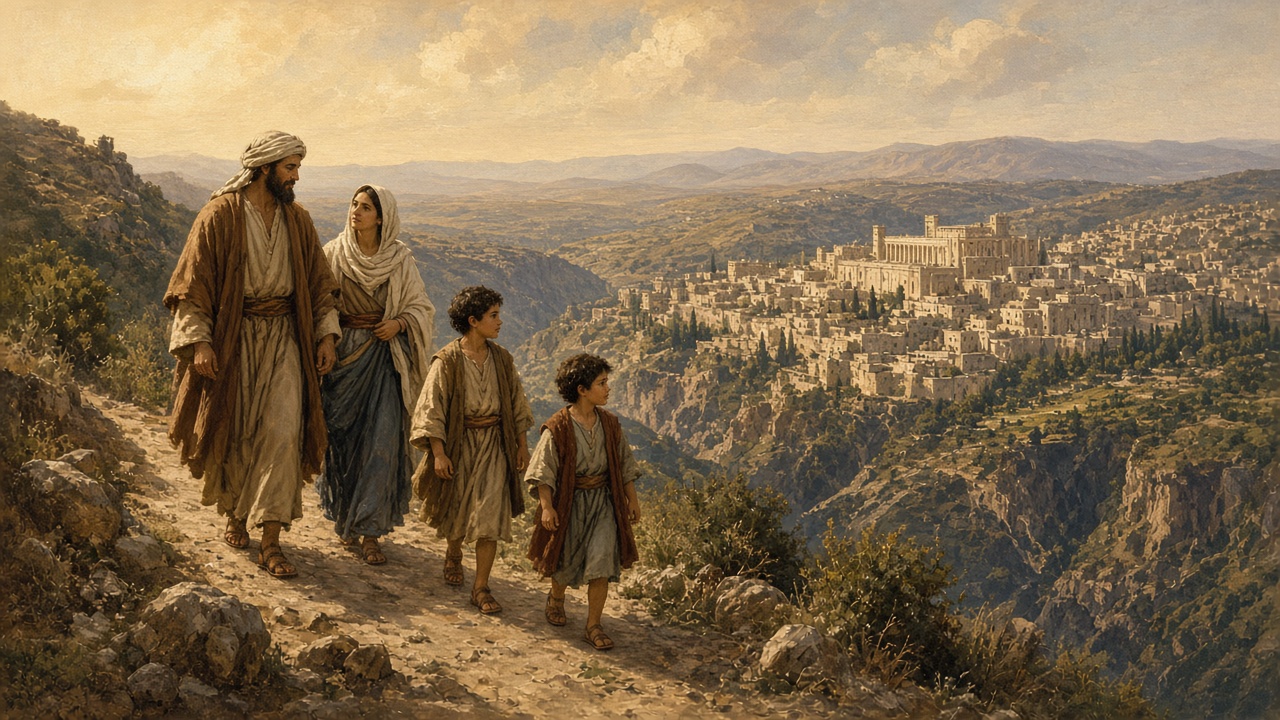
- El padre de Isaías, Amoz, era al parecer un hombre de condición humilde, y poco se sabe con certeza de su vida. Su esposa es llamada "la profetisa", ya sea porque estaba dotada del don profético, como Débora y Hulda, o simplemente porque era la mujer del profeta, y él tuvo dos hijos que llevaron nombres simbólicos.Fuentes: Isaiah · Amoz
Notas escritas con ayuda de IA a partir de fuentes abiertas (Theographic Bible Metadata, CC BY-SA 4.0; Easton’s Bible Dictionary, dominio público) y revisadas antes de publicarse.
Judah’s Rebellion
1This is the vision concerning Judah and Jerusalem that Isaiah son of Amoz saw during the reigns of Uzziah, Jotham, Ahaz, and Hezekiah, kings of Judah.
2Listen, O heavens, and give ear, O earth,
for the LORD has spoken:
“I have raised children and brought them up,
but they have rebelled against Me.
3The ox knows its owner,
and the donkey its master’s manger,
but Israel does not know;
My people do not understand.”
4Alas, O sinful nation,
a people laden with iniquity,
a brood of evildoers,
children of depravity!
They have forsaken the LORD;
they have despised the Holy One of Israel
and turned their backs on Him.
5Why do you want more beatings?
Why do you keep rebelling?
Your head has a massive wound,
and your whole heart is afflicted.
6From the sole of your foot to the top of your head,
there is no soundness—
only wounds and welts and festering sores
neither cleansed nor bandaged nor soothed with oil.
7Your land is desolate;
your cities are burned with fire.
Foreigners devour your fields before you—
a desolation demolished by strangers.
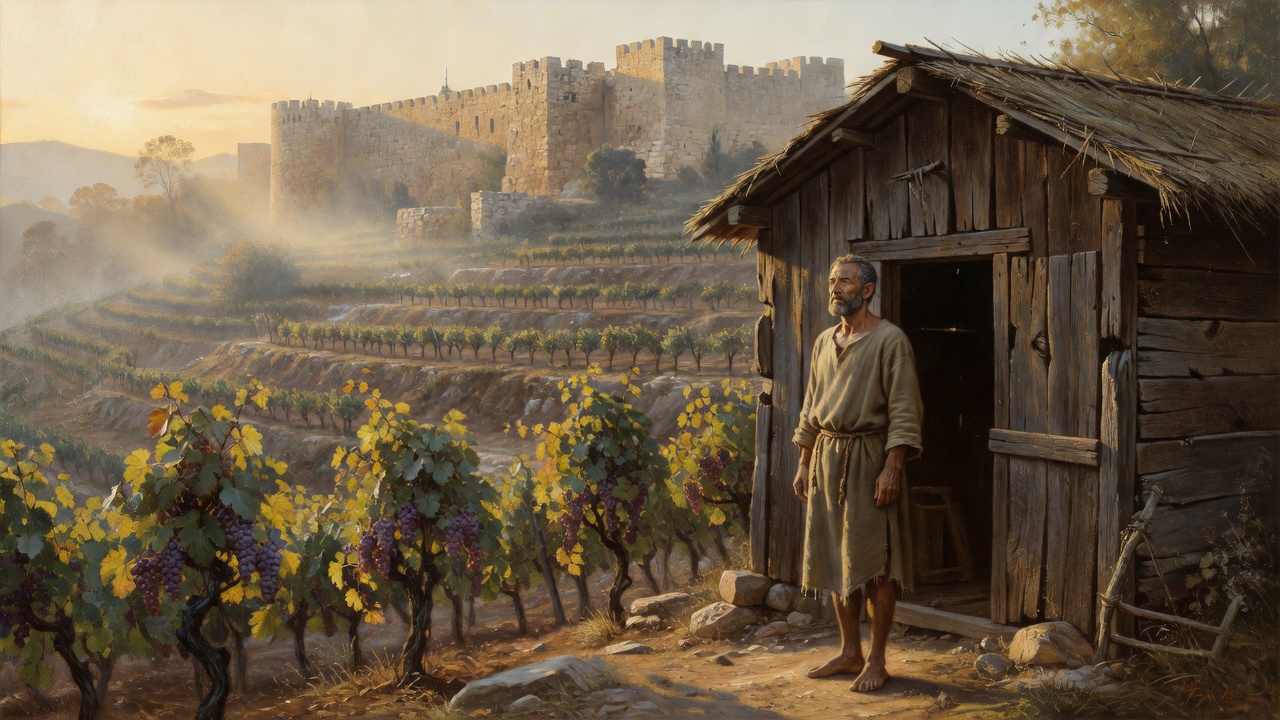
8And the Daughter of Zion is abandoned
like a shelter in a vineyard,
like a shack in a cucumber field,
like a city besieged.
9Unless the LORD of Hosts
had left us a few survivors,
we would have become like Sodom,
we would have resembled Gomorrah.
Meaningless Offerings
10Hear the word of the LORD,
you rulers of Sodom;
listen to the instruction of our God,
you people of Gomorrah!
11“What good to Me is your multitude of sacrifices?”
says the LORD.
“I am full from the burnt offerings of rams
and the fat of well-fed cattle;
I take no delight in the blood of bulls
and lambs and goats.
12When you come to appear before Me,
who has required this of you—
this trampling of My courts?
13Bring your worthless offerings no more;
your incense is detestable to Me—
your New Moons, Sabbaths, and convocations.
I cannot endure iniquity
in a solemn assembly.
14I hate your New Moons
and your appointed feasts.
They have become a burden to Me;
I am weary of bearing them.
15When you spread out your hands in prayer,
I will hide My eyes from you;
even though you multiply your prayers,
I will not listen.
Your hands are covered with blood.
16Wash and cleanse yourselves.
Remove your evil deeds from My sight.
Stop doing evil!
17Learn to do right;
seek justice and correct the oppressor.
Defend the fatherless
and plead the case of the widow.”
18“Come now, let us reason together,”
says the LORD.
“Though your sins are like scarlet,
they will be as white as snow;
though they are as red as crimson,
they will become like wool.
19If you are willing and obedient,
you will eat the best of the land.
20But if you resist and rebel,
you will be devoured by the sword.”
For the mouth of the LORD has spoken.
The Corruption of Zion
21See how the faithful city has become a harlot!
She once was full of justice;
righteousness resided within her,
but now only murderers!
22Your silver has become dross;
your fine wine is diluted with water.
23Your rulers are rebels,
friends of thieves.
They all love bribes
and chasing after rewards.
They do not defend the fatherless,
and the plea of the widow never comes before them.
24Therefore the Lord GOD of Hosts,
the Mighty One of Israel, declares:
“Ah, I will be relieved of My foes
and avenge Myself on My enemies.
25I will turn My hand against you;
I will thoroughly purge your dross;
I will remove all your impurities.
26I will restore your judges as at first,
and your counselors as at the beginning.
After that you will be called the City of Righteousness,
the Faithful City.”
27Zion will be redeemed with justice,
her repentant ones with righteousness.
28But rebels and sinners will together be shattered,
and those who forsake the LORD will perish.
29Surely you will be ashamed of the sacred oaks
in which you have delighted;
you will be embarrassed by the gardens
that you have chosen.
30For you will become like an oak whose leaves are withered,
like a garden without water.
31The strong man will become tinder
and his work will be a spark;
both will burn together,
with no one to quench the flames.
¿Sabías que…?
Un Llamado al Arrepentimiento
- Isaías, hijo de Amoz, profetizó durante los reinados de cuatro reyes de Judá —Uzías, Jotán, Acaz y Ezequías—, presenciando tanto épocas de prosperidad nacional como periodos de profunda crisis espiritual y política.Fuentes: Isaiah · Uzziah · Ahaz · el propio texto bíblico
- El capítulo inicial compara a los líderes y habitantes de Jerusalén con Sodoma y Gomorra, antiguas ciudades de la llanura cuya destrucción las convirtió en un símbolo proverbial de corrupción en las Escrituras.Fuentes: Sodom · Gomorrah · el propio texto bíblico
- El mensaje profético enfatiza que los rituales religiosos formales, como los sacrificios de animales y las festividades, son inaceptables ante Dios cuando están desvinculados de la justicia y de la defensa de huérfanos y viudas.Fuentes: el propio texto bíblico
Notas escritas con ayuda de IA a partir de fuentes abiertas (Theographic Bible Metadata, CC BY-SA 4.0; Easton’s Bible Dictionary, dominio público) y revisadas antes de publicarse.
Lugares de este capítulo
- Jerusalem · 31.777, 35.234 · versículos 1, 21, 26
- Zion · Hoy: Jerusalem · 31.777, 35.234 · versículos 8, 27
Solo aparecen lugares identificados con alta confianza (90 % o más según las fuentes académicas reunidas por OpenBible). Mapa de la época: DARE (Digital Atlas of the Roman Empire), CC BY 4.0; mapa actual: © colaboradores de OpenStreetMap; lugares: OpenBible.info (CC BY 4.0).
Créditos y licencia de esta traducción
Berean Standard Bible
The Holy Bible in English: Berean Standard Bible
Public Domain
Language: English
Contributor: BSB Publishing, LLC
2026-10-02
Fuente: http://ebible.org/engbsb/ · eBible.org