Colosenses 1
Berean Standard Bible · Toca un versículo para ver sus referencias cruzadas.
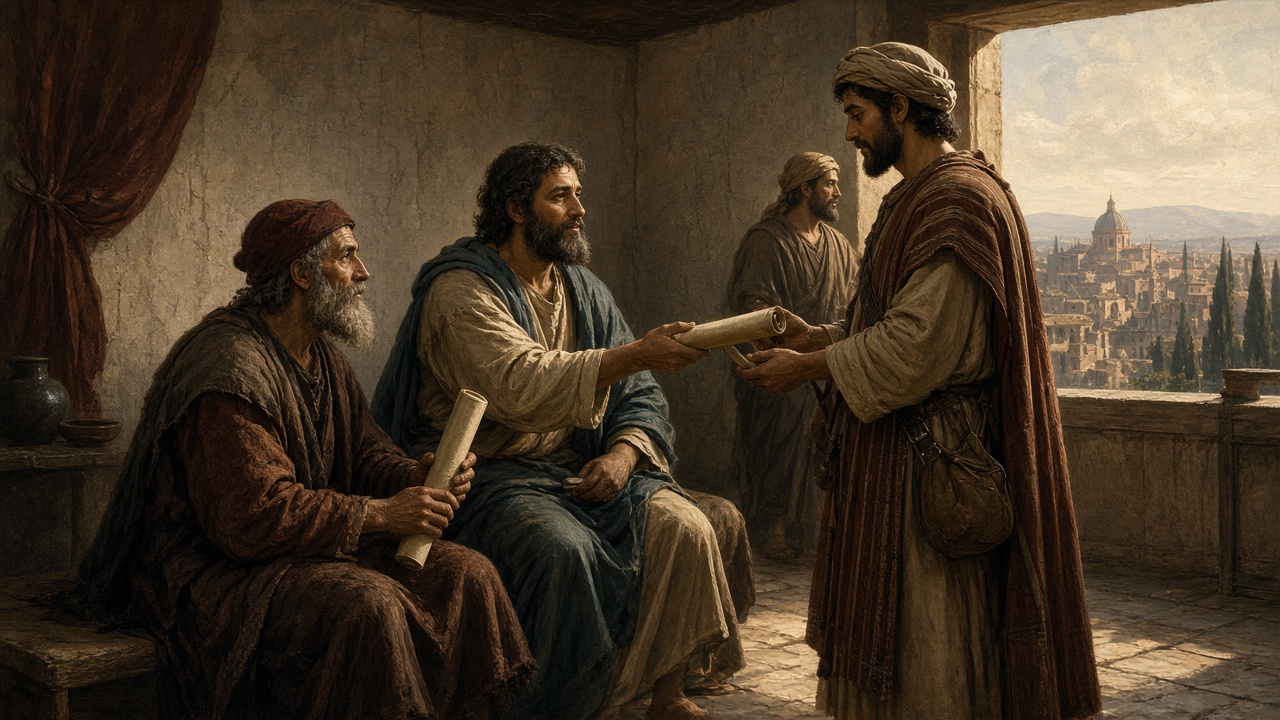
Acerca de este libro
Acerca de Colosenses
- El Diccionario Bíblico de Easton (1897) presenta la Epístola a los Colosenses como escrita por Pablo en Roma, durante su primer encarcelamiento allí, probablemente en la primavera del año 57 d.C. o, como algunos piensan, en el 62, y poco después de la Epístola a los Efesios. Dice que la carta siguió a noticias que le habían llegado sobre la vida interna de la iglesia de allí.Fuentes: Easton: Colossians, Epistle to the
- Colosas era una ciudad de Frigia a orillas del Lico, afluente del Meandro, unas doce millas más arriba de Laodicea y cerca del gran camino de Éfeso al Éufrates, lo que le daba cierta importancia mercantil. La entrada de Colosas dice que Pablo no parece haber visitado la ciudad cuando escribió, y que se ha concluido que Epafras fue el fundador de la iglesia. Pablo llama a Epafras su querido consiervo y fiel ministro de Cristo, y Epafras estaba con él en Roma cuando se escribió la carta.Fuentes: Colossae · Epaphras
- Easton dice que el objeto era contrarrestar una enseñanza falsa: gran parte responde a quienes intentaban combinar el misticismo y el ascetismo orientales con el cristianismo, prometiendo una vida espiritual más alta y una visión más profunda del mundo de los espíritus, y la mención de la luna nueva y de los días de sábado se toma como señal de maestros judaizantes. La parte doctrinal comprende los dos primeros capítulos, con el tema principal en el capítulo 2: una advertencia a no apartarse de aquel en quien, escribe Easton, habitaba toda la plenitud de la Deidad, cabeza de todos los poderes espirituales y del cuerpo del cual ellos eran miembros. La parte práctica, capítulos 3 y 4, urge deberes que fluyen de esas enseñanzas, entre ellos pensar en las cosas de arriba y vestirse del nuevo hombre.Fuentes: Easton: Colossians, Epistle to the
- Tíquico, un cristiano de Asia llamado ministro fiel, fue el portador de la carta, como también de las cartas a los Efesios y a Filemón, y debía contar a la iglesia la condición del apóstolo. Easton señala que, después de saludos amistosos, Pablo pide que intercambien esta carta con la que había enviado a la iglesia vecina de Laodicea, y que hay un parecido notable entre esta epístola y la dirigida a los Efesios.Fuentes: Easton: Colossians, Epistle to the · Tychicus
Notas escritas con ayuda de IA a partir de fuentes abiertas (Theographic Bible Metadata, CC BY-SA 4.0; Easton’s Bible Dictionary, dominio público) y revisadas antes de publicarse.
Greetings from Paul and Timothy
1Paul, an apostle of Christ Jesus by the will of God, and Timothy our brother,
2To the saints and faithful brothers in Christ at Colossae:
Grace and peace to you from God our Father.
Thanksgiving and Prayer
3We always thank God, the Father of our Lord Jesus Christ, when we pray for you, 4because we have heard about your faith in Christ Jesus and your love for all the saints— 5the faith and love proceeding from the hope stored up for you in heaven, of which you have already heard in the word of truth, the gospel 6that has come to you.
All over the world this gospel is bearing fruit and growing, just as it has been doing among you since the day you heard it and truly understood the grace of God. 7You learned it from Epaphras, our beloved fellow servant, who is a faithful minister of Christ on our behalf, 8and who also informed us of your love in the Spirit.
9For this reason, since the day we heard about you, we have not stopped praying for you and asking God to fill you with the knowledge of His will in all spiritual wisdom and understanding, 10so that you may walk in a manner worthy of the Lord and may please Him in every way: bearing fruit in every good work, growing in the knowledge of God, 11being strengthened with all power according to His glorious might so that you may have full endurance and patience, and joyfully 12giving thanks to the Father, who has qualified you to share in the inheritance of the saints in the light.
13He has rescued us from the dominion of darkness and brought us into the kingdom of His beloved Son, 14in whom we have redemption, the forgiveness of sins.
The Supremacy of the Son
15The Son is the image of the invisible God, the firstborn over all creation. 16For in Him all things were created, things in heaven and on earth, visible and invisible, whether thrones or dominions or rulers or authorities. All things were created through Him and for Him.
17He is before all things, and in Him all things hold together. 18And He is the head of the body, the church; He is the beginning and firstborn from among the dead, so that in all things He may have preeminence. 19For God was pleased to have all His fullness dwell in Him, 20and through Him to reconcile to Himself all things, whether things on earth or things in heaven, by making peace through the blood of His cross.
21Once you were alienated from God and were hostile in your minds, engaging in evil deeds. 22But now He has reconciled you by Christ’s physical body through death to present you holy, unblemished, and blameless in His presence— 23if indeed you continue in your faith, established and firm, not moved from the hope of the gospel you heard, which has been proclaimed to every creature under heaven, and of which I, Paul, have become a servant.
Paul’s Suffering for the Church
24Now I rejoice in my sufferings for you, and I fill up in my flesh what is lacking in regard to Christ’s afflictions for the sake of His body, which is the church. 25I became its servant by the commission God gave me to fully proclaim to you the word of God, 26the mystery that was hidden for ages and generations but is now revealed to His saints. 27To them God has chosen to make known among the Gentiles the glorious riches of this mystery, which is Christ in you, the hope of glory.
28We proclaim Him, admonishing and teaching everyone with all wisdom, so that we may present everyone perfect in Christ. 29To this end I also labor, striving with all His energy working powerfully within me.
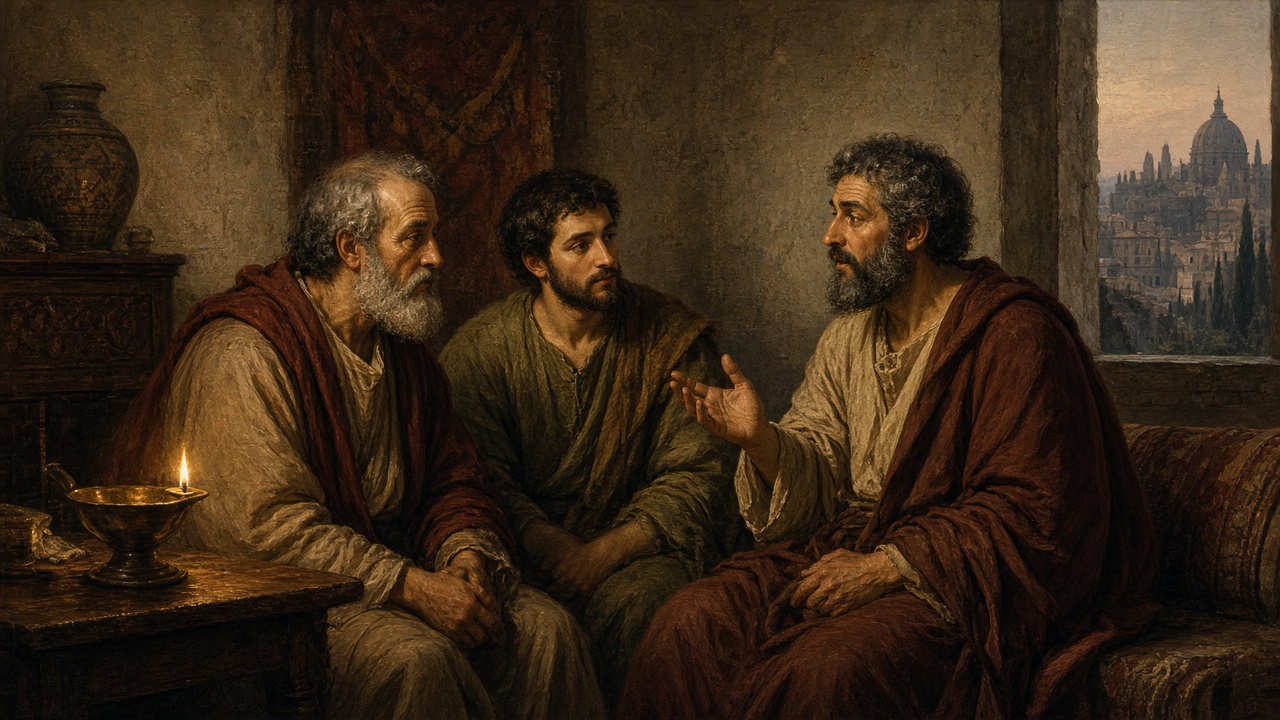
¿Sabías que…?
La preeminencia de Cristo y la iglesia en Colosas
- Colosas era una ciudad de Frigia, a orillas del Lico, afluente del Meandro, a unas doce millas arriba de Laodicea y cerca del gran camino de Éfeso al Éufrates, y por eso tenía cierta importancia comercial. El diccionario bíblico de Easton (1897) señala que Pablo no parece haber visitado la ciudad cuando escribió esta carta, lo que concuerda con que diga que había oído de su fe y de su amor, y que en la carta a Filemón espera visitarla una vez liberado de la prisión.Fuentes: Colossae · el propio texto bíblico
- Los colosenses habían aprendido el evangelio de Epafras, a quien Pablo llama amado consiervo y fiel ministro de Cristo, y quien también les informó del amor de ellos en el Espíritu. El diccionario bíblico de Easton (1897) describe a Epafras como un discípulo destacado y probablemente el fundador de aquella iglesia, y concluye que estaba con Pablo en Roma cuando se escribió esta carta; en la carta a Filemón, Pablo lo llama compañero de prisiones.Fuentes: Epaphras · Colossae · el propio texto bíblico
- El saludo nombra a Timoteo, nuestro hermano, junto con Pablo. El diccionario bíblico de Easton (1897) lo describe como un joven discípulo cuyo nombre significa honrar a Dios, compañero en muchos de los viajes de Pablo, de padre griego, y con una madre y una abuela, Eunice y Loida, mencionadas por su piedad.Fuentes: Timotheus · el propio texto bíblico
Notas escritas con ayuda de IA a partir de fuentes abiertas (Theographic Bible Metadata, CC BY-SA 4.0; Easton’s Bible Dictionary, dominio público) y revisadas antes de publicarse.
Lugares de este capítulo
- Colossae · 37.787, 29.260 · versículo 2
Solo aparecen lugares identificados con alta confianza (90 % o más según las fuentes académicas reunidas por OpenBible). Mapa de la época: DARE (Digital Atlas of the Roman Empire), CC BY 4.0; mapa actual: © colaboradores de OpenStreetMap; lugares: OpenBible.info (CC BY 4.0).
Créditos y licencia de esta traducción
Berean Standard Bible
The Holy Bible in English: Berean Standard Bible
Public Domain
Language: English
Contributor: BSB Publishing, LLC
2026-10-02
Fuente: http://ebible.org/engbsb/ · eBible.org