Hechos 13
Lëk yam · Toca un versículo para ver sus referencias cruzadas.
Barnaba ku Thawul aacï lɔc ku toc ke
1Kɔc ke cï gam Antiök aake la yiic kɔc ke ye käk Nhialic tïŋ, ku jɔl aa kɔc ë kɔc cï gam piɔ̈ɔ̈c, ku keek aake ye yï Barnaba ku Thaimon. (Raan col) ku Lukiöth (raan pan Thirene) ku Maneen (ku yen ë ye mɛ̈thë bɛ̈ny cɔl Antipäth Ɣërot) ku Thawul. 2Tɛ̈wën ye kek röök thïn tënë Bänyda, ku yekë mïïth theek ke ye dhël dɛ̈t dɔ̈ɔ̈r kek Nhialic, go Wëi Nhialic lɛ̈k ke ëlä, “Pälkë Barnaba ku Thawul ku bïk luɔi ca lɔ̈c ke aa looi.”
3Ku jɔl kɔc cï gam miëth aa theek ku röökkë ku jɔlkë Barnaba ku Thawul dɔɔc ku jɔlkë ke cɔl ajiël bïk luɔi cï Nhialic lɔ̈c ke la luɔ̈i Nhialic.
Barnaba ku Thawul aacï keny Thaipruth
4Barnaba ku Thawul aake cï Wëi Nhialic tooc bïk la gen cɔl Theleukia ku lek teem kɔ̈u riäi ku lek gen tɔ̈ gool nhom wär ciɛl yic cɔl Thaipruth. 5Na lek ɣet gen dɛ̈t cɔl Thalamith, gokë kɔc aa piɔ̈ɔ̈c wɛ̈t Nhialic tɛ̈n amat kɔc Itharel. Ku Joon Marko ë cath ke ke rin bï keek aa kony luɔi.
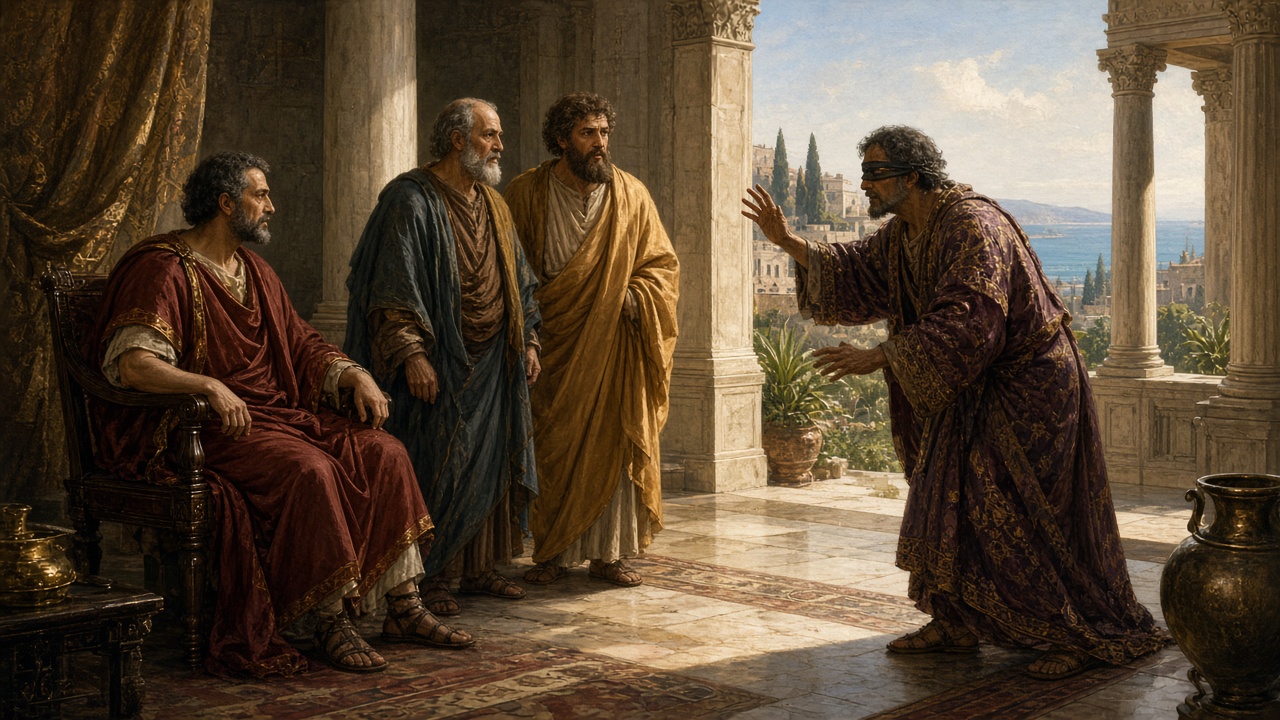
6Keek aacï cath ku temkë Thaipruth kɔ̈u, ku lek gen Papoth yen le kek raan dɛ̈t tiët cɔl Bar-Jethu ke ye raan Itharel, yök thïn. Ku ëcï rot a nyuɔɔth ciɛ̈t ye raan kɔc lɛ̈k wɛ̈t Nhialic. 7Yen Bar-Jethu ë ye mɛ̈thë bɛ̈nydït cɔl Therjiuth Pauluth, bɛ̈ny wun tɔ̈ gool nhom wär ciɛl yic. Ku yeen ë ye raan pel nyin apɛi. Bɛ̈ny ëcï Barnaba kek Thawul tuɔ̈c ku bïk bɛ̈n tënë ye, rin ë wïc bï piɔ̈ɔ̈c wɛ̈t Nhialic. 8Ku yen luɔiden bï kek bɛ̈ny piɔ̈ɔ̈c ëcï tiët Elimath (aa kek riɛnke thoŋ Gïrïk) duɛ̈r rac, rin cï yen ye them bï bɛ̈ny rac nhom bï wɛ̈t Nhialic cïï gam. 9Ke Thawul, ku aŋic aya lɔn cɔl ye Paulo, ëcï Wëi Nhialic la yeguɔ̈p, go tiët tïŋ ku döt apɛi, 10ku lëk ye, “Yïn mänh jɔŋrac. Yïn raan la ater kek käpath ëbën. Yïn athiäŋ guɔ̈p kärɛc, ku aye them akölaköl ba yith Nhialic wel bïk aa lueth! 11Yïn abïï Nhialic jak guɔ̈p ëmën. Yïn abï cɔɔr ku yïn abï nïn nɔ̈k ke yï cïï piny ben tïŋ.” Nyin yic Elimath, ëcï kën macär guɔ paat nyin piny, ku jɔl cath ke wïc raan bï ye dɔm cin bï thel. 12Nawën tïŋ bɛ̈nydït kë cï rot looi, go wɛ̈t Nhialic gam rin yeen ëcï gäi apɛidït käk cï ke ye piɔ̈ɔ̈c wɛ̈t Nhialic.
Barnaba ku Paulo aacï la Antiök tɔ̈ Pithidia
13Paulo ku jɔl aa kɔcken cath kek ye aacï wär teem riäi ke jiël Papoth ku lek Perga, wun cɔl Pampilia. Tɛ̈wën, Joon Marko acï bɛ̈n puɔ̈k ke ke ku dhuk Jeruthalem. 14Ku ben kë jäl Perga ku ɣeetkë Antiök tɔ̈ wun cɔl Pithidia. Nawën aköl lɔ̈ŋ, aköl cïï kɔc ë luui, go Barnaba ku Paulo la tɛ̈n amat ku nyuuckë thïn. 15Nawën cï lööŋ Mothith, ku jɔl aa wël kɔc käk Nhialic tïŋ kueen, go bäny tɛ̈n amat wɛ̈t lɛ̈k Barnaba ku Paulo ëlä, “Wämäthakua wek aa wïcku bäk kɔc jääm nhïïm, tɛ̈ le yen wɛ̈t bï ke riɛɛl puɔ̈th bäk lɛ̈k ke.” 16Go Paulo rot jɔt, ku nyooth yecin bï kɔc biɛt. Ku jɔl jam ëlä, “Wek mɛ̈thkiɛ̈ pan Itharel, ku jɔl aa kɔc cie kɔc Itharel Nhialic door, piɛŋkë wɛ̈tdiɛ̈. 17Nhialic kɔc Itharel ëcï wärkuan dït lɔc ku looi ke ke ye kuatdït ril tör tɛ̈wäär ciëŋ kek ke ye alɛi wun cɔl Ijip. Keek aake cï Nhialic bɛ̈ɛ̈i bei Ijip riɛlde. 18Ku acï kärɛc yekë luɔ̈i ye guum roor ruɔ̈ɔ̈n thiärŋuan. 19Ku Nhialic acï wuɔ̈t kadhorou cuɔp wei pan Kanaan. Ku looi kacke bï aa kek la piny, 20tɛ̈cït run buɔt kaŋuan ku thiärdhiëc.
“Wën cï kën rot looi, go Nhialic ke yiëk kɔc mac ke agut tɛ̈ tul raan käk Nhialic tïŋ cɔl Thamuel. 21Nawën thiëckë Nhialic bï ke yiëk bɛ̈nyŋaknhom, go Nhialic ke yiëk Thawul raan many Kïc, kuat Benjamin yic, ku bï ya bɛ̈ny ruɔ̈ɔ̈n thiärŋuan.
22“Nawën cï Thawul nyaai bääny yic, go Nhialic Debit looi ke ye bɛ̈nyŋaknhomden. Ku kën cï Nhialic lueel riɛnke akïn, ‘Aca yök lɔn Debit, wën Jethe yen ë raan yen wiɛ̈c. Ku ë yen raan bï käk wiɛ̈ckë bïk röt looi, aa looi.’
23“Ë ye Jethu raan kuat Debit, yen cï Nhialic looi ke ye raan bï kɔc Itharel luɔ̈k, tɛ̈cït tɛ̈ cï yen ye luɛɛl thïn wäär. 24Wäär këc Jethu luɔide jɔɔk, ke Joon ëcï kɔc Itharel kaŋ lɛ̈k wɛ̈t Nhialic. Ku ye ke yɔ̈ɔ̈k bïk muɔ̈l luɔi kärɛc, ku cɔlkë röt aa muɔc nhïïm pïu. 25Na wäär cï luɔi Joon thiɔ̈k kek thök, go kɔc thiëëc ëlä, ‘Yakë tak ya ŋa? Acie ɣɛn raan tiɛtkë. Raan tiɛtkë abï lɔ̈k bɛ̈n ɣacök. Ku acie ɣɛn raan lëu ye ba warke däk bei yecök.’
26“Wek wämäthkiɛ̈ Itharel, mïth Abaram, ku jɔl aa wek kɔc cie kɔc Itharel rɛ̈ɛ̈r tɛ̈n Nhialic door. Wɛ̈t bï kɔc kony bï kɔc cïï la pan mac acï lɛ̈k ɣo. 27Ku yeen akëc kɔc ke ciëŋ Jeruthalem ku bänyken ŋic, lɔn nadë ke yen raan bï kɔc bɛ̈n kony. Ku keek akëc wël deet yiic aya, wël ke ye kɔc käk Nhialic tïŋ lɛ̈k ke wäär ye kueen akölaköl, aköl lɔ̈ŋ. Ku keek aacï wël kɔc käk Nhialic tïŋ cɔl aa tiiŋ kenhïïm, rin cï kek Jethu cɔl anäk. 28Cɔk alɔn cïn yen yiny cïk yök bï ke ye tɛ̈m thou, gokë ŋuɔ̈t ke thiëc Pilato bï dhiɛl nɔ̈k. 29Ku wën cï kek këriëëc ëbën looi, käk ke cï gɔ̈t athör thɛɛr wël Nhialic yic riɛnke, gokë jat piny tim cï rïïu kɔ̈u ku lek thiɔ̈k raŋ yic. 30Ku yeen acï Nhialic cɔl aben pïr. 31Ku aacï rot nyuɔ̈th kɔc ke ye cath kek ye kam Galilia ku Jeruthalem nïn juëc yiic. Kek kɔckä, kek aacï käk cï röt looi tïŋ, ku lëkkë ke kɔc Itharel.
32“Ku ɣok aacï bɛ̈n buk we bɛ̈n lɛ̈k thoŋ path cï Nhialic yepuɔ̈u tɔɔŋ ke bï luɔ̈i wärkuan dït. Acï luɔ̈i ɣo ëmën ɣok miɛ̈thken, rin cï yen Jethu cɔl aben pïr ke cï thou. Cïmën cï ye gɔ̈t ëlä waak rou athör thɛɛr wël Nhialic yic,
‘Yïn ee wëndiɛ̈, ɣɛn acï ya Wuur akölë.’
34“Ku yen kënë yen ë kë cï Nhialic lueel, lɔn bï yen ye cɔl aben rot jɔt thou yic, ku bï cïï kɔŋ dhiäth raŋ yic,
‘Yïn aba yiëk yath, ku yïn aba dɔɔc cït tɛ̈wäär,
cï ɣɛn ɣapuɔ̈u taaŋ thïn tënë Debit.’
35“Ku ë yic alanden, ëcï lueel këlä wɛ̈t dɛ̈t cï gɔ̈t yic,
‘Yïn acä aluɔnydu bï puɔ̈l bï dhiäth raŋ yic.’
36“Ku yen Debit ë ye käk Nhialic looi wäär pïïr yen, ku jɔl thou ku thiäk tɛ̈ cï wärken dït thiɔ̈k thïn. Ku guäpde acï bɛ̈n dhiäth raŋ yic. 37Ku kën akëc rot looi tënë raan cï Nhialic jɔt bei raŋ yic.
38“Awiëc bäk ŋic wek wämäthkiɛ̈ Itharel, lɔn nadë ke rin Jethu yen abï kärɛc päl piny tënë kɔc. Raan bï wɛ̈tde gam abï adumuɔ̈ɔ̈mke päl piny tënë ye. Ku kënë ë këc löŋ Mothith looi wäär tënë we. 40Tääukë wenyïn piny apath bï kë cï kɔc käk Nhialic tïŋ, cïk lɛ̈k kɔc ëlä rot cïï lui we,
41‘Tiɛ̈ŋkë wek kɔc kɔc dɔl gup! Gäikë ku wek aabï liu, rin kë luɔɔi akölë!
Acie kë bäk gam, cɔk alɔn bï raandä ye teet yic tënë we!’ ”
42Wën jiël Paulo ku Barnaba tɛ̈n amat, goke yɔ̈ɔ̈k ku bïk bɛn bɛ̈n aköl dɛ̈ɛ̈t amat bïk wɛ̈t lööŋ Nhialic bɛ̈n ber yic. 43Wën cï kɔc jäl amat yic, ke Paulo ku Barnaba ruɛc kɔc juëc Itharel, ku kɔc juëc cie kɔc Itharel cï ciɛɛŋ kɔc Itharel gam. Ku jɔl Paulo kek Barnaba lɛ̈k ke bïk kepuɔ̈th dɛɛt, ku bïk pïr ke ŋɔ̈th piath Nhialic.
44Nawën aköl dɛ̈t amat, ke kɔc juëc apɛi bɔ̈ amat yic aabï ciɛ̈t kɔc ëbën geeu kek cï guëër bïk bɛ̈n piŋ wɛ̈t Nhialic. 45Nawën tïŋ kɔc Itharel akut dïït kënë ke dɔm tiɛɛl ke. Ku yekë wɛ̈t lueel Paulo dhɔ̈l yic ku yekë lat. 46Ku Paulo kek Barnaba aacï bɛ̈n jam apɛi këlä ke cïï riɔ̈c, “Kën yen bï rot kaŋ looi tueŋ, ee lɔn bï we lɛ̈k wɛ̈t Nhialic. Ku na cäk kuec bäk wɛ̈t Nhialic cïï gam, ku yakë röt yök ke we cie kɔc wïc pïr akölriëëc ëbën, ke wek aa buk nyääŋ piny ku lok tënë kɔc kɔ̈k cie kɔc Itharel. 47Rin ɣok aacï Nhialic yɔ̈ɔ̈k ëlä, ‘Wek aaca looi ke we cït mermer tënë kɔc cie kɔc Itharel, rin bï raan ëbën pinynhom poth la pan mac.’ ”
48Nawën piŋ kɔc cie kɔc Itharel wɛ̈t kënë, gokë puɔ̈th miɛt ku leckë wɛ̈t Nhialic cïk piŋ. Ku kɔc ke cï lɔc bïk aa kɔc pïr akölriëëc ëbën aake cï bɛ̈n gam.
49Wɛ̈t Nhialic acï bɛ̈n ɣet bɛ̈ɛ̈ikë yiic ëbën. 50Go kɔc Itharel, kɔcdït baai gɛu yic ëbën bɛn rac nhïïm agut diäär kɔcdït cie kɔc Itharel Nhialic door. Ku aacï Paulo ku Barnaba bɛ̈n cuɔp wei panden. 51Go atuuc Jethu mël kuëëŋ ku teŋkë kecök rin cï kek puɔ̈th riääk tënë ke. Ku jiëlkë ku lek pan cɔl Ikonia. 52Kɔc ke cï gam Antiök aake cï Wëi Nhialic la kegup, ku keek aake mit puɔ̈th apɛi.
¿Sabías que…?
La misión enviada desde Antioquía
- El Diccionario Bíblico de Easton (1897) describe a Antioquía de Siria como la tercera ciudad en importancia del Imperio romano, después de Roma y Alejandría; fue la iglesia de allí la que apartó a Bernabé y a Saulo. Entre sus profetas y maestros estaban Simeón, llamado Níger, un sobrenombre que significa negro, quizá por su tez oscura, y Lucio de Cirene, en el norte de África.Fuentes: Antioch (Syria) · el propio texto bíblico · Simeon · Lucius
- En Pafos, capital de Chipre y residencia del gobernador romano, un hechicero judío llamado Barjesús, también conocido como Elimas, un nombre árabe que significa mago o hechicero, intentó apartar de la fe al procónsul Sergio Paulo. Es aquí donde Saulo también es llamado Pablo; el Diccionario Bíblico de Easton (1897) dice que el nombre Pablo probablemente le fue dado en la infancia para usarlo en el mundo gentil, mientras que Saulo era su nombre hebreo de casa.Fuentes: Paphos · Elymas · Paul · el propio texto bíblico
- Enviados desde Antioquía, bajaron a Seleucia, el puerto de la ciudad cerca de la desembocadura del Orontes, y navegaron hasta Chipre; después desembarcaron en Perge, capital de Panfilia, a orillas del río Cestro. Allí Juan los dejó y regresó a Jerusalén; su nombre romano, Marcos, poco a poco llegó a reemplazar su nombre judío, y era primo de Bernabé.Fuentes: Seleucia · Perga · John Mark · el propio texto bíblico
Notas escritas con ayuda de IA a partir de fuentes abiertas (Theographic Bible Metadata, CC BY-SA 4.0; Easton’s Bible Dictionary, dominio público) y revisadas antes de publicarse.
Lugares de este capítulo
- Antioch · Hoy: Antioch on the Orontes · 36.227, 36.172 · versículo 1
- Cyrene · 32.821, 21.851 · versículo 1
- Cyprus · 35.000, 33.000 · versículo 4
- Seleucia · Hoy: Seleucia Pieria · 36.124, 35.922 · versículo 4
- Salamis · 35.185, 33.902 · versículo 5
- Paphos · Hoy: New Paphos · 34.756, 32.404 · versículos 6, 13
- Jerusalem · 31.777, 35.234 · versículos 13, 27, 31
- Pamphylia · 37.000, 31.000 · versículo 13
- Perga · 36.960, 30.854 · versículos 13, 14
- Antioch · Hoy: Antioch in Pisidia · 38.306, 31.189 · versículo 14
- Pisidia · 38.306, 31.189 · versículo 14
- Egypt · 30.129, 31.308 · versículo 17
- Canaan · 32.767, 35.333 · versículo 19
- Galilee · 32.760, 35.527 · versículo 31
- Iconium · Hoy: Konya · 37.872, 32.492 · versículo 51
Solo aparecen lugares identificados con alta confianza (90 % o más según las fuentes académicas reunidas por OpenBible). Mapa de la época: DARE (Digital Atlas of the Roman Empire), CC BY 4.0; mapa actual: © colaboradores de OpenStreetMap; lugares: OpenBible.info (CC BY 4.0).
Créditos y licencia de esta traducción
Lëk yam
New Testament in Dinka, Southwestern (SU:dik:Dinka, Southwestern)
copyright © 2006 Wycliffe Bible Translators, Inc.
Language: Dinka, Southwestern
Translation by: Wycliffe Bible Translators, Inc.
Dinka, Southwestern
dik
Sudan
Copyright Information
© 2006, Wycliffe Bible Translators, Inc. All rights reserved.
This translation text is made available to you under the
terms of the Creative Commons License: Attribution-Noncommercial-No Derivative Works.
( http://creativecommons.org/licenses/by-nc-nd/3.0/ )
In addition, you have permission to port the text to different file formats, as long as you
do not change any of the text or punctuation of the Bible.
You may share, copy, distribute, transmit, and extract portions
or quotations from this work, provided that you include the above copyright
information:
You must give Attribution to the work.
You do not sell this work for a profit.
You do not make any derivative works that change any of the actual words or punctuation of the Scriptures.
Permissions beyond the scope of this license may be
available if you contact
us with your request.
The New Testament
in Dinka, Southwestern
© 2006, Wycliffe Bible Translators, Inc. All rights reserved.
This translation is made available to you under the terms of the
Creative Commons Attribution-Noncommercial-No Derivatives license 4.0.
You may share and redistribute this Bible translation or extracts from it in any format, provided that:
You include the above copyright and source information.
You do not sell this work for a profit.
You do not change any of the words or punctuation of the Scriptures.
Pictures included with Scriptures and other documents on this site are licensed just for use with those Scriptures and documents.
For other uses, please contact the respective copyright owners.
2014-04-22
Fuente: http://ebible.org/dikNT/ · eBible.org