Romanos 16
Nǫ̀htsı̨̨ Nı̨̨htł'è · Toca un versículo para ver sus referencias cruzadas.
Naxıxè sìghà welè
1Gòet'ı̨ Phoebe ts'èko nezı̨ı̨ elı̨ı̨ sìı wek'èahsǫ ha dehwhǫ. Kǫ̀ta Cenchrea Nǫ̀htsı̨ wecheekeè gota eghàlaeda. 2Naxıts'ǫ̀ nììtła nı̨dè gots'ǫ̀ K'àowo wedahxà nezı̨į̀ wets'ǫ̀ naahɂa ha naxeehwhǫ. Dànì Nǫ̀htsı̨ wets'ǫ dǫ gıts'ǫ̀ k'ehots'eɂaa sìı k'ę̀ę̀ wets'ǫ̀ k'ehoahɂa. T'asìı wegha whìle nı̨dè, wets'àahdı nǫǫ̀, ededı̨ dǫ łǫ ts'àı̨dì ne t'à eyıts'ǫ sı̨ sı sets'àı̨dì hǫt'e.
3Aquıla eyıts'ǫ wets'èkeè Prıscılla segha, “Naxıxè sìghà welè,” gìahdı. Sexè Zezì-Krı gha eghàlageedaa-dǫǫ̀ agı̨ı̨t'e. 4Gıweè ha kò sexè eghàlagı̨ı̨dà ı̨lè. Sı̨ zǫ masì geehwhǫ nıìle, hanìkò Nǫ̀htsı̨ wecheekeè Israel got'ı̨į̀ agı̨ı̨t'e-le sìı eyı sìı masì gogı̨ı̨hwhǫ hǫt'e.
5Prıscılla eyıts'ǫ Aquıla gıkǫ̀ Nǫ̀htsı̨ wecheekeè ełègehdèe sìı, segha “Naxıxè sìghà welè,” gìahdı.
Eyıts'ǫ seàgı̨ą Epenetus eyı sı hawèahdı. Eyı dǫ sìı Asıa nek'e gots'ǫ ededı̨ t'akwełǫ̀ǫ̀ Zezì-Krı yegha ehkw'ı adıì ajà ı̨lè.
6Mary naxıgha hòtł'ò eghàlaedaa sìı segha, “Nexè sìghà welè,” wèahdı.
7Sèot'ı̨ Andronıcus eyıts'ǫ ts'èko Junıyas ededı̨ sı hagìahdı. Eyı nàke sìı sexè dǫ-danìı̨laa-kǫ̀ geke ı̨lè. Nǫ̀htsı̨ wecheekeèdeè nezı̨į̀ goghǫ gogede eyıts'ǫ sekwe-t'ıì Zezì-Krı gıgha ehkw'ı-ahodı ı̨lè.
8Amplıatus, gots'ǫ̀ K'àowo wedahxà weghǫneehtǫǫ sìı, “Nexè sìghà welè,” wèahdı.
9Urbanus goxè gots'ǫ̀ K'àowo gha eghàlaedaa-dǫǫ̀ elı̨ eyıts'ǫ seàgı̨ą Stakus eyı sı, “Naxıxè sìghà welè,” gìahdı.
10Apelles, eyı dǫ Zezì-Krı gha wınì nàtsoo k'ę̀ę̀ eda hotıì wek'èhoedzǫǫ sìı, eyıts'ǫ Arıstobulus eyıts'ǫ dǫ hazǫǫ̀ wekǫ̀ agı̨ı̨t'ee sìı ededı̨ sı gıts'ǫ̀ segha, “Naxıxè sìghà welè,” gìahdı.
11Sèot'ı̨ Herodıon ededı̨ sı hawèahdı.
Narcıssus wekǫ̀ dǫ hazǫǫ̀ gots'ǫ̀ K'àowo gıgha ehkw'ı adıı sìı segha, “Naxıxè sìghà welè,” gìahdı.
12Tryphena eyıts'ǫ Tryphosa, eyı ts'èko nàke gots'ǫ̀ K'àowo gha hòtł'ò eghàlagı̨ı̨dàa sìı segha, “Naxıxè sìghà welè,” gìahdı.
Eyıts'ǫ seàgı̨ą Persıs eyı ts'èko sı gots'ǫ̀ K'àowo gha hòtł'ò eghàlaı̨dàa sìı segha, “Nexè sìghà welè,” wèahdı. 13Rufus, gots'ǫ̀ K'àowo yìhchıı sìı, segha, “Nexè sìghà welè,” wèahdı. Eyıts'ǫ wemǫ, semǫ lanì ı̨lèe sìı, eyı sı hawèahdı.
14Asyncrıtus, Phılegon, Hermes, Patrobas, Hermas eyıts'ǫ gòet'ı̨ eyıì-le goxè agı̨ı̨t'ee sìı segha, “Naxıxè sìghà welè,” gìahdı.
15Phılologus, Julıa, Nereus eyıts'ǫ wedè, Olympas eyıts'ǫ Nǫ̀htsı̨ wets'ǫ dǫ hazǫǫ̀ goxè agı̨ı̨t'ee sìı segha, “Naxıxè sìghà welè,” gìahdı.
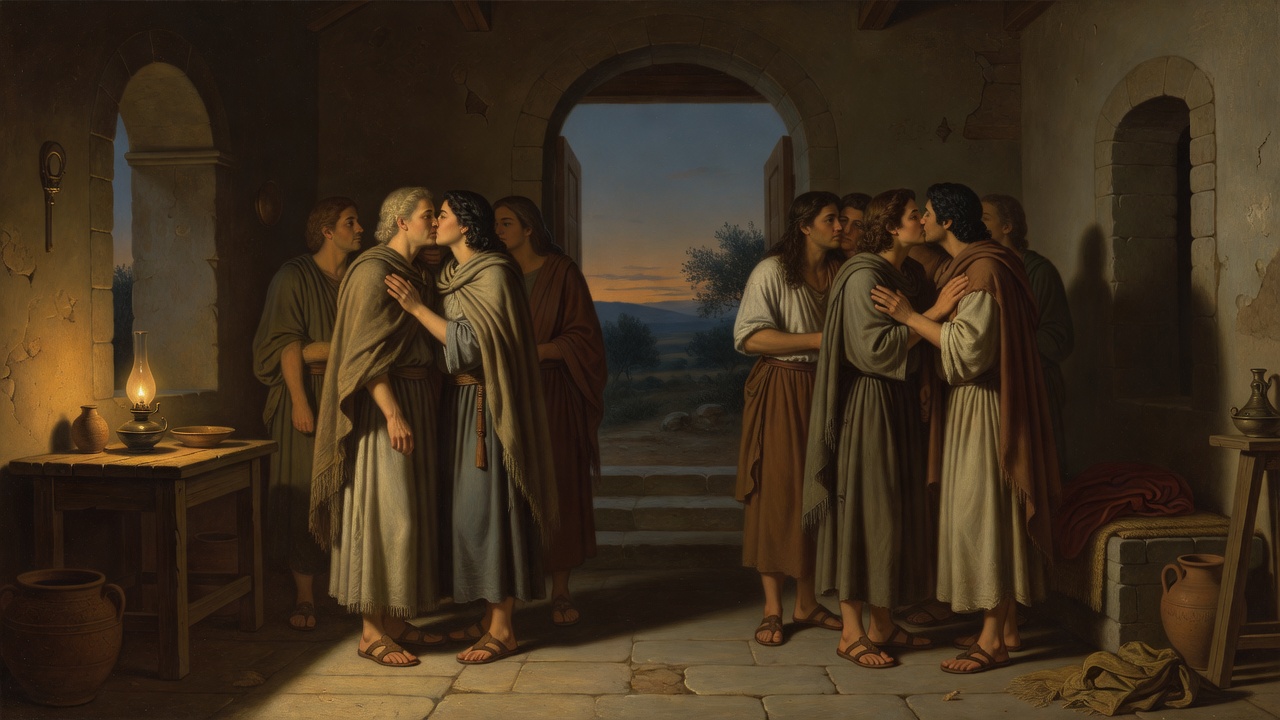
16Nàowo degaı k'ę̀ę̀ ełeahts'į̀ xè, “Nexè sìghà welè,” ełèahdı. Zezì-Krı wecheekeè hazǫǫ̀, “Naxıxè sìghà welè,” naxègedı.
17Sèot'ı̨ı̨, hotıì edexoahdı, dǫ eyıì-le ełek'èch'a anaxegehɂı̨ xè ekǫ-le anaxegehɂı̨ı̨ sìı gıch'à kexoahdı. Hòt'a ayìı hoghànaxeètǫǫ sìı eyı k'èch'a hoghànaxegeehtǫ nı̨dè gıxè aaht'ı̨-le. 18Hanıı dǫ sìı gots'ǫ̀ K'àowo Zezì-Krı gha eghàlageeda nıìle, hanìkò edek'ę̀ę̀ zǫ eghàlageedà aget'ı̨. Nezı̨į̀ gogede xè dǫ ghǫ nezı̨į̀ agedı t'à, nàhotì-le dǫ gha ehkw'ı agedıı sìı goghǫyageeɂà aget'ı̨ hǫt'e. 19Dǫ hazǫǫ̀ godı nezı̨ı̨ k'èaht'ee sìı ghǫ gıìkw'o hǫt'e, eyıt'à sıì naxıghǫ sınà hǫt'e. Hanìkò ayìı nezı̨ı̨ sìı wet'à goahsǫ ha naxeehwhǫ, eyıts'ǫ hołı̨ı̨-nàowoò wedę aahłe.
20Nǫ̀htsı̨ ts'èwhı̨į̀ wehòhɂǫǫ sìı whaà-le-t'ıì naxıt'ǫ̀ǫ̀ wehłı̨ı̨ dıhohtsı̨ ha. Zezì-Krı wesǫnıwǫ naxıxè welè.
21Tımothy sexè eghàlaedaa sìı, “Naxıxè sìghà welè,” naxèhdı, eyıts'ǫ Lucıyus, Jason eyıts'ǫ Sosıpater, xàè sèot'ı̨ agı̨ı̨t'ee sìı, “Naxıxè sìghà welè,” gedı.
22Sı̨ Tertıyus, Paul wegha dıı nı̨htł'è dek'enìıhtł'èe sìı gots'ǫ̀ K'àowo wedahxà, “Naxıxè sìghà welè,” naxèehsı̨.
23Gaıus, sı̨ eyıts'ǫ Nǫ̀htsı̨ wecheekeè hazǫǫ̀ wekǫ̀ gots'ǫ̀ enìxàı̨tǫ t'à weghǫ masì ts'ı̨ı̨wǫǫ sìı, “Naxıxè sìghà welè,” naxèhdı.
Erastus, kǫ̀ta gha sǫǫ̀mba k'èdìı elı̨ eyıts'ǫ gòet'ı̨ Quartus, “Naxıxè sìghà welè,” naxègedı.
24Zezì-Krı wegodıì nezı̨ı̨ naxıghàehɂǫǫ sìı wet'à Nǫ̀htsı̨ naxınì nàtsoò ayele ha dìì-le hǫt'e. Eyı godı nezı̨ı̨ sìı ı̨nę̀ę whaà gots'ǫ dǫ ts'ǫ̀ deɂı̨į̀ wheɂǫ ı̨lè, 26hanìkò dıì sìı Nǫ̀htsı̨ welǫ whìle ts'ǫ̀ wehòhɂǫǫ sìı wedahxà nakwenàoɂǫǫ egı̨ı̨tł'è t'à wek'èhoedzǫǫ̀ adlà hǫt'e. Hanì-ı̨dè dıı nèk'e dǫ hazǫǫ̀ gıgha ehkw'ı-ahodı xè gık'èı̨t'e ha. 27Zezì-Krı wets'ıhɂǫ̀ Nǫ̀htsı̨ ededı̨ zǫ gǫǫzǫǫ̀ wehòhɂǫǫ sìı welǫ whìle ts'ǫ̀ weghàsǫts'eedı welè! Amen.
¿Sabías que…?
Saludos a la iglesia en Roma
- Pablo recomienda a Febe, sierva de la iglesia en Cencrea, y pide a los destinatarios en Roma que la reciban bien y la ayuden en lo que necesite, porque ha sido de gran ayuda para mucha gente, incluido él. Cencrea era el puerto oriental de Corinto, a unas nueve millas al este de la ciudad y la salida de su comercio con las costas asiáticas del Mediterráneo; el Easton's Bible Dictionary (1897) dice que ella probablemente fue quien llevó esta carta.Fuentes: el propio texto bíblico · Phebe · Cenchreae
- Pablo saluda a Prisca y a Aquila, sus colaboradores en Cristo Jesús, que arriesgaron la vida por él, y también a la iglesia que se reúne en su casa; dice que no solo él, sino todas las iglesias de los gentiles les están agradecidas. El Easton's Bible Dictionary (1897) la llama Priscila y describe a Aquila como fabricante de tiendas, natural del Ponto, que con su esposa dejó Roma a causa de un decreto de Claudio, en el año 50 d. C., que ordenaba a todos los judíos salir de la ciudad; el nombre de ella a veces aparece antes que el de él, como aquí.Fuentes: el propio texto bíblico · Priscilla · Aquila
- Cerca del final, Tercio, quien puso la carta por escrito, añade su propio saludo. Gayo, que ha hospedado a Pablo y a toda la iglesia, también envía saludos, al igual que Erasto, el tesorero de la ciudad, y Cuarto.Fuentes: el propio texto bíblico
Notas escritas con ayuda de IA a partir de fuentes abiertas (Theographic Bible Metadata, CC BY-SA 4.0; Easton’s Bible Dictionary, dominio público) y revisadas antes de publicarse.
Lugares de este capítulo
Solo aparecen lugares identificados con alta confianza (90 % o más según las fuentes académicas reunidas por OpenBible). Mapa de la época: DARE (Digital Atlas of the Roman Empire), CC BY 4.0; mapa actual: © colaboradores de OpenStreetMap; lugares: OpenBible.info (CC BY 4.0).
Créditos y licencia de esta traducción
Nǫ̀htsı̨̨ Nı̨̨htł'è
Dogrib: Dogrib Genesis & New Testament New Testament & Portions of Old Testament
copyright © 2009 Canadian Bible Society
Language: Dogrib
Translation by: Canadian Bible Society
Tłı̨chǫ Genesis and New Testament
About Tłı̨chǫ
Tłı̨chǫ (Dogrib) is a Na-Dene (Athabaskan) language. It is spoken by the First Nations Tłı̨chǫ people in the Northwest Territories in Canada. It has the largest number of speakers of any of the Aboriginal language communities in the NWT, and is one of the official languages of the Northwest Territories.
About This Translation
This translation includes the book of Genesis and the New Testament in Tłı̨chǫ. The first edition of the Tłı̨chǫ New Testament was published in 2003. It was a historic event, as it was the first time in more than a hundred years that a complete New Testament was published for one of the Dene First Nations in the Territories. The first edition was well received and quickly sold out. In the meantime the book of Genesis had been completed. Consequently, the 2008 reprint of the Tłı̨chǫ New Testament included Genesis.
Though this translation of the New Testament and Genesis took a total of ten years, the people who worked on it built on years of labor invested by the Tłı̨chǫ people, elders, priests and missionaries, translators, educators, and linguists. The material contained in this book was checked and approved by consultants from Wycliffe Bible Translators and the Canadian Bible Society.
If you are interested in obtaining a printed copy of this Bible, please contact the Canadian Bible Society at http://www.biblescanada.com .
Copyright Information
Dogrib Genesis and New Testament © 2003, 2008 Canadian Bible Society
The text of the Bible in Tłı̨chǫ that appears in this electronic format or website is for personal use only.
Up to five hundred (500) verses of the Bible text in any form (written, visual, electronic or audio) may be quoted without permission. The quoted verses may not be more than 50% of a complete book of the Bible, or more than 25% of the total text of the work in which they are quoted. Prior written permission must be obtained for any other use of the text. Copyright acknowledgement must in all cases appear on the title or copyright page.
For more information on copyright conditions or to apply, visit http://www.biblesociety.ca/copyright .
This translation is made available to you under the terms of the
Creative Commons Attribution-Noncommercial-No Derivatives license 4.0.
You may share and redistribute this Bible translation or extracts from it in any format, provided that:
You include the above copyright and source information.
You do not sell this work for a profit.
You do not change any of the words or punctuation of the Scriptures.
Pictures included with Scriptures and other documents on this site are licensed just for use with those Scriptures and documents.
For other uses, please contact the respective copyright owners.
2014-04-22
Fuente: http://ebible.org/dgrDOGNT/ · eBible.org