Romanos 15
Nǫ̀htsı̨̨ Nı̨̨htł'è · Toca un versículo para ver sus referencias cruzadas.
1Goxı̨ eyı hanıı ghǫ goınì nàtso nı̨dè dǫ gınì nàtso-le sìı gıts'àts'edı ha hǫt'e, eyıts'ǫ t'ats'ı̨ı̨wǫ k'ę̀ę̀ zǫ k'ehots'eɂa ha nıìle. 2Gòet'ı̨ ayìı gıgha sìghà sìı k'ę̀ę̀ eghàlats'eeda xè gınà agets'ele ha hǫt'e, hanì-ı̨dè gınì nàtsoò agets'ele ha. 3Zezì-Krı ededı̨ kò edegha sìghà k'ehoɂa-le ı̨lè. Dıı hanì weghǫ dek'eèhtł'è: “Dǫ naxık'adageedè nı̨dè, sı̨ sek'adageedè agedı hǫt'e,” dek'eèhtł'è. 4Įnę̀ę whaà Nǫ̀htsı̨ Nı̨htł'è k'e t'asìı hazǫǫ̀ dek'eèhtł'èe sìı wet'à hoghàgoetǫ gha adlà hǫt'e. Ayìı dek'eèhtł'èe sìı wek'eyats'ehtı nı̨dè wet'à goınì nàtsoò ade ha hǫt'e eyıts'ǫ edaxàts'eedè ha.
5Zezì-Krı wek'ę̀ę̀ aahda t'à, Nǫ̀htsı̨ naxınì nàtsoo xè naxıdzeè nàtsoò ayehɂı̨ı̨ sìı naxınì ı̨łè zǫ layııle. 6Hanì-ı̨dè naxıdzeè ı̨łè t'à, eyıts'ǫ naxıwà ı̨łè t'à Nǫ̀htsı̨, Zezì-Krı Wetà, weghàsǫahdı ha welì.
7Dànì Zezì-Krı dǫ naxı̨ı̨hwhǫ k'ę̀ę̀ dǫ ełeahwhǫ, hanì-ı̨dè Nǫ̀htsı̨ weghàsǫedıì aweahɂı̨ hǫt'e. 8Ehkw'ı anaxèehsı̨, Nǫ̀htsı̨ weyatıì ehkw'ı dahxà Zezì-Krı Israel got'ı̨į̀ gogha eghàlaedaa ajà. T'akwe whaà Nǫ̀htsı̨ edeyatıì gocho ghàyı̨ı̨ɂǫǫ ı̨lèe sìı Zezì wek'ę̀ę̀ hòɂǫǫ̀ ayį̀į̀là. 9Hanì-ı̨dè Israel got'ı̨į̀ agı̨ı̨t'e-le sìı Nǫ̀htsı̨ etegoòɂı̨ k'èxa gıghàsǫedı ha. Dıı hanì dek'eèhtł'è k'ę̀ę̀:
“Dǫ hazǫǫ̀ xàɂaa gıta neghàsǫehdı ha. Shı̨ t'à neghǫ ehjı̨ ha.”
10K'achı̨ dıı hanì dek'eèhtł'è,
“Naxı̨ Israel got'ı̨į̀ aaht'e-le sìı, Nǫ̀htsı̨ wets'ǫ dǫ gıxè naxınà welè.”
11K'achı̨ dıı hanì dek'eèhtł'è,
“Naxı̨ hazǫǫ̀ Israel got'ı̨į̀ aaht'e-le sìı, gots'ǫ̀ K'àowo weghàsǫahdı. Dǫ hazǫǫ̀ xàɂaa yàahłı̨ı̨ sìı gots'ǫ̀ K'àowo wets'ǫ̀ aahjı̨,” dek'eèhtł'è.
12Eyıts'ǫ nakwenàoɂǫǫ Isaıah dıı hadı dek'eèhtł'è,
“Jesse wèot'ı̨ gıta gots'ǫ chekoa dǫ elı̨ ha, ededı̨ sìı dıı nèk'e dǫ hazǫǫ̀ gha k'àowo elı̨ ha. Israel got'ı̨į̀ agı̨ı̨t'e-le sìı weghǫ gınì nàtsoò ade ha,” dek'eèhtł'è.
13Nǫ̀htsı̨ edaxàgolee sìı sıì naxınà eyıts'ǫ naxıxè sìghà hòɂǫ ayııle. Nǫ̀htsı̨ naxıgha ehkw'ı adı welè, hanì-ı̨dè Yedàyeh Nezı̨ı̨ wedahxà naxınì deɂǫ̀ǫ̀ nàtsoò ade ha hǫt'e.
Paul, Israel got'ı̨į̀ agı̨ı̨t'e-le gha eghàlaeda
14Sèot'ı̨ı̨, sıì nezı̨į̀ k'ehoahɂa hotıì wek'èehsǫ hǫt'e. Dànì aahda ha sìı deghàà wek'èahsǫ, eyıts'ǫ yatı nezı̨ı̨ ełeghàahɂà gha goahsǫ hǫt'e. 15K'achı̨ wenaahdì ha dehwhǫ t'à, edèdaehdı-le xè t'asìı mǫ̀hdaa weghǫ naxıts'ǫ̀ ııtł'è hǫt'e. Nǫ̀htsı̨ wesǫnıwǫ ts'ıhɂǫ̀ wecheekeèdeè ehłı̨ ha seghàhòı̨ɂǫ hǫt'e, eyıt'à hanì naxıts'ǫ̀ eehtł'è. 16Zezì-Krı wegha yahtıı wılaà ghàlaehda sììchì hǫt'e. Dǫ eyıì-le xàɂaa Nǫ̀htsı̨ wegodıì nezı̨ı̨ t'à hoghàgeehtǫ ha asį̀į̀là. Hanì-ı̨dè dǫ eyıì-le xàɂaa sìı Nǫ̀htsı̨ ghàgets'ele ha. Yedàyeh Nezı̨ı̨ wedahxà degaı agììdlà t'à Nǫ̀htsı̨ goghǫ sìghà anıwǫ ha.
17Nǫ̀htsı̨ wegha sılaà eghàlaehda t'à Zezì-Krı weghàsǫehdı hǫt'e. 18Edeghǫ xàdahohdì ha dehwhǫ-le. Zezì-Krı sı̨ set'à ayìı ghàlaı̨dàa sìı eyı zǫ weghǫ xàdahohdì ha dehwhǫ. Dǫ eyıì-le xàɂaa ts'ǫ̀ goıhdeè asį̀į̀là t'à, ayìı dàhłà eyıts'ǫ ayìı dàehsı̨ ts'ıhɂǫ̀ dǫ eyıì-le xàɂaa sìı Nǫ̀htsı̨ ts'ǫ̀ agèhłà xè gık'èı̨t'eè agejà. 19Yedàyeh Nezı̨ı̨ wedahxà nàhtsoò asììdlà ts'ıhɂǫ̀ enıìyah łǫ hòwhıhtsı̨ t'à dıı hanì eghàlaıhdà hǫt'e. Eyıt'à kǫ̀ta Jerusalem gots'ǫ nıwàa nèk'e Ilırıcum ts'ǫ̀ Zezì-Krı wegodıì nezı̨ı̨ deghàà dǫ hazǫǫ̀ ts'ǫ̀ wek'ayawhıhtı hǫt'e. 20Dǫ ı̨łaà Zezì-Krı ghǫ gıìkw'o-le sìı godı nezı̨ı̨ t'à gıts'ǫ̀ gohde ha dehwhǫ hǫt'e. Hanì-ı̨dè dǫ eyıì-le sekwe eyı eghàlagı̨ı̨dàa sìı gılaà k'e eghàlaehda ha dehwhǫ-le. 21Dıı hanì dek'eèhtł'è k'ę̀ę̀ ahde ha dehwhǫ,
“Dǫ yeghǫ egıìkw'o whìle sìı gık'èezǫ ha eyıts'ǫ gınıedì ha,” dek'eèhtł'è.
22Eyı ts'ıhɂǫ̀ naxıts'ǫ̀ ahde ha segha hòı̨ɂà-le.
Paul kǫ̀godeè Rome nàtła ha edexè sıagǫ̀ǫ̀là
23Hanìkò dıì sìı dııyeè nèk'e la ghǫ naht'e, eyıts'ǫ whaà gots'ǫ naxıts'àhtła ha dehwhǫ ı̨lè t'à, 24Spaın nèk'e ts'ǫ̀ dehtła nı̨dè, naxık'eèhtła ha dehwhǫ. Hanì-ı̨dè whaà-lea ts'ǫ̀ naxıgà-ıhdà tł'axǫǫ̀-ı̨dè Spaın nèk'e ts'ǫ̀ ahde gha sets'àahdı ha dìì-le. 25Hanìkò dıì sìı Jerusalem ts'ǫ̀ ahde ha dehwhǫ, ekǫ Nǫ̀htsı̨ wets'ǫ dǫ nàgedèe sìı gıts'àhdı ha t'à. 26Macedonıa nèk'e eyıts'ǫ Achaıa nèk'e ekǫ gòet'ı̨ agı̨ı̨t'ee sìı Nǫ̀htsı̨ wets'ǫ dǫ etegeèt'ı̨ı̨ Jerusalem nàgedèe sìı gogha sǫǫ̀mba ełègį̀ı̨la. 27Gınà gogha sǫǫ̀mba nàgı̨ı̨htsı̨ hǫt'e, hanì dǫ-teèt'ı̨ı̨ ts'àgedı ha ı̨lè t'ıį̀t'e. Godı nezı̨ı̨ Israel got'ı̨į̀ gıts'ǫ̀ nììt'ǫǫ sìı dǫ eyıì-le xàɂaa ghàgı̨ı̨ɂǫ t'à dǫ eyıì-le xàɂaa sìı t'asìı wet'à ts'eedaa Nǫ̀htsı̨ goghàı̨laa t'à Israel got'ı̨į̀ ts'àgedıı sìı ehkw'ı hǫt'e. 28Dıı la weghǫ naht'e xè sǫǫ̀mba hazǫǫ̀ gıtł'aıhwha tł'axǫǫ̀-ı̨dè, Spaın nèk'e ts'ǫ̀ dehtła t'à naxık'eèhtła ha. 29Naxıts'àwhıhtła nı̨dè Zezì-Krı sexè eghàlaeda t'à naxıxè deghàà sìghà ayele ha wek'èehsǫ.
30Eyı la weghàlaehdaa sìı sıì wèhoedı-le t'à sets'àahdı ha hǫt'e. Sèot'ı̨ı̨, Zezì-Krı wedahxà, eyıts'ǫ Yedàyeh Nezı̨ı̨ wesǫnıwǫ dahxà Nǫ̀htsı̨ ts'ǫ̀ segha yaahtı ha naxeehwhǫ. 31Judea nèk'e dǫ gıgha ehkw'ı-ahodı-le sìı gıch'à edaxàseetè ha segha yaahtı, eyıts'ǫ Jerusalem Nǫ̀htsı̨ wets'ǫ dǫ gıts'àhdıı sìı gınà aht'ı̨ ha, eyı sı gha yaahtı. 32Hanì-ı̨dè Nǫ̀htsı̨ wınì k'ę̀ę̀ sınà naxıts'àhtła ha welì, eyıts'ǫ naxıxè whıhda t'à sınì nàtsoò anade ha. 33Nǫ̀htsı̨ naxıxè welè eyıts'ǫ naxıxè sìghà hòɂǫ ayııle. Amen.
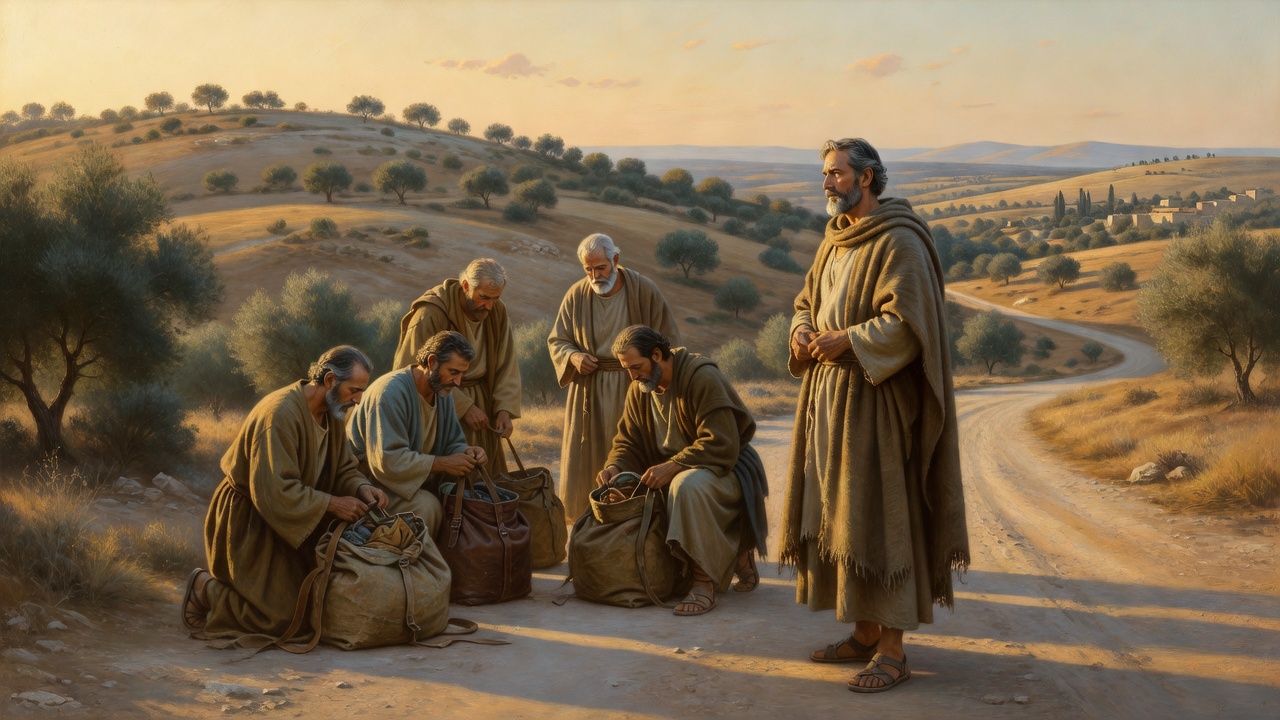
¿Sabías que…?
La esperanza de los gentiles y el camino hacia el oeste
- Pablo escribe que ha proclamado plenamente el evangelio de Cristo desde Jerusalén, dando toda la vuelta hasta Ilírico. El diccionario bíblico de Easton (1897) sitúa esa región al noroeste de Macedonia, en las costas orientales del Adriático, y la describe como entonces comprendida casi por completo en Dalmacia; dice que la recorrió en su tercer viaje misionero, que fue el distrito más lejano al que había llegado predicando, y que un viaje por Macedonia lo habría llevado hasta sus fronteras.Fuentes: el propio texto bíblico · Illyricum
- Espera ver a los creyentes de Roma de camino a España y, después de entregar en Jerusalén la contribución de Macedonia y Acaya, partir hacia España pasando por ellos. El diccionario bíblico de Easton (1897) registra esa intención, pero señala que no hay evidencia de que la haya llevado a cabo, aunque algunos piensan que probablemente lo hizo entre su primer y su segundo encarcelamiento.Fuentes: el propio texto bíblico · Spain
- Citando a Isaías, dice que la Raíz de Isaí aparecería y se levantaría para gobernar a los gentiles, y que los gentiles pondrían en él su esperanza. Isaí fue el padre de David, y el diccionario bíblico de Easton (1897) dice que la expresión raíz de Isaí se usa para el Mesías, mientras que tallo de Isaí se usa para la familia de David.Fuentes: el propio texto bíblico · Jesse
Notas escritas con ayuda de IA a partir de fuentes abiertas (Theographic Bible Metadata, CC BY-SA 4.0; Easton’s Bible Dictionary, dominio público) y revisadas antes de publicarse.
Lugares de este capítulo
- Illyricum · 43.539, 16.483 · versículo 19
- Jerusalem · 31.777, 35.234 · versículos 19, 25, 26, 27, 31
- Rome · 41.892, 12.485 · versículo 24
- Spain · Hoy: Hispania · 40.210, -4.350 · versículos 24, 28
- Achaia · 38.720, 22.540 · versículo 26
- Macedonia · 41.600, 22.540 · versículo 26
- Judea · Hoy: Judea 1 · 31.777, 35.234 · versículo 31
Solo aparecen lugares identificados con alta confianza (90 % o más según las fuentes académicas reunidas por OpenBible). Mapa de la época: DARE (Digital Atlas of the Roman Empire), CC BY 4.0; mapa actual: © colaboradores de OpenStreetMap; lugares: OpenBible.info (CC BY 4.0).
Créditos y licencia de esta traducción
Nǫ̀htsı̨̨ Nı̨̨htł'è
Dogrib: Dogrib Genesis & New Testament New Testament & Portions of Old Testament
copyright © 2009 Canadian Bible Society
Language: Dogrib
Translation by: Canadian Bible Society
Tłı̨chǫ Genesis and New Testament
About Tłı̨chǫ
Tłı̨chǫ (Dogrib) is a Na-Dene (Athabaskan) language. It is spoken by the First Nations Tłı̨chǫ people in the Northwest Territories in Canada. It has the largest number of speakers of any of the Aboriginal language communities in the NWT, and is one of the official languages of the Northwest Territories.
About This Translation
This translation includes the book of Genesis and the New Testament in Tłı̨chǫ. The first edition of the Tłı̨chǫ New Testament was published in 2003. It was a historic event, as it was the first time in more than a hundred years that a complete New Testament was published for one of the Dene First Nations in the Territories. The first edition was well received and quickly sold out. In the meantime the book of Genesis had been completed. Consequently, the 2008 reprint of the Tłı̨chǫ New Testament included Genesis.
Though this translation of the New Testament and Genesis took a total of ten years, the people who worked on it built on years of labor invested by the Tłı̨chǫ people, elders, priests and missionaries, translators, educators, and linguists. The material contained in this book was checked and approved by consultants from Wycliffe Bible Translators and the Canadian Bible Society.
If you are interested in obtaining a printed copy of this Bible, please contact the Canadian Bible Society at http://www.biblescanada.com .
Copyright Information
Dogrib Genesis and New Testament © 2003, 2008 Canadian Bible Society
The text of the Bible in Tłı̨chǫ that appears in this electronic format or website is for personal use only.
Up to five hundred (500) verses of the Bible text in any form (written, visual, electronic or audio) may be quoted without permission. The quoted verses may not be more than 50% of a complete book of the Bible, or more than 25% of the total text of the work in which they are quoted. Prior written permission must be obtained for any other use of the text. Copyright acknowledgement must in all cases appear on the title or copyright page.
For more information on copyright conditions or to apply, visit http://www.biblesociety.ca/copyright .
This translation is made available to you under the terms of the
Creative Commons Attribution-Noncommercial-No Derivatives license 4.0.
You may share and redistribute this Bible translation or extracts from it in any format, provided that:
You include the above copyright and source information.
You do not sell this work for a profit.
You do not change any of the words or punctuation of the Scriptures.
Pictures included with Scriptures and other documents on this site are licensed just for use with those Scriptures and documents.
For other uses, please contact the respective copyright owners.
2014-04-22
Fuente: http://ebible.org/dgrDOGNT/ · eBible.org