Mateo 9
Nǫ̀htsı̨̨ Nı̨̨htł'è · Toca un versículo para ver sus referencias cruzadas.
Dǫ wekw'ǫǫ̀ ełaı̨dèe sìı k'aàt'ıì ajà
1Zezì elà yìetła gà edecheekeè xè ı̨nǫ̀ǫ̀ nawheɂe, edekǫ̀ta nìagı̨ı̨ɂe. 2Dǫ mǫ̀hdaa dǫ wekw'ǫǫ̀ ełaı̨dèe tè k'e whetı̨ı̨ Zezì ts'ǫ̀ geèhchì. Zezì dǫ gınì nàtsoo gok'èezǫ t'à dǫ eyaelı̨ı̨ ts'ǫ̀ hadı, “Àgı̨ą, nehołı̨į̀ neghǫ nahoazha t'à nınà welè,” yèhdı.
3Hadı t'à Nǫ̀htsı̨-yatıì-k'ègedìı-dǫǫ̀ mǫ̀hdaa hagı̨ı̨wǫ, “Dıı dǫ sıì Nǫ̀htsı̨ k'èch'a gode!” gı̨ı̨wǫ.
4Zezì dànì nànıgedèe sìı gok'èezǫ t'à hagòhdı, “Dànìghǫ naxıdzeè yìı nàowołı̨ı̨ t'à nànıahdè? 5Dǫ wekw'ǫǫ̀ ełaı̨dèe sìı dàwets'edı nı̨dè denahk'e dezhì-le: ‘Nehołı̨į̀ neghǫ nahoazha,’ hanì-le-ı̨dè ‘Nıį̀tła gà k'eı̨tło.’ 6Dıı nèk'e Dǫ-wet'àaɂàa-deè dǫ hołı̨ı̨ ghǫ nahoele ha weghàhòt'ǫǫ sìı, wek'èahsǫǫ̀ anaxehłe ha,” gòhdı tł'axǫǫ̀ dǫ wekw'ǫǫ̀ ełaı̨dèe sìı ts'ǫ̀ hadı, “Nıį̀tła, netè nı̨į̀ɂa gà nekǫ̀ ts'ǫ̀ naı̨tłe,” yèhdı. 7Eyıt'à eyı dǫ nıìtła gà edekǫ̀ ts'ǫ̀ naèhtła. 8Dǫ hazǫǫ̀ eyı hagòjà gıaɂı̨ ekò sıì gıgha enıìyah dìì, eyıt'à Nǫ̀htsı̨ ghàsǫgeedı, hagedı, “Dıı dǫ Nǫ̀htsı̨ dahxà eghàlaedaà at'ı̨ sǫnı,” gedı.
Matthew Zezì k'èè èhtła
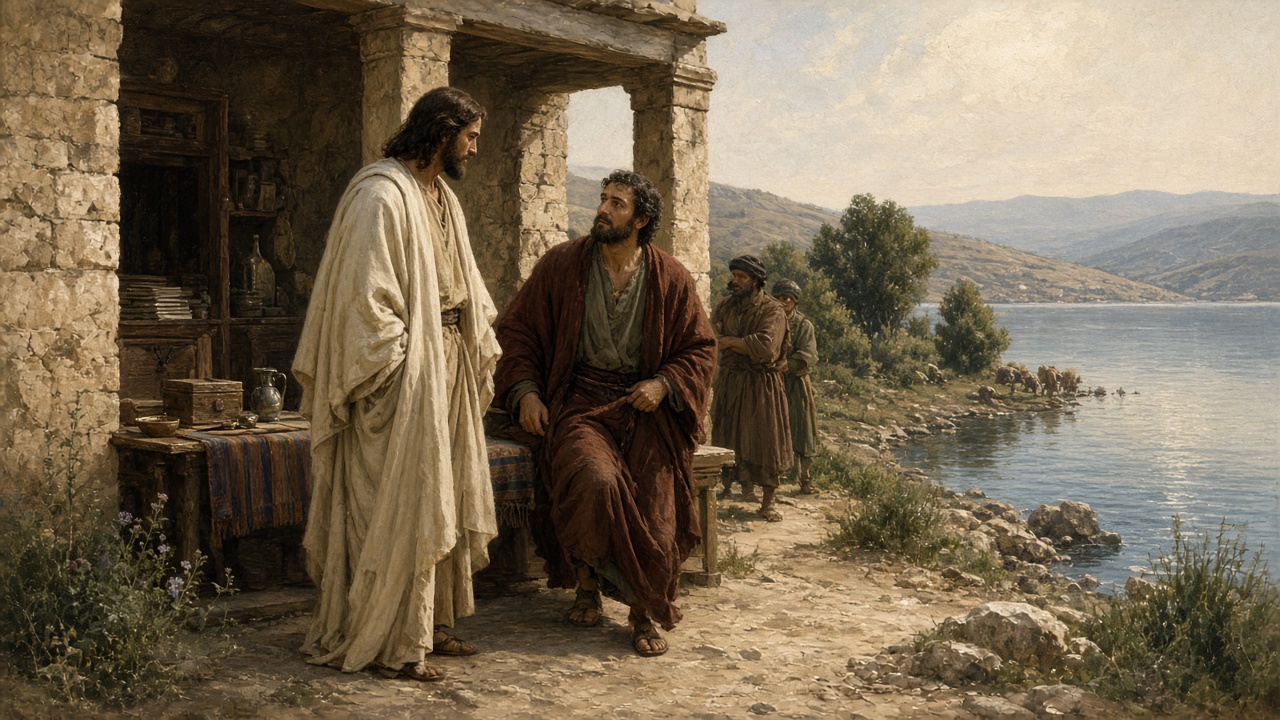
9Zezì ekǫ gots'ǫǫ̀ naèhtła tł'axǫǫ̀, sǫǫ̀mba-nàhtsį̀ı̨-dǫǫ̀ Matthew wìyeh ladà k'e eghàlaeda yaɂı̨. Zezì “Sek'èı̨tła!” yèhdı. Eyıt'à Matthew nıìtła gà Zezì k'èè èhtła.
10Eyı tł'axǫǫ̀ Zezì Matthew wekǫ̀ shètı̨ ekò sǫǫ̀mba-nàhtsį̀ı̨-dǫǫ̀ gı̨ı̨lı̨ı̨ eyıts'ǫ hołı̨ı̨-hogehtsı̨ı̨-dǫǫ̀ łǫ Zezì eyıts'ǫ wecheekeè xè shègıazhe. 11Pharısee gı̨ı̨lı̨ı̨ sìı gogıaɂı̨ ekò Zezì wecheekeè ts'ǫ̀ hagedı, “Dànìghǫ naxıts'ǫ̀ k'àowo sǫǫ̀mba-nàhtsį̀ı̨-dǫǫ̀ eyıts'ǫ hołı̨ı̨-hogehtsı̨ı̨-dǫǫ̀ xè shètı̨?” gògedı.
12Zezì ıìkw'o t'à gots'ǫ̀ hadı, “Dǫ hotıì geedaa sìı nàèdı-k'èezǫǫ gıgha wet'àaɂà nıìle, dǫ eyagı̨ı̨lı̨ı̨ sìı zǫ nàèdı-k'èezǫǫ gı̨ı̨wǫ hǫt'e. 13Hanìkò dıı hanì dek'eèhtł'è: ‘Sets'ǫ̀ t'asìı k'eahk'ǫ̀ nahk'e dǫ ts'ǫ̀ naxıdzeè eteèɂı̨ ha dehwhǫ,’ ayìı awèts'edıı sìı wedaànıahdè. Dǫ ehkw'ı geedaa sìı gıkayahtı gha jǫ ts'ǫ̀ ahjà nıìle, hanìkò hołı̨ı̨-hogehtsı̨ı̨-dǫǫ̀ gıgha ahjà hǫt'e,” gòhdı.
Edets'egǫ ghǫ Zezì dageehke
14Eyı tł'axǫǫ̀ John-Baptıst wecheekeè Zezì gà nègı̨ı̨de, gıts'ǫ̀ hadı, “Goxı̨ eyıts'ǫ Pharısee gı̨ı̨lı̨ı̨ sìı edets'egǫ, hanìkò dànìghǫ necheekeè edegegǫ-le?” gıìhdı.
15Zezì gots'ǫ̀ hadı, “K'ǫadzàa ı̨łaà goxè wheda et'ıì, dǫ gıghǫ nìı̨dee sìı edegegǫ ha nì? Į̀le ne, hanìkò ı̨łè dzęę̀ k'ǫadzàa gıghǫ wììchì ha hǫt'e, eyı dzęę̀ k'e nı̨dè edegegǫ ha.
16“Dǫ wı̨ı̨zìı goht'ǫ zǫą k'e ɂehtł'ı̨gòò nètèyeèlı nıìle. Hayį̀į̀là nı̨dè ɂehtł'ı̨gòò ełeechı t'à wemǫǫ̀ tàedlà ha. Hajà nı̨dè, goht'ǫ zǫą denahk'e wetàedlà ha. 17Eyıts'ǫ dǫ wı̨ı̨zìı jìetì wegòò hoèlı̨ı̨ sìı jìetìwò wezǫą yìı yehtł'ì nıìle. Hayį̀į̀là nı̨dè wewòzǫą wenìtsǫedlà xè jìetì xàetł'ì ha, eyıts'ǫ jìetìwò wezǫą sı wedıhołè ha. Hanì ha nıìle, jìetì wegòò hoèlı̨ı̨ sìı jìetìwò wegòò yìı yehtł'ì ha hǫt'e, hanì-ı̨dè į̀łah nezı̨į̀ wek'èhodì ha,” Zezì hadıì goxè godo. Jìetìwò|src="LB00145B.tif" size="span" ref="9.17"
T'eekoa ełaı̨woo eyıts'ǫ ts'èko eyaelı̨ı̨
18Zezì ı̨łaà goxè godo ekò, k'àowo ı̨łè yegà nììtła gà yets'ǫ̀ nàgòı̨hgè, hayèhdı, “Setì dıìhk'ǫ̀ą ełaı̨wo. Hanìkò sexè sekǫ̀ nàwheętła xè nılà wek'e anelà nı̨dè naìdà ha,” yèhdı. 19Eyıt'à Zezì nıìtła gà eyı dǫ k'èè naèhtła; wecheekeè sı gık'èède.
20Ekìıyeè k'e ts'èko ı̨łè Zezì chį̀ht'a nììtła xè yeɂeè welǫ daachì. Eyı ts'èko hoònǫ-daats'ǫ̀-nàke xo gots'ǫ edoò weɂǫ̀-at'ı̨ t'à eyaelı̨. 21Ts'èko hanıwǫ, “Weɂeè zǫ kò daehchì nı̨dè k'aàt'ıì ahde ha,” hanıwǫ.
22Zezì yets'ǫ̀ ets'aèhtła, yaɂı̨ t'à hayèhdı, “Ts'èko, nedzeè t'à nınà welè. Negha ehkw'ı-ahodı t'à k'aàt'ıì anejà,” yèhdı. Eyı ts'èko ekòet'ıì k'aàt'ıì ajà.
23Zezì k'àowo wekǫ̀ goyaèhtła ekò dǫ łǫ xè nàdahoowo eyıts'ǫ dǫ mǫ̀hdaa dechı̨shì geehdı, goaɂı̨. 24Zezì gots'ǫ̀ hadı, “Naahdè. T'eekoa ełaı̨wo nıìle, ekìı whetı̨ hǫt'e,” gòhdı t'à dǫ gıghaedlò. 25Dǫ hazǫǫ̀ xàgeèdeè agogį̀į̀là tł'axǫǫ̀, Zezì edı̨į̀ t'eekoa whetı̨ı̨ sìı ekǫ goyaèhtła. T'eekoa wılà nıìchı-t'ıì t'eekoa nıìtła. 26Eyı nèk'e hazǫǫ̀ eyı wegodıì ajà.
Dǫ wedaà goìlee nàke eyıts'ǫ dǫ gode-le k'aàt'ıì agejà
27Zezì eyı gots'ǫ naèhtła ekò dǫ nàke gıdaà goìlee gık'èè łeèhtła, nagıìzeh xè Zezì ts'ǫ̀ hagedı, “K'àowocho Davıd Weza, etegòı̨hɂı̨!” gedı nagıìzeh.
28Zezì kǫ̀ ı̨łè goyaèhtła ekò dǫ gıdaà goìlee gıgà nèłegeètła t'à dagoehke, “K'aàt'ıì anaxehłe gha naxıgha ehkw'ı-ahodı nì?” gòhdı. “K'àowo, hęɂę,” gedı.
29Eyıt'à godaà k'e whehdì xè hagòhdı, “Naxıgha ehkw'ı-ahodı k'ę̀ę̀ naxıxè agode,” Zezì gòhdı. 30Ekòet'ıì gıdaà gǫ̀hłı̨ anagejà. Zezì yatı nàtsoo t'à hagòhdı, “Dıı hagòjàa sìı dǫ wı̨ı̨zìı yek'èızà sǫ̀ǫ̀,” gòhdı. 31Hanìkò eyı nèk'e dǫ hazǫǫ̀ ts'ǫ̀ hagedı.
32Eyı dǫ nàke Zezì ts'ǫǫ̀ nałegeèhtła tł'axǫǫ̀ dǫ ı̨nìłı̨ı̨ wets'ǫ̀-èlı̨ t'à gode-le sìı Zezì gà nègeèchì. 33Zezì ı̨nìłı̨ı̨ xàdeèzhì tł'axǫǫ̀, eyı dǫ gode-le ı̨lèe sìı godeè ajà. Dǫ hazǫǫ̀ gıgha enıìyah dìì t'à hagedı, “Israel nèk'e dıı hagòjà ts'aɂı̨ whìle,” gedı.
34Hanìkò Pharısee gı̨ı̨lı̨ı̨ sìı hagedı, “Įnìłı̨ı̨ gha k'àowo dahxà ı̨nìłı̨ı̨ xàdeezhıì at'ı̨,” gedı.
Eghàlageedaa-dǫǫ̀ łǫ-le
35Zezì eyı nèk'e kǫ̀ta hazǫǫ̀ gota k'eetło. Ełègehdèe-kǫ̀ goyìı dǫ hoghàehtǫ. Nǫ̀htsı̨ Wenàowoò k'ę̀ę̀ hòɂǫǫ wegodıì nezı̨ı̨ t'à dǫ ts'ǫ̀ gode, eyıts'ǫ tàda hazǫǫ̀ t'à dǫ eyagı̨ı̨lı̨ı̨ sìı k'aàt'ıì anagǫ̀ǫ̀là. 36Dǫ łǫ ełèwhede goghàeda ekò dǫ ts'ǫ̀ wedzeè eteèɂı̨. Dǫ gıxè hoìla xè sahzǫ̀ą dǫ gok'èdìı whìle lagı̨ı̨t'e. 37Eyıt'à Zezì edecheekeè ts'ǫ̀ hadı, “Dèè k'e t'asìı dıìdìı łǫ dìì hanìkò dǫ nàyehtsį̀ ha łǫ-le. 38Eyıt'à t'asìı dehshee nàgehtsį̀ ts'ǫ̀ k'àowo sìı weahkè, hanì-ı̨dè t'asìı dehshee nàgehtsį̀ı̨ dǫǫ̀ gots'ǫ̀ ayele ha,” gòhdı.
¿Sabías que…?
Misericordia, curación y vino nuevo
- Mateo, hijo de Alfeo, era publicano, es decir, recaudador de impuestos, en Cafarnaúm. Jesús, al subir desde la orilla del lago, pasó por el puesto de impuestos donde Mateo estaba sentado y le dijo: “Sígueme”. Antes se lo conocía como Leví; ese mismo día ofreció un gran banquete, descrito como una despedida, a Jesús, a los discípulos y, probablemente, a muchos de sus antiguos compañeros.Fuentes: Matthew · el propio texto bíblico
- Quienes preguntan por qué ellos y los fariseos ayunan tan a menudo, mientras los discípulos de Jesús no ayunan, son discípulos de Juan el Bautista. A Juan se lo llama el precursor; era de linaje sacerdotal, su padre Zacarías sacerdote del turno de Abías y su madre Elisabet una de las hijas de Aarón.Fuentes: John the Baptist · el propio texto bíblico
- Una cronología sitúa la curación del paralítico, el llamado de Mateo, la pregunta sobre el ayuno y la parábola de los odres en el año 28 d. C.Fuentes: Healing the Man with Palsy · Jesus Calls Matthew · Fasting Question · Parable of the Winseskins
Notas escritas con ayuda de IA a partir de fuentes abiertas (Theographic Bible Metadata, CC BY-SA 4.0; Easton’s Bible Dictionary, dominio público) y revisadas antes de publicarse.
Lugares de este capítulo
- Sea of Galilee · 32.819, 35.590 · versículo 1
Solo aparecen lugares identificados con alta confianza (90 % o más según las fuentes académicas reunidas por OpenBible). Mapa de la época: DARE (Digital Atlas of the Roman Empire), CC BY 4.0; mapa actual: © colaboradores de OpenStreetMap; lugares: OpenBible.info (CC BY 4.0).
Créditos y licencia de esta traducción
Nǫ̀htsı̨̨ Nı̨̨htł'è
Dogrib: Dogrib Genesis & New Testament New Testament & Portions of Old Testament
copyright © 2009 Canadian Bible Society
Language: Dogrib
Translation by: Canadian Bible Society
Tłı̨chǫ Genesis and New Testament
About Tłı̨chǫ
Tłı̨chǫ (Dogrib) is a Na-Dene (Athabaskan) language. It is spoken by the First Nations Tłı̨chǫ people in the Northwest Territories in Canada. It has the largest number of speakers of any of the Aboriginal language communities in the NWT, and is one of the official languages of the Northwest Territories.
About This Translation
This translation includes the book of Genesis and the New Testament in Tłı̨chǫ. The first edition of the Tłı̨chǫ New Testament was published in 2003. It was a historic event, as it was the first time in more than a hundred years that a complete New Testament was published for one of the Dene First Nations in the Territories. The first edition was well received and quickly sold out. In the meantime the book of Genesis had been completed. Consequently, the 2008 reprint of the Tłı̨chǫ New Testament included Genesis.
Though this translation of the New Testament and Genesis took a total of ten years, the people who worked on it built on years of labor invested by the Tłı̨chǫ people, elders, priests and missionaries, translators, educators, and linguists. The material contained in this book was checked and approved by consultants from Wycliffe Bible Translators and the Canadian Bible Society.
If you are interested in obtaining a printed copy of this Bible, please contact the Canadian Bible Society at http://www.biblescanada.com .
Copyright Information
Dogrib Genesis and New Testament © 2003, 2008 Canadian Bible Society
The text of the Bible in Tłı̨chǫ that appears in this electronic format or website is for personal use only.
Up to five hundred (500) verses of the Bible text in any form (written, visual, electronic or audio) may be quoted without permission. The quoted verses may not be more than 50% of a complete book of the Bible, or more than 25% of the total text of the work in which they are quoted. Prior written permission must be obtained for any other use of the text. Copyright acknowledgement must in all cases appear on the title or copyright page.
For more information on copyright conditions or to apply, visit http://www.biblesociety.ca/copyright .
This translation is made available to you under the terms of the
Creative Commons Attribution-Noncommercial-No Derivatives license 4.0.
You may share and redistribute this Bible translation or extracts from it in any format, provided that:
You include the above copyright and source information.
You do not sell this work for a profit.
You do not change any of the words or punctuation of the Scriptures.
Pictures included with Scriptures and other documents on this site are licensed just for use with those Scriptures and documents.
For other uses, please contact the respective copyright owners.
2014-04-22
Fuente: http://ebible.org/dgrDOGNT/ · eBible.org