Mateo 6
Nǫ̀htsı̨̨ Nı̨̨htł'è · Toca un versículo para ver sus referencias cruzadas.
Dǫ-teèt'ı̨ı̨ sìı gıts'àahdı
1“Kexoahdı, wet'à naxıghǫ nezı̨į̀ agedı ha dahwhǫ t'à, dǫ nadąą̀ zǫ ehkw'ı k'ehoahɂa-le. Haaht'ı̨ nı̨dè Naxıtà yak'e whedaa sìı eyı k'èxa t'asìı naxıghàɂà ha-le.
2“Eyıt'à dǫ-teèt'ı̨ı̨ ghàahdı nı̨dè dǫ hazǫǫ̀ gıghǫ gode gha k'ehoahɂa-le. Dǫ degaı degeetsı̨ı̨ sìı hanì k'ehogeɂa hǫt'e. Dǫ gots'ǫ̀ nezı̨į̀ agı̨ı̨wǫ ha gı̨ı̨wǫ t'à ełègehdèe-kǫ̀ goyìı eyıts'ǫ kǫ̀ta dǫ ts'ǫ̀ hagedı agogehɂı̨. Ehkw'ı anaxèehsı̨, t'asìı edegha geèhnǫǫ sìı hòt'a deghàà gıghǫ̀t'ǫ hǫt'e. 3Naxılà ı̨łè t'à dǫ-teèt'ı̨ı̨ ghàahdı nı̨dè naxılà eyıì-le yek'èwezà sǫ̀ǫ̀. 4Eyıt'à dǫ ghàahdı nı̨dè dǫ gık'èezǫ welè sǫ̀ǫ̀. Hanì-ı̨dè Nǫ̀htsı̨ naxıtà dǫ naàhtǫ dàaht'ı̨ yeghàedaa sìı wek'èxa t'asìı nezı̨ı̨ naxıghàɂà ha.
Dànì yaahtı ha
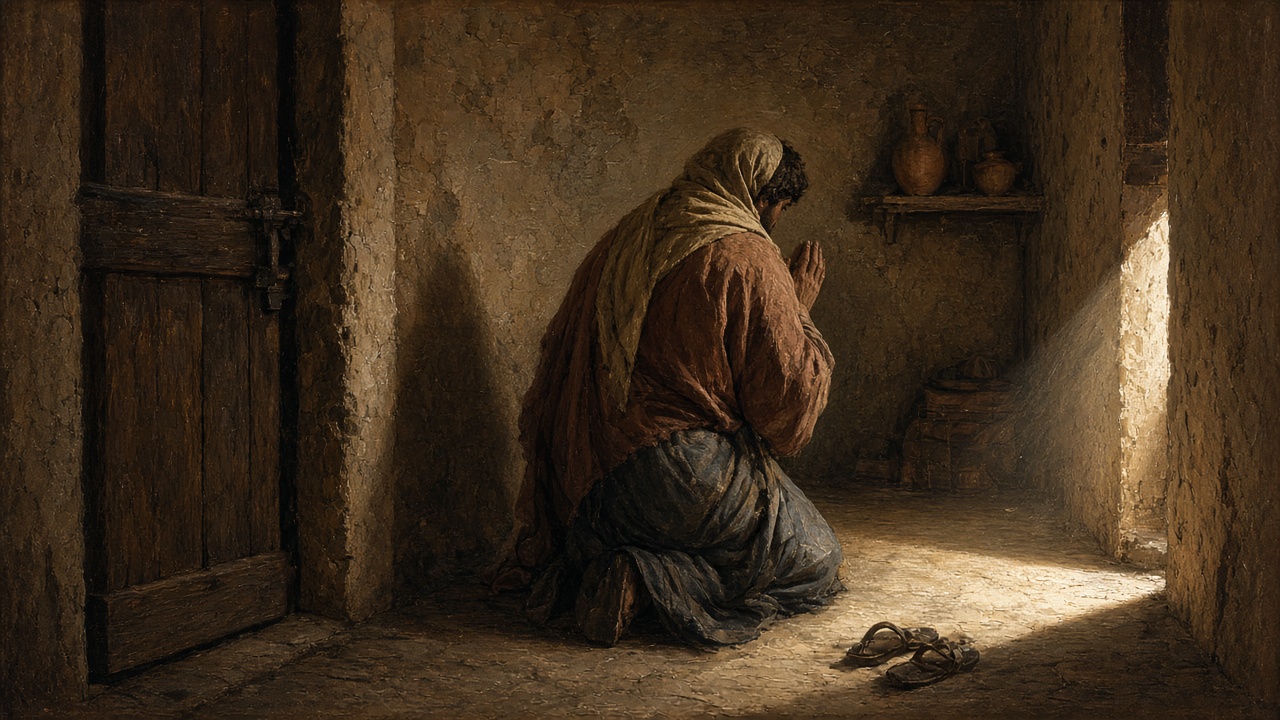
5“Yaahtı nı̨dè dǫ degaı degeetsı̨ı̨ sìı gıxèahɂı̨-le. Dǫ goghàgeeda ha gı̨ı̨wǫ t'à, ełègehdèe-kǫ̀ goyìı eyıts'ǫ tı̨lı k'e nàgeèhza xè yagehtı ghageewı. Ehkw'ı anaxèehsı̨, t'asìı edegha geèhnǫǫ sìı hòt'a deghàà gıghǫ̀t'ǫ hǫt'e. 6Hanìkò yaahtı nı̨dè naxıkǫ̀ą goyìı edets'ǫdaànìahchı gà Nǫ̀htsı̨ naxıtà wègaat'ı̨-le sìı wets'ǫ̀ yaahtı. Hanì-ı̨dè dǫ naàhtǫ dàaht'ı̨ı̨ sìı Nǫ̀htsı̨ yeghàeda hǫt'e wek'èxa t'asìı nezı̨ı̨ naxıghàɂà ha. 7Yaahtı nı̨dè yatı łǫ wet'àaɂà-le t'à yaahtı-le. Dǫ Nǫ̀htsı̨ k'ègeezǫ-le sìı hanì yagehtı hǫt'e. Yatı łǫ t'à whaà yagehtı nı̨dè Nǫ̀htsı̨ goèhkw'ǫ ha gı̨ı̨wǫ. 8Gıxèahɂı̨-le. Nǫ̀htsı̨ Naxıtà t'asìı weahkè kwe ayìı dahwhǫǫ sìı yek'èezǫ hǫt'e.
9“Yaahtı nı̨dè dıı hanì yaahtı,
“ ‘Gotà yak'e wheędaa, nıızì degaı ts'edı hǫt'e. 10Nı̨ k'àı̨wo k'ę̀ę̀ welè. Dıı nèk'e nek'ę̀ę̀ agòwet'è, yak'e hagǫ̀ht'e lanì. 11Dıı dzęę̀ k'e wet'à ts'eedaa goghànı̨dı. 12Dǫ gok'èch'a nàhogehdèe sìı gıhołı̨į̀ gıghǫ nahots'eele, eyı xèht'eè gohołı̨į̀ goghǫ nahoı̨le. 13Hołı̨ı̨ ts'ı̨ı̨wǫ ch'à gok'ènedì; wehłı̨ı̨ gots'ǫǫ̀ nıwà anele.’
14Dǫ naxıts'ǫ̀ ehkw'ı eghàlageeda-le sìı gıghǫ nahoahłe nı̨dè Nǫ̀htsı̨ Naxıtà ı̨dòo yak'e whedaa sìı ededı̨ sı naxıghǫ nahoele ha hǫt'e. 15Hanìkò dǫ gıghǫ nahoahłe-le nı̨dè Nǫ̀htsı̨ Naxıtà naxıhołı̨į̀ naxıghǫ nahoele ha-le.
Dànì edeahgǫ ha
16“Edeahgǫ nı̨dè ts'ǫǫ̀dahwhǫ k'ę̀ę̀ naxègaat'ı̨ welè-le. Dǫ degaı degeetsı̨ı̨ sìı hanì gìgaat'ı̨į̀ adegehɂı̨. Ehkw'ı anaxèehsı̨, t'asìı edegha geèhnǫǫ sìı hòt'a deghàà gıghǫ̀t'ǫ hǫt'e. 17Hanìkò naxı̨ edeahgǫ nı̨dè naxıkwìghà sıahłe xè k'enaahde. 18Hanì-ı̨dè edeahgǫǫ sìı hoɂıì dǫ gıgha wègaat'ı̨ ha-le. Nǫ̀htsı̨ naxıtà wègaat'ı̨-le sìı ededı̨ zǫ dǫ naàhtǫ dàaht'ı̨ı̨ sìı wegha wègaat'ı̨ hǫt'e. T'asìı nezı̨ı̨ daahnǫǫ sìı ededı̨ naxıghàyeɂà ha hǫt'e.
Yak'e t'asìı nezı̨ı̨ edegha ełèahłe
19“Dıı nèk'e t'asìı nezı̨ı̨ łǫ edegha ełèahłe-le, yììda yedè xè wek'ıìtsǫ̀ ade ha ne t'à, eyıts'ǫ eeɂį̀ı̨-dǫǫ̀ naxıkǫ̀ enìxàgeezhì gà naxıghǫ egeeɂį̀ ha t'à t'asìı nezı̨ı̨ łǫ edegha ełèahłe-le. 20Hanìkò yak'e gogha t'asìı nezı̨ı̨ edegha ełèahłe; ekǫ yììda yedè ha-le xè wek'ıìtsǫ̀ ade ha-le eyıts'ǫ eeɂį̀ı̨-dǫǫ̀ ekǫ egeeɂį̀ ha-le. 21Edı̨į̀ t'asìı deɂǫ̀ǫ̀ naxıgha nezı̨ wheahłaa sìı naxıdzeè t'à ekǫ ts'ǫ̀ dahwhǫ ha hǫt'e.
22“Naxıdaà sìı naxızhį̀į̀ gha ek'aèk'ǫ lanì hǫt'e. Naxıdaà nezı̨ nı̨dè naxızhį̀į̀ hazǫǫ̀ gha dzęh lagǫ̀ht'e ha. 23Ekò naxıdaà nezı̨-le nı̨dè naxızhį̀į̀ hazǫǫ̀ gha togoòtł'ò ha hǫt'e. Naxıdzeè yìı togoòtł'ò nı̨dè sıì naxıxè togoòtł'ò agǫ̀ht'e.
24“Dǫ wı̨ı̨zìı k'àowo nàke gha eghàlaeda ha dìì. K'àowo ı̨łè ghǫneètǫ ha eyıts'ǫ ı̨łè nèlı̨ ha-le, eyıts'ǫ k'àowo ı̨łè k'èı̨t'e ha eyıts'ǫ ı̨łè wek'èı̨t'e ha-le. Nǫ̀htsı̨ eyıts'ǫ sǫǫ̀mba, į̀łah ełèht'eè gıgha eghàlats'eeda ha dìì hǫt'e.
T'asìı ghǫ nànıahdè-le
25“Ayìı t'à aahda ha, ayìı ghǫ shèahzhe ha, ayìı aahdǫ ha eyıts'ǫ ayìı goht'ǫǫ̀ t'à-aaht'ı̨ ha sìı ghǫ nànıahdè-le. Ts'eedaa sìı bò nahk'e wet'àaɂà hǫt'e, eyıts'ǫ gozhį̀į̀ goht'ǫ nahk'e wet'àaɂà hǫt'e. 26Chı̨ą hoòlà gıdaànıahdè: dèè k'e t'asìı geehshe-le, eyıts'ǫ xehkǫ̀ t'asìı gehła-le, hanìkò Naxıtà yak'e whedaa sìı gowàedı hǫt'e. Chı̨ą gınahk'e aahłı̨ hǫt'e! 27Ayìıha t'asìı ghǫ nànıahdè? Dǫ wı̨ı̨zìı nànıwo t'à ı̨łè sadzeè deɂǫ̀ǫ̀ edaà adele ha nıìle.
28“Ayìıha goht'ǫ ghǫ nànıahdè? Dèè k'e ı̨t'ǫ̀chàa dehshee sìı wedaànıahdè. Eghàlaeda-le kò wèdaat'ı̨ hǫt'e. 29Ehkw'ı anaxèehsı̨, k'àowocho Solomon wèdaat'ı̨į̀ nàhtł'ı̨ ts'ı̨ı̨wǫ kò eyı ı̨t'ǫ̀chàa yenahk'e wèdaat'ı̨ hǫt'e. 30Nǫ̀htsı̨ hanì dèè k'e tł'oh wèdaat'ı̨į̀ whehtsı̨ı̨ sìı dıı dzęę̀ k'e dehshe hanìkò satsǫ kwıìgeehdè. Eyı nahk'e nezı̨į̀ naxık'èdì ha, eyıts'ǫ goht'ǫ nezı̨ı̨ naxıghàle ha hǫt'e. Hanìkò naxınì nàtso-le dìì. 31Eyıt'à dıı haahdı-le xè t'asìı ghǫ nànıahdè-le: ‘Ayìı ts'ı̨ı̨ɂà lì?’ ‘Ayìı ts'ats'e lì?’ ‘Ayìı goht'ǫ t'à-ats'et'ı̨ lì?’ 32Dıı nèk'e dǫ hazǫǫ̀ Nǫ̀htsı̨ k'ègeezǫ-le sìı eyı hanıı zǫ k'alagedè. Hanìkò Naxıtà yak'e whedaa sìı ayìı t'à aahda yek'èezǫ hǫt'e. 33Naxı̨ sìı, Nǫ̀htsı̨ Wenàowoò k'ę̀ę̀ hòɂǫǫ hak'eaht'į̀ eyıts'ǫ wek'ę̀ę̀ ehkw'ı ts'eeda ha dahwhǫ, eyı haahłà nı̨dè t'asìı hazǫǫ̀ wet'à ts'eedaa sı naxıghàyele ha hǫt'e. 34Eyıt'à satsǫ ghǫ nànıahdè-le, satsǫ wedawheɂǫǫ̀ aahłe. Dzę taàt'eè hoìla łǫ gogha whela hǫt'e.
¿Sabías que…?
Justicia en secreto y confianza
- Este capítulo forma parte del Sermón del Monte. Un registro de eventos fecha ese sermón en el año 28 d.C. y lo registra con una duración de un solo día.Fuentes: Sermon on the Mount · el propio texto bíblico
- Jesús dice que no se toque trompeta en las sinagogas y en las calles al dar a los necesitados, como hacen los hipócritas para ser honrados. También advierte contra orar en las esquinas para ser vistos y contra ayunar con el rostro desfigurado; en cambio, describe orar en un cuarto interior con la puerta cerrada y ayunar con la cabeza ungida y el rostro lavado.Fuentes: el propio texto bíblico
- Jesús dice que ni siquiera Salomón, con toda su gloria, se adornó como uno de los lirios del campo. Un artículo de diccionario explica que su nombre hebreo, Shelomoh, significa “Pacífico”, que era hijo de David y Betsabé, y que Natán lo llamó Jedidías, “amado del Señor”; su reinado se registra en 1 Reyes 1–11 y 2 Crónicas 1–9.Fuentes: el propio texto bíblico · Solomon
Notas escritas con ayuda de IA a partir de fuentes abiertas (Theographic Bible Metadata, CC BY-SA 4.0; Easton’s Bible Dictionary, dominio público) y revisadas antes de publicarse.
Créditos y licencia de esta traducción
Nǫ̀htsı̨̨ Nı̨̨htł'è
Dogrib: Dogrib Genesis & New Testament New Testament & Portions of Old Testament
copyright © 2009 Canadian Bible Society
Language: Dogrib
Translation by: Canadian Bible Society
Tłı̨chǫ Genesis and New Testament
About Tłı̨chǫ
Tłı̨chǫ (Dogrib) is a Na-Dene (Athabaskan) language. It is spoken by the First Nations Tłı̨chǫ people in the Northwest Territories in Canada. It has the largest number of speakers of any of the Aboriginal language communities in the NWT, and is one of the official languages of the Northwest Territories.
About This Translation
This translation includes the book of Genesis and the New Testament in Tłı̨chǫ. The first edition of the Tłı̨chǫ New Testament was published in 2003. It was a historic event, as it was the first time in more than a hundred years that a complete New Testament was published for one of the Dene First Nations in the Territories. The first edition was well received and quickly sold out. In the meantime the book of Genesis had been completed. Consequently, the 2008 reprint of the Tłı̨chǫ New Testament included Genesis.
Though this translation of the New Testament and Genesis took a total of ten years, the people who worked on it built on years of labor invested by the Tłı̨chǫ people, elders, priests and missionaries, translators, educators, and linguists. The material contained in this book was checked and approved by consultants from Wycliffe Bible Translators and the Canadian Bible Society.
If you are interested in obtaining a printed copy of this Bible, please contact the Canadian Bible Society at http://www.biblescanada.com .
Copyright Information
Dogrib Genesis and New Testament © 2003, 2008 Canadian Bible Society
The text of the Bible in Tłı̨chǫ that appears in this electronic format or website is for personal use only.
Up to five hundred (500) verses of the Bible text in any form (written, visual, electronic or audio) may be quoted without permission. The quoted verses may not be more than 50% of a complete book of the Bible, or more than 25% of the total text of the work in which they are quoted. Prior written permission must be obtained for any other use of the text. Copyright acknowledgement must in all cases appear on the title or copyright page.
For more information on copyright conditions or to apply, visit http://www.biblesociety.ca/copyright .
This translation is made available to you under the terms of the
Creative Commons Attribution-Noncommercial-No Derivatives license 4.0.
You may share and redistribute this Bible translation or extracts from it in any format, provided that:
You include the above copyright and source information.
You do not sell this work for a profit.
You do not change any of the words or punctuation of the Scriptures.
Pictures included with Scriptures and other documents on this site are licensed just for use with those Scriptures and documents.
For other uses, please contact the respective copyright owners.
2014-04-22
Fuente: http://ebible.org/dgrDOGNT/ · eBible.org