Génesis 47
Nǫ̀htsı̨̨ Nı̨̨htł'è · Toca un versículo para ver sus referencias cruzadas.
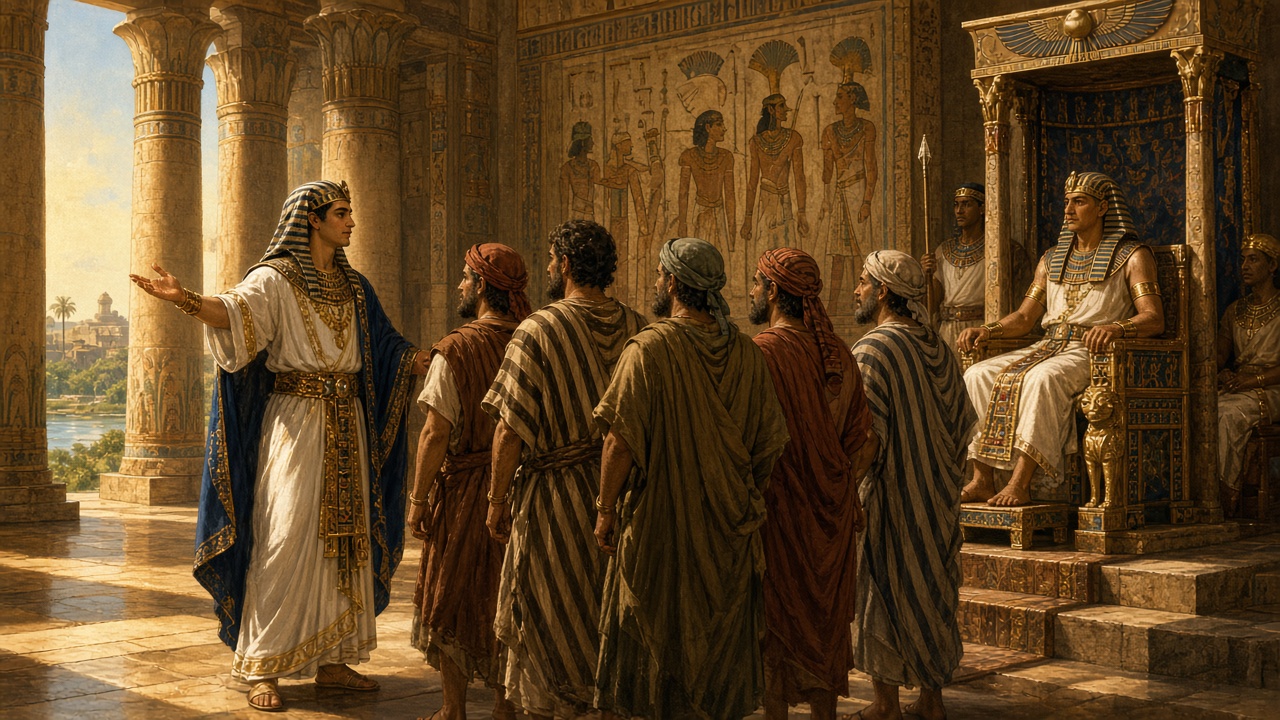
1Joseph, k'àowocho Faraoh ts'ǫ̀ hadı, “Setà eyıts'ǫ sı̨ı̨de, Kanan nèk'e gots'ǫ nègı̨ı̨de. Edets'ǫ tıts'aàdìı hazǫǫ̀ xè eyıts'ǫ t'asìı hazǫǫ̀ gıts'ǫ sìı k'egele xè Goshen nèk'e ts'ǫ̀ nègı̨ı̨de,” yèhdı. 2Edı̨ı̨de sı̨làı gòį̀hchì gà k'àowocho Faraoh goɂį̀ ha yets'ǫ̀ goòwa.
3K'àowocho Faraoh dagoehke, “Ayìı la ghàlaahda?” gòhdı.
“Gocho xèht'eè tıts'aàdìı k'èts'edìı dǫǫ̀ ats'ı̨ı̨t'e,” gıìhdı. 4Eyıts'ǫ hagıìhdı, “Whaà-lea ts'ǫ̀ jǫ nàts'edè ha ats'et'ı̨. Kanan nèk'e sıì bò whìle agòjà. Gots'ǫ tıts'aàdìı gıgha tł'oh whìle t'à jǫ nèts'ı̨ı̨de. Goshen nèk'e ekǫ nàts'edè agoı̨le ha nets'eekè,” gedı.
5K'àowocho Faraoh, Joseph ts'ǫ̀ hadı, “Netà eyıts'ǫ nı̨ı̨de nets'ǫ̀ nègı̨ı̨de nǫǫ̀, 6eyıt'à Egypt nèk'e agı̨ı̨t'e ha dìì-le. Nèot'ı̨ dèè denahk'e nezı̨ı̨ sìı ts'ǫ̀ agııde. Goshen nèk'e nàgedè agı̨ı̨le. Eyıts'ǫ nèot'ı̨ gıta gots'ǫ dǫ nezı̨į̀ eghàlageedaa sìı sets'ǫ tıts'aàdìı k'ègedì agı̨ı̨le,” yèhdı.
7Eyı tł'axǫǫ̀ Joseph, edetà Jacob k'àowocho Faraoh ts'ǫ̀ goyayeèhchì. Jacob k'àowocho Faraoh k'eèyaı̨htı. 8K'àowocho Faraoh dayeehke, “Dàtłǫ neghoò?” yèhdı.
9Jacob yets'ǫ̀ hadı, “Įłèakw'eènǫ-daats'ǫ̀-taènǫ xo dıı nèk'e nàıhdè hǫt'e. Secho gıxèht'eè whaà dıı nèk'e nàıhdè-le xè hoìla łǫ sexè k'ehokw'o,” yèhdı. 10Jacob k'àowocho Faraoh k'eèyaı̨htı tł'axǫǫ̀ yets'ǫǫ̀ naèhtła.
11Eyıt'à Joseph, k'àowocho Faraoh weyatıì k'ę̀ę̀, edetà eyıts'ǫ edı̨ı̨de Egypt nèk'e, dèè denahk'e nezı̨ı̨ Rames gòyeh sìı k'e nàgedè agǫ̀ǫ̀là. 12Joseph, edetà, edı̨ı̨de eyıts'ǫ dǫ gıgha eghàlaedaa hazǫǫ̀ weghǫ shèts'ezhee goghàyı̨ı̨dì. Gıza dàtłǫǫ sìı k'ę̀ę̀ goghàı̨dì.
Bò whìle ekò Joseph Egypt nèk'e k'àowo elı̨
13Eyı nèk'e hazǫǫ̀ sıì bò whìle agòjà t'à weghǫ shègezhee gǫ̀hłı̨-le. Bò whìle t'à Egypt got'ı̨į̀ eyıts'ǫ Kanan got'ı̨į̀ nàgetso-le agejà. 14Egypt nèk'e eyıts'ǫ Kanan nèk'e dǫ hazǫǫ̀ sǫǫ̀mba k'èxa tł'olà nàgeehdìı sìı Joseph hazǫǫ̀ nàyı̨ı̨htsı̨ gà k'àowocho Faraoh wekǫ̀ gocho nèyı̨ı̨wa. 15Egypt nèk'e eyıts'ǫ Kanan nèk'e dǫ edesǫǫ̀mbaà k'ehogı̨ı̨hwho tł'axǫǫ̀ Egypt got'ı̨į̀ Joseph ts'ǫ̀ geède, hagıìhdı, “Gots'àneedì-le nı̨dè nenadąą̀ bò dę ełaàts'ede ha. Gosǫǫ̀mbaà hazǫǫ̀ k'ehots'ı̨ı̨hwho hǫt'e,” gıìhdı.
16Joseph gots'ǫ̀ hadı, “Naxısǫǫ̀mbaà hazǫǫ̀ wek'ehǫǫwo t'à naxıts'ǫ tıts'aàdìı jǫ nìahwha, eyı k'èxa tł'olà naxıghàehdı ha,” gòhdı. 17Eyıt'à edets'ǫ tıts'aàdìı Joseph ts'ǫ̀ geèwa; gıts'ǫ tłı̨cho, tłı̨tsoa, sahzǫ̀ą, ejıetsoa eyıts'ǫ ejıe k'èxa tł'olà goghàı̨dì. Eyıt'à eyı xo k'e gıts'ǫ tıts'aàdìı hazǫǫ̀ k'èxa gowànı̨ı̨dì.
18Eyı xo k'ehǫǫwo tł'axǫǫ̀ k'achı̨ Joseph ts'ǫ̀ geède, hagedı, “Gosǫǫ̀mbaà hazǫǫ̀ k'ehǫǫwo eyıts'ǫ gots'ǫ tıts'aàdìı hazǫǫ̀ neghàts'ı̨ı̨là t'à t'asìı wı̨ı̨zìı gots'ǫ-le ajàa sìı wek'èı̨zǫ hǫt'e. Tł'olà k'èxa gozhį̀į̀ eyıts'ǫ gots'ǫ dèè neghàts'ele ha, eyı zǫ gots'ǫ hǫt'e. 19Negà bò dę ełaàts'ede welè-le. Tł'olà k'èxa goxı̨ eyıts'ǫ gots'ǫ dèè xè k'àowocho Faraoh ghàgoı̨le, hanì-ı̨dè k'àowocho wets'ǫ ts'ı̨ı̨lı̨ ha eyıts'ǫ gots'ǫ dèè weghaelı̨ ha. Wet'à t'asìı dehshee goghàı̨le hanì-ı̨dè ełaàts'ede ha-le eyıts'ǫ gots'ǫ ekìı wheɂǫ ha-le,” gedı.
20Eyıt'à Joseph Egypt nèk'e k'àowocho Faraoh gha dèè hazǫǫ̀ nàgoèhdì. Egypt got'ı̨į̀ sıì gıgha bò whìle t'à hazǫǫ̀ gıts'ǫ dèè gıghǫ nàèdì. Eyıt'à eyı dèè hazǫǫ̀ k'àowocho Faraoh wets'ǫ whelı̨. 21Eyıts'ǫ Joseph, Egypt nèk'e hazǫǫ̀ ts'ǫ̀ dǫ k'àowocho Faraoh gha eghàlageedaa-dǫǫ̀ gı̨ı̨lı̨į̀ agǫ̀ǫ̀là. 22Hanìkò Egypt nèk'e yahtıı gı̨ı̨lı̨ı̨ sìı gıts'ǫ dèè gıghǫ nàèdì-le. K'àowocho Faraoh goghàɂeedı t'à tł'olà gıts'ǫ. Eyıt'à dèè gıghǫ nàèdì-le.
23Eyı tł'axǫǫ̀ Joseph dǫ ts'ǫ̀ hadı, “Naxı̨ eyıts'ǫ naxıts'ǫ dèè k'àowocho Faraoh ts'ǫ̀ naxıghǫ nàèhdì hǫt'e. Eyı k'èxa dèè k'e wet'à t'asìı dahshe ha wet'à-t'asìı-dehshee wejìì naxıghàehłe ha. 24T'asìı dehshee dıìdì ajà nı̨dè wets'ǫ sı̨làı-ı̨łè k'àowocho Faraoh ghàahłe ha hǫt'e. Wets'ǫ sı̨làı-dı̨ sìı naxıghaelı̨ ha, wet'à dèè k'e k'achı̨ t'asìı dahshe ha eyıts'ǫ wet'à naxıza eyıts'ǫ naxèot'ı̨ wàɂahdı ha,” gòhdı.
25Hagedı, “Edaxàgonela hǫt'e. Gots'ǫ̀ nedzeè nezı̨ welè. T'aats'ǫǫ̀ k'àowocho Faraoh wegha eghàlaedaa-dǫǫ̀ ts'ı̨ı̨lı̨ ha,” gıìhdı.
26Eyıt'à Joseph, dèè k'e t'asìı dehshee sìı wets'ǫ sı̨làı-ı̨łè k'àowocho Faraoh weghaelı̨į̀ ayį̀į̀là. Egypt nèk'e hanì nàowo whehtsı̨ı̨ sìı dıı dzęę̀ ts'ǫ̀ wheɂǫ hǫt'e. Yahtıı gı̨ı̨lı̨ı̨ sìı gıts'ǫ dèè zǫ k'àowocho Faraoh weghaelı̨į̀ adlà-le.
27Ekò Israel got'ı̨į̀ gı̨ı̨lı̨ı̨ sìı Egypt nèk'e Goshen gòyeh nàgedè. Ekǫ kǫ̀, dèè xè nàgeèhdì eyıts'ǫ gıza łǫ agòjà.
28Jacob, hoònǫ-daats'ǫ̀-łǫ̀hdı̨ xo Egypt nèk'e nàı̨dè, hazǫǫ̀ t'à ı̨łèakw'eènǫ-daats'ǫ̀-dı̨ènǫ-daats'ǫ̀-łǫ̀hdı̨ (147) xo ts'ǫ̀ ı̨ı̨dà. 29Israel, ełaàwı ha nìkw'o ekò edeza Joseph hayaı̨htıì hayèhdı, “Sets'ǫ̀ nınì nezı̨ nı̨dè nı̨là sedzak'o nìı̨chı xè sets'ǫ̀ ehkw'ı eghàlaı̨da gha yatı nàtsoo seghàı̨ɂà. Jǫ Egypt nèk'e sekw'ǫǫ̀ nìı̨tį̀-le. 30Ełaıhwho nı̨dè Egypt nèk'e gots'ǫ xàseahtè, secho edı̨į̀ gıkw'ǫǫ̀ whelaa sìı gıgà sekw'ǫǫ̀ nìı̨tį̀ nǫǫ̀,” hadı.
“Dàsį̀ı̨dıı sìı hahłe ha,” Joseph edetà èhdı.
31“Hotıì segha hanele ha neyatıì nàtsoo seghàı̨ɂà,” wetà yèhdı. Eyıt'à Joseph, yatı nàtsoo yeghàı̨ɂǫ. Eyı tł'axǫǫ̀ Israel, edetè k'e whehdì xè Nǫ̀htsı̨ ghàsǫedı.
¿Sabías que…?
Un hogar en Gosén
- José estableció a su padre y a sus hermanos en Gosén, la región que el faraón llamó la mejor parte de la tierra. Ese mismo distrito también se llama la tierra de Ramesés; quedaba al este del Nilo, al parecer no lejos de la residencia real, aunque hoy la región es un desierto.Fuentes: el propio texto bíblico · Goshen · Rameses
- Cuando el faraón preguntó por su oficio, los hermanos de José respondieron que eran pastores, como sus padres, y pidieron quedarse en Gosén porque el hambre en Canaán no había dejado pastos para sus rebaños. El Easton’s Bible Dictionary (1897) identifica al faraón de los días de José probablemente como Apopi, el último rey hicso, y señala que los pastores eran una abominación para los egipcios nativos, mientras que estos pastores asiáticos fueron bien recibidos por los hicsos; otros sitúan a José en el reinado de Tutmosis III, mucho después de los hicsos.Fuentes: el propio texto bíblico · Pharaoh (of Joseph)
- Como el hambre agotó Egipto y Canaán, José recibió el pago primero en dinero, luego en ganado y, por último, en tierras, de modo que los campos pasaron a ser del faraón y el pueblo quedó reducido a servidumbre. No tomó la tierra de los sacerdotes, pues el faraón ya les daba sus raciones, y estableció que una quinta parte de la producción pertenecía al faraón.Fuentes: el propio texto bíblico
Notas escritas con ayuda de IA a partir de fuentes abiertas (Theographic Bible Metadata, CC BY-SA 4.0; Easton’s Bible Dictionary, dominio público) y revisadas antes de publicarse.
Lugares de este capítulo
- Canaan · 32.767, 35.333 · versículos 1, 4, 13, 14, 15
- Goshen · Hoy: Goshen 1 · 30.799, 31.834 · versículos 1, 4, 6, 27
- Egypt · 30.129, 31.308 · versículos 4, 6, 11, 13, 14, 15, 20, 21, 26, 27, 28, 29, 30
Solo aparecen lugares identificados con alta confianza (90 % o más según las fuentes académicas reunidas por OpenBible). Mapa de la época: DARE (Digital Atlas of the Roman Empire), CC BY 4.0; mapa actual: © colaboradores de OpenStreetMap; lugares: OpenBible.info (CC BY 4.0).
Créditos y licencia de esta traducción
Nǫ̀htsı̨̨ Nı̨̨htł'è
Dogrib: Dogrib Genesis & New Testament New Testament & Portions of Old Testament
copyright © 2009 Canadian Bible Society
Language: Dogrib
Translation by: Canadian Bible Society
Tłı̨chǫ Genesis and New Testament
About Tłı̨chǫ
Tłı̨chǫ (Dogrib) is a Na-Dene (Athabaskan) language. It is spoken by the First Nations Tłı̨chǫ people in the Northwest Territories in Canada. It has the largest number of speakers of any of the Aboriginal language communities in the NWT, and is one of the official languages of the Northwest Territories.
About This Translation
This translation includes the book of Genesis and the New Testament in Tłı̨chǫ. The first edition of the Tłı̨chǫ New Testament was published in 2003. It was a historic event, as it was the first time in more than a hundred years that a complete New Testament was published for one of the Dene First Nations in the Territories. The first edition was well received and quickly sold out. In the meantime the book of Genesis had been completed. Consequently, the 2008 reprint of the Tłı̨chǫ New Testament included Genesis.
Though this translation of the New Testament and Genesis took a total of ten years, the people who worked on it built on years of labor invested by the Tłı̨chǫ people, elders, priests and missionaries, translators, educators, and linguists. The material contained in this book was checked and approved by consultants from Wycliffe Bible Translators and the Canadian Bible Society.
If you are interested in obtaining a printed copy of this Bible, please contact the Canadian Bible Society at http://www.biblescanada.com .
Copyright Information
Dogrib Genesis and New Testament © 2003, 2008 Canadian Bible Society
The text of the Bible in Tłı̨chǫ that appears in this electronic format or website is for personal use only.
Up to five hundred (500) verses of the Bible text in any form (written, visual, electronic or audio) may be quoted without permission. The quoted verses may not be more than 50% of a complete book of the Bible, or more than 25% of the total text of the work in which they are quoted. Prior written permission must be obtained for any other use of the text. Copyright acknowledgement must in all cases appear on the title or copyright page.
For more information on copyright conditions or to apply, visit http://www.biblesociety.ca/copyright .
This translation is made available to you under the terms of the
Creative Commons Attribution-Noncommercial-No Derivatives license 4.0.
You may share and redistribute this Bible translation or extracts from it in any format, provided that:
You include the above copyright and source information.
You do not sell this work for a profit.
You do not change any of the words or punctuation of the Scriptures.
Pictures included with Scriptures and other documents on this site are licensed just for use with those Scriptures and documents.
For other uses, please contact the respective copyright owners.
2014-04-22
Fuente: http://ebible.org/dgrDOGNT/ · eBible.org