Juan 10
Sahidica - طبعة جديدة من العهد الجديد باللغة القبطية الصعيدية · Toca un versículo para ver sus referencias cruzadas.
1ϨⲀⲘⲎⲚ ϨⲀⲘⲎⲚ ϮϪⲰ ⲘⲘⲞⲤ ⲚⲎⲦⲚ ϪⲈ ⲠⲈⲦⲈ ⲚϤⲚⲎⲨ ⲀⲚ ⲈⲂⲞⲖ ϨⲒⲦⲘ ⲠⲢⲞ ⲈϨⲞⲨⲚ ⲈⲠⲞϨⲈ ⲚⲚⲈⲤⲞⲞⲨ ⲀⲖⲖⲀ ⲈϤⲞⲨⲰⲦⲂ ⲈⲂⲞⲖ ϨⲒ ⲔⲈⲤⲀ. ⲠⲈⲦⲘⲘⲀⲨ ⲞⲨⲢⲈϤϪⲒⲞⲨⲈ ⲀⲨⲰ ⲞⲨⲤⲞⲞⲚⲈ ⲠⲈ. 2ⲠⲈⲦⲚⲎⲨ ⲆⲈ ⲚⲦⲞϤ ⲈⲂⲞⲖ ϨⲒⲦⲘ ⲠⲢⲞ ⲚⲦⲞϤ ⲠⲈ ⲠϢⲰⲤ ⲚⲚⲈⲤⲞⲞⲨ. 3ⲠⲀⲒ ϢⲀⲢⲈ ⲠⲈⲘⲚⲞⲨⲦ ⲞⲨⲰⲚ ⲚⲀϤ ⲀⲨⲰ ϢⲀⲢⲈ ⲚⲈⲤⲞⲞⲨ ⲤⲰⲦⲘ ⲈⲦⲈϤⲤⲘⲎ ⲀⲨⲰ ϢⲀϤⲘⲞⲨⲦⲈ ⲈⲚⲈϤⲈⲤⲞⲞⲨ ⲔⲀⲦⲀ ⲠⲈⲨⲢⲀⲚ ⲚϤⲚⲦⲞⲨ ⲈⲂⲞⲖ. 4ϨⲞⲦⲀⲚ ⲈϤϢⲀⲚⲈⲒⲚⲈ ⲈⲂⲞⲖ ⲚⲚⲈⲦⲈ ⲚⲞⲨϤ ⲦⲎⲢⲞⲨ ⲚⲈ. ϢⲀϤⲘⲞⲞϢⲈ ϨⲀ ⲦⲈⲨϨⲎ ⲀⲨⲰ ϢⲀⲢⲈ ⲚⲈⲤⲞⲞⲨ ⲞⲨⲀϨⲞⲨ ⲚⲤⲰϤ ϪⲈ ⲤⲈⲤⲞⲞⲨⲚ ⲚⲦⲈϤⲤⲘⲎ. 5ⲚⲚⲈⲨⲞⲨⲀϨⲞⲨ ⲆⲈ ⲚⲦⲞϤ ⲚⲤⲀ ⲞⲨϢⲘⲘⲞ ⲀⲖⲖⲀ ⲤⲈⲚⲀⲠⲰⲦ ⲈⲂⲞⲖ ⲘⲘⲞϤ ϪⲈ ⲚⲤⲈⲤⲞⲞⲨⲚ ⲀⲚ ⲚⲦⲈⲤⲘⲎ ⲚⲚϢⲘⲘⲞ. 6ⲦⲈⲈⲒⲠⲀⲢϨⲞⲒⲘⲒⲀ ⲀϤϪⲞⲞⲤ ⲚⲀⲨ ⲚϬⲒ ⲒⲎⲤⲞⲨⲤ. ⲚⲎ ⲆⲈ ⲘⲠⲞⲨⲈⲒⲘⲈ ϪⲈ ⲞⲨ ⲚⲈⲦϤϪⲰ ⲘⲘⲞⲞⲨ ⲚⲀⲨ. 7ⲠⲈϪⲀϤ ϬⲈ ⲞⲚ ⲚⲀⲨ ⲚϬⲒ ⲒⲎⲤⲞⲨⲤ ϪⲈ ϨⲀⲘⲎⲚ ϨⲀⲘⲎⲚ ϮϪⲰ ⲘⲘⲞⲤ ⲚⲎⲦⲚ ϪⲈ ⲀⲚⲞⲔ ⲠⲈ ⲠϢⲰⲤ ⲚⲚⲈⲤⲞⲞⲨ. 8ⲞⲨⲞⲚ ⲚⲒⲘ ⲈⲚⲦⲀⲨⲈⲒ ϨⲈⲚⲢⲈϤϪⲒⲞⲨⲈ ⲚⲈ ⲀⲨⲰ ϨⲈⲚⲤⲞⲞⲚⲈ ⲚⲈ. ⲀⲖⲖⲀ ⲘⲠⲈ ⲚⲈⲤⲞⲞⲨ ⲤⲰⲦⲘ ⲈⲢⲞⲞⲨ. 9ⲀⲚⲞⲔ ⲠⲈ ⲠⲢⲞ. ⲈⲢϢⲀ ⲞⲨⲀ ⲂⲰⲔ ⲈϨⲞⲨⲚ ϨⲒⲦⲞⲞⲦ. ϤⲚⲀⲞⲨϪⲀⲒ ⲀⲨⲰ ϤⲚⲀⲂⲰⲔ ⲈϨⲞⲨⲚ ⲚϤⲈⲒ ⲈⲂⲞⲖ ⲚϤϨⲈ ⲈⲨⲘⲀ ⲘⲘⲞⲞⲚⲈ. 10ⲠⲢⲈϤϪⲒⲞⲨⲈ ⲘⲈϤⲈⲒ ⲈⲦⲂⲈ ⲖⲀⲀⲨ. ⲈⲒ ⲘⲎⲦⲒ ϪⲈⲔⲀⲀⲤ ⲈϤⲈϨⲰϤⲦ ⲀⲨⲰ ⲚϤϢⲰⲰⲦ ⲀⲨⲰ ⲚϤⲦⲀⲔⲞ. ⲀⲚⲞⲔ ⲚⲦⲀⲒⲈⲒ ϪⲈⲔⲀⲀⲤ ⲈⲨⲈϪⲒ ⲚⲞⲨⲰⲚⲀϨ ⲀⲨⲰ ⲚⲤⲈϪⲒ ⲞⲨϨⲞⲨⲞ. 11ⲀⲚⲞⲔ ⲠⲈ ⲠϢⲰⲤ ⲈⲦⲚⲀⲚⲞⲨϤ. ⲠϢⲰⲤ ⲈⲦⲚⲀⲚⲞⲨϤ ϢⲀϤⲔⲀ ⲦⲈϤⲮⲨⲬⲎ ϨⲀ ⲚⲈϤⲈⲤⲞⲞⲨ. 12ⲠϪⲀⲒⲂⲈⲔⲈ ⲆⲈ ⲈⲦⲈ ⲚⲞⲨϢⲰⲤ ⲀⲚ ⲠⲈ ⲠⲀⲒ ⲈⲦⲈ ⲚⲚⲞⲨϤ ⲀⲚ ⲚⲈ ⲚⲈⲤⲞⲞⲨ ϢⲀϤⲚⲀⲨ ⲈⲠⲞⲨⲰⲚϢ ⲈϤⲚⲎⲨ ⲀⲨⲰ ϢⲀϤⲔⲀ ⲚⲈⲤⲞⲞⲨ ⲚϤⲠⲰⲦ. ⲀⲨⲰ ϢⲀⲢⲈ ⲠⲞⲨⲰⲚϢ ⲦⲞⲢⲠⲞⲨ ⲚϤϪⲞⲞⲢⲞⲨ 13ⲈⲂⲞⲖ ϪⲈ ⲞⲨϪⲀⲒⲂⲈⲔⲈ ⲠⲈ ⲀⲨⲰ ⲘⲠⲈϤⲢⲞⲞⲨϢ ⲀⲚ ⲠⲈ ϨⲀ ⲚⲈⲤⲞⲞⲨ. 14ⲀⲚⲞⲔ ⲠⲈ ⲠϢⲰⲤ ⲈⲦⲚⲀⲚⲞⲨϤ ⲀⲨⲰ ϮⲤⲞⲞⲨⲚ ⲚⲚⲞⲨⲈⲒ ⲀⲨⲰ ⲚⲞⲨⲈⲒ ⲤⲞⲞⲨⲚ ⲘⲘⲞⲈⲒ. 15ⲔⲀⲦⲀⲐⲈ ⲈⲦⲈⲢⲈ ⲠⲒⲰⲦ ⲤⲞⲞⲨⲚ ⲘⲘⲞⲈⲒ. ⲀⲚⲞⲔ ϨⲰ ϮⲤⲞⲞⲨⲚ ⲘⲠⲒⲰⲦ. ⲀⲨⲰ ϮⲚⲀⲔⲰ ⲚⲦⲀⲮⲨⲬⲎ ϨⲀ ⲚⲀⲈⲤⲞⲞⲨ. 16ⲞⲨⲚⲦⲀⲒ ⲞⲚ ⲘⲘⲀⲨ ⲚϨⲈⲚⲔⲈⲈⲤⲞⲞⲨ ⲈⲚϨⲈⲚⲈⲂⲞⲖ ⲀⲚ ⲚⲈ ϨⲘ ⲠⲈⲒⲞϨⲈ. ⲀⲨⲰ ⲚⲈⲦⲘⲘⲀⲨ ⲞⲚ ϨⲀⲠⲤ ⲈⲦⲢⲀⲤⲞⲞⲨϨⲞⲨ ⲀⲨⲰ ⲤⲈⲚⲀⲤⲰⲦⲘ ⲈⲦⲀⲤⲘⲎ ⲚⲤⲈϢⲰⲠⲈ ⲚⲞⲨⲞϨⲈ ⲚⲞⲨⲰⲦ. ⲞⲨϢⲰⲤ ⲚⲞⲨⲰⲦ. 17ⲈⲦⲂⲈ ⲠⲀⲒ ⲠⲀⲒⲰⲦ ⲘⲈ ⲘⲘⲞⲒ ϪⲈ ϮⲚⲀⲔⲰ ⲚⲦⲀⲮⲨⲬⲎ ϪⲈⲔⲀⲀⲤ ⲞⲚ ⲈⲒⲈϪⲒⲦⲤ. 18ⲘⲚ ⲖⲀⲀⲨ ϤⲒ ⲘⲘⲞⲤ ⲚⲦⲞⲞⲦ ⲀⲖⲖⲀ ⲀⲚⲞⲔ ⲈⲦⲔⲰ ⲘⲘⲞⲤ ϨⲀⲢⲞⲒ ⲘⲘⲀⲨⲀⲀⲦ. ⲞⲨⲚϮ ⲦⲈⲜⲞⲨⲤⲒⲀ ⲈⲔⲀⲀⲤ ⲀⲨⲰ ⲞⲚ ⲞⲨⲚϮ ⲦⲈⲜⲞⲨⲤⲒⲀ ⲈϪⲒⲦⲤ. ⲦⲈⲒⲈⲚⲦⲞⲖⲎ ⲚⲦⲀⲒϪⲒⲦⲤ ⲈⲂⲞⲖ ϨⲒⲦⲘ ⲠⲀⲒⲰⲦ. 19ⲀⲨⲤⲬⲒⲤⲘⲀ ⲞⲚ ϢⲰⲠⲈ ϨⲚ ⲒⲞⲨⲆⲀⲒ ⲈⲦⲂⲈ ⲚⲈⲒϢⲀϪⲈ. 20ⲚⲈⲨⲚ ϨⲀϨ ⲆⲈ ϪⲰ ⲘⲘⲞⲤ ⲚϨⲎⲦⲞⲨ ϪⲈ ⲞⲨⲚ ⲞⲨⲆⲀⲒⲘⲰⲚⲒⲞⲚ ⲚⲘⲘⲀϤ ⲀⲨⲰ ϤⲖⲞⲂⲈ. ⲈⲦⲂⲈ ⲞⲨ ⲦⲈⲦⲚⲤⲰⲦⲘ ⲈⲢⲞϤ. 21ϨⲈⲚⲔⲞⲞⲨⲈ ⲚⲈⲨϪⲰ ⲘⲘⲞⲤ ϪⲈ ⲚⲈⲒϢⲀϪⲈ ⲚⲀ ⲞⲨⲀ ⲀⲚ ⲚⲈ ⲈϤⲞ ⲚⲆⲀⲒⲘⲰⲚⲒⲞⲚ. ⲘⲎ ⲞⲨⲚ ϬⲞⲘ ⲚⲞⲨⲆⲀⲒⲘⲰⲚⲒⲞⲚ ⲈⲨⲰⲚ ⲚⲂⲂⲀⲖ ⲚⲂⲂⲖⲖⲈ. 22ⲀϤϢⲰⲠⲈ ⲆⲈ ϨⲘ ⲠⲈⲨⲞⲒϢ ⲈⲦⲘⲘⲀⲨ ⲚϬⲒ ⲠϪⲒ ⲀⲈⲒⲔ ϨⲚ ⲐⲒⲈⲢⲞⲤⲞⲖⲨⲘⲀ ⲚⲈ ⲦⲈⲠⲢⲰ ⲦⲈ. 23ⲀⲨⲰ ⲚⲈϤⲘⲞⲞϢⲈ ⲚϬⲒ ⲒⲎⲤⲞⲨⲤ ϨⲘ ⲠⲈⲢⲠⲈ ϨⲀ ⲦⲈⲤⲦⲞⲀ ⲚⲤⲞⲖⲞⲘⲰⲚ. 24ⲀⲨⲔⲰⲦⲈ ϬⲈ ⲈⲢⲞϤ ⲚϬⲒ ⲚⲒⲞⲨⲆⲀⲒ ⲀⲨⲰ ⲠⲈϪⲀⲨ ⲚⲀϤ. ϪⲈ ϢⲀ ⲦⲚⲀⲨ ⲔϤⲒ ⲘⲠⲈⲚϨⲎⲦ. ⲈϢϪⲈ ⲚⲦⲞⲔ ⲠⲈ ⲠⲈⲬⲢⲒⲤⲦⲞⲤ ⲀϪⲒⲤ ⲚⲀⲚ ϨⲚ ⲞⲨⲠⲀⲢⲢⲎⲤⲒⲀ. 25ⲀϤⲞⲨⲰϢⲂ ⲚⲀⲨ ⲚϬⲒ ⲒⲎⲤⲞⲨⲤ. ϪⲈ ⲀⲒϪⲞⲞⲤ ⲚⲎⲦⲚ ⲀⲨⲰ ⲚⲦⲈⲦⲚ ⲠⲒⲤⲦⲈⲨⲈ ⲀⲚ. ⲚⲈϨⲂⲎⲨⲈ ⲀⲚⲞⲔ ⲈϮⲈⲒⲢⲈ ⲘⲘⲞⲞⲨ ϨⲘ ⲠⲢⲀⲚ ⲘⲠⲀⲒⲰⲦ ⲚⲀⲒ ⲚⲈⲦⲢⲘⲚⲦⲢⲈ ⲈⲦⲂⲎⲎⲦ. 26ⲀⲖⲖⲀ ⲚⲦⲰⲦⲚ ⲚⲦⲈⲦⲚ ⲠⲒⲤⲦⲈⲨⲈ ⲀⲚ ϪⲈ ⲚⲦⲈⲦⲚ ϨⲈⲚⲈⲂⲞⲖ ⲀⲚ ϨⲚ ⲚⲀⲈⲤⲞⲞⲨ. 27ⲚⲀⲈⲤⲞⲞⲨ ⲀⲚⲞⲔ ϢⲀⲨⲤⲰⲦⲘ ⲈⲦⲀⲤⲘⲎ ⲀⲨⲰ ϮⲤⲞⲞⲨⲚ ⲘⲘⲞⲞⲨ ⲀⲨⲰ ⲤⲈⲚⲀⲞⲨⲀϨⲞⲨ ⲚⲤⲰⲈⲒ 28ⲀⲨⲰ ⲀⲚⲞⲔ ϮⲚⲀϮ ⲚⲀⲨ ⲚⲞⲨⲰⲚϨ ϢⲀ ⲈⲚⲈϨ ⲀⲨⲰ ⲚⲚⲈⲨϨⲈ ⲈⲂⲞⲖ ⲈⲚⲈϨ ⲀⲨⲰ ⲚⲚⲈ ⲖⲀⲀⲨ ⲦⲞⲢⲠⲞⲨ ⲈⲂⲞⲖ ϨⲚ ⲦⲀϬⲒϪ. 29ⲠⲀⲒⲰⲦ ⲈⲚⲦⲀϤⲦⲀⲀⲨ ⲚⲀⲒ ϤϨⲒϪⲚ ⲞⲨⲞⲚ ⲚⲒⲘ ⲀⲨⲰ ⲘⲚ ϢϬⲞⲘ ⲖⲖⲀⲀⲨ ⲈⲦⲞⲢⲠⲞⲨ ⲈⲂⲞⲖ ϨⲚ ⲦϬⲒϪ ⲘⲠⲀⲒⲰⲦ. 30ⲀⲚⲞⲔ ⲚⲘ ⲠⲀⲈⲒⲰⲦ ⲀⲚⲞⲚ ⲞⲨⲀ. 31ⲀⲨϤⲒ ⲰⲚⲈ ⲞⲚ ⲚϬⲒ ⲚⲒⲞⲨⲆⲀⲒ ϪⲈⲔⲀⲀⲤ ⲈⲨⲈⲚⲞⲨϪⲈ ⲈⲢⲞϤ. 32ⲀϤⲞⲨⲰϢⲂ ⲚⲀⲨ ⲚϬⲒ ⲒⲎⲤⲞⲨⲤ. ϪⲈ ⲀⲒⲦⲤⲀⲂⲰⲦⲚ ⲈϨⲀϨ ⲚϨⲰⲂ ⲈⲚⲀⲚⲞⲨ ⲈⲂⲞⲖ ϨⲒⲦⲘ ⲠⲀⲒⲰⲦ ⲈⲦⲂⲈ ⲀϢ ⲘⲘⲞⲞⲨ ⲚϨⲰⲂ ⲦⲈⲦⲚϨⲒ ⲰⲚⲈ ⲈⲢⲞⲒ. 33ⲀⲨⲞⲨⲰϢⲂ ⲚⲀϤ ⲚϬⲒ ⲚⲒⲞⲨⲆⲀⲒ. ϪⲈ ⲚⲚⲈⲚⲚⲀϨⲒ ⲰⲚⲈ ⲀⲚ ⲈⲢⲞⲔ ⲈⲦⲂⲈ ϨⲰⲂ ⲈⲚⲀⲚⲞⲨϤ ⲀⲖⲖⲀ ⲈⲦⲂⲈ ϪⲒⲞⲨⲀ ϪⲈ ⲚⲦⲞⲔ ⲈⲚⲦⲔ ⲞⲨⲢⲰⲘⲈ ⲔⲈⲒⲢⲈ ⲘⲘⲞⲔ ⲚⲚⲞⲨⲦⲈ. 34ⲀϤⲞⲨⲰϢⲂ ⲚⲀⲨ ⲚϬⲒ ⲒⲎⲤⲞⲨⲤ. ϪⲈ ⲘⲎ ⲚϤⲤⲎϨ ⲀⲚ ϨⲘ ⲠⲈⲦⲚⲚⲞⲘⲞⲤ. ϪⲈ ⲀⲚⲞⲔ ⲀⲒϪⲞⲞⲤ ϪⲈ ⲚⲦⲈⲦⲚ ϨⲈⲚⲚⲞⲨⲦⲈ. 35ⲈϢϪⲈ ⲀⲨⲘⲞⲨⲦⲈ ⲈⲚ ⲈⲦⲘⲘⲀⲨ ϪⲈ ⲚⲞⲨⲦⲈ ⲚⲀⲒ ⲈⲚⲦⲀ ⲠϢⲀϪⲈ ⲘⲠⲚⲞⲨⲦⲈ ϢⲰⲠⲈ ϢⲀⲢⲞⲞⲨ ⲀⲨⲰ ⲘⲘⲚ ϬⲞⲘ ⲚⲦⲈ ⲦⲈⲄⲢⲀⲪⲎ ⲂⲰⲖ ⲈⲂⲞⲖ. 36ⲈⲒⲈ ⲠⲈⲚⲦⲀ ⲠⲒⲰⲦ ⲦⲂⲂⲞϤ ⲀϤⲦⲚⲚⲞⲞⲨϤ ⲈⲠⲔⲞⲤⲘⲞⲤ ⲚⲦⲰⲦⲚ ⲦⲈⲦⲚϪⲰ ⲘⲘⲞⲤ ϪⲈ ⲔϪⲈ ⲞⲨⲀ ϪⲈ ⲀⲒϪⲞⲞⲤ ϪⲈ ⲀⲚⲄ ⲠϢⲎⲢⲈ ⲘⲠⲚⲞⲨⲦⲈ. 37ⲈϢϪⲈ ⲚϮⲈⲒⲢⲈ ⲀⲚ ⲚⲚⲈϨⲂⲎⲨⲈ ⲘⲠⲀⲒⲰⲦ ⲘⲠⲢⲠⲒⲤⲦⲈⲨⲈ ⲈⲢⲞⲈⲒ. 38ⲈϢϪⲈ ϮⲈⲒⲢⲈ ⲆⲈ ⲘⲘⲞⲞⲨ. ⲔⲀⲚ ⲈⲦⲈⲦⲚⲦⲘⲠⲒⲤⲦⲈⲨⲈ ⲈⲢⲞⲈⲒ. ⲠⲒⲤⲦⲈⲨⲈ ⲈⲚⲈϨⲂⲎⲨⲈ ϪⲈⲔⲀⲀⲤ ⲈⲦⲈⲦⲚⲈⲈⲒⲘⲈ ⲀⲨⲰ ⲚⲦⲈⲦⲚ ⲤⲞⲞⲨⲚ ϪⲈ ⲠⲒⲰⲦ ϢⲞⲞⲠ ϨⲢⲀⲒ ⲚϨⲎⲦ ⲀⲨⲰ ⲀⲚⲞⲔ ϮϨⲘ ⲠⲒⲰⲦ. 39ⲚⲈⲨϢⲒⲚⲈ ϬⲈ ⲞⲚ ⲚⲤⲀ ϬⲞⲠϤ ⲀⲨⲰ ⲀϤⲈⲒ ⲈⲂⲞⲖ ϨⲚ ⲦⲈⲨϬⲒϪ 40ⲀϤⲂⲰⲔ ⲞⲚ ⲈⲠⲒⲔⲢⲞ ⲘⲠⲒⲞⲢⲆⲀⲚⲎⲤ ⲠⲘⲀ ⲈⲚⲈⲢⲈ ⲒⲰϨⲀⲚⲚⲎⲤ ⲚϨⲎⲦϤ ⲚϢⲞⲢⲠ ⲈϤⲂⲀⲠⲦⲒⲌⲈ ⲀⲨⲰ ⲀϤϬⲰ ⲘⲘⲀⲨ 41ⲀⲨⲘⲎⲎϢⲈ ⲂⲰⲔ ϢⲀⲢⲞϤ ⲀⲨⲰ ⲚⲈⲨϪⲰ ⲘⲘⲞⲤ ϪⲈ ⲒⲰϨⲀⲚⲚⲎⲤ ⲘⲈⲚ ⲘⲠϤⲢ ⲖⲀⲀⲨ ⲘⲘⲀⲒⲚ. ϢⲀϪⲈ ⲆⲈ ⲚⲒⲘ ⲈⲚⲦⲀ ⲒⲰϨⲀⲚⲚⲎⲤ ϪⲞⲞⲨ ⲈⲦⲂⲈ ⲠⲀⲒ ϨⲈⲚⲘⲈ ⲚⲈ. 42ⲀⲨⲰ ⲀϨⲀϨ ⲠⲒⲤⲦⲈⲨⲈ ⲈⲢⲞϤ ϨⲘ ⲠⲘⲀ ⲈⲦⲘⲘⲀⲨ.
¿Sabías que…?
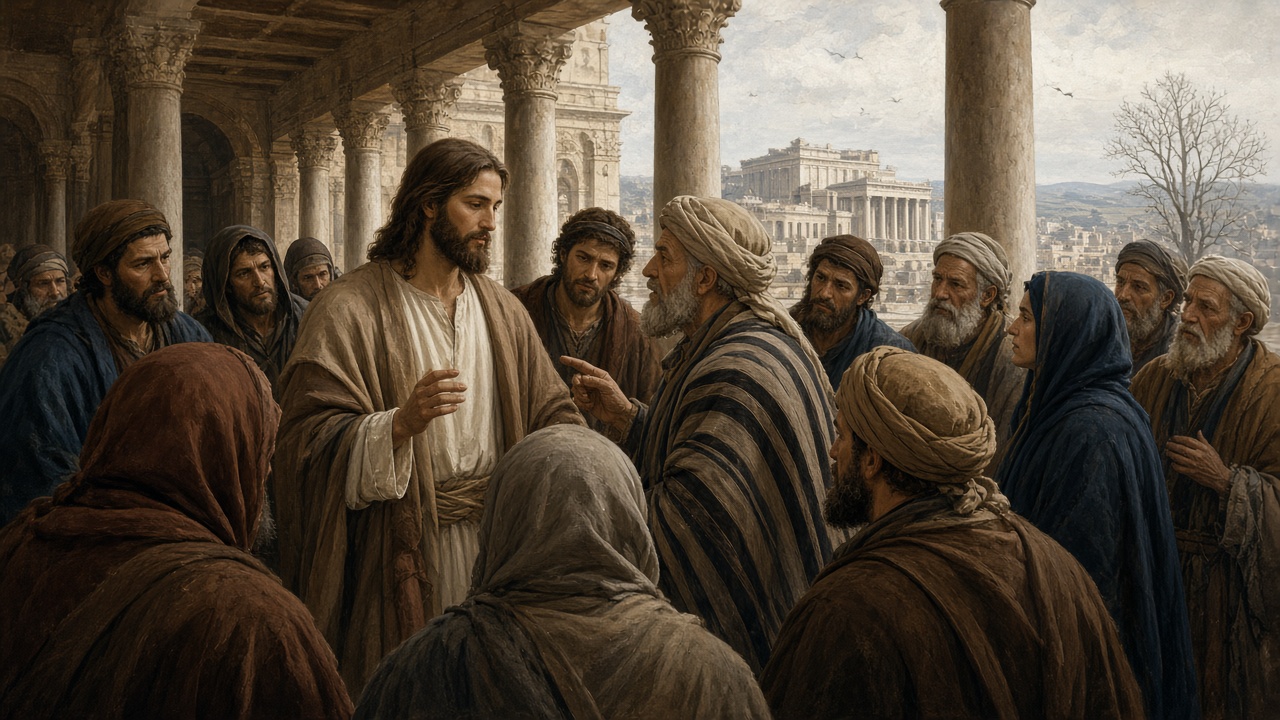
El Buen Pastor
- En la Fiesta de la Dedicación, en Jerusalén, era invierno, y Jesús caminaba por los atrios del templo, en el Pórtico de Salomón. El nombre Jerusalén, en forma dual, significa "posesión de la paz" o "fundación de la paz"; esa forma probablemente se refiere a los montes Sión y Moriah o, como algunos suponen, a la ciudad alta y la ciudad baja. El nombre hebreo de Salomón, Shelomoh, significa "pacífico".Fuentes: el propio texto bíblico · Jerusalem · Solomon
- Una cronología de los episodios evangélicos sitúa la enseñanza del Buen Pastor en el año 29 d.C. y un tiempo de enseñanza y curación, de Perea a Jerusalén, en el año 30 d.C.Fuentes: The Good Shepherd Teaching · Teaching and Healing in Perea to Jerusalem
- Jesús volvió entonces al otro lado del Jordán, al lugar donde Juan había comenzado a bautizar, y muchas personas allí creyeron en él. Juan era de linaje sacerdotal: su padre, Zacarías, era sacerdote del turno de Abías, y su madre, Elisabet, era de las hijas de Aarón. Su nacimiento, seis meses antes que el de Jesús, fue anunciado por un ángel; quienes acudían decían que Juan nunca hizo ninguna señal, pero que todo lo que había dicho acerca de Jesús era verdad.Fuentes: el propio texto bíblico · John the Baptist
Notas escritas con ayuda de IA a partir de fuentes abiertas (Theographic Bible Metadata, CC BY-SA 4.0; Easton’s Bible Dictionary, dominio público) y revisadas antes de publicarse.
Lugares de este capítulo
- Jerusalem · 31.777, 35.234 · versículo 22
- Solomon’s Portico · Hoy: in Jerusalem · 31.777, 35.234 · versículo 23
- Jordan · Hoy: Jordan River · 31.761, 35.558 · versículo 40
Solo aparecen lugares identificados con alta confianza (90 % o más según las fuentes académicas reunidas por OpenBible). Mapa de la época: DARE (Digital Atlas of the Roman Empire), CC BY 4.0; mapa actual: © colaboradores de OpenStreetMap; lugares: OpenBible.info (CC BY 4.0).
Créditos y licencia de esta traducción
Sahidica - طبعة جديدة من العهد الجديد باللغة القبطية الصعيدية
Sahidica - A New Edition of the New Testament in Sahidic Coptic
copyright © 2000-2006 J Warren Wells
Language: ⲘⲉⲧⲢⲉⲙ̀ⲛⲭⲏⲙⲓ (Coptic)
Dialect: Sahidic
Translation by: J Warren Wells
Coptic: Sahidic NT "Sahidica - A New Edition of the New Testament in Sahidic Coptic"
Copyright (c)2000-2006 by J Warren Wells. All rights reserved.
For more information visit www.sahidica.org .
This edition is available free of charge for use in free electronic
editions of the New Testament as long as the full title and copyright
information are included and credited. For written permission to use
all or any part of this document in print editions, contact the editor
at www.sahidica.org .
This edition is primarily meant for use by teachers and students of
Sahidic Coptic, and to a lesser degree by Coptologists involved in
scholarly research, textual criticism, or New Testament translation.
PURPOSE
Please note: This text is a work in progress. As such, there
is an ongoing effort to standardize the spelling of words in
the text. Be aware that version updates periodically appear.
The primary purpose is to produce a standardized edition of
the Sahidic NT similar to standard Greek editions.
An additional purpose of this text is to allow side-by-side
comparison with the Greek New Testament. To facilitate this
effort, a new version of the Greek text has been developed,
which is meant to better represent the Greek text upon which
the Sahidic was based. This text is entitled "The New Testament
According to the Egyptian Greek Text" [NTAEG]
This text does not include representation of either accents or
supralinear strokes, since these are used inconsistently in the
original texts. There is also a higher degree of standardization
in spelling and punctuation; like today's standard Greek master
texts, but unlike both the original Sahidic texts, and the PHI
and Coptic Society texts. Moreover, as in standard Greek texts,
instances of the Nomina Sacra have been expanded to their full
forms. This is again a departure from earlier versions of the
Sahidic, including the PHI and Coptic Society texts, which are
Both inconsistent in their usage.
Special thanks to David Brakke of Indiana University Bloomington,
Brigitte Comparini of the Packard Humanities Institute, and
Michael Heiser, Academic Editor, at Logos Research Systems; for
their assistance in making this edition possible.
BASIS
Sahidica was initially based (by permission) on the Coptic New Testament,
which is an electronic publication, which was edited by David Brakke.
(PHI-CD 5.3 dated 7/2/91. Los Altos. Packard Humanities Institute. 1991).
During later development, Sahidica was electronically collated against
the Coptic CD I by the St. Shenouda The Archmandrite Coptic Society.
Los Angeles, CA dated April, 1998.
These two editions were reduced to a raw electronic form, which allowed both
to be compared electronically letter by letter with Sahidica in order to
accurately detect and report every single variation and input error in any
of the texts. Though errors are inevitable, the collators of three seperate
editions are highly unlikely to make the same errors. Therefore, this method
helps to insure the integrity of the Sahidica edition.
Throughout the project, Sahidica was also collated against printed editions
of the following coptic manuscripts, which manuscripts date from the third
century and later.
Matt: Pierpont Morgan Library M-569 collated against Bodmer XIX papyrus
Mark:* PPalau Rib. Inv.Nr.182 collated against Pierpont Morgan Library M-569
Luke: PPalau Rib. Inv.Nr.181 collated against Pierpont Morgan Library M-569
John: PPalau Rib. Inv.Nr.183 collated against Pierpont Morgan Library M-569
Acts: Chester Beatty B (Copt.Ms.814) collated against Berlin P.15926 and British Museum MS Or.7594
Paul: Chester Beatty A (Copt.Ms.813) collated against Pierpont Morgan Library M-570 and M-571
James-Jude:** Pierpont Morgan Library M-572 collated against the Pierpont Morgan Library M-573 and M-601***
Revelation: Berlin MS Or.408 ( British Museum Ms Or.3518) collated against British Museum MS Or.6803
* Note: The longer and shorter endings of Mark are based on Horner; cf Kahle (JTS.1951.p49-57)
** Note: 1st Peter was also collated against the Crosby-Schøyen Ms.193.
*** Note: Portions of James and Jude were reconstructed from M-573, M-601, and four other mss.
Note on Interpolations
The short and long endings of Mark are ommited from the PPalau ms 182, but they do appear in most mss.
To better represent the overall Sahidic tradition, both endings are included, but in double brackets.
The pericope of the adultress (John 7:53-8:11) does not appear in any Sahidic ms. Herein it is omitted.
2014-09-16
Fuente: http://ebible.org/copshc/ · eBible.org